Sustainable Villas: What Buyers Gain
What buyers gain from sustainable villas: lower environmental impact, lower utility bills, better health and well-being, and long-term investment potential.
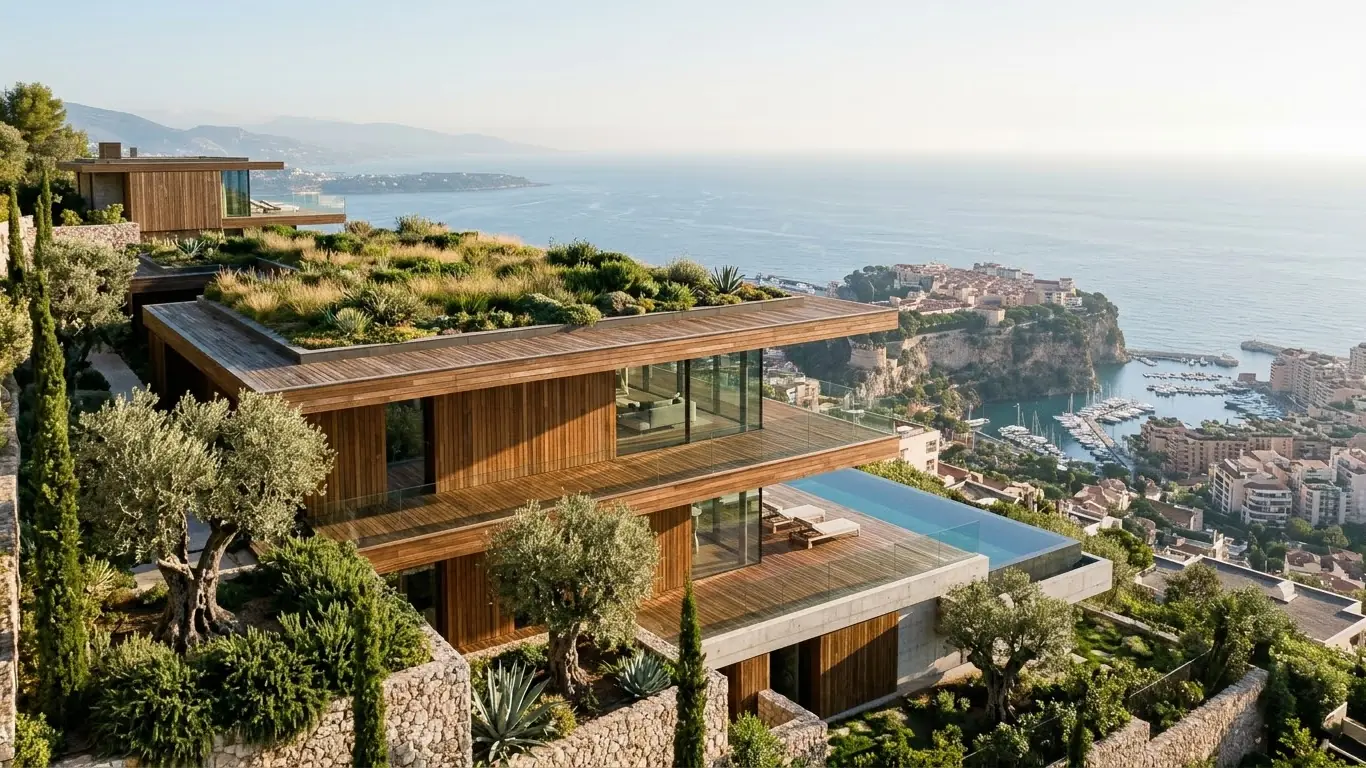

Sustainable villas pair eco-friendly design with a high standard of living. This article covers their environmental, financial, health and community effects.
Sustainable villas serve affluent buyers seeking opulence and address the need for sustainable development in the face of climate change. As more individuals become aware of their ecological footprint, demand has surged and designs have grown more innovative, prioritizing both comfort and environmental stewardship. These villas typically use renewable resources and energy-efficient systems, and their designs minimize waste, reducing the environmental impact while keeping living standards high.
This approach appeals to environmentally conscious buyers and sets a new standard in luxury real estate. The benefits extend beyond aesthetics and comfort.
Key Takeaways
- Sustainable villas minimize environmental impact and promote a healthy, comfortable lifestyle.
- Environmental benefits include reduced energy and water consumption and lower carbon emissions.
- Buyers can save through lower utility bills and potential tax incentives for eco-friendly features.
- Improved indoor air quality, natural light and access to green spaces support health and well-being.
- Sustainable villas benefit the community by promoting sustainable living practices and a positive social impact.
Environmental Benefits of Sustainable Villas
A positive impact on the environment is among the strongest reasons to choose a sustainable villa. These properties are designed to minimize energy consumption and greenhouse gas emissions, and features such as solar panels, rainwater harvesting systems and high-efficiency appliances significantly lower their carbon footprint.
This commitment helps combat climate change and promotes biodiversity by preserving natural habitats and ecosystems. Eco-friendly building materials such as reclaimed wood, bamboo and recycled steel reduce the demand for new resources and contribute to healthier indoor air quality.
Avoiding toxic substances common in traditional construction materials creates a safer living environment for occupants. Gardens and green roofs add to the ecological benefits by improving air quality and providing habitats for local wildlife.
Cost Savings for Buyers
The initial investment in a sustainable villa may be higher than for a conventional property, but long-term cost savings can be substantial. Energy-efficient features such as solar panels and high-performance insulation can significantly reduce utility bills over time, giving homeowners lower energy costs.
Many governments also offer tax incentives and rebates for energy-efficient home improvements, which adds to the financial appeal. Maintenance costs are typically lower too: durable, high-quality materials mean these homes often need less frequent repairs and replacements.
Energy-efficient systems also tend to last longer than traditional counterparts, so buyers face less upkeep over the years.
Health and Well-being Benefits
Health and well-being are another significant advantage. These homes are designed with occupant health in mind, with features for clean air and natural light. Many use advanced ventilation systems that filter out pollutants and allergens, ensuring a healthier indoor environment.
Large windows and open floor plans allow ample natural light, which has been shown to improve mood and overall well-being. Outdoor spaces such as gardens, patios and balconies encourage physical activity and connection with nature, whether for gardening or simply enjoying fresh air.
Studies have shown that spending time in nature can reduce stress levels and enhance mental health. Sustainable villas support a lifestyle that prioritizes well-being and a higher quality of life.
Community and Social Impact
Sustainable villas also affect the communities around them. Local materials and labor during construction can stimulate local economies and create job opportunities. That engagement fosters a sense of belonging among residents and encourages collaboration on sustainability initiatives.
As more individuals embrace sustainable living, communities can work together on shared challenges such as waste management and resource conservation. Sustainable villas often serve as models for responsible development in their neighborhoods and can inspire others to adopt similar practices.
This ripple effect can lead to a broader cultural shift toward sustainability. Residents who become more aware of their environmental impact may be more inclined to join local conservation efforts or support policies that promote sustainability.
Long-Term Investment Potential
A sustainable villa is an environmentally responsible choice and may also be a sound financial one. As global awareness of climate change grows, properties that prioritize sustainability are likely to appreciate in value over time, although no outcome is guaranteed. Buyers increasingly seek homes that align with their values, which keeps sustainable villas in demand on the real estate market.
That trend is expected to continue as more individuals prioritize eco-friendly living in their home-buying decisions. Sustainable villas often have lower vacancy rates than traditional properties, and as demand for eco-friendly homes rises they are likely to attract a steady stream of potential buyers or renters.
Such stability may support steady returns for investors, although returns are never certain. Sustainable villas are a lifestyle choice and can also serve as a strategic investment.
Luxury and Comfort in Sustainable Living
Sustainable living does not mean sacrificing luxury or comfort. Sustainable villas are designed with high-end finishes and modern amenities for discerning buyers who want style and functionality, from gourmet kitchens with energy-efficient appliances to spa-like bathrooms with eco-friendly fixtures.
Many sustainable villas add innovative design elements that improve both aesthetics and functionality. Open-concept layouts maximize space and natural light, and outdoor living areas blend seamlessly with indoor spaces, creating an inviting atmosphere for relaxation.
Future Trends in Sustainable Villas
As demand for sustainable living rises, several trends are emerging. One is the integration of smart home technology into eco-friendly designs: home automation systems can optimize energy usage by monitoring consumption patterns and adjusting settings accordingly.
This improves convenience for residents and promotes greater energy efficiency. Another trend is biophilic design, which connects occupants with nature through architectural elements that mimic natural environments. Living walls, natural materials and water features can create a calming atmosphere while promoting biodiversity.
As architects and designers continue to innovate, further creative solutions that prioritize both sustainability and aesthetic appeal are likely to follow. Sustainable villas already show that luxury living and environmental responsibility can go together without compromising comfort or style.
More from Monaco
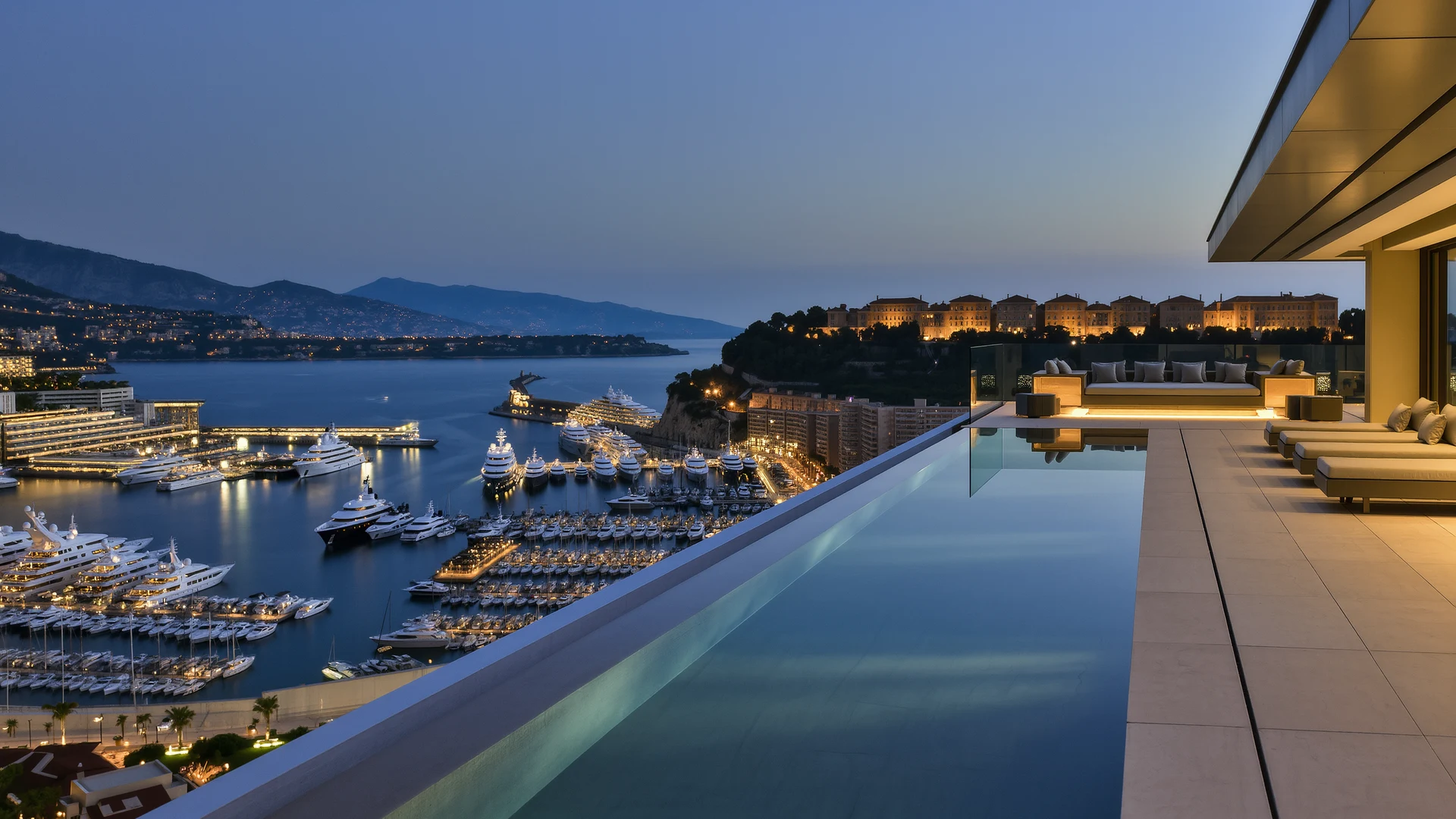
Monaco Property Investment: Prices, Costs, Residency
Monaco property investment: prime prices above €100,000 per square meter, tax treatment, residency rules, transaction costs of 9 to 11 percent and yields.
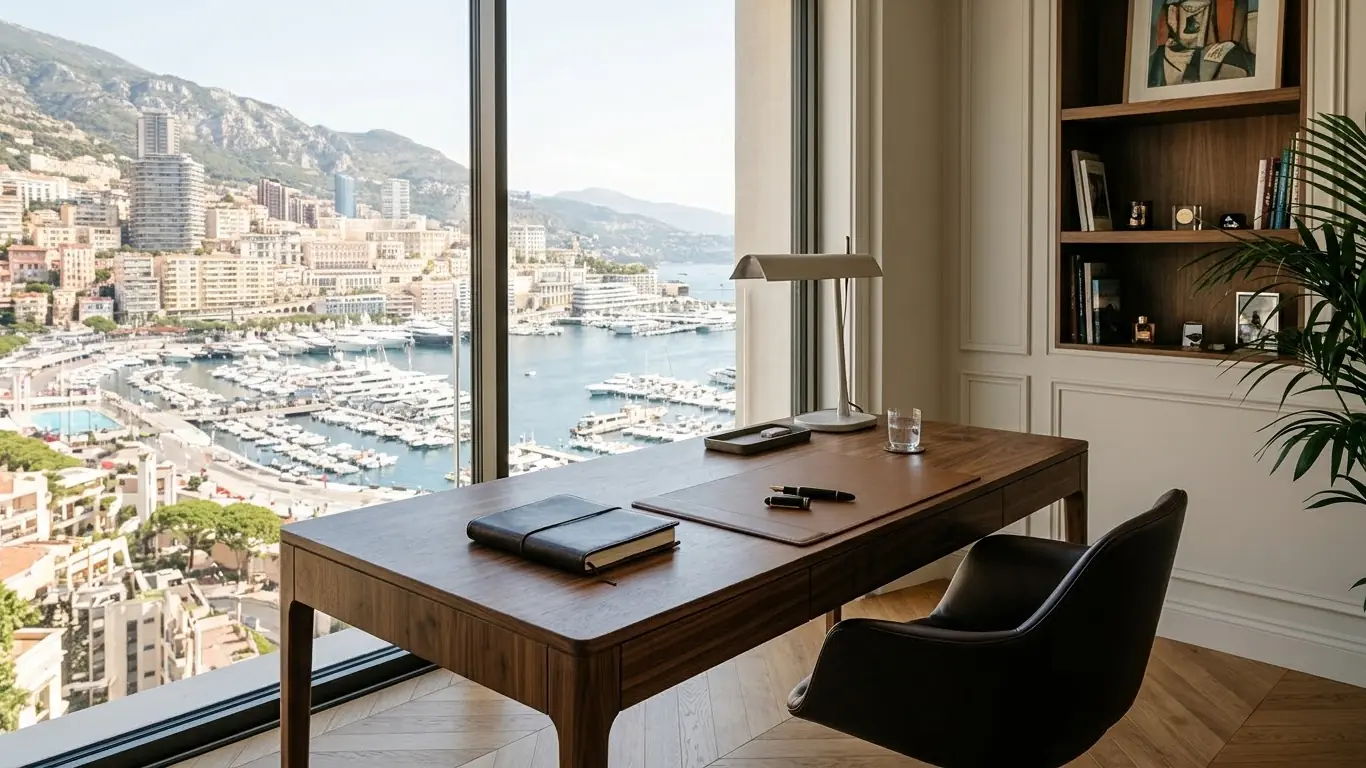
Monaco Luxury Property Market: The Effect of Home Offices
Monaco luxury property market: how home offices, wellness features, smart technology and new buyer profiles shape demand, prices, design and agency work.
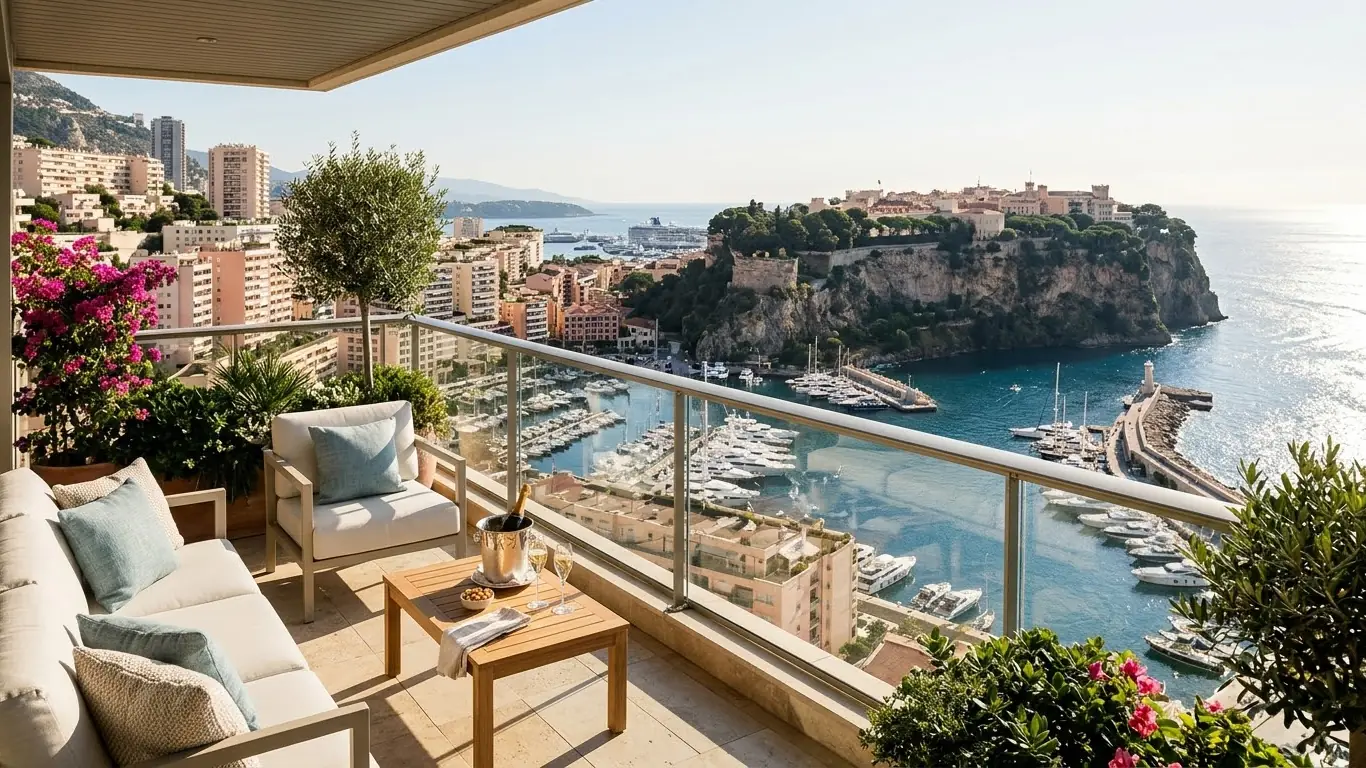
Attracting International Buyers for Your Property
Reaching international property buyers takes market knowledge, online visibility, local expertise, presentation, flexible payment and multilingual support.