Selling Luxury Properties in Oslo: Average Timeframes
How long luxury apartments and houses take to sell in Oslo: location, neighborhoods, seasonality, marketing, tips for sellers and trends shaping timeframes.
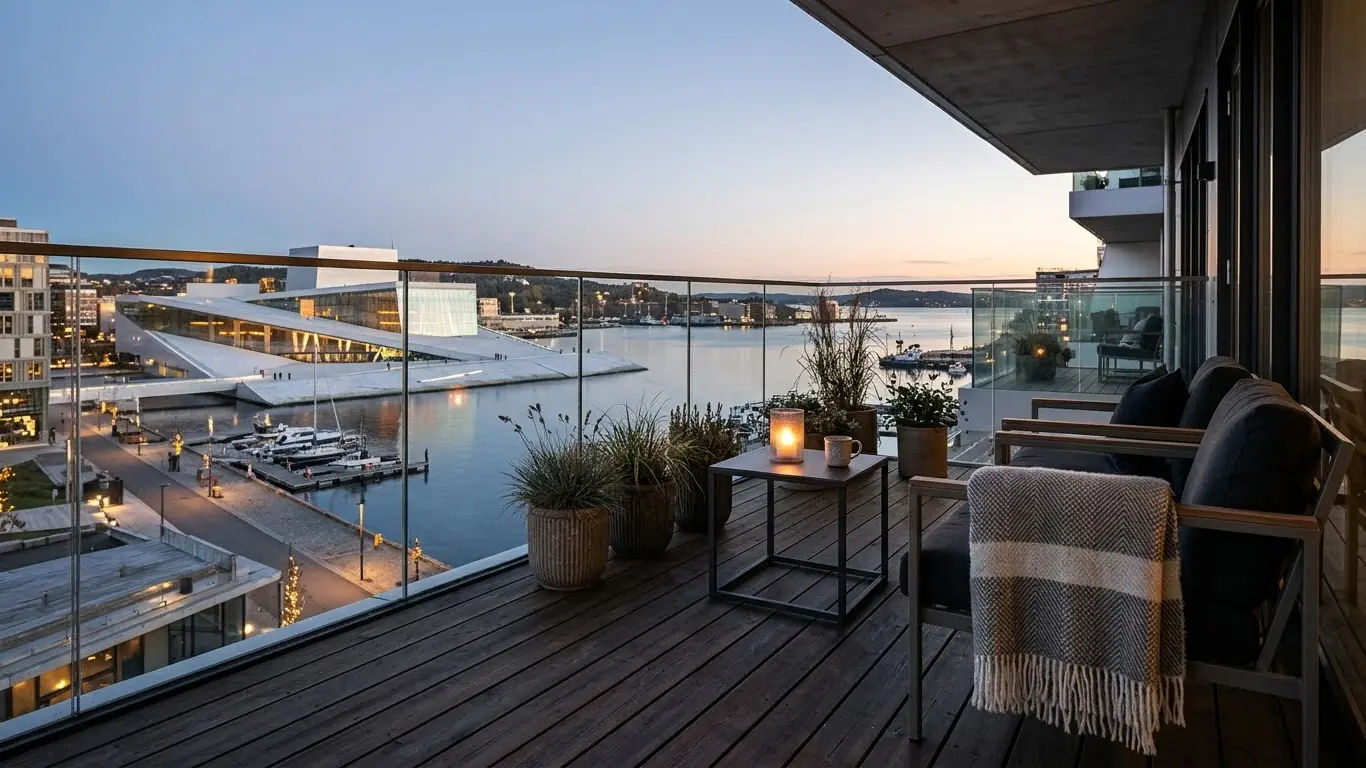

Luxury apartments in Oslo typically take three to six months to sell, luxury houses four to eight months, with location, condition, pricing, marketing and season setting the pace. Demand comes from domestic and international buyers drawn by natural beauty, cultural heritage, a robust economy and a high standard of living, with excellent public services, a strong educational system and a focus on environmental consciousness. The market ranges from apartments with fjord views to grand houses in serene neighborhoods, and this article sets out the timeframes and what influences them.
Many affluent individuals and families look for a lifestyle that aligns with their values as much as for a home. Understanding the market is therefore essential for buyers and sellers alike.
Key Takeaways
- Demand from domestic and international buyers supports growth in Oslo’s luxury market.
- Location, property condition and pricing strategy significantly influence the timeframe.
- Luxury apartments take on average three to six months to sell, with prime locations selling faster.
- Luxury houses take on average four to eight months to sell, as higher price points narrow the pool of buyers.
- City center properties tend to sell faster than suburban or rural ones, and timeframes differ by neighborhood.
- Competitive pricing, effective staging and marketing to the right audience speed up a sale.
- Timeframes are expected to remain stable, with demand for high-end properties likely to stay strong.
- Understanding these factors helps sellers and buyers navigate the market and achieve timely sales.
Factors Influencing the Timeframe for Selling Luxury Properties
The Impact of Location
Location is a critical factor. Certain neighborhoods in Oslo are more desirable than others, which significantly affects buyer interest, and properties in prime areas such as Frogner or Bygdøy tend to attract more interest and can sell faster than those in less sought-after locations.
Property Features and Amenities
Architectural design, amenities and proximity to cultural landmarks influence buyer interest and the speed of sale, making a property stand out from the competition.
Effective Marketing Strategies
The marketing strategy of sellers and agents is equally important. Effective marketing draws potential buyers sooner and so reduces the time a property remains on the market.
Average Timeframe for Selling Luxury Apartments in Oslo
The timeframe for luxury apartments varies with location, size and market conditions. Apartments in prime areas generally sell faster than those in less desirable neighborhoods, and on average luxury apartments in Oslo may take anywhere from three to six months to sell.
That range can be shorter or longer depending on circumstances. An apartment in the heart of Frogner with panoramic fjord views and modern amenities, for instance, may attract multiple offers within weeks of listing.
Seasonal trends matter too: properties listed in peak buying seasons, typically spring and early summer, may sell more quickly than those listed in winter, when buyer activity tends to slow down.
Average Timeframe for Selling Luxury Houses in Oslo
Luxury houses in Oslo typically take longer to sell than apartments, with an average timeframe of four to eight months, depending on size, location and buyer demographics. The longer period reflects higher price points and a more selective buyer segment.
Luxury houses often appeal to families or individuals seeking space and privacy, which narrows the pool of potential buyers compared with apartments. A sprawling villa in Holmenkollen with extensive outdoor space and breathtaking views may take longer to sell if priced at the upper end of the market, while a well-priced house in a desirable neighborhood may generate significant interest and sell within a few months.
Condition and necessary renovations affect selling time as well: move-in-ready homes typically attract buyers more quickly than those requiring extensive work.
Average Timeframes Across Oslo’s Neighborhoods
The luxury market is not uniform, and timeframes differ by neighborhood. Areas like Frogner and Bygdøy are known for high demand and premium pricing, which often means quicker sales than in neighborhoods such as Stovner or Grorud. In Frogner, where historic architecture meets modern amenities, properties can sell within three months because affluent buyers seek both charm and convenience.
In neighborhoods that are still developing or less established, selling times can be longer. Properties in areas like Grønland or Tøyen may take six months or longer to sell as they are still gaining traction among luxury buyers. Proximity to public transport, schools, parks and cultural institutions also shapes buyer preferences and so affects timeframes.
Tips for Selling Luxury Properties in Oslo Faster
Pricing the property correctly comes first. A thorough market analysis of comparable sales in the area helps set a competitive price that attracts potential buyers while maximizing returns.
Overpricing can extend time on the market and deter interested parties. Staging highlights a property’s best features, and a professional touch creates an inviting atmosphere in which buyers can envision themselves living.
Staging includes decluttering, depersonalizing and making necessary repairs or updates. High-quality photography and virtual tours can significantly increase online visibility and attract more prospective buyers. An experienced real estate agent who specializes in luxury properties is crucial as well.
A knowledgeable agent has insight into current market trends and buyer preferences in Oslo’s luxury sector and can run targeted marketing that reaches affluent buyers locally and internationally through channels such as social media platforms and luxury real estate websites.
Market Trends and Outlook for Luxury Sales in Oslo
Several trends could influence selling timeframes as Oslo’s luxury market evolves. One is rising demand for sustainable, eco-friendly properties, as buyers grow more conscious of their environmental impact and seek homes that reflect their values.
That shift could mean quicker sales for properties with green technologies or sustainable building practices. Remote work has also changed buyer preferences: many affluent individuals look for homes with dedicated office spaces or proximity to nature that remain accessible to urban amenities, which may increase demand for luxury homes slightly outside the city center but within commuting distance.
The luxury market may fluctuate with economic conditions or global events, but the long-term outlook remains positive. As Oslo develops as a cultural and economic center, demand for high-end properties is expected to remain strong, so average timeframes may stabilize or even decrease as more buyers enter the market.
How long does it typically take to sell a luxury apartment in Oslo?
Do luxury houses take longer to sell than apartments in Oslo?
How can sellers speed up a luxury sale in Oslo?
More from Oslo
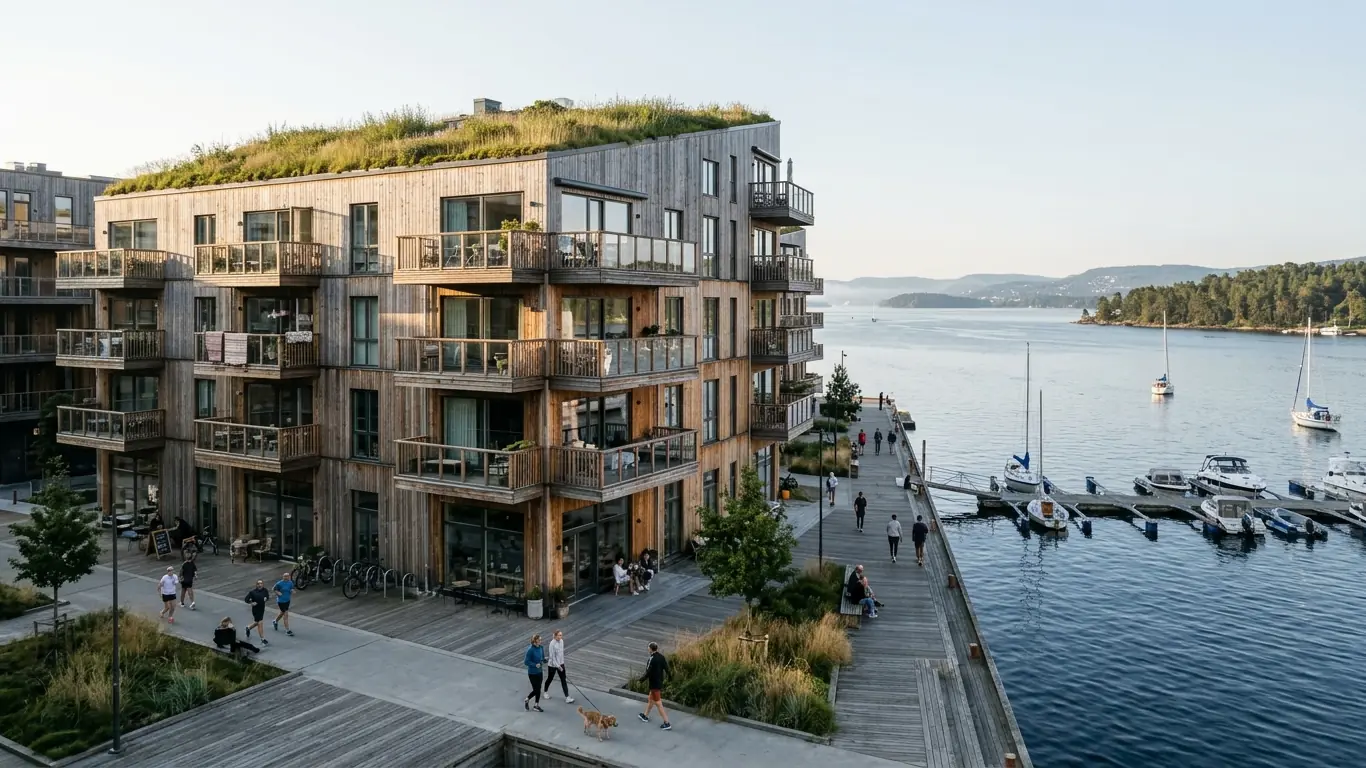
Sustainable Building in Oslo: Policy, Materials, Energy
Sustainable building in Oslo: climate targets, green certification such as BREEAM and LEED, timber and smart technologies, energy efficiency and recycling.
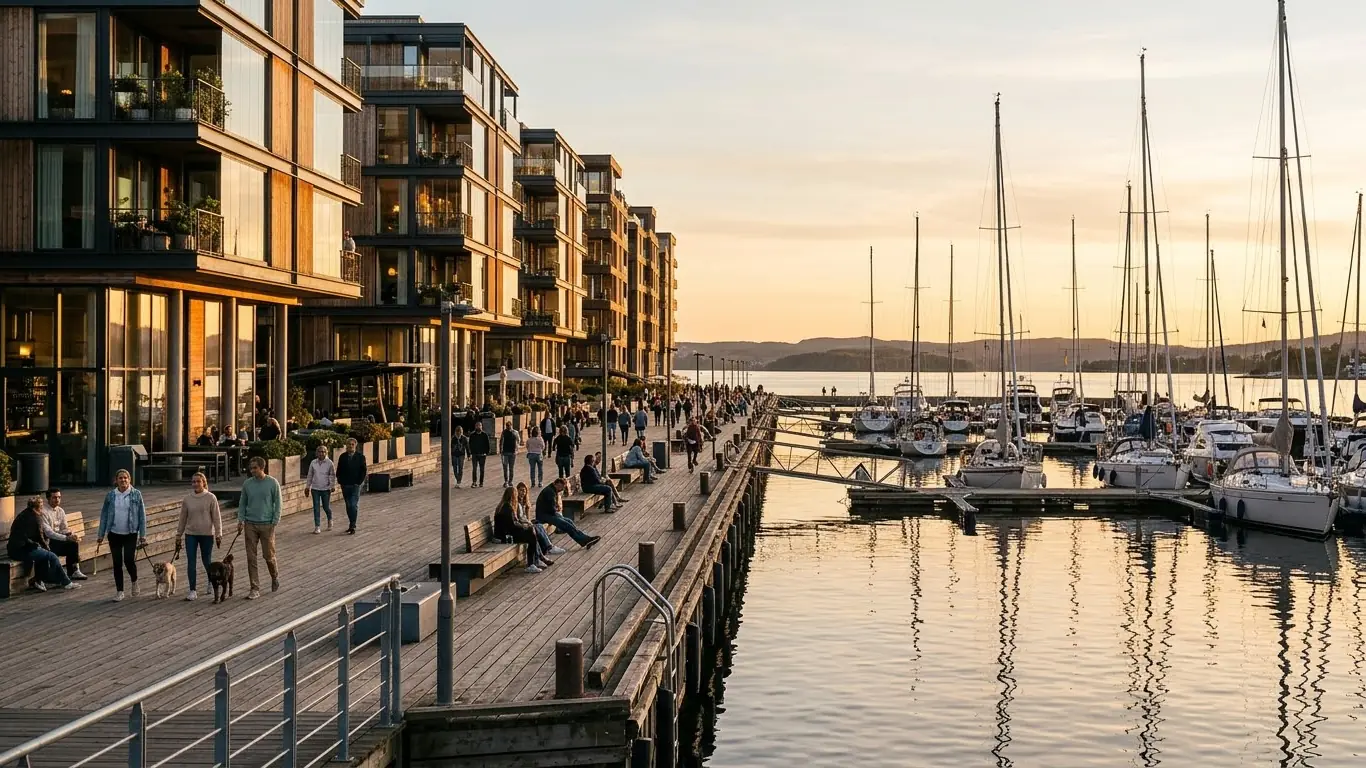
Oslo Property Prices: Trends of the Last Decade
How Oslo property prices developed over a decade: economy, policy, foreign investment, sustainable building and the pull of suburbs after the pandemic.
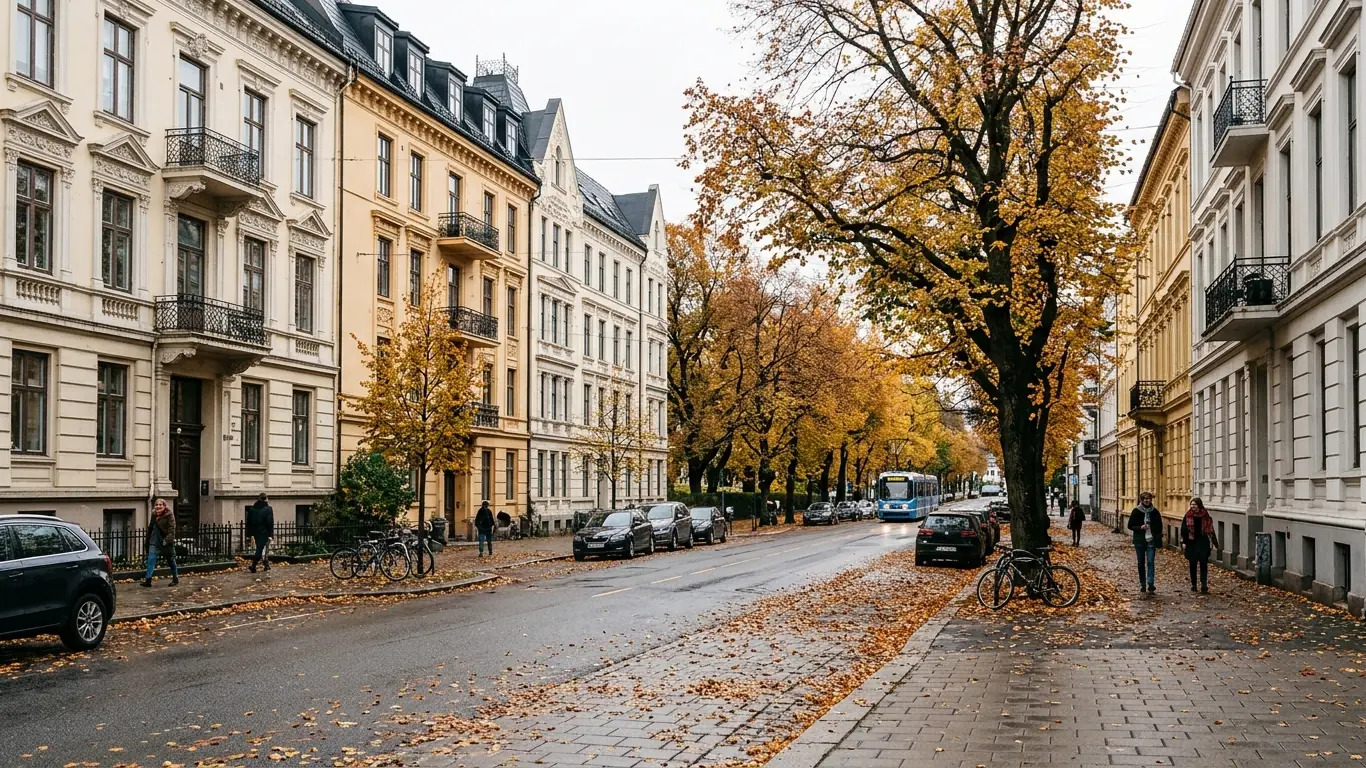
Living in Frogner: Oslo’s Address for Urban Luxury
Frogner in Oslo: historic architecture, Frogner Park and the Vigeland sculptures, upscale shopping and dining, green spaces and transport for urban living.