Dubai Real Estate Value and Construction Projects
How construction projects, infrastructure and sustainable building shape real estate value in Dubai, and what government policies mean for property investors.
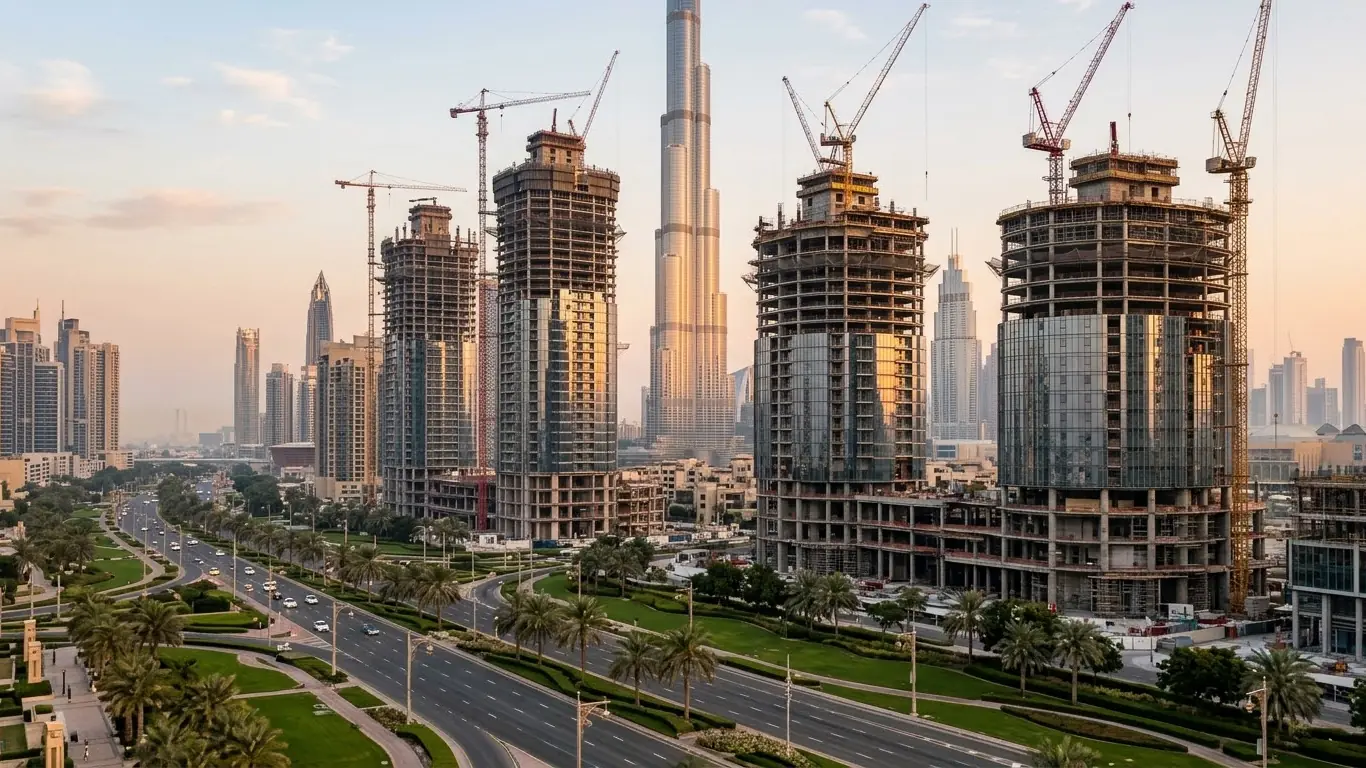

Dubai has grown from a modest fishing village into a global metropolis, and its real estate market reflects that pace: dynamic, driven by luxury, architectural showpieces and a strategic location that draws investors from around the world. Over the past few decades, property development has boomed, with the Burj Khalifa and the Palm Jumeirah as its best-known symbols.
The market covers far more than residential and commercial property, with investment options for diverse demographics and preferences. Its appeal lies in a blend of cultural richness and modern infrastructure, and with a predominantly expatriate population, demand for housing and commercial space continues to rise.
Demand is further supported by the status of the city as a global business hub that attracts multinational corporations and entrepreneurs. Real estate has become a cornerstone of the economy and contributes significantly to its GDP. The market has adapted to global economic shifts while keeping a steady growth trajectory.
Investors are drawn to Dubai for its luxurious properties and for the potential returns the market offers, though returns depend on the property, the location and the timing.
Key Takeaways
- Dubai’s real estate market is dynamic and fast-growing, with a strong focus on construction and infrastructure.
- Construction projects can lift real estate value in Dubai by attracting investors and driving economic growth.
- Projects such as the Dubai Creek Tower and the Dubai Expo 2020 site contribute significantly to the real estate market.
- Transportation and utilities have a direct impact on real estate value, which makes infrastructure a key consideration for investors and developers.
- Sustainable construction increasingly influences value, with growing emphasis on environmentally friendly, energy-efficient buildings.
How Construction Projects Lift Real Estate Value
New developments provide additional housing and commercial space and shape the look and function of the city. Modern amenities, state-of-the-art facilities and innovative designs raise the desirability of properties, and with it their market value.
Large-scale projects often revitalize surrounding areas and create communities that attract residents and businesses. The effect is clearest where development is significant: neighborhoods once considered underdeveloped can see property values rise as new projects are completed.
The influx of new developments raises demand for existing properties as well. As infrastructure improves and amenities arrive, these areas appeal more to buyers and investors, so construction projects can act as catalysts for economic growth and a thriving real estate market.
Key Construction Projects in Dubai
Several landmark projects have redefined the skyline and the real estate landscape. The Dubai Creek Tower aims to surpass the Burj Khalifa as the tallest structure in the world, a project that symbolizes the aspirations of Dubai and is expected to attract tourists and investors.
A mixed-use development with residential units, retail spaces and leisure facilities is set to surround the tower. The Dubai Marina expansion, meanwhile, continues to evolve into one of the most sought-after residential areas in the city, with new waterfront developments, luxury hotels and recreational spaces.
Expo 2020 has also left a legacy in the form of new infrastructure and facilities that continue to benefit the city after the event.
Infrastructure and Real Estate Value
Infrastructure and real estate value are closely linked in Dubai. Investment in transportation networks, utilities and public services affects property prices, because better infrastructure eases access to different parts of the city and improves quality of life.
The expansion of the Dubai Metro, for example, has made commuting easier for thousands of residents and raised demand for properties near metro stations. Infrastructure projects also tend to increase economic activity in surrounding areas.
Roads, bridges and public transport create a ripple effect that benefits both residential and commercial markets. Investors are aware of this correlation, and properties near major infrastructure projects often command higher prices because of their strategic advantages.
Sustainable Construction and Real Estate Value
Sustainability has become a key consideration in the construction landscape of Dubai. Developers increasingly adopt sustainable practices, which aligns with global trends and appeals to a growing segment of environmentally conscious buyers and investors.
Energy-efficient systems, green building materials and water conservation technologies tend to attract higher demand. The Sustainable City, for example, has gained recognition for its commitment to sustainability and offers residents a distinctive way of living.
Such developments often command premium prices because of their eco-friendly attributes and innovative designs. As regulations around sustainability become more stringent, properties that meet the standards may retain their value better, which makes sustainable construction a factor in determining property values and not just a trend.
Future Trends in Dubai Real Estate Development
Several trends are shaping real estate development as Dubai continues to evolve as a global city. One is the focus on mixed-use developments that combine residential, commercial and recreational space within a single project, which suits residents who value convenience and accessibility.
Mixed-use developments create communities where people can live, work and relax without long distances. Smart homes and technology-driven properties are another trend, as developers add smart features that improve security, energy efficiency and convenience.
This trend aligns with the vision of Dubai as a smart city and appeals to tech-savvy buyers who prioritize modern amenities. Investors will need to follow changing consumer preferences and technological advancements to recognize emerging opportunities.
Government Policies Supporting Real Estate Growth
The government of Dubai fosters growth in the sector through initiatives and policies that aim to attract investment and promote development. One example is the long-term residency visa for expatriates who invest in property in the emirate, which encourages foreign investment and gives residents stability.
The government has also streamlined property registration and improved transparency, which supports investor confidence by ensuring that transactions are conducted fairly and efficiently. Initiatives for affordable housing address diverse demographics and contribute to a balanced market that supports sustainable growth.
Investing in Dubai Real Estate Through New Construction
The pipeline of developments, from luxury residential towers to commercial complexes, offers options for local and international investors. Emerging neighborhoods undergoing significant transformation through new construction are one area of interest.
As Dubai positions itself as a global business hub, with events like Expo 2020 drawing international attention, demand for commercial properties such as offices and retail outlets is rising. Investors who recognize these trends may benefit from higher property values and rental yields, although outcomes depend on the market and the individual property. With sustainability a focal point, eco-friendly developments may also offer long-term benefits as consumer preferences shift towards greener living.
More from Dubai

Dubai Luxury Real Estate Guide: Prices, Taxes, Outlook
Dubai luxury real estate guide: prime addresses from Palm Jumeirah to Downtown, branded residences, tax, transaction costs, Golden Visa and the 2026 outlook.
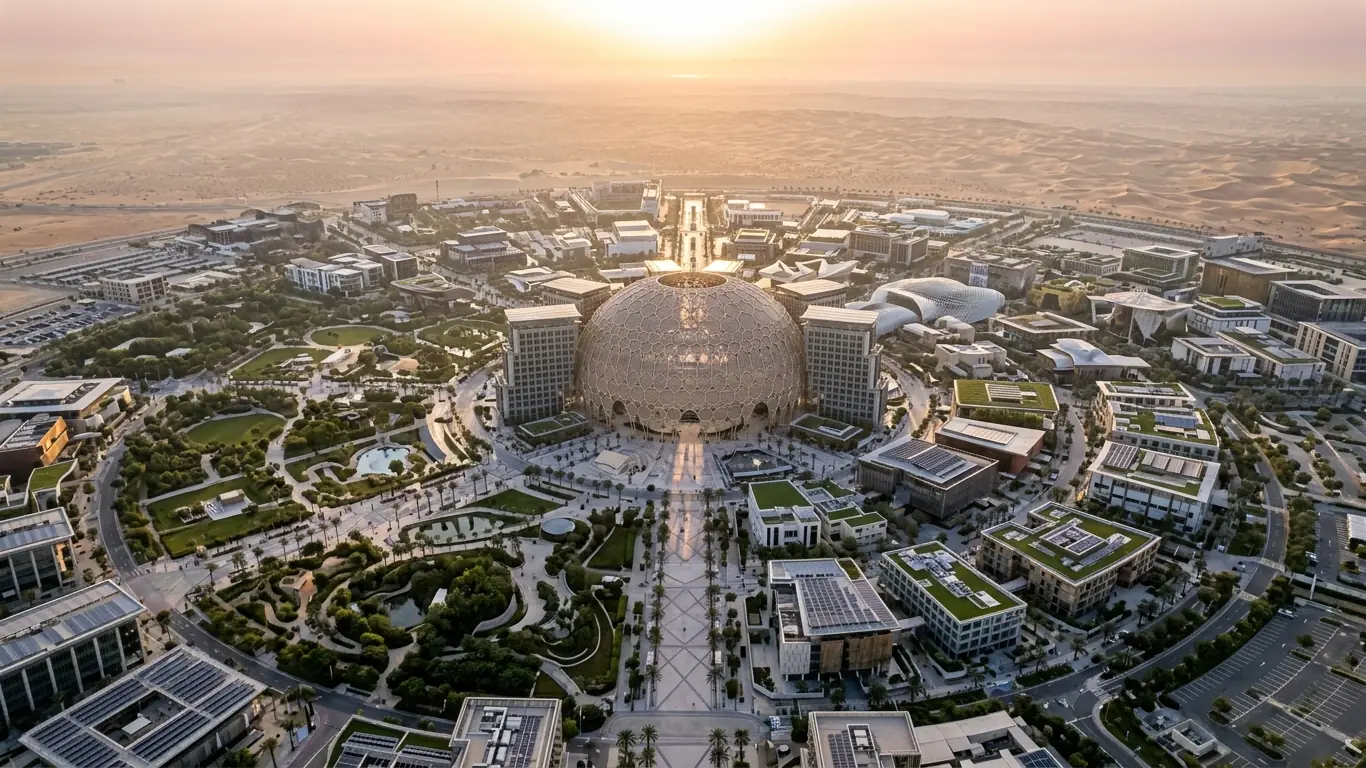
Expo City Proximity and the Dubai Real Estate Market
Expo City in Dubai and the property market around it: demand, price drivers, infrastructure, investment opportunities and risks such as oversupply.
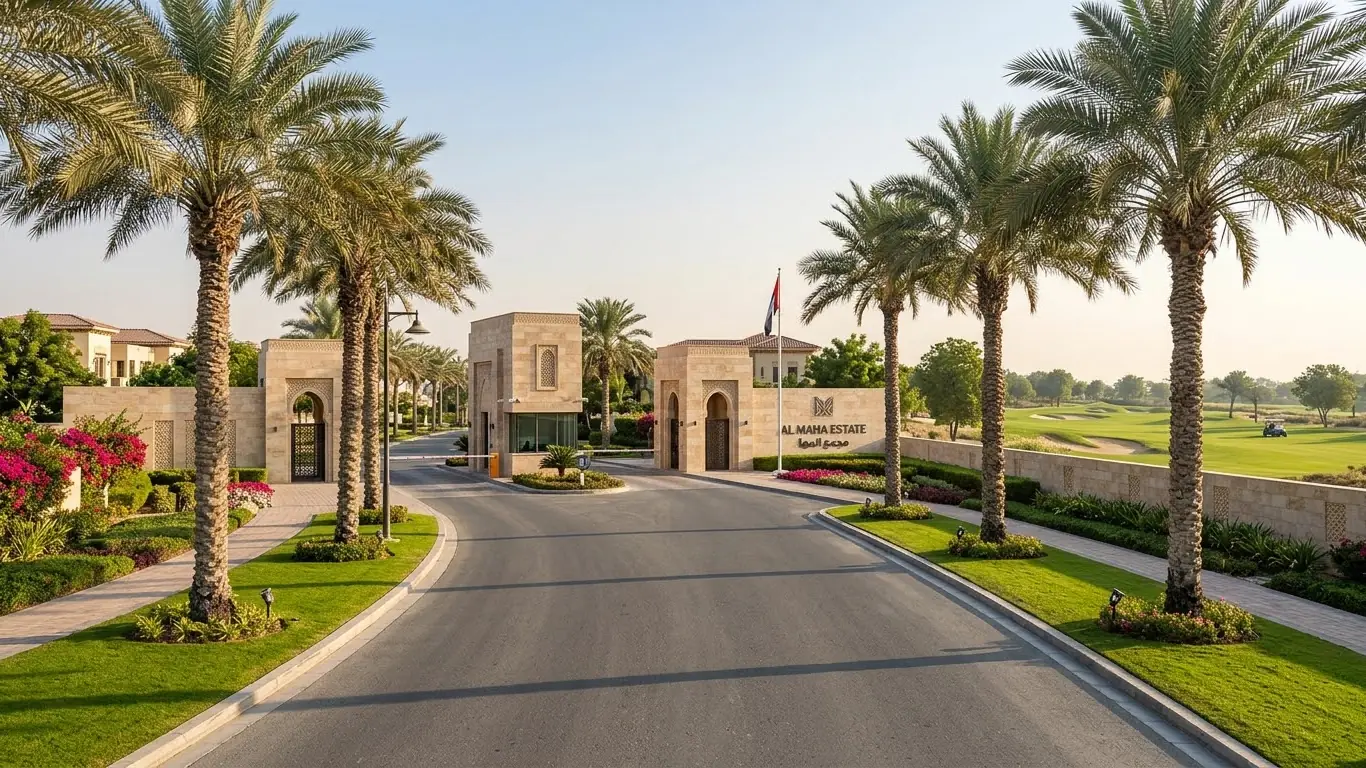
Exclusive Gated Communities in Dubai: Privacy and Security
Gated communities in Dubai: how privacy, security, amenities, technology and cost shape everyday life and property values in these exclusive enclaves.