Buying and Renovating in Monaco: Key Considerations
Buying and renovating property in Monaco: regulations, budget and financing, the renovation team, permits, heritage, sustainability and resale value.
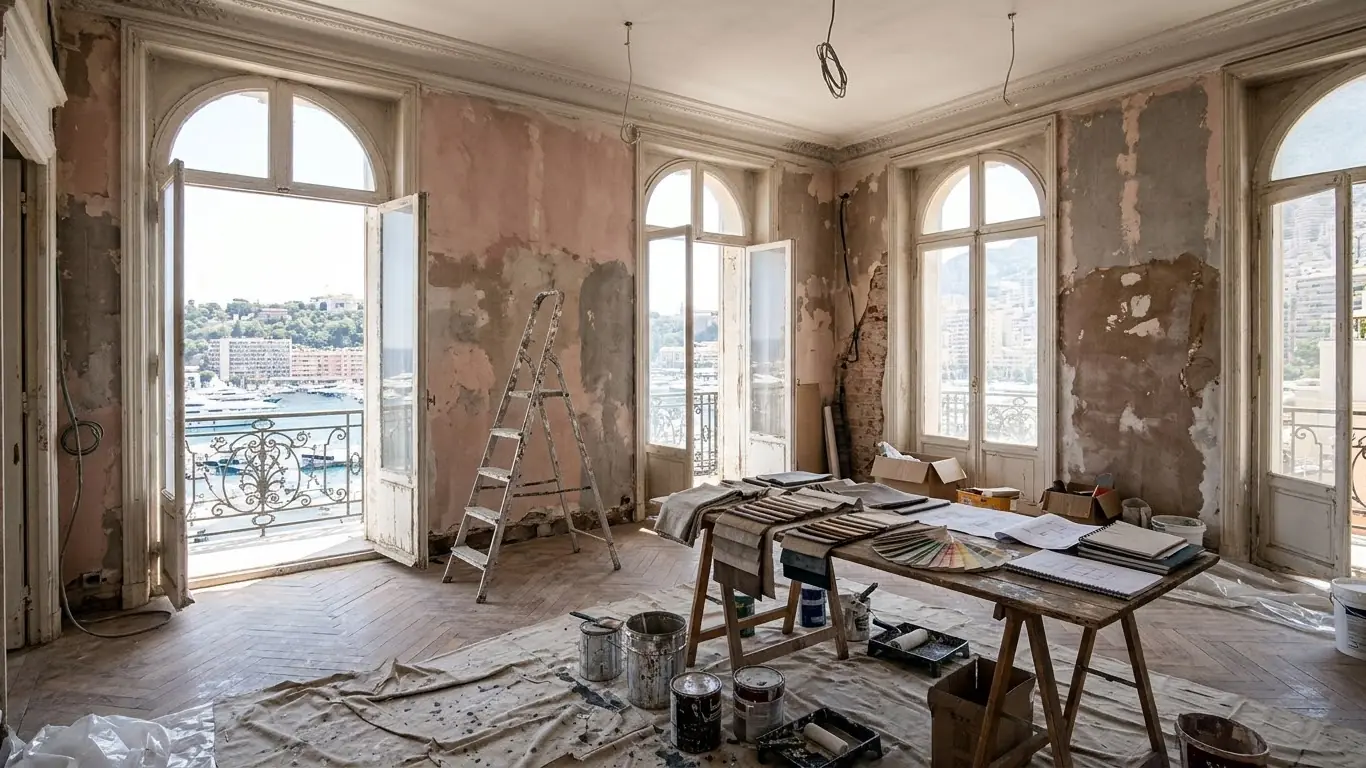

Monaco is a tiny yet opulent city-state on the French Riviera, known for its Mediterranean coastline, its luxurious lifestyle and its appeal to wealthy residents. Spanning just 2.02 square kilometers, it is one of the smallest countries in the world, bordered by France on three sides and the Mediterranean Sea on the fourth.
Natural beauty, cultural richness and a robust economy supported by tourism, finance and real estate define Monaco. Investors and property renovators must navigate a complex set of regulations: the Principality has strict zoning laws and building codes designed to preserve its architectural heritage and maintain the quality of life for residents.
These regulations dictate everything from the height of buildings to the materials used in renovations, so they matter for anyone investing in property or undertaking renovation projects in this exclusive enclave. Engaging local authorities early helps clarify them and ensure compliance, which makes for a smoother renovation.
Key Takeaways
- Location and Regulations:
- Check regulations and zoning laws before buying a property for renovation.
- Consider the neighborhood and proximity to amenities when choosing a location.
- Budget and Financing:
- Draw up a detailed budget covering renovation costs, permits and unexpected expenses.
- Explore financing options such as renovation loans or home equity lines of credit.
- Finding a Renovation-Ready Property:
- Look for properties with good bones and potential for improvement.
- Consider the condition of the property, including structural integrity and existing features.
- Hiring a Renovation Team:
- Interview contractors, architects and designers and check references before hiring.
- Communicate your vision and expectations clearly to the team.
- Permits and Planning Permission:
- Obtain all necessary permits and planning permission before work begins.
- Consult local authorities and professionals to ensure compliance.
- Cultural and Architectural Considerations:
- Respect the cultural and architectural heritage of the property and surrounding area.
- Incorporate local design elements and materials where appropriate.
- Environmental Impact:
- Prioritize sustainable, eco-friendly renovation practices.
- Weigh the environmental impact of materials, energy usage and waste management.
- Resale Value and Return on Investment:
- Keep resale value in mind when making renovation decisions.
- Real estate professionals help gauge the potential return on investment of the renovated property.
Budget and Financing
Factors Influencing the Budget
The size of the property, the extent of the renovations and the quality of the materials all have a significant impact on the overall budget. Thorough market research into current property values and renovation costs in Monaco gives a clearer picture of what to expect.
Financing Options in Monaco
Financing options in Monaco can be limited compared with other countries because of unique banking regulations and the high value of properties. Many banks require substantial down payments, often ranging from 20% to 50% of the value of the property, and interest rates may be higher than those typically found elsewhere in Europe.
Seeking Professional Advice
Financial advisors who specialize in the Monaco real estate market can help explore financing avenues, including mortgages from local banks or private lenders, and keep the renovation project financially viable.
Finding a Renovation-Ready Property
Finding a suitable property takes a keen eye and an understanding of the local market dynamics. Monaco offers historic buildings with character as well as modern apartments with cutting-edge amenities, but not every property has the same renovation potential.
Buyers should look for properties with good structural integrity that need cosmetic updates or functional improvements. This approach preserves the architectural charm of Monaco and supports return on investment. A knowledgeable real estate agent who specializes in Monaco can streamline the search.
Such agents know the local market and can identify properties that meet specific renovation criteria. They can also point to neighborhoods experiencing growth or revitalization, which may offer better opportunities for future appreciation, and so help investors make informed decisions aligned with their renovation goals and financial objectives.
Hiring a Renovation Team
A competent renovation team is crucial to the success of any project in Monaco. The local construction industry is known for high standards and quality craftsmanship, so professionals should be familiar with these expectations. The team typically includes architects, contractors, interior designers and specialized tradespeople who bring your vision to life within local regulations.
Thorough interviews and reference checks confirm experience with similar projects in Monaco. A well-rounded team combines technical skill with an understanding of the unique challenges of renovating in this exclusive locale, and effective communication keeps the project on track and within budget.
Permits and Planning Permission
The permitting process can be one of the most challenging parts of a renovation in Monaco. The Principality has stringent regulations to protect its architectural heritage and aesthetic appeal, and before any work begins, owners must obtain the necessary permits from local authorities, which can involve extensive documentation and compliance with specific guidelines.
The application typically requires detailed plans, including architectural drawings and specifications for materials. An architect or project manager familiar with the permitting process in Monaco helps keep documentation complete and accurate. Delays can significantly affect timelines and budgets, so starting early is essential.
Cultural and Architectural Considerations
The cultural heritage and distinctive architectural style of Monaco shape any renovation within its borders. The city-state blends influences from various periods, including Belle Époque, Art Deco and contemporary designs, so renovations must respect this diversity and local guidelines that protect historical buildings.
Elements that reflect the cultural identity of Monaco can be incorporated into renovation plans, such as traditional materials or design motifs that resonate with the local aesthetic. Understanding the historical significance of certain neighborhoods or buildings informs design choices that enhance rather than detract from their character.
Environmental Impact
Sustainability matters in renovation projects, particularly in Monaco, where space is at a premium and natural resources are limited. Property owners should explore energy-efficient upgrades, such as installing solar panels or using sustainable building materials that minimize environmental impact.
Green spaces can raise both aesthetic appeal and ecological value. Rooftop gardens or vertical green walls contribute to biodiversity, improve air quality and give residents much-needed outdoor space in an urban environment, and sustainability also appeals to an increasingly eco-conscious market.
Resale Value and Return on Investment
Increased resale value and return on investment (ROI) are primary motivations for renovating in Monaco. The real estate market of the city has historically demonstrated resilience and growth, though a favorable ROI requires careful planning and execution throughout the renovation process, and past performance does not guarantee future results.
To support resale value, owners should focus on high-quality finishes and modern amenities that appeal to prospective buyers while remaining true to the architectural character of Monaco. Real estate professionals who follow the market closely can say which features buyers currently seek.
More from Monaco
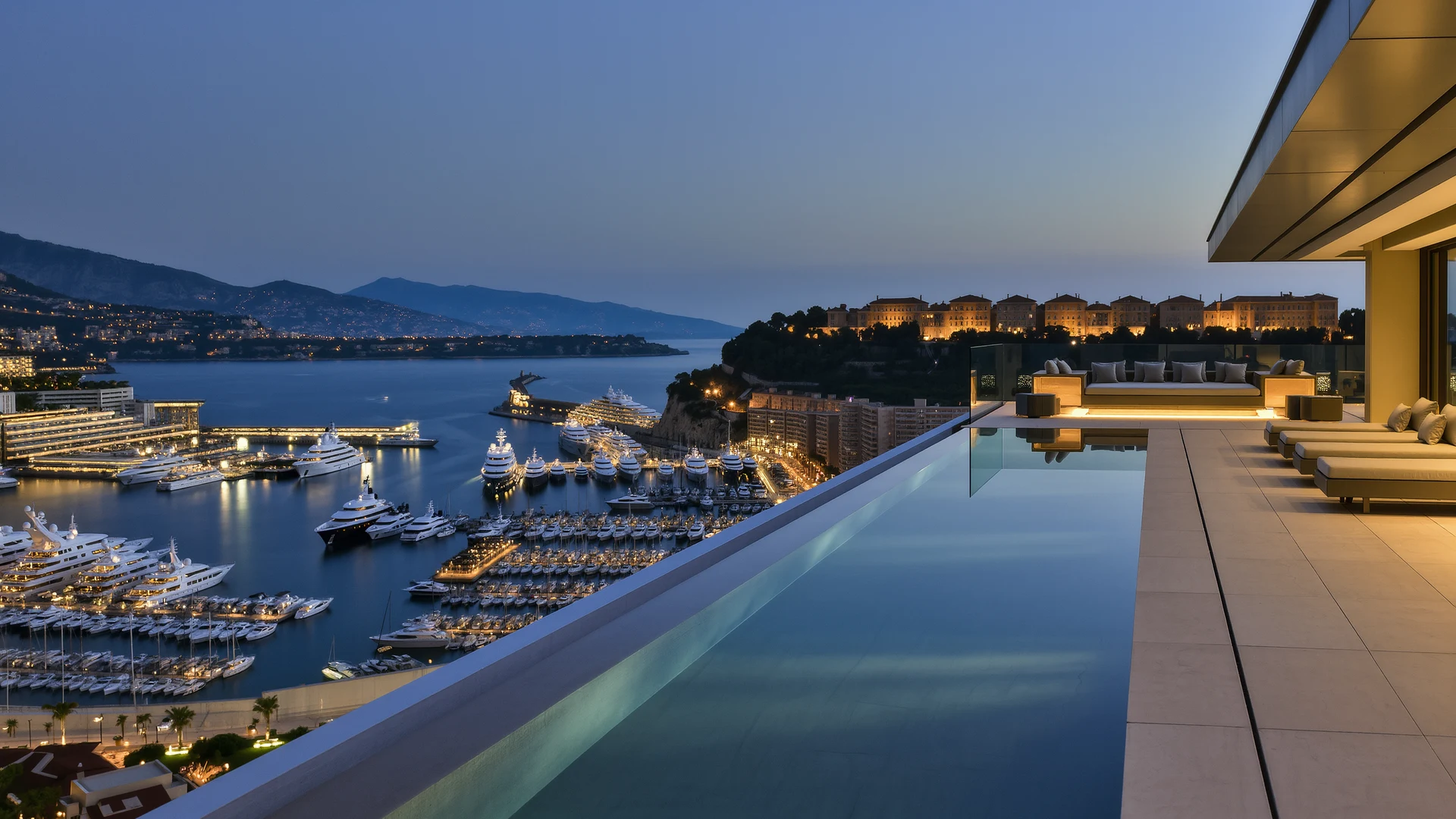
Monaco Property Investment: Prices, Costs, Residency
Monaco property investment: prime prices above €100,000 per square meter, tax treatment, residency rules, transaction costs of 9 to 11 percent and yields.
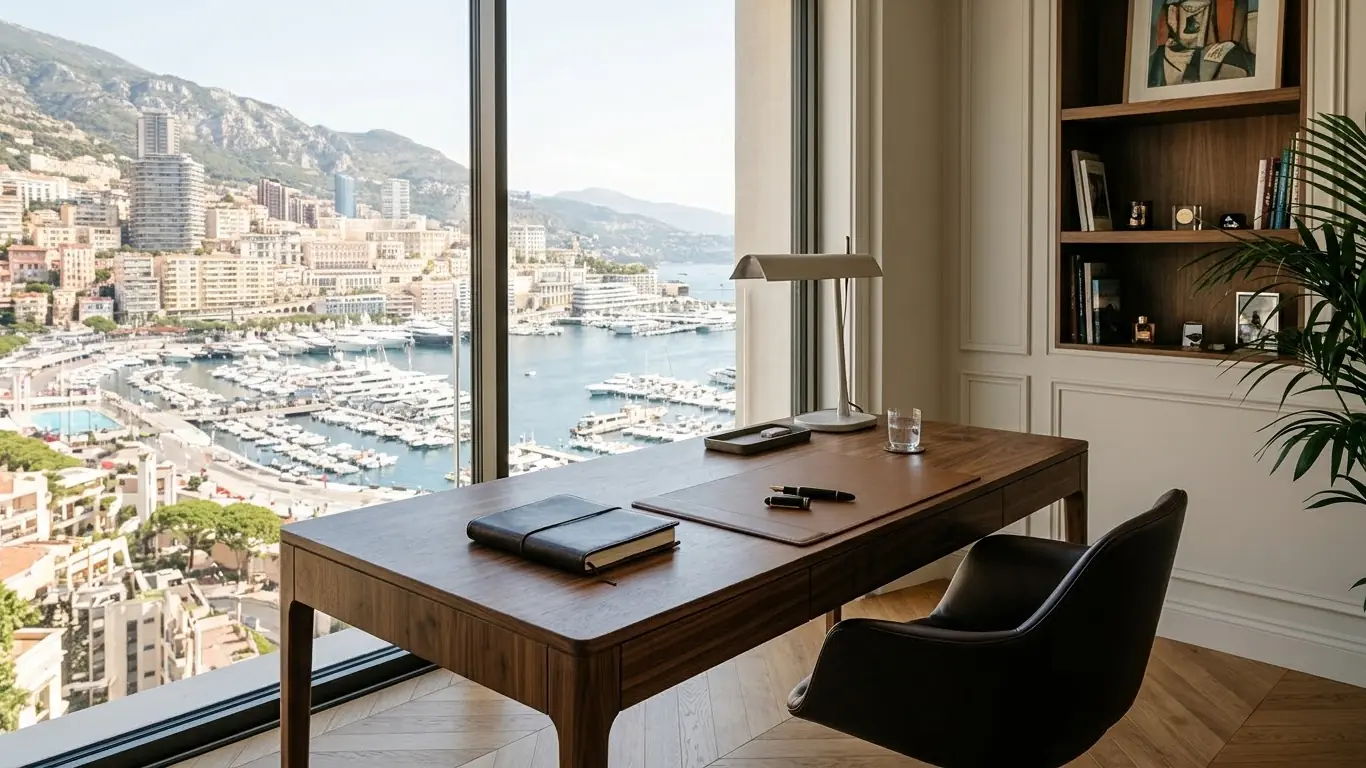
Monaco Luxury Property Market: The Effect of Home Offices
Monaco luxury property market: how home offices, wellness features, smart technology and new buyer profiles shape demand, prices, design and agency work.
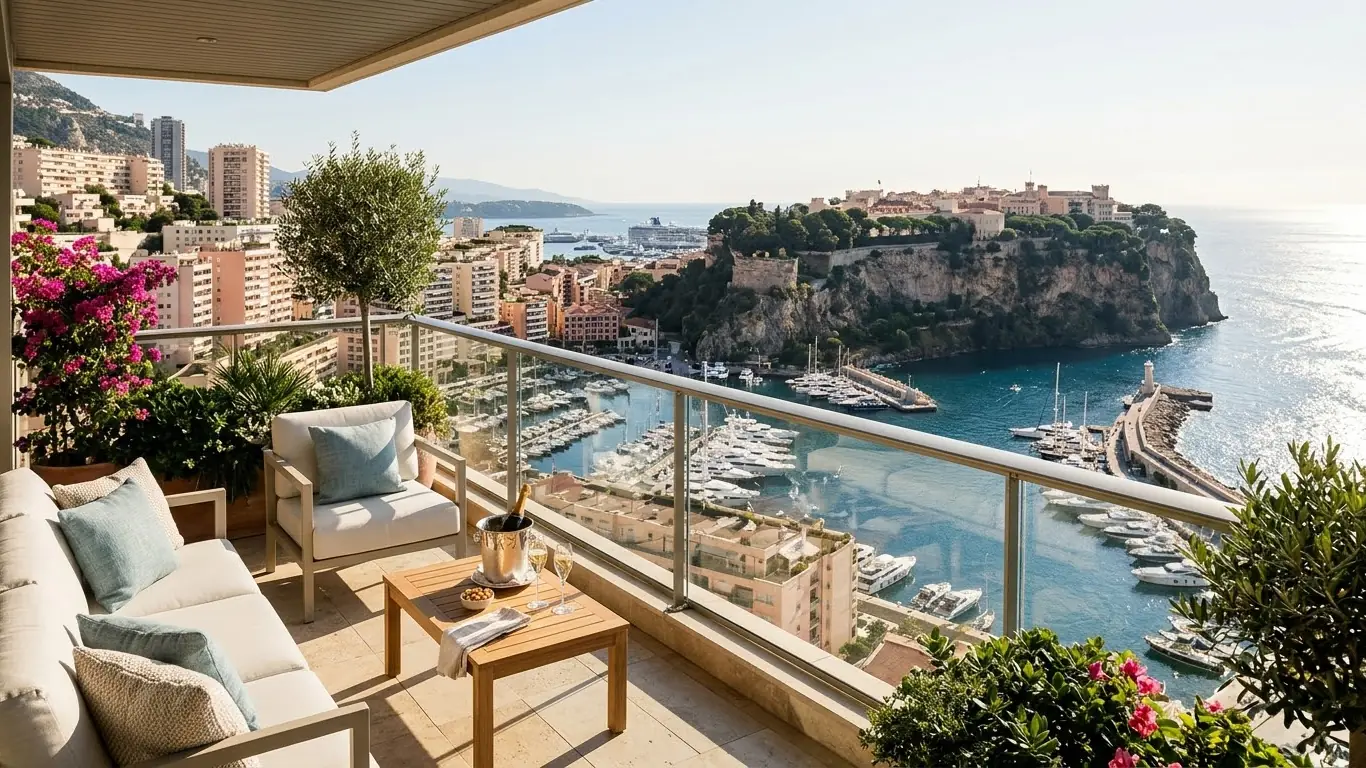
Attracting International Buyers for Your Property
Reaching international property buyers takes market knowledge, online visibility, local expertise, presentation, flexible payment and multilingual support.