Buying Property in Monaco: A First-Time Buyer’s Guide
Buying property in Monaco as a first-time buyer: market, districts, property types, legal and financial points, taxes and fees, and the purchase process.
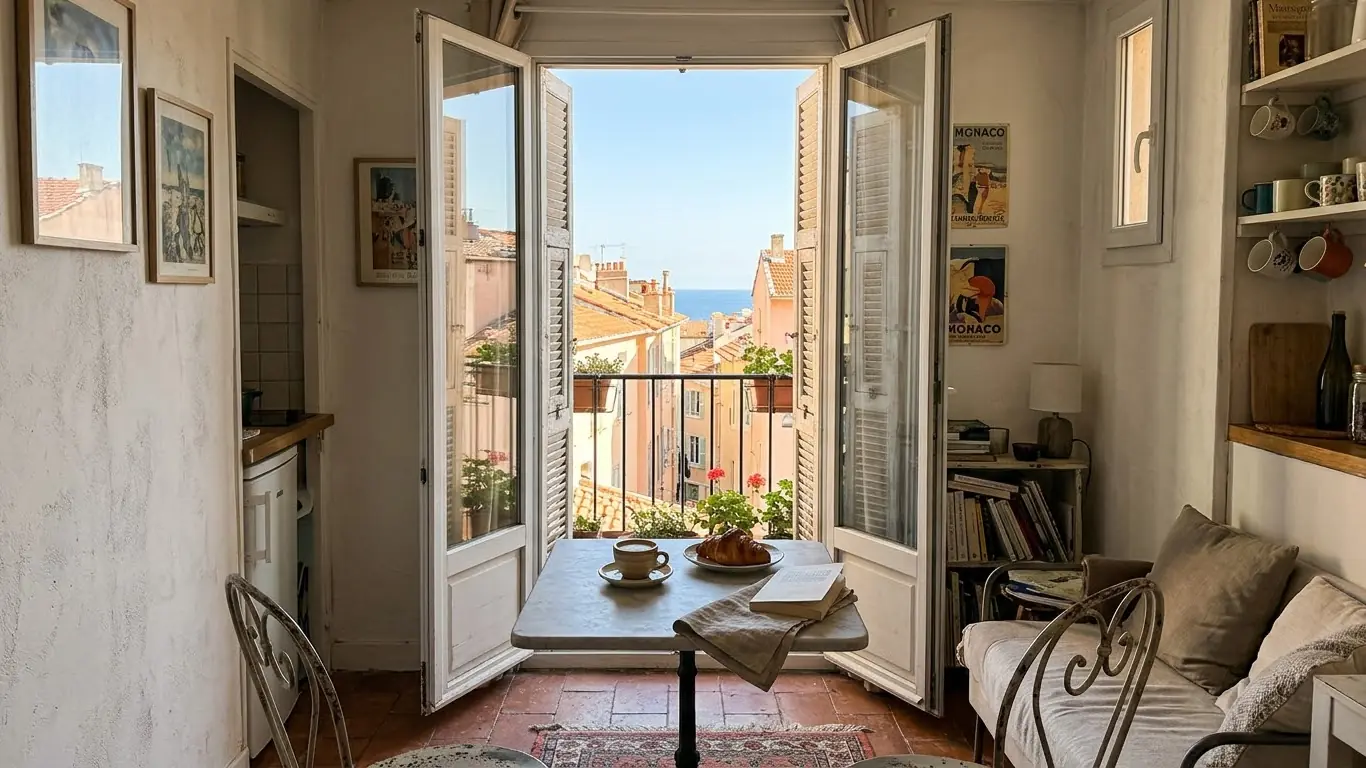

Monaco, a small principality on the French Riviera, is known for opulence and exclusivity. Its real estate market is one of the most expensive in the world and attracts affluent buyers from across the globe. Mediterranean views and a luxurious lifestyle draw them, and so does the principality’s tax regime, which appeals to high-net-worth individuals. This guide covers legal and financial points, districts, property types, the purchase process, taxes, and tips for first-time buyers.
Demand in this small enclave has consistently outstripped supply, which has pushed prices up and made the market competitive. Historic buildings stand beside modern developments, and the limited land area makes vertical construction common. Many properties offer views of the sea and the surrounding landscape.
Buyers therefore need to follow market trends and fluctuations closely to decide on solid ground.
Key Takeaways
- High demand and limited supply keep Monaco property prices high and the market competitive
- Residency requirements, taxes, and financing options shape the legal and financial side of a purchase
- Each neighborhood offers different amenities, views, and lifestyle options, so location matters
- Properties range from luxury apartments and penthouses to townhouses and villas, each with its own features
- Strict regulations apply, including residency permit rules and set procedures for transactions
Legal and Financial Considerations for Buying Property in Monaco
The legal and financial side of a purchase in Monaco can be complex, particularly for foreign buyers. The first step is to understand the legal framework for real estate transactions in the principality. Monaco has specific regulations on property ownership, and buyers need to know them to ensure compliance.
Foreigners may buy property in Monaco but must follow certain guidelines, including a residency permit if they plan to live there. The price of the property is only one cost: notary fees, registration taxes, and possible renovation costs come on top.
Financial advisors who specialize in Monaco’s real estate market can explain the financial implications of an investment. That helps buyers budget effectively and avoid unexpected burdens.
Choosing the Right Location in Monaco
The right location within Monaco shapes both everyday enjoyment and investment potential. The principality is divided into several districts, each with its own character. Monte Carlo stands for luxury and glamour, with high-end boutiques, fine dining, and the iconic Casino de Monte-Carlo.
Properties in Monte Carlo tend to command premium prices because of the prestigious address and the proximity to world-class amenities. La Condamine is more relaxed while staying close to the busy heart of Monaco; its vibrant market and waterfront promenade make it attractive for families and for those who prefer a laid-back lifestyle.
Fontvieille is a newer district with modern developments and green spaces, which appeals to buyers who want contemporary living. Understanding the nuances of each neighborhood helps buyers choose a place that fits their lifestyle preferences and investment goals.
Types of Properties Available in Monaco
The offer spans opulent penthouses with panoramic sea views and charming apartments in historic buildings. Luxury condominiums are particularly popular among buyers who want modern amenities and high-end finishes.
Many of these developments offer concierge services, swimming pools, and fitness centers. Historic villas and townhouses suit buyers who prefer tradition: they often come with unique architectural details and spacious gardens, and offer a degree of privacy that is hard to find in urban settings.
Some buyers also consider commercial properties or rental units as part of a portfolio strategy. Demand for rental accommodation in Monaco is high, which can make such a property a source of income alongside the benefits of ownership.
The Process of Buying Property in Monaco
The purchase follows several key steps. Buyers usually begin with a reputable real estate agent who specializes in the Monaco market and can advise on available properties, market trends, and negotiation strategy.
Once a suitable property is found, buyers typically make an offer through their agent, who communicates with the seller. After acceptance, a preliminary contract sets out the terms of the sale. It usually requires a deposit, which is held in escrow until the transaction is finalized.
Buyers then carry out due diligence, including property inspections and legal checks, to confirm that no issues are outstanding. Once all conditions are met, the final contract is signed before a notary public and ownership is officially transferred.
Taxes and Fees Associated with Buying Property in Monaco
Tax-Free Living in Monaco
Monaco levies no personal income tax on residents, which appeals to wealthy individuals who want to minimize their tax liabilities.
Taxes and Fees Associated with Property Transactions
Property transactions still carry taxes and fees. Buyers are typically responsible for notary fees, which can range from 1% to 2% of the purchase price. A registration tax also applies and varies depending on whether the property is new or existing; it can be around 4% for existing properties and lower for new developments.
Factoring in Additional Costs
Buyers should include these costs in the overall budget to avoid surprises during the purchase.
Working with Real Estate Agents in Monaco
A knowledgeable real estate agent improves the buying experience in Monaco considerably. Agents know the local market dynamics, help identify suitable properties, assist with negotiations, and make sure all legal requirements are met.
A proven track record and positive client testimonials should guide the choice of agent. Agents who specialize in the desired property type or location give tailored advice. Clear communication from the outset supports a productive working relationship and a successful acquisition.
Tips for First-Time Buyers in Monaco
Preparation is key for first-time buyers in this competitive market. Thorough research into market trends and property values should come before any commitment. Knowing what fair pricing looks like for different property types strengthens a buyer’s position in negotiations and protects against overpaying.
A clear budget should cover all costs beyond the purchase price: taxes, fees, maintenance costs, and potential renovation expenses. A comprehensive financial plan lets first-time buyers start the search with confidence and clarity.
Certain areas are more desirable for their prestige or amenities, but lesser-known districts can offer attractive options at more accessible price points. Experienced professionals such as real estate agents and legal advisors provide essential support throughout the process and help first-time buyers decide on solid ground.
More from Monaco
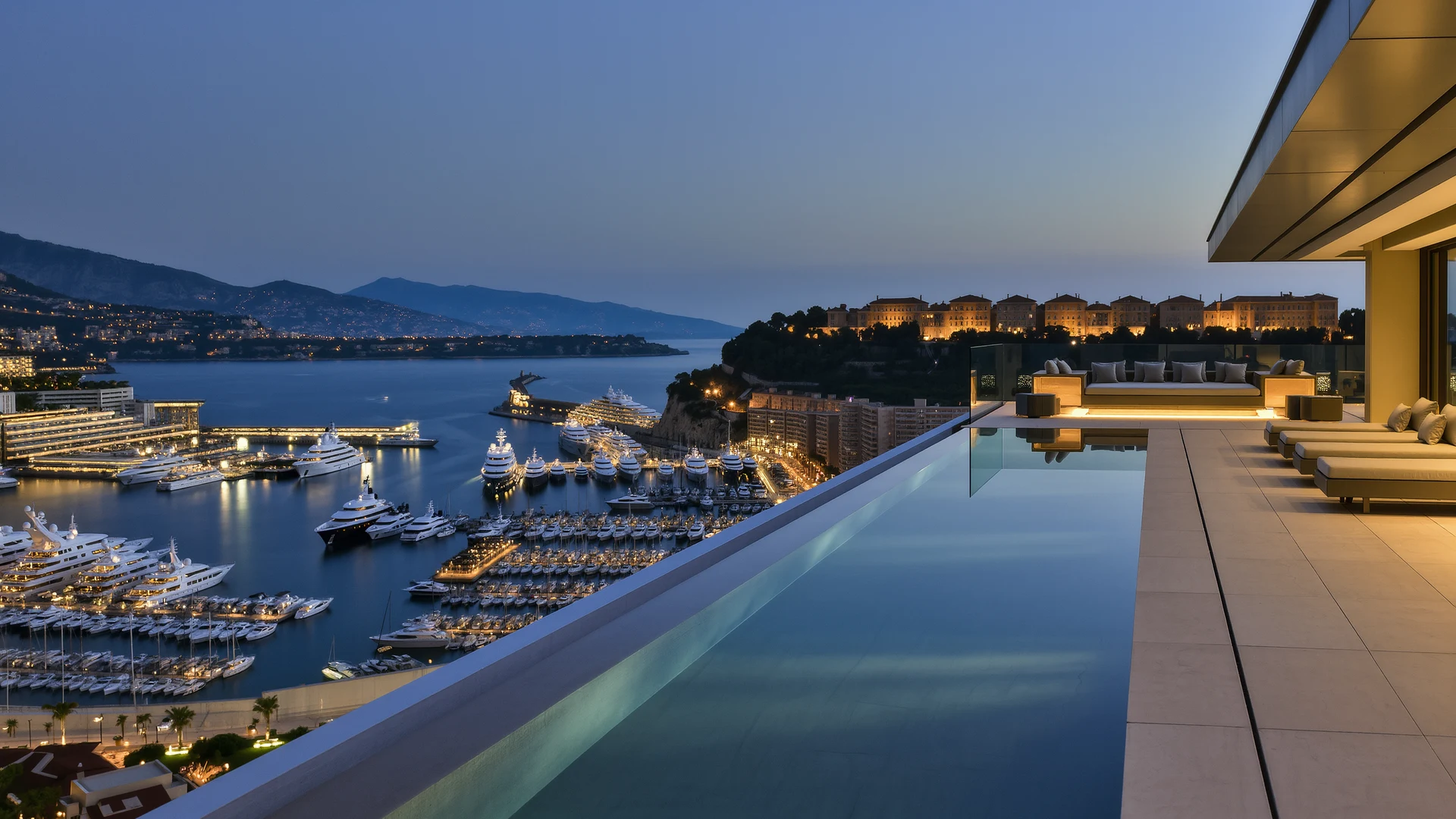
Monaco Property Investment: Prices, Costs, Residency
Monaco property investment: prime prices above €100,000 per square meter, tax treatment, residency rules, transaction costs of 9 to 11 percent and yields.
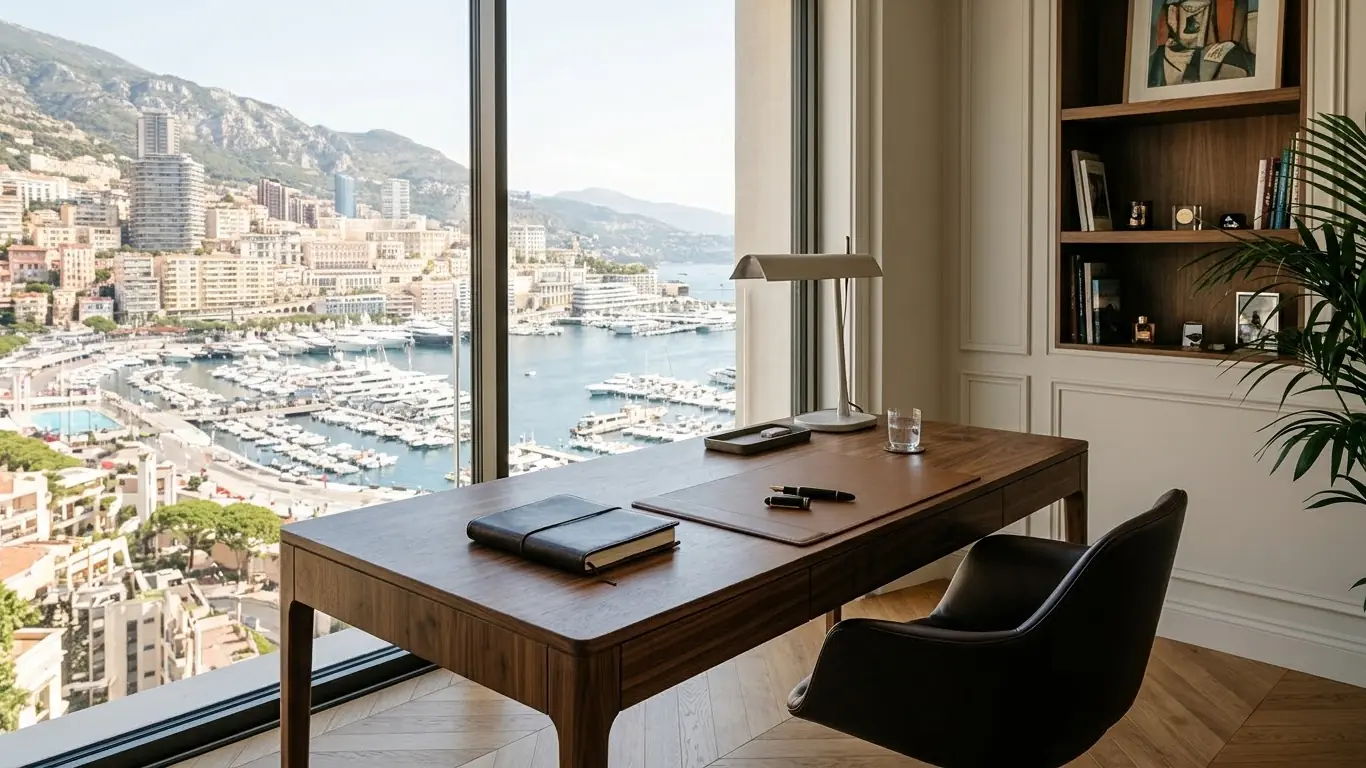
Monaco Luxury Property Market: The Effect of Home Offices
Monaco luxury property market: how home offices, wellness features, smart technology and new buyer profiles shape demand, prices, design and agency work.
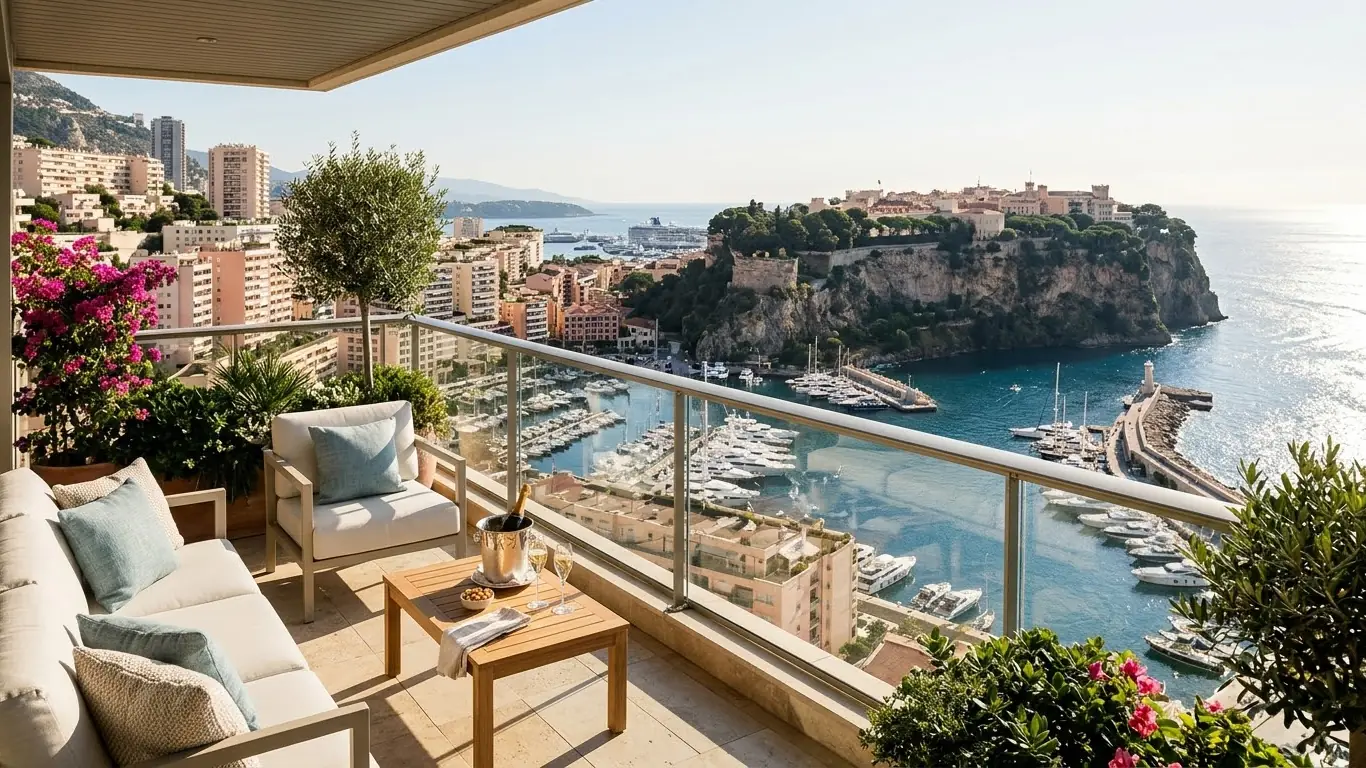
Attracting International Buyers for Your Property
Reaching international property buyers takes market knowledge, online visibility, local expertise, presentation, flexible payment and multilingual support.