Dubai Property Location: What Shapes Value and Rent
In Dubai, location shapes property value, rental income, access to amenities and appreciation. A look at the districts and the infrastructure behind them.
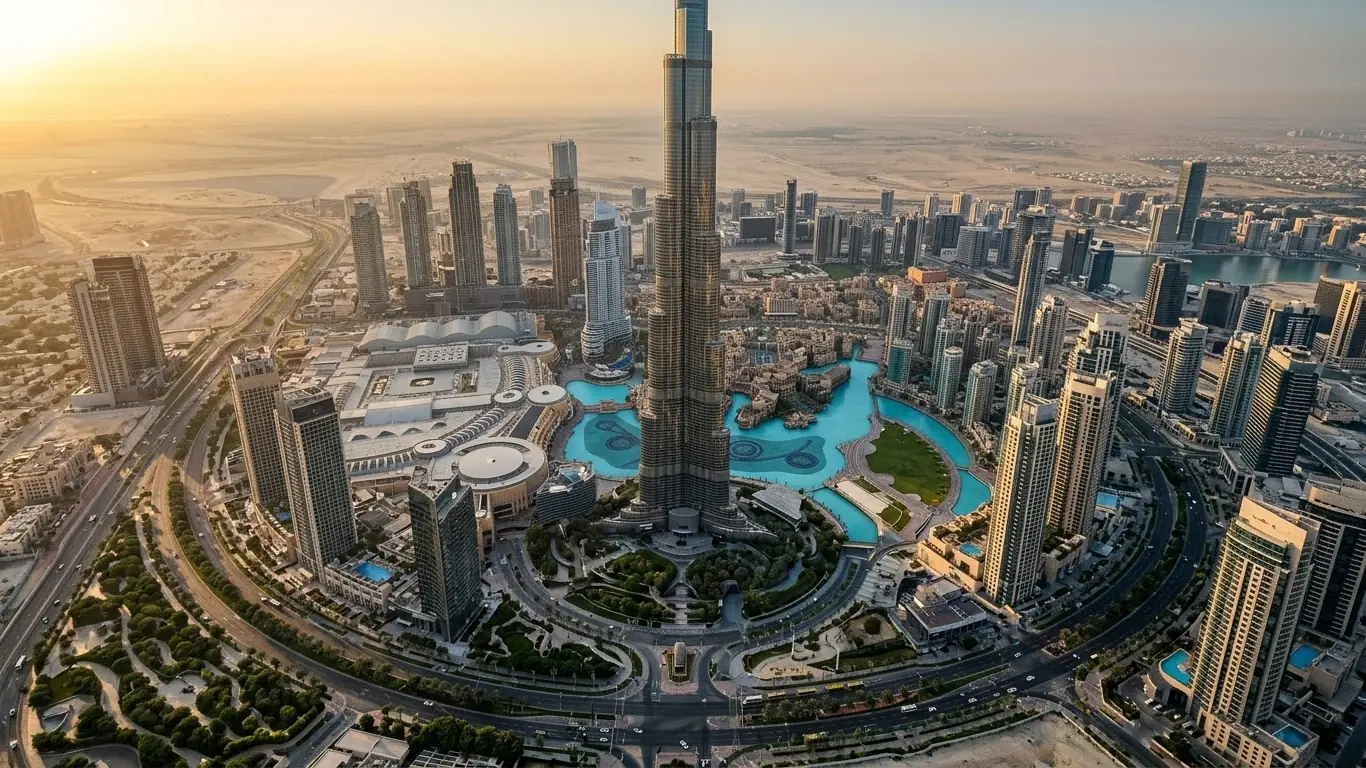

Location is among the most influential factors in a property’s value, and in Dubai’s dynamic and diverse market it carries particular weight. Prime areas, with waterfront views or proximity to major attractions, tend to command higher prices.
Desirability drives this effect, and it depends on accessibility, neighborhood reputation and the wider economic landscape. Areas such as Downtown Dubai or Dubai Marina are regarded as prestigious and attract affluent buyers and investors who pay a premium for lifestyle and convenience. Yet the impact of location reaches beyond aesthetics and prestige.
It is tied to the economic activity around an area. Locations near business hubs or commercial centers often see rising values, because professionals want to live close to work. Properties in less desirable areas may struggle to hold their value, particularly where services or infrastructure are lacking.
Key Takeaways
- Location shapes value, with proximity to schools, transportation and amenities playing a central part.
- Areas closer to business districts and popular attractions can command higher rents.
- Access to amenities and services varies by area: some neighborhoods offer a wide range of facilities, others fewer options.
- Areas undergoing development and infrastructure improvements often see higher appreciation.
- For residential locations, proximity to schools, healthcare facilities and recreational areas deserves careful evaluation.
Location and Rental Income Potential
Location also determines rental income potential. Areas with high rental demand can yield better returns, and neighborhoods such as Jumeirah Beach Residence (JBR) and Business Bay appeal to expatriates and tourists alike, which supports a robust rental market.
A steady influx of residents and visitors sustains demand, allowing landlords to charge competitive rates and maintain consistent occupancy. Amenities nearby matter as well: properties close to schools, shopping centers and recreational facilities attract families and professionals who value convenience.
Rental yields may therefore be higher here than in more isolated or less developed neighborhoods, which makes the link between location and rental income worth weighing carefully in Dubai’s evolving market.
Amenities and Services Across Dubai
The availability of amenities and services influences both property values and rental income in Dubai.
Dubai Marina, for example, offers waterfront views along with an array of dining options, entertainment venues and leisure activities.
This abundance enhances the living experience and makes such locations highly sought after. Public transportation matters too: areas well served by metro stations or bus routes draw tenants who value an easy commute.
Properties near the Dubai Metro line suit professionals who work in various parts of the city, as they reach major business districts without traffic congestion. For buyers and investors, location and access to amenities belong together.
Location and Property Appreciation
Appreciation is shaped by location as well. In Dubai’s rapidly developing landscape, certain areas have seen significant growth in property values over time, and areas undergoing urban development or revitalization often see rising demand as new infrastructure projects are completed.
Dubai South, for example, is being transformed into a community with residential, commercial and recreational spaces, which draws buyers and investors. Proximity to key landmarks or upcoming developments can also drive appreciation: properties near the Expo 2020 site have attracted heightened interest because of the event’s global exposure and anticipated long-term benefits for the area.
Residential Locations in Dubai
Several factors shape lifestyle and investment potential. The first is the demographic profile of an area: families may prefer quieter suburban areas with good schools and parks, while young professionals gravitate toward bustling urban centers with vibrant nightlife and entertainment. Safety and security come next. Areas with low crime rates and a strong sense of community appeal to buyers and renters alike. Proximity to essential services such as healthcare facilities and grocery stores further raises the desirability of a residential location.
Location and Commercial Property
For commercial properties, location matters just as much. Businesses thrive where foot traffic and visibility are high, and prime locations tend to attract more customers and revenue. Retail spaces in shopping districts such as The Dubai Mall or Mall of the Emirates benefit from a constant flow of visitors, which makes them sought after by retailers.
Proximity to key business hubs also influences success. Areas such as DIFC (Dubai International Financial Centre) are home to numerous financial institutions and corporate offices, which suits businesses seeking a thriving economic environment. For investors, how location affects commercial success is a central question in Dubai’s growing economy and diverse business landscape.
Infrastructure and Transportation
Infrastructure development shapes property locations in Dubai.
The expansion of the metro system, road networks and public transport has improved connectivity across the city and eases access to key destinations for residents and businesses.
Ongoing infrastructure projects can also raise property values over time. Areas set to benefit from new metro lines or major road upgrades often attract buyers and investors who anticipate future growth.
More from Dubai

Dubai Luxury Real Estate Guide: Prices, Taxes, Outlook
Dubai luxury real estate guide: prime addresses from Palm Jumeirah to Downtown, branded residences, tax, transaction costs, Golden Visa and the 2026 outlook.
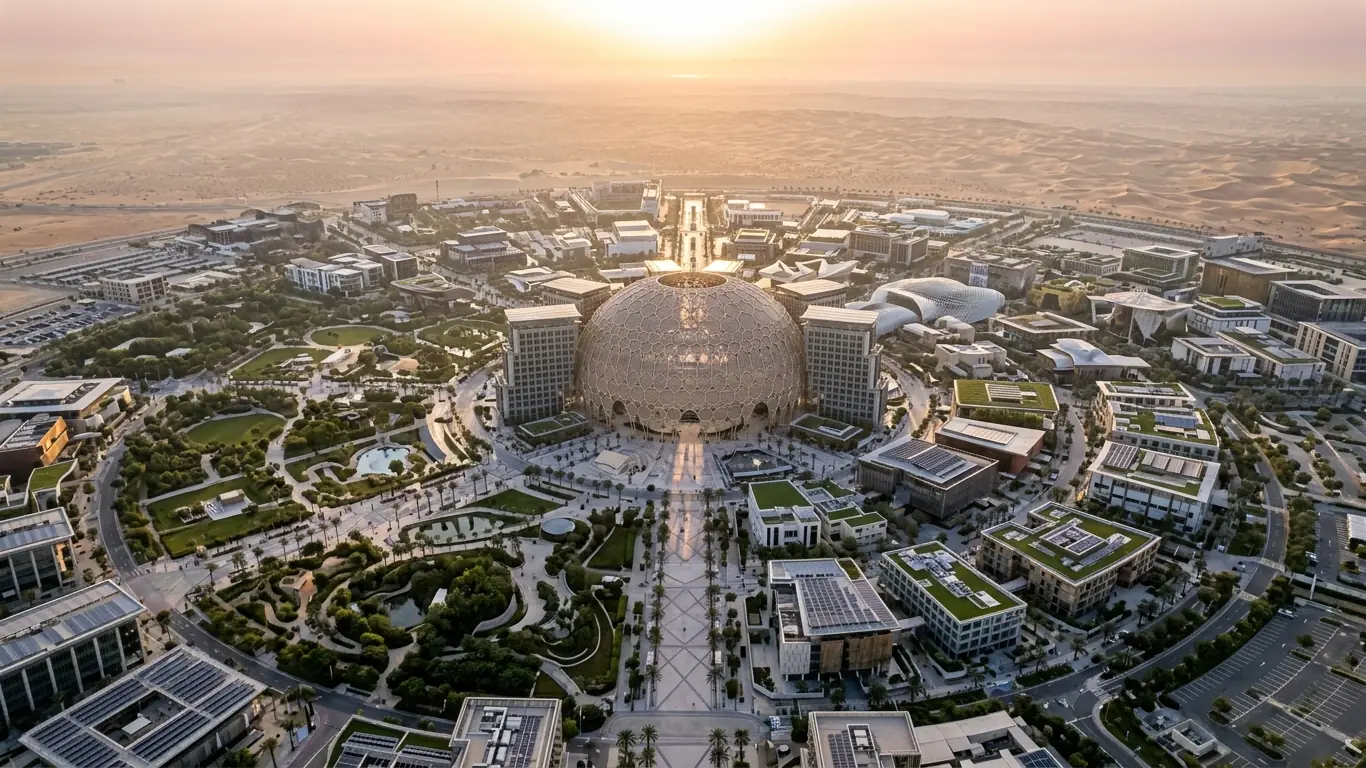
Expo City Proximity and the Dubai Real Estate Market
Expo City in Dubai and the property market around it: demand, price drivers, infrastructure, investment opportunities and risks such as oversupply.
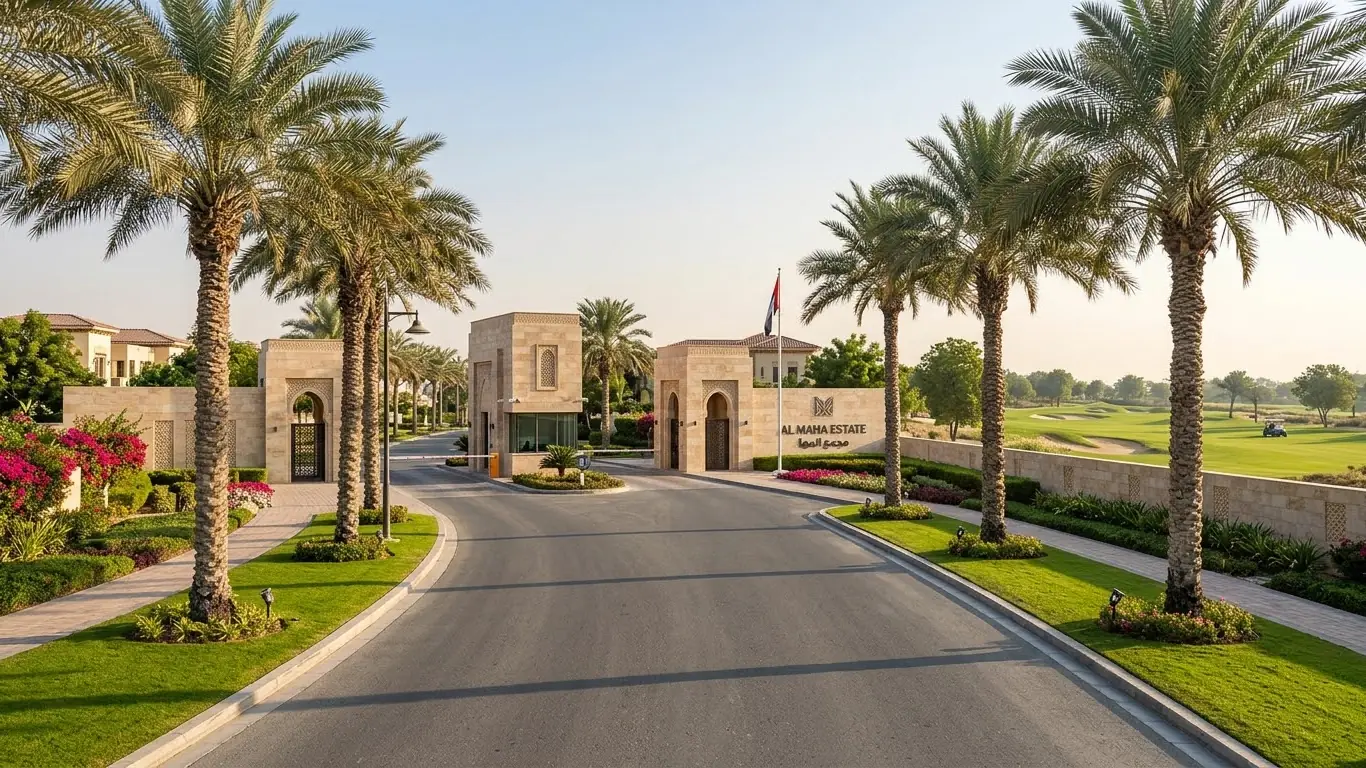
Exclusive Gated Communities in Dubai: Privacy and Security
Gated communities in Dubai: how privacy, security, amenities, technology and cost shape everyday life and property values in these exclusive enclaves.