Ibiza: How Cuisine and Culture Shape the Property Market
Cuisine and culture shape the property market in Ibiza: traditional dishes, festivals, farm-to-table living, culinary tourism, heritage and wellness.
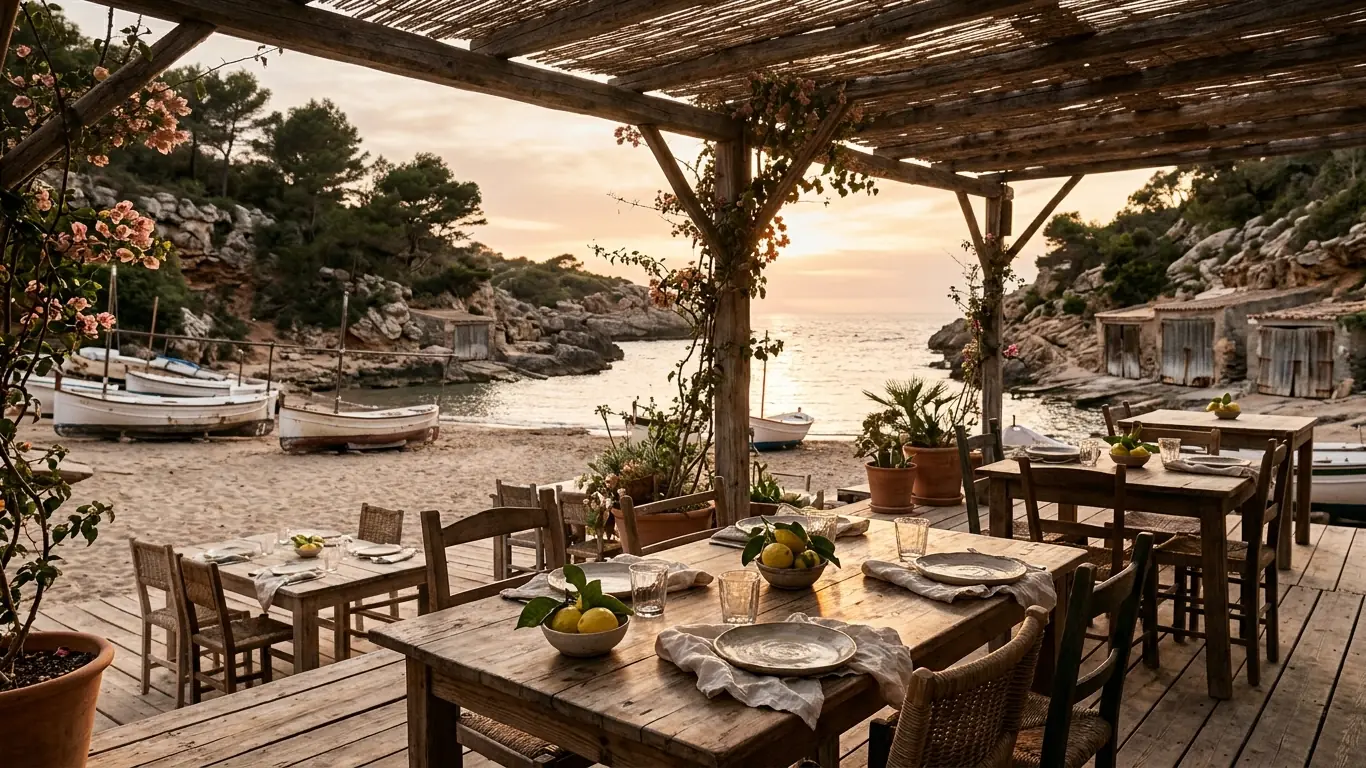

Ibiza is known for its nightlife and beaches, and as much for its culinary heritage and diverse culture. The island’s cuisine draws on its history, geography and the cultures that have influenced it over centuries. Traditional dishes feature fresh, locally sourced ingredients and reflect agricultural roots and the sea.
The “bullit de peix,” a fish stew, carries the flavors of the Mediterranean, and “sobrasada,” a cured sausage, shows the island’s artisanal traditions. The cultural landscape blends ancient traditions with modern influences. The island has long attracted artists, musicians and free spirits, and creativity flourishes here.
Festivals, art exhibitions and performances celebrate this cultural scene and draw locals and tourists alike. Visitors who enjoy the island’s cuisine also take part in its culture, an experience that goes beyond gastronomy.
Key Takeaways
- Ibiza’s cuisine reflects its cultural heritage and blends influences from Spain, the Mediterranean and beyond.
- Traditional cuisine shapes the property market, with demand for homes that offer authentic local dining.
- Festivals and celebrations influence demand, as buyers look for homes close to cultural events.
- The farm-to-table movement steers preferences toward properties with access to fresh, local produce.
- Gastronomy and culinary tourism affect investment, with interest in properties near renowned restaurants and food experiences.
Traditional Cuisine and the Property Market
Traditional cuisine shapes the lifestyle preferences of buyers and the types of properties in demand. Those who want the authentic Ibiza experience value proximity to local markets, traditional restaurants and culinary experiences. Areas with easy access to fresh produce and local delicacies, near charming villages and coastal towns, draw growing interest.
The emphasis on traditional cuisine also raises appreciation for properties that reflect the island’s architectural heritage. Rustic design, traditional stonework and outdoor spaces for dining resonate with buyers who value the connection between food and lifestyle. Older properties are being revitalized as investors see the potential to create culinary havens that honor Ibiza’s gastronomic roots while meeting modern sensibilities.
Festivals, Celebrations and Property Demand
Ibiza’s calendar is full of festivals and celebrations that show its cultural richness and influence property demand. Events such as the annual “Festa de Sant Joan” or the “Fira de Tardor” attract thousands of visitors each year and create a temporary surge in demand for short-term rentals and vacation homes. Owners often rent out their homes during these events, which raises interest in properties near festival venues. The celebrations also foster community and belonging among residents and visitors, and neighborhoods known for their festive spirit often see heightened demand from buyers who want to immerse themselves in local culture.
Neighborhoods that host popular events may see rising values as demand grows.
Farm-to-Table Living and Property Preferences
The farm-to-table movement has gained traction in Ibiza, part of a broader global turn toward sustainable living and conscious consumption. It has changed dining on the island and property preferences too: many buyers seek homes that match their values of sustainability and health, with gardens or space for growing organic produce.
As restaurants prioritize locally sourced ingredients, buyers are drawn to areas with easy access to farms and markets that support this ethos. Properties near organic farms or agricultural cooperatives are particularly sought after, since residents can engage directly with their food sources. This connection to the land enriches the lifestyle for those who prioritize health-conscious living.
Gastronomy and Culinary Tourism
Culinary tourism has become a significant driver of property investment in Ibiza. Food festivals, cooking classes and gourmet tours have positioned the island as a culinary destination for visitors eager to explore its flavors, and the influx has raised demand for vacation rentals and investment properties aimed at culinary travelers.
Investors see potential in areas known for their culinary appeal, and homes near popular restaurants or culinary hotspots draw those who want to benefit from food tourism. Whether such properties appreciate over time depends on how that demand develops.
Cultural Heritage and Property Values
Cultural heritage is vital to Ibiza’s identity and influences the property market as well as the cuisine. The island’s history shows in its architecture, traditions and local customs, which add to its allure as a place to live or invest. Properties that embody this heritage, through traditional design elements or historical significance, tend to command higher prices because of their character.
Buyers are drawn to neighborhoods that celebrate the island’s cultural legacy. Areas with preserved historical sites or vibrant artistic communities often attract heightened interest from those who want to immerse themselves in Ibiza’s culture. Properties with a connection to its heritage may see sustained demand.
Wellness and Property Choices
Wellness and health consciousness have gained weight among buyers in Ibiza. People who prioritize physical and mental well-being look for homes that promote a healthy lifestyle.
The emphasis on wellness reflects a broader movement toward holistic living. Buyers are interested in sustainable features such as energy-efficient designs and eco-friendly materials. This alignment with wellness values enhances the living experience and may support property values as more people look for homes that suit a health-conscious lifestyle.
More from Ibiza
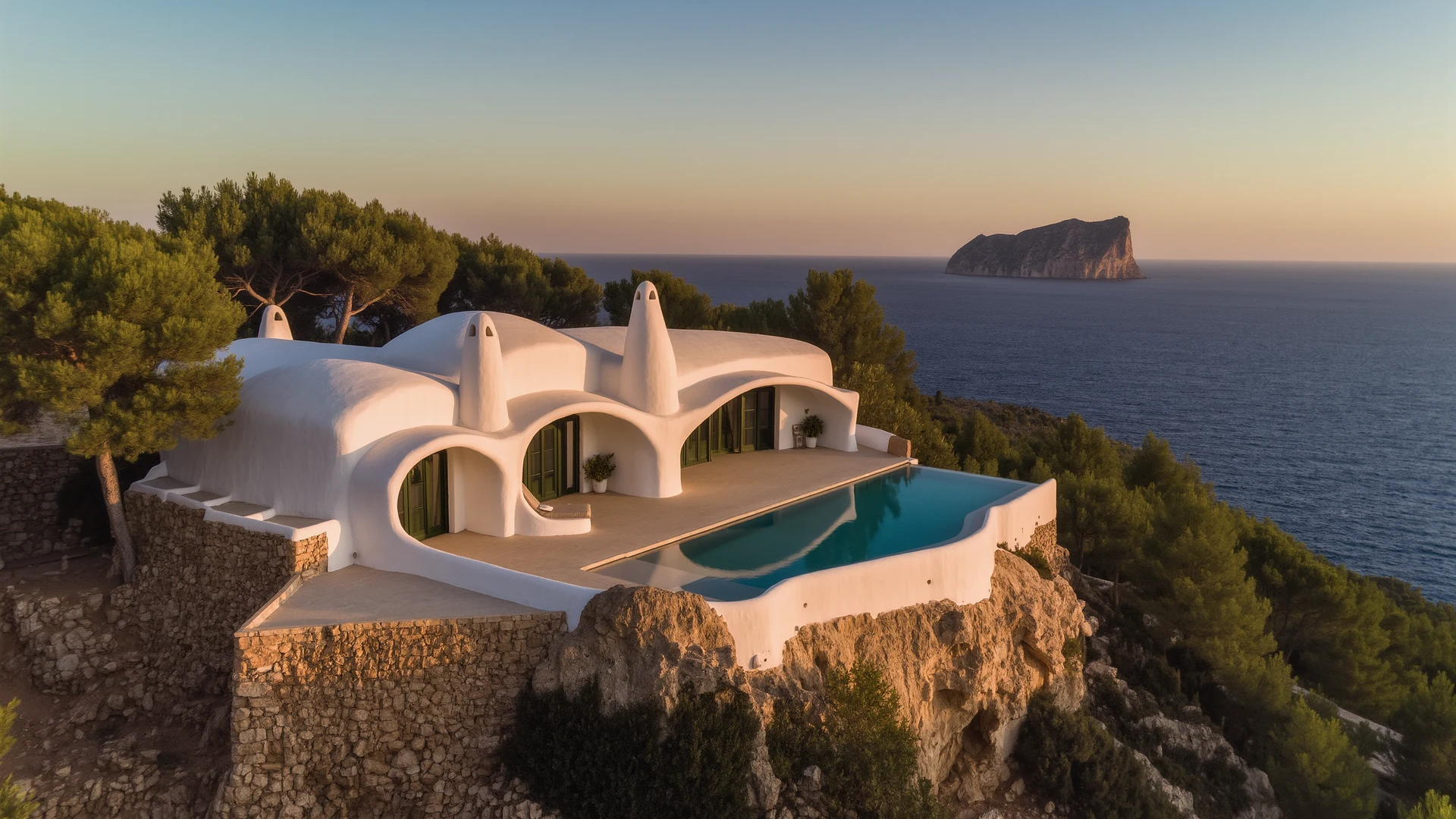
Ibiza Luxury Real Estate: Prices, Enclaves, Outlook
Ibiza luxury real estate guide: 1.4 billion euros in 2025 sales, prime prices up 7.5% yearly, top enclaves, villa rentals, architecture and the tax framework.
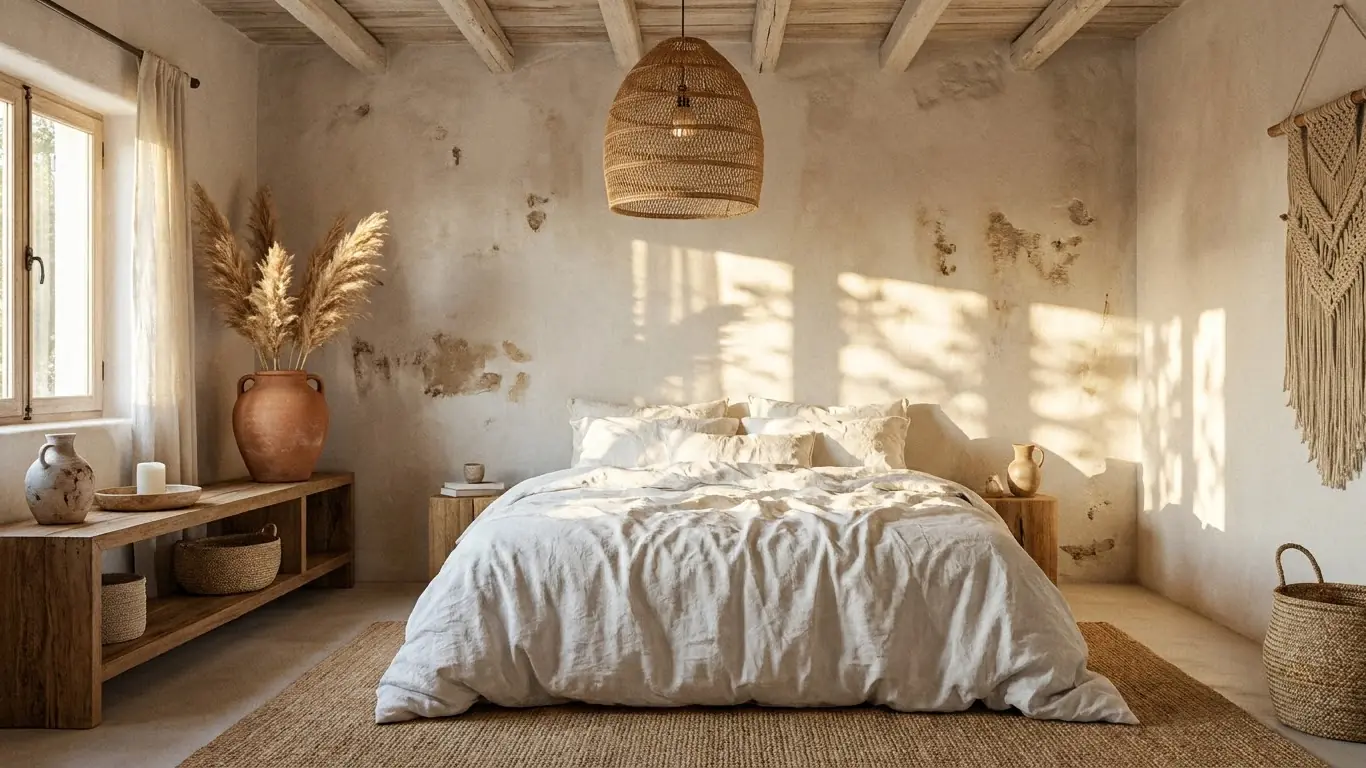
Home Staging in Ibiza: Effect on the Sale Price
Home staging in Ibiza: how atmosphere, key features, outdoor spaces, local design, layout and a professional stager shape buyer appeal and the sale price.
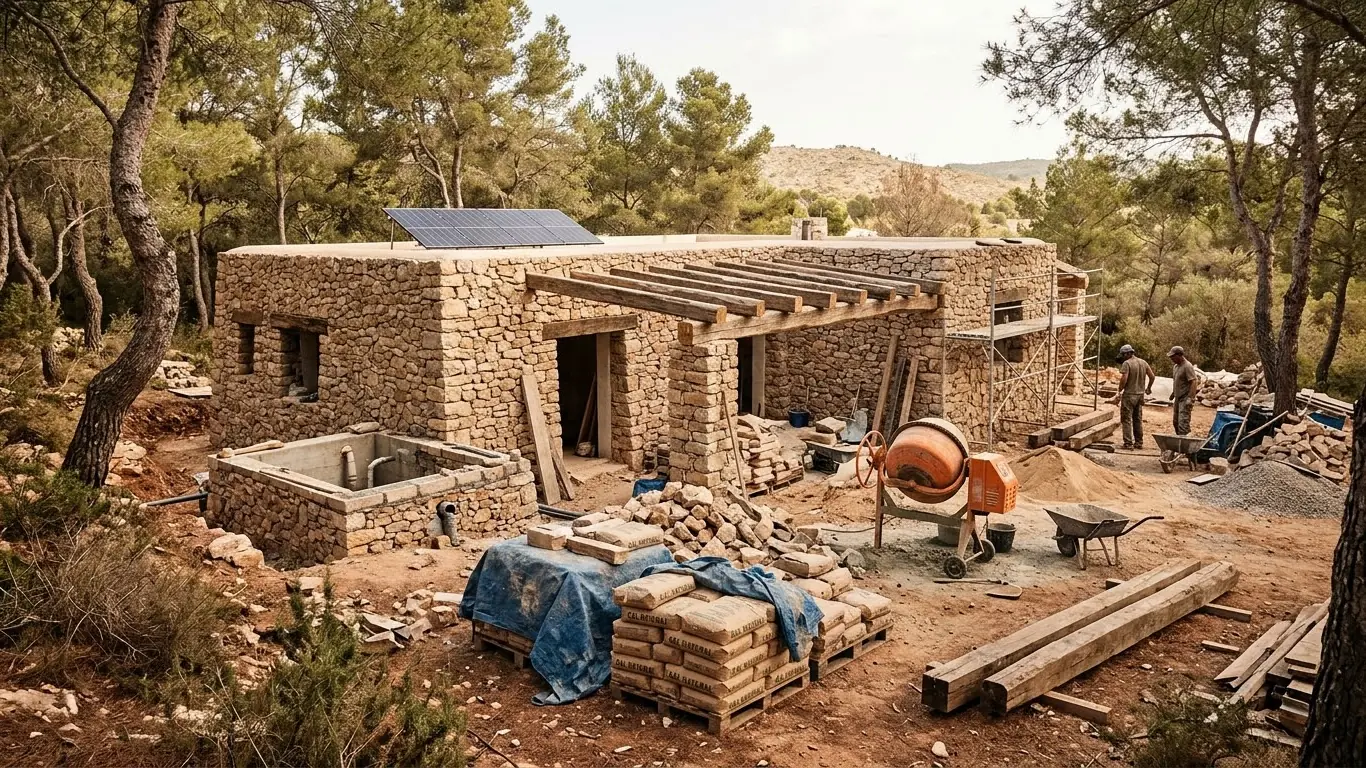
Sustainable Building in Ibiza: Trends and Leaders
Sustainable building in Ibiza: why it matters on the island, which trends define it, who leads, what projects show and which obstacles and openings remain.