Capital Investment Prices in Monaco: How They Evolved
How capital investment prices in Monaco evolved: historical trends, price drivers, political and economic events, global comparison and outlook.
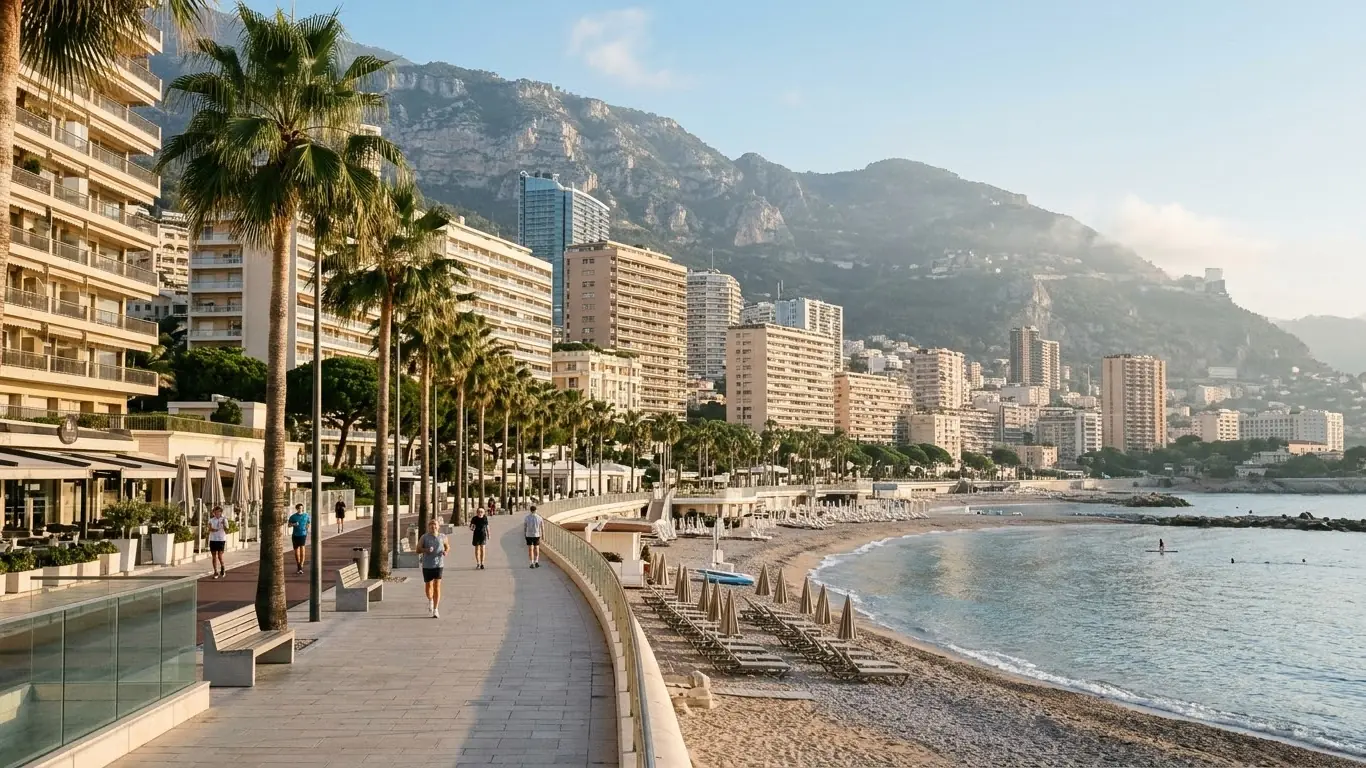

Monaco, a small city-state on the French Riviera, combines a favorable tax regime and political stability with a setting that draws investors from around the globe. This article traces how capital investment prices have developed, which factors shape them and how Monaco compares with other global markets.
Capital investment in Monaco attracts those who want to diversify their portfolios. The principality is also a hub for financial services, real estate and tourism, and its location between France and Italy gives easy access to major European markets.
A robust legal framework that protects investors’ rights adds to this geographical advantage and supports an environment conducive to capital growth. Taken together, these conditions make Monaco more than a playground for the rich: it is a serious contender in the global investment arena.
Key Takeaways
- A stable economy and a favorable tax environment support Monaco’s appeal for capital investment.
- Prices rose in the early 2000s, fell after 2008 and recovered gradually from the mid-2010s.
- Real estate demand, government policies and global economic conditions influence prices.
- Economic and political events, local and global, can move prices significantly.
- Prices rank among the highest in the world, with a focus on high-end real estate and luxury goods.
Historical Trends in Capital Investment Prices
Capital investment prices in Monaco have fluctuated significantly over the past few decades, reflecting local and global economic conditions.
The early 2000s brought rapid growth, as foreign investors flocked to Monaco and drove property prices to unprecedented heights.
The reputation as a luxury destination with a favorable tax regime fueled this trend. The global financial crisis of 2008 then had a profound impact: the real estate market faced a downturn as credit tightened and investor confidence waned.
Prices stabilized in the following years, but the recovery was slow. By the mid-2010s, Monaco began to regain its status as a prime investment location, with prices gradually climbing again. Renewed interest in luxury properties and an influx of high-net-worth individuals seeking refuge from economic uncertainty elsewhere supported the resurgence.
Factors Influencing Capital Investment Prices in Monaco
Several factors drive the fluctuations in prices. The most significant is the limited supply of real estate: with just 2.02 square kilometers, Monaco faces inherent constraints on land availability.
This scarcity pushes up property values as demand consistently outstrips supply, and investors are often willing to pay a premium for prime locations with views or proximity to key amenities. Another factor is the regulatory environment that governs capital investments.
Favorable tax policies, including no personal income tax and low corporate tax rates, make the principality attractive to investors. These incentives encourage domestic and foreign investment and increase competition for available properties. Monaco’s commitment to remaining a safe and stable jurisdiction also supports investor confidence.
Economic and Political Events and Prices
Economic and political events can have profound effects on capital investment prices in Monaco. Global economic downturns or geopolitical tensions can shift investor sentiment and with it the demand for real estate and other investment opportunities.
Political developments within Monaco itself also influence prices. Policies that promote green investments and enhance quality of life can attract new capital flows into the region, while a shift in the political environment can affect investor sentiment and lead to price volatility.
Monaco Compared with Other Global Markets
Compared with other global markets, Monaco occupies a unique niche. Cities like New York, London and Hong Kong are major financial hubs with diverse investment opportunities, while Monaco stands out for exclusivity and luxury appeal. Its property prices are among the highest in the world, often surpassing those in other affluent cities.
The premium stems from the limited availability of real estate and high demand from wealthy individuals seeking a prestigious address. Where larger markets offer a wider range of asset classes, Monaco’s focus remains primarily on high-end real estate and luxury goods, so prices are driven by different factors than in broader global markets.
Investors looking for diversification should weigh that Monaco offers luxury and exclusivity but also carries risks associated with market volatility and economic fluctuations.
Future Outlook for Capital Investment Prices in Monaco
Several trends shape the outlook. As global wealth rises, particularly among high-net-worth individuals from emerging markets, demand for luxury properties in exclusive locations like Monaco may remain strong. Infrastructure development and sustainability initiatives could attract further investors seeking lifestyle benefits and financial returns.
Remote work may add to interest in second homes or vacation properties in desirable locations like Monaco. This shift could further support demand for real estate within the principality. Investors should still follow market trends and economic indicators that could affect their decisions.
Strategies for Successful Capital Investment in Monaco
Success in this market calls for well-informed strategies tailored to it. Thorough research comes first: local regulations, market trends and property values form the basis for decisions that align with financial goals.
Local real estate experts or financial advisors can point out emerging opportunities and potential risks. Diversification is another key strategy: while real estate remains the primary focus for many investors, other asset classes such as luxury goods or private equity can help mitigate risks associated with market fluctuations.
Joint ventures or partnerships with local businesses can provide access to new markets.
The Role of Capital Investment in Monaco’s Economic Development
As a small city-state with limited resources, Monaco relies on foreign investment to sustain growth and the quality of life of its residents. Incoming capital supports infrastructure projects and fosters innovation and entrepreneurship within the principality.
More from Monaco
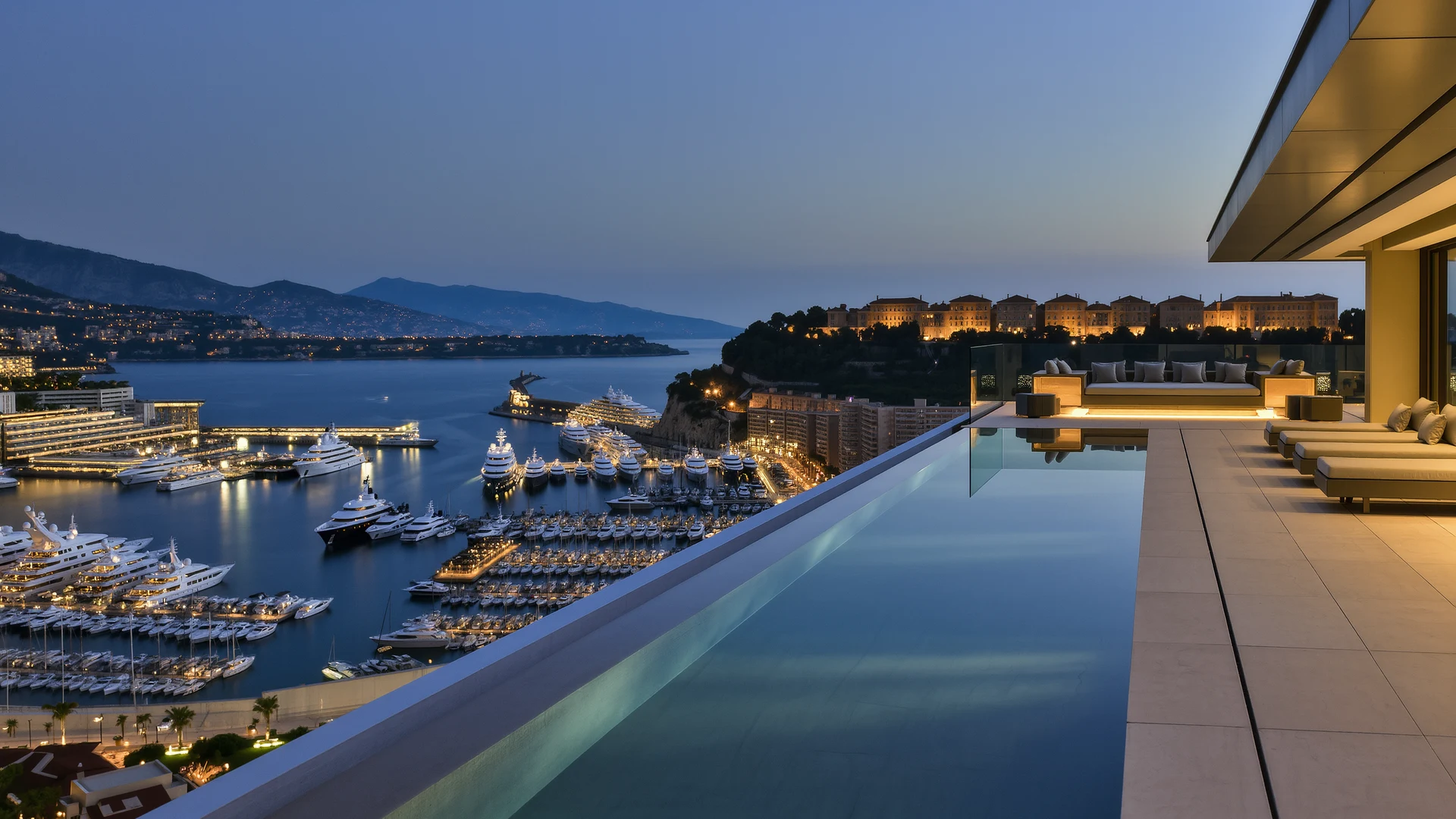
Monaco Property Investment: Prices, Costs, Residency
Monaco property investment: prime prices above €100,000 per square meter, tax treatment, residency rules, transaction costs of 9 to 11 percent and yields.
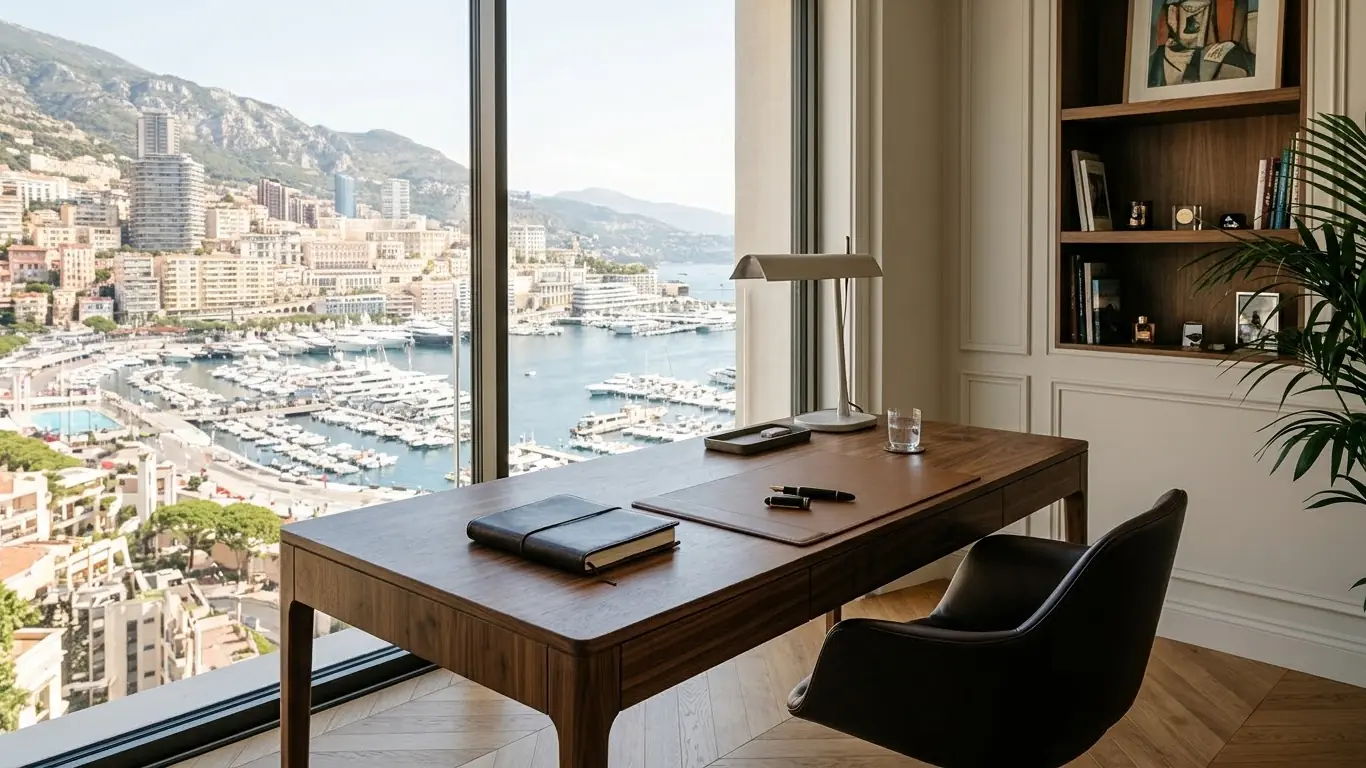
Monaco Luxury Property Market: The Effect of Home Offices
Monaco luxury property market: how home offices, wellness features, smart technology and new buyer profiles shape demand, prices, design and agency work.
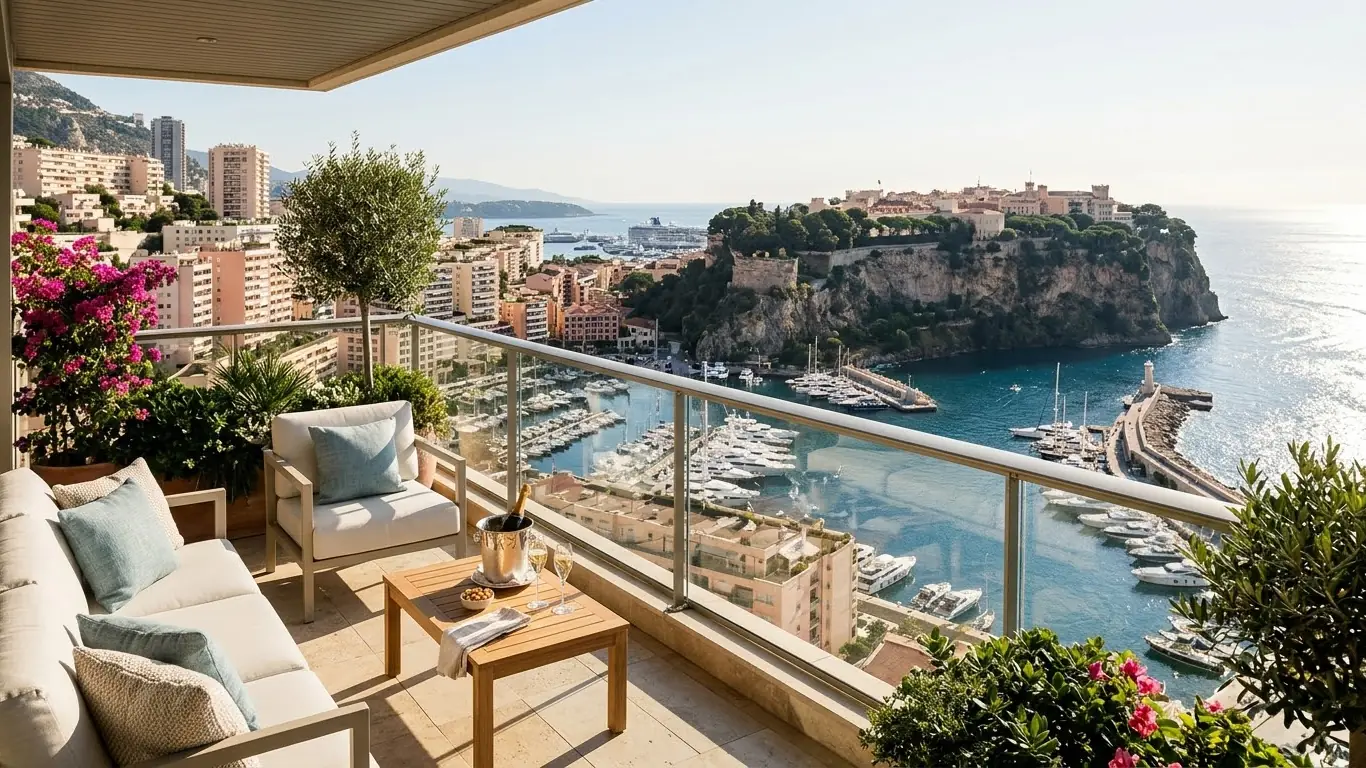
Attracting International Buyers for Your Property
Reaching international property buyers takes market knowledge, online visibility, local expertise, presentation, flexible payment and multilingual support.