Dubai Luxury Property Prices: A Market in Evolution
Dubai luxury property prices since the early 2000s: what drove growth, how the 2008 crisis and the pandemic shaped the market, and what buyers weigh today.
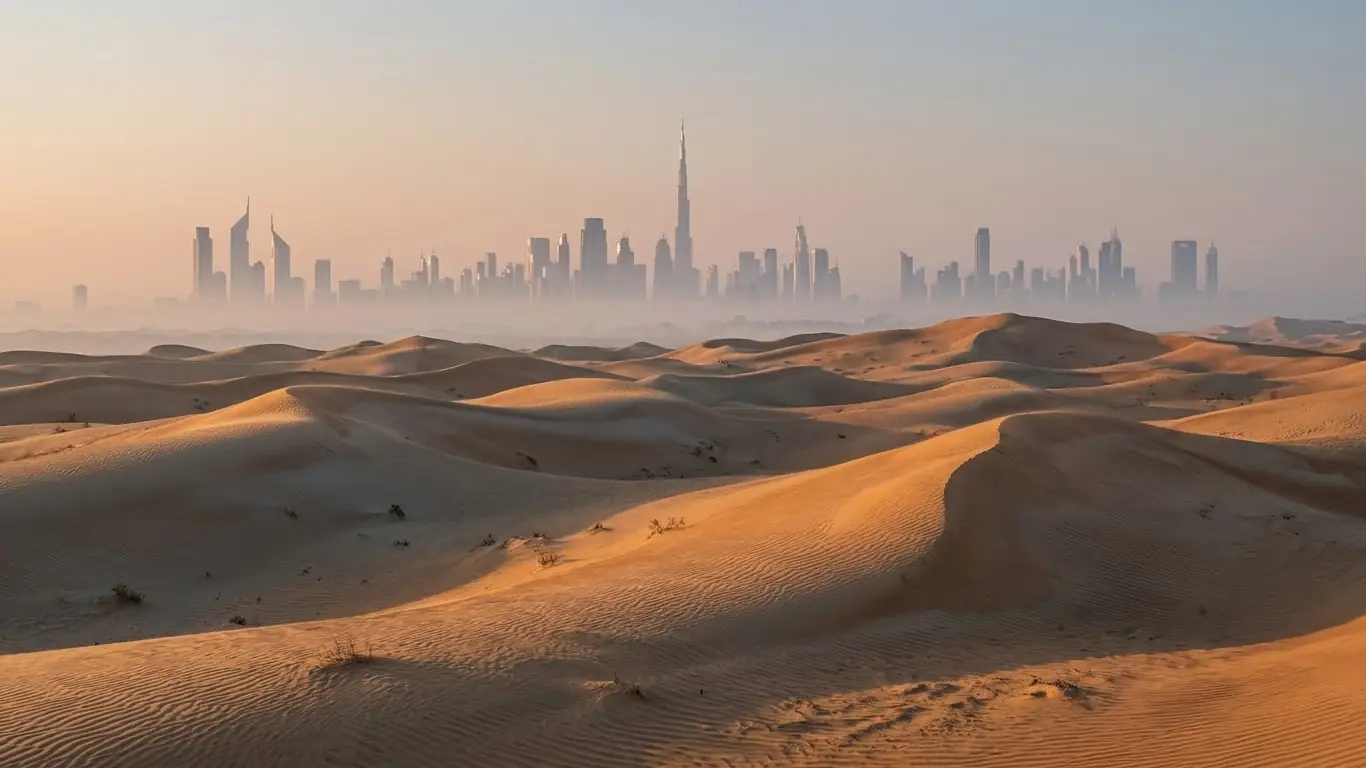

Dubai has grown from a modest trading port into a luxury property market that buyers follow worldwide. Prices for high-end homes have tracked the city’s economic cycles, with strong growth in the early 2000s, a sharp fall after the 2008 financial crisis and a recovery that lasted until the pandemic. This article traces that history, names the forces behind it and places Dubai beside other global markets.
The appeal rests on more than architecture. Dubai combines a strategic location, a favorable tax environment and robust infrastructure with a cosmopolitan population that draws expatriates and wealthy buyers alike. Landmarks such as the Burj Khalifa and the Palm Jumeirah anchor the image, while the market itself spans villas and high-rise penthouses.
Key Takeaways
- The luxury segment draws high-net-worth buyers and investors from around the world.
- Location, amenities and economic stability shape how luxury prices develop.
- Prices rose over long stretches, with a sharp setback in 2008.
- Economic and political shifts move prices and demand in both directions.
- Price per square foot is generally lower than in New York, London or Hong Kong.
What Drives Luxury Property Prices in Dubai
Dubai’s status as a global business hub is among the strongest influences. Multinational corporations have established regional headquarters there, and their executives and expatriates have created strong demand for high-end residences.
That influx of high-income residents has pushed up prices, particularly in prime locations such as Downtown Dubai and Dubai Marina. The government’s push for economic diversification has added to investor confidence.
World-class events such as Expo 2020 brought international attention and investment, which supported prices as well.
Historical Trends: Growth, Crisis and Recovery
The market grew significantly in the early 2000s, driven by rapid urbanization and foreign investment. The global financial crisis of 2008 then caused a sharp decline in prices, and many investors reassessed their strategies.
Prices recovered gradually as investor confidence returned. By the mid-2010s the market was thriving again, supported by economic stability and a growing number of high-net-worth individuals. New developments and luxury projects added momentum, and growth continued until the COVID-19 pandemic.
Economic and Political Influences on Dubai’s Luxury Market
Dubai has adapted to global economic shifts, and that adaptability has helped sustain its appeal as an investment destination. During the 2008 financial crisis and the COVID-19 pandemic, the government introduced measures to stabilize the economy and support real estate: reduced transaction fees, incentives for developers and affordable housing initiatives. Political stability in the United Arab Emirates and a steady focus on security have reassured investors.
Diplomatic relations with other countries have also opened new markets of potential buyers.
Dubai’s Luxury Prices Compared With Global Markets
New York, London and Hong Kong are known for very high real estate prices. Dubai presents a more accessible alternative: the average price per square foot for luxury properties is generally lower than in these cities, which puts high-end real estate within reach of a wider group of buyers.
Where many global cities impose hefty property and capital gains taxes, Dubai offers a tax-free regime, a clear advantage when net returns are calculated. Combined with the lifestyle and world-class amenities, it positions Dubai as a competitive player in the global luxury market.
Outlook for Dubai’s Luxury Property Market
Analysts expect continued growth, and infrastructure is one reason. New transportation links and entertainment venues should raise the city’s appeal and attract more affluent buyers.
With travel restrictions easing after the pandemic, demand from international buyers looking for second homes or investment properties may recover. Sustainability is also gaining weight for luxury buyers. Developers in Dubai respond by building sustainable practices into their projects.
Eco-friendly living is likely to appeal to high-net-worth individuals who rank sustainability alongside luxury.
Investment Options in Dubai’s Luxury Property Market
Off-plan properties let buyers purchase units before completion at competitive prices. The strategy can pay off if values rise on completion, though the outcome depends on the project and on market conditions.
Established luxury developments can provide rental income right away, supported by demand from expatriates and tourists. Spreading investments across villas, apartments and penthouses can reduce risk. Areas such as Dubai Creek Harbour and Mohammed Bin Rashid City add further options for different preferences and budgets.
More from Dubai

Dubai Luxury Real Estate Guide: Prices, Taxes, Outlook
Dubai luxury real estate guide: prime addresses from Palm Jumeirah to Downtown, branded residences, tax, transaction costs, Golden Visa and the 2026 outlook.
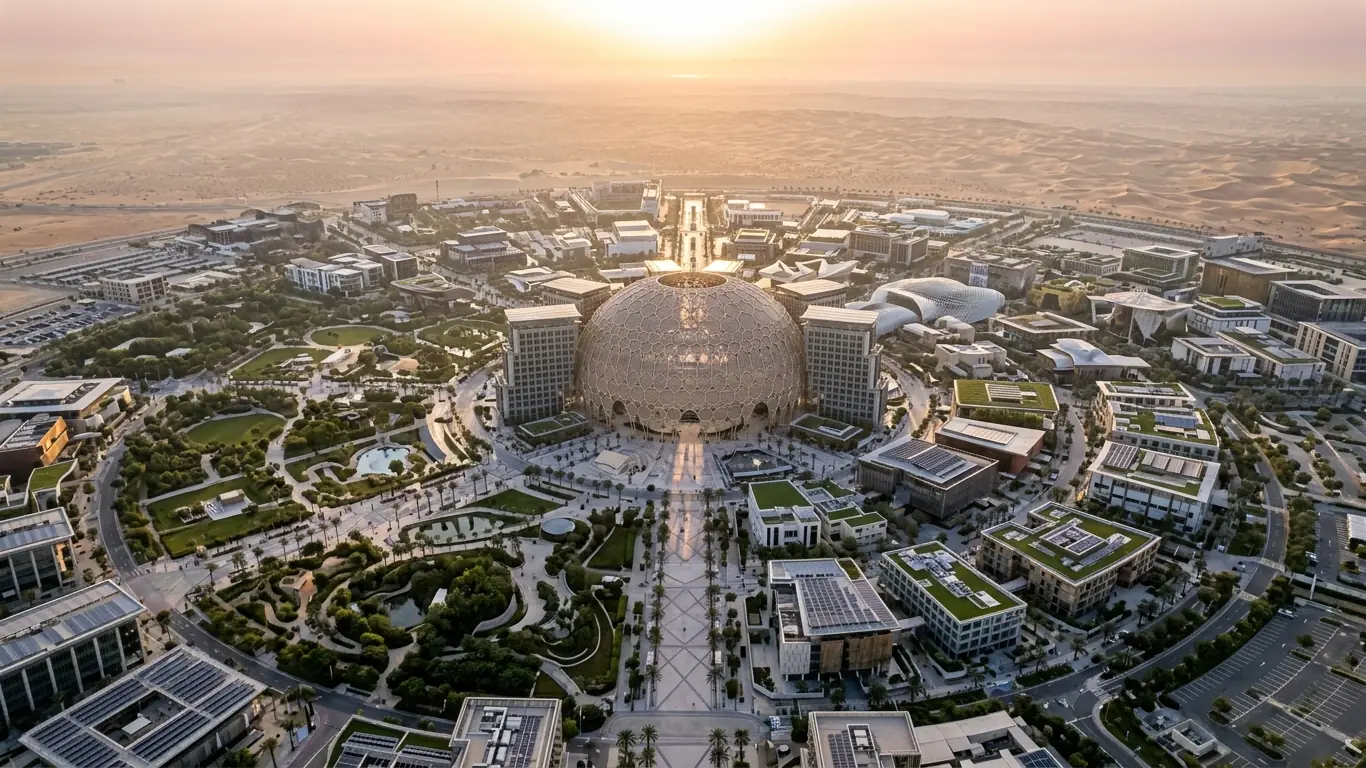
Expo City Proximity and the Dubai Real Estate Market
Expo City in Dubai and the property market around it: demand, price drivers, infrastructure, investment opportunities and risks such as oversupply.
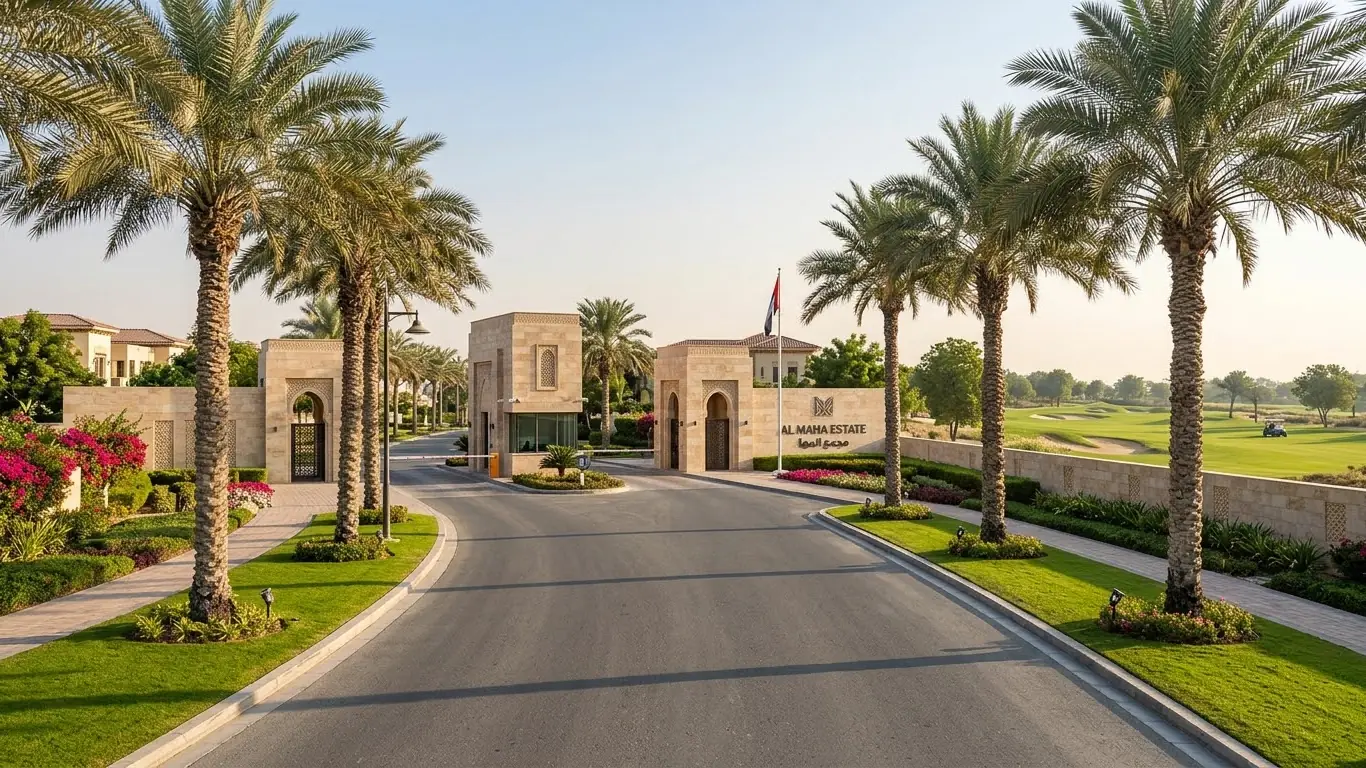
Exclusive Gated Communities in Dubai: Privacy and Security
Gated communities in Dubai: how privacy, security, amenities, technology and cost shape everyday life and property values in these exclusive enclaves.