Dubai · 25.20°N 55.27°E · File 784
The Evolution of Dubai’s Real Estate Prices in Recent Years
Dubai, a city that has rapidly transformed from a modest fishing village into a global metropolis, is renowned for its opulent lifestyle, architectural marvels, and vibrant economy…
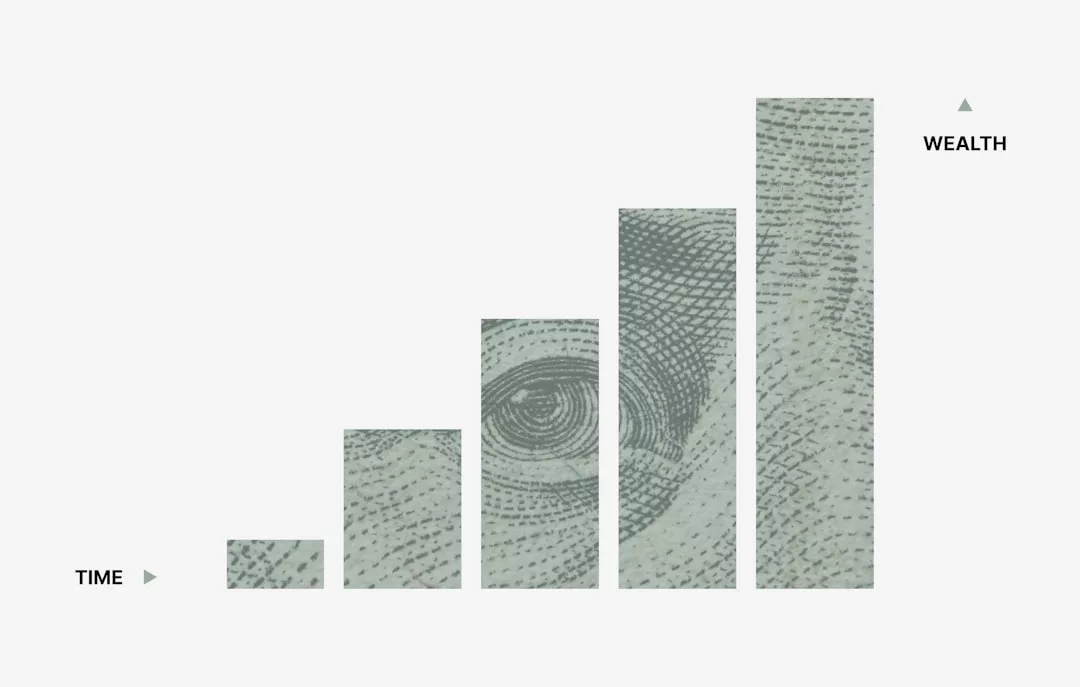
Dubai, a city that has rapidly transformed from a modest fishing village into a global metropolis, is renowned for its opulent lifestyle, architectural marvels, and vibrant economy. The real estate market in Dubai stands as a testament to this transformation, characterized by its dynamic nature and the allure of luxury living. Over the past few decades, the city has attracted investors from around the world, drawn by the promise of high returns and a cosmopolitan lifestyle.
The skyline is dotted with iconic structures such as the Burj Khalifa, the Palm Jumeirah, and the Burj Al Arab, each symbolizing the ambitious spirit of Dubai. This article delves into the various factors influencing the real estate market in Dubai, exploring its growth, challenges, and future prospects. The real estate sector in Dubai is not merely a reflection of the city’s architectural ambitions; it is also a critical component of its economy.
The market has witnessed significant fluctuations over the years, influenced by both local and global economic conditions. As a hub for tourism, trade, and finance, Dubai’s real estate market is intricately linked to its overall economic health. Investors and homeowners alike are keenly aware of the trends and shifts within this sector, making it essential to understand the underlying factors that drive real estate prices in this vibrant city.
Key Takeaways
- Dubai’s real estate market has experienced significant growth and development over the years, making it an attractive investment destination.
- Factors such as population growth, infrastructure development, and government initiatives have contributed to the rise in real estate prices in Dubai.
- The boom in Dubai’s real estate market has led to the construction of iconic skyscrapers, luxury properties, and world-class amenities, attracting investors from around the globe.
- The economic downturn had a temporary impact on Dubai’s real estate prices, leading to a decline in property values and a slowdown in construction activities.
- Government policies and regulations, such as foreign ownership laws and property registration fees, have played a crucial role in shaping the real estate market in Dubai.
Factors Influencing the Growth of Real Estate Prices in Dubai
Several factors contribute to the growth of real estate prices in Dubai, with demand and supply dynamics playing a pivotal role. The influx of expatriates seeking employment opportunities has led to a consistent demand for housing. As more people move to Dubai for work or lifestyle reasons, the need for residential properties continues to rise.
This demand is further fueled by the city’s reputation as a safe haven for investment, offering a stable political environment and a tax-free regime that appeals to foreign investors. Additionally, infrastructure development significantly impacts real estate prices. The government of Dubai has invested heavily in enhancing transportation networks, including roads, metro systems, and airports.
These developments not only improve accessibility but also increase the attractiveness of various neighborhoods. Areas that were once considered remote are now becoming prime locations due to improved connectivity. As infrastructure projects continue to unfold, they create new opportunities for real estate development and subsequently drive up property values.
The Boom of Dubai’s Real Estate Market
The real estate market in Dubai experienced a remarkable boom in the early 2000s, characterized by rapid price appreciation and an influx of new developments. This period saw the emergence of luxurious residential communities and commercial spaces that catered to a diverse clientele. High-profile projects such as the Dubai Marina and Downtown Dubai became synonymous with luxury living and investment potential.
The allure of owning property in such prestigious developments attracted both local and international buyers, leading to unprecedented growth in property prices. During this boom, developers capitalized on the growing demand by launching ambitious projects that pushed the boundaries of architectural design. Skyscrapers and lavish villas became symbols of wealth and success, further fueling interest in the market.
The introduction of off-plan sales allowed investors to purchase properties before they were completed, creating a sense of urgency and excitement among buyers. This speculative environment contributed to soaring prices, with many investors hoping to capitalize on the rapid appreciation of their assets.
The Impact of Economic Downturn on Dubai’s Real Estate Prices
Despite its resilience, Dubai’s real estate market is not immune to economic downturns. Global financial crises and regional economic challenges have periodically impacted property prices, leading to corrections in the market. For instance, the 2008 financial crisis had a profound effect on Dubai’s real estate sector, resulting in significant price declines and project cancellations.
Many investors found themselves in precarious situations as property values plummeted, leading to increased foreclosures and a slowdown in new developments. The COVID-19 pandemic further exacerbated these challenges, causing disruptions in global travel and trade. With tourism at a standstill and businesses facing uncertainty, demand for real estate took a hit.
However, unlike previous downturns, the market showed signs of recovery relatively quickly as restrictions eased and economic activities resumed. This resilience can be attributed to various factors, including government stimulus measures and a renewed interest in property investment as people sought stability in tangible assets during uncertain times.
Government Policies and Regulations Affecting Real Estate Prices in Dubai
Government policies play a crucial role in shaping Dubai’s real estate landscape. The introduction of regulations aimed at protecting investors and promoting transparency has bolstered confidence in the market.
These regulations have not only enhanced investor confidence but have also contributed to stabilizing property prices. Moreover, the government has implemented various incentives to attract foreign investment into the real estate sector. Initiatives such as long-term residency visas for property owners have encouraged expatriates to invest in Dubai’s real estate market.
By creating an environment conducive to investment, these policies have stimulated demand for properties across different segments, from luxury villas to affordable housing options. As a result, government interventions have played a significant role in influencing real estate prices and fostering sustainable growth.
The Resilience of Dubai’s Real Estate Market
One of the defining characteristics of Dubai’s real estate market is its resilience in the face of adversity. Despite experiencing fluctuations due to economic downturns or global crises, the market has consistently rebounded over time. This resilience can be attributed to several factors, including the city’s strategic location as a global business hub and its commitment to diversifying its economy beyond oil dependency.
Furthermore, Dubai’s ability to adapt to changing market conditions has been instrumental in maintaining investor confidence. The introduction of innovative concepts such as co-living spaces and affordable housing projects has catered to evolving consumer preferences while ensuring that various segments of the population can access quality housing. This adaptability has allowed the market to remain relevant and attractive to both local and international investors.
Future Projections for Dubai’s Real Estate Prices
Looking ahead, experts predict a cautiously optimistic outlook for Dubai’s real estate market. As global economies recover from recent challenges, demand for properties in Dubai is expected to rise once again. The city’s ongoing efforts to enhance its infrastructure and diversify its economy will likely contribute to sustained interest from investors seeking opportunities in emerging markets.
Additionally, upcoming events such as Expo 2020 (held in 2021 due to pandemic delays) are anticipated to boost tourism and stimulate economic activity further. Such events often lead to increased demand for both residential and commercial properties as businesses seek to capitalize on heightened visitor numbers. As a result, property prices may experience upward pressure as demand outstrips supply in key areas.
The Evolution of Dubai’s Real Estate Prices
In conclusion, Dubai’s real estate market has undergone significant evolution over the years, shaped by various factors ranging from economic conditions to government policies. While challenges such as economic downturns have tested its resilience, the market has consistently demonstrated an ability to recover and adapt. As Dubai continues to position itself as a global hub for business and tourism, its real estate sector remains an attractive proposition for investors seeking growth opportunities.
The future of Dubai’s real estate prices appears promising, driven by ongoing infrastructure development and an influx of new residents drawn by the city’s unique lifestyle offerings. As the market evolves further, it will be essential for stakeholders to remain vigilant and responsive to changing dynamics while capitalizing on emerging trends that shape this vibrant sector. Ultimately, Dubai’s real estate market stands as a testament to the city’s ambition and vision for continued growth on the global stage.
Same market
More from Dubai

Dubai · 14 min
Dubai Luxury Real Estate Guide
Dubai luxury real estate guide: 2025 prices for Palm Jumeirah, Emirates Hills and Downtown villas, zero-tax benefits, Golden Visa and the 2026 market …

Dubai · 6 min
The Impact of Expo City Proximity on Real Estate Market
Expo City, a vibrant hub of innovation and culture, has emerged as a focal point for global attention since the World Expo 2020 was held there. Locate…
Dubai · 6 min
Exclusive Gated Communities in Dubai: Privacy and Security
In recent years, Dubai has witnessed a remarkable transformation in its real estate landscape, particularly with the emergence of exclusive gated comm…