Smart Home Technologies in Dubai: Future Trends
Smart home technology in Dubai: AI, energy efficiency, security, IoT, automation and 5G, plus the challenges of privacy and standards for homeowners.
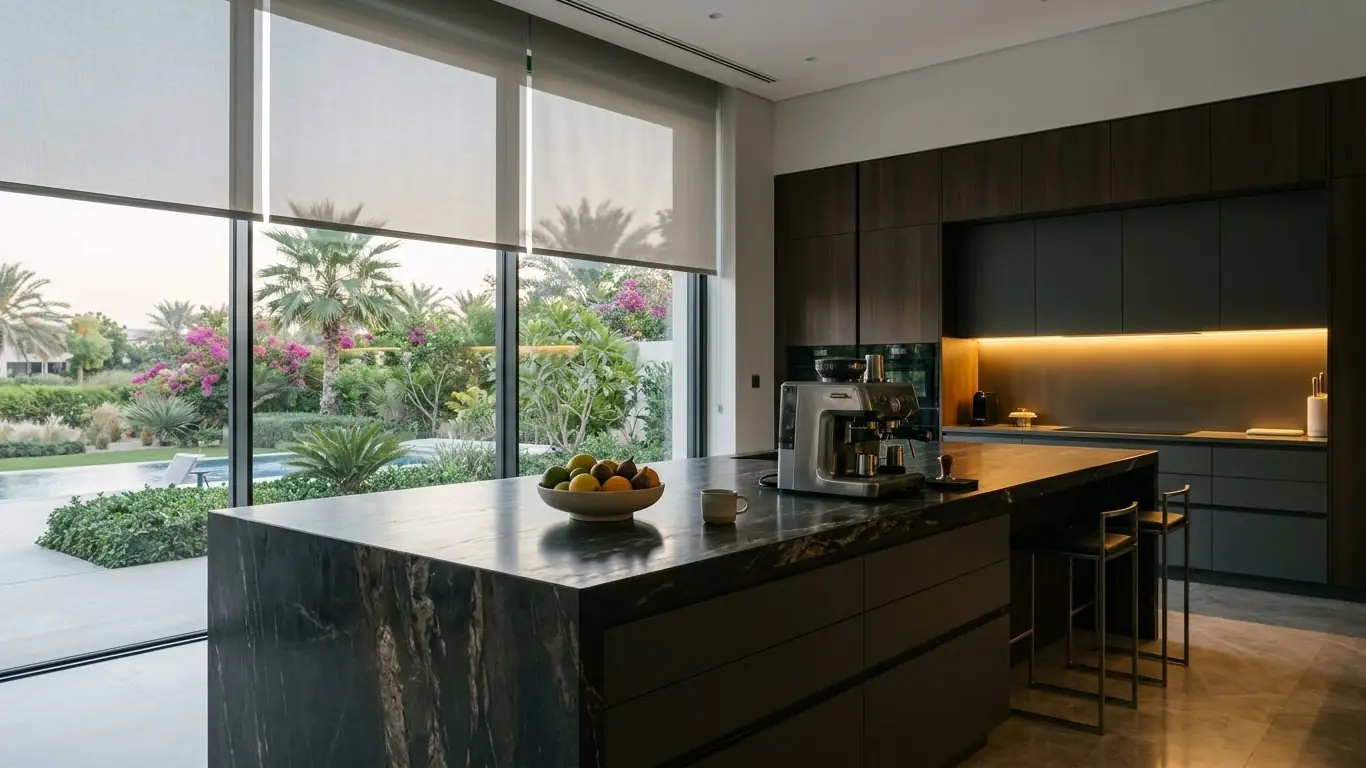

Dubai has embraced smart home technologies as part of its role as a global hub for technology and modern living. Advanced home automation systems enhance the quality of life, and rapid urbanization and an influx of expatriates have created demand for homes that combine comfort with cutting-edge technology.
Smart homes represent a shift toward a more connected and efficient lifestyle, with convenience, security and energy efficiency as the main appeal. In a city where temperatures can reach extreme highs, smart systems let residents control their environment with ease.
From adjusting the thermostat remotely to managing lighting and security systems, homeowners create a personalized living experience. As Dubai evolves, smart home integration is expected to shape the future of urban living.
Key Takeaways
- Smart home technologies grow in popularity in Dubai, offering convenience, security and energy efficiency.
- Artificial intelligence enables advanced automation and personalized experiences in Dubai’s smart homes.
- Energy efficiency and sustainability are key focuses, with smart thermostats, lighting and appliances reducing energy consumption.
- Advances in home security and surveillance technology enhance safety and peace of mind.
- The Internet of Things (IoT) connects devices and enables seamless communication and control.
Integration of Artificial Intelligence in Smart Homes
Optimizing Energy Consumption
AI can optimize energy consumption by learning when residents are typically home and adjusting heating or cooling accordingly.
Enhancing Security Features
AI also enhances security. Advanced surveillance systems with facial recognition can identify familiar faces and alert homeowners to unusual activity.
A Safer and More Personalized Living Experience
This sophistication provides peace of mind in an urban environment where security is paramount. As AI evolves, its integration into Dubai’s smart homes is expected to deepen, offering more personalized and responsive living.
Energy Efficiency and Sustainability in Smart Homes
Energy efficiency and sustainability gain momentum even in a city known for opulence. Dubai’s commitment to becoming a sustainable city shows in initiatives to reduce carbon footprints and promote green living, and smart home technologies help homeowners monitor and manage their energy consumption effectively.
Smart thermostats learn user habits and optimize heating and cooling schedules, which reduces energy waste. Renewable energy sources such as solar panels are increasingly integrated into smart home systems, letting homeowners power their devices with solar energy and rely less on traditional sources. This can lower utility bills and aligns with Dubai’s vision of sustainability. As awareness of environmental issues grows, demand for energy-efficient smart homes is likely to increase and drive further innovation.
Advancements in Home Security and Surveillance
Home security has always been a priority for residents in Dubai, and smart technologies change how it is managed. Sophisticated smart solutions with real-time monitoring and control replace or enhance traditional systems, and smart cameras with high-definition video let homeowners watch their property from anywhere in the world through mobile applications.
That accessibility reassures those who travel frequently or have second homes. Smart locks and alarm systems are also increasingly popular in Dubai’s residential areas, and remote control lets homeowners grant access to guests or service providers without being present.
Many smart security systems also use AI algorithms to detect unusual patterns or behaviors and alert homeowners when potential threats arise. Home security in Dubai will likely grow more sophisticated as technology advances.
The Role of Internet of Things (IoT) in Smart Homes
The Internet of Things (IoT) lets devices communicate with each other and form a cohesive ecosystem at home. In Dubai, IoT-enabled devices are increasingly prevalent, allowing homeowners to control lighting, appliances and security systems through a single interface, which adds convenience and streamlines daily routines.
IoT technology automates household tasks such as watering gardens or adjusting blinds based on sunlight levels, with schedules or voice commands. IoT devices also provide data on energy usage and appliance performance, helping residents make informed decisions about consumption. As the IoT landscape expands, its impact on smart homes in Dubai is likely to foster a more integrated and responsive living environment.
Smart Home Automation and Control Systems
Smart home automation systems are the backbone of modern living spaces in Dubai, giving residents centralized control over lighting, climate control, entertainment systems and security features from a single device or application. That convenience appeals in a fast-paced city where time is often at a premium.
A key advantage is customized settings tailored to individual preferences: lighting that gradually brightens in the morning, or a thermostat that adjusts automatically to occupancy patterns. This personalization enhances comfort and saves energy by ensuring that systems operate only when needed.
Automation capabilities are expected to expand further as technology advances.
The Impact of 5G Technology on Smart Homes
The rollout of 5G is poised to change smart homes in Dubai by providing faster and more reliable connectivity for IoT devices. High-speed data transfer and low latency enable seamless communication between devices, which matters as the number of connected devices continues to grow.
5G will facilitate real-time data processing and analysis and quicker responses from smart home systems. Security cameras can transmit high-definition video feeds without lag, so homeowners receive timely alerts about potential threats, and more complex AI algorithms that need substantial data processing power become possible.
Challenges and Opportunities for Smart Homes in Dubai
The future of smart home technologies in Dubai looks promising, but several challenges must be addressed to realize their potential. Data privacy and security are one significant concern.
Homeowners need to know best practices for securing their devices and networks. Integrating technologies from various manufacturers is another challenge: a lack of standardization can cause compatibility issues between devices and hinder the seamless operation consumers expect.
Industry stakeholders can collaborate on universal standards that facilitate interoperability among products. Opportunities remain for innovation in Dubai’s smart home sector: growing demand for sustainable living solutions gives companies a path to eco-friendly technologies that align with the city’s sustainability goals.
As consumer awareness of the benefits of smart homes increases, investment in research and development aimed at functionality and user experience is likely to grow.
More from Dubai

Dubai Luxury Real Estate Guide: Prices, Taxes, Outlook
Dubai luxury real estate guide: prime addresses from Palm Jumeirah to Downtown, branded residences, tax, transaction costs, Golden Visa and the 2026 outlook.
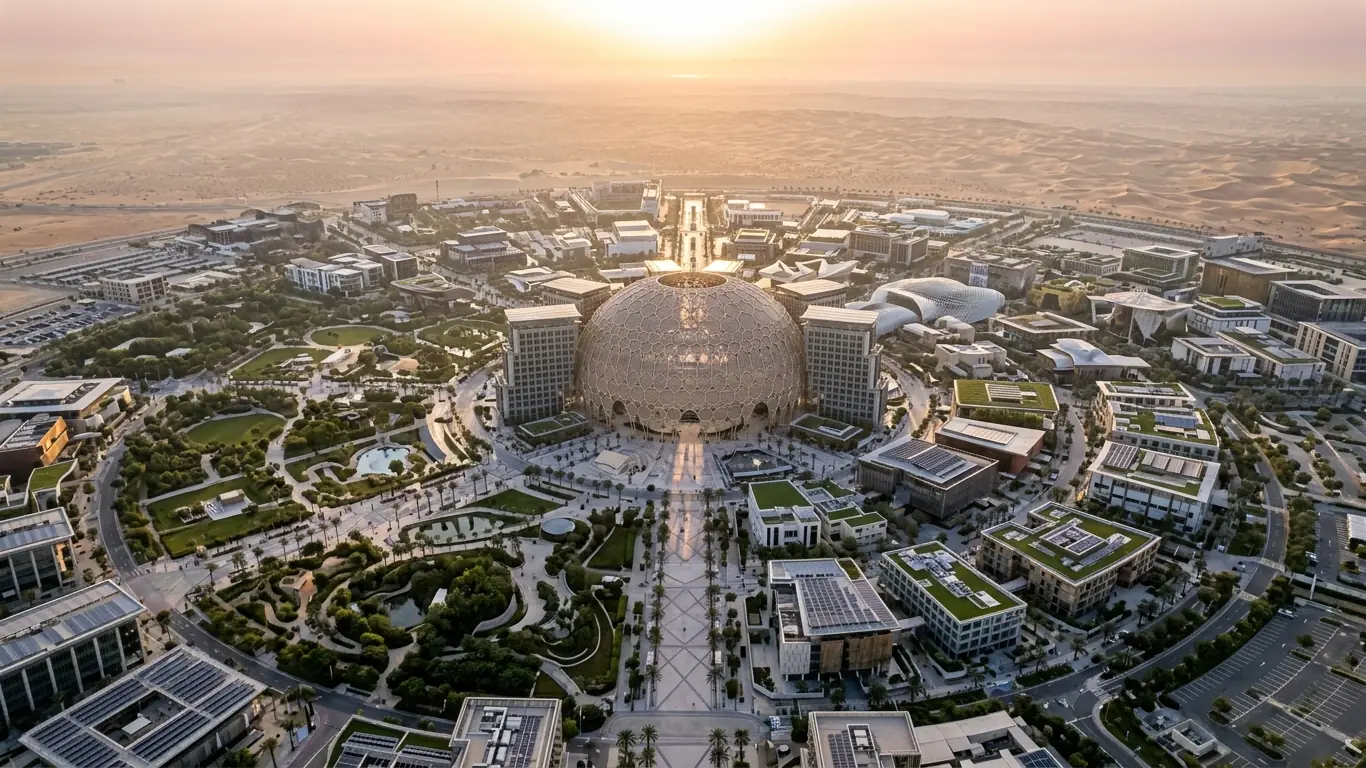
Expo City Proximity and the Dubai Real Estate Market
Expo City in Dubai and the property market around it: demand, price drivers, infrastructure, investment opportunities and risks such as oversupply.
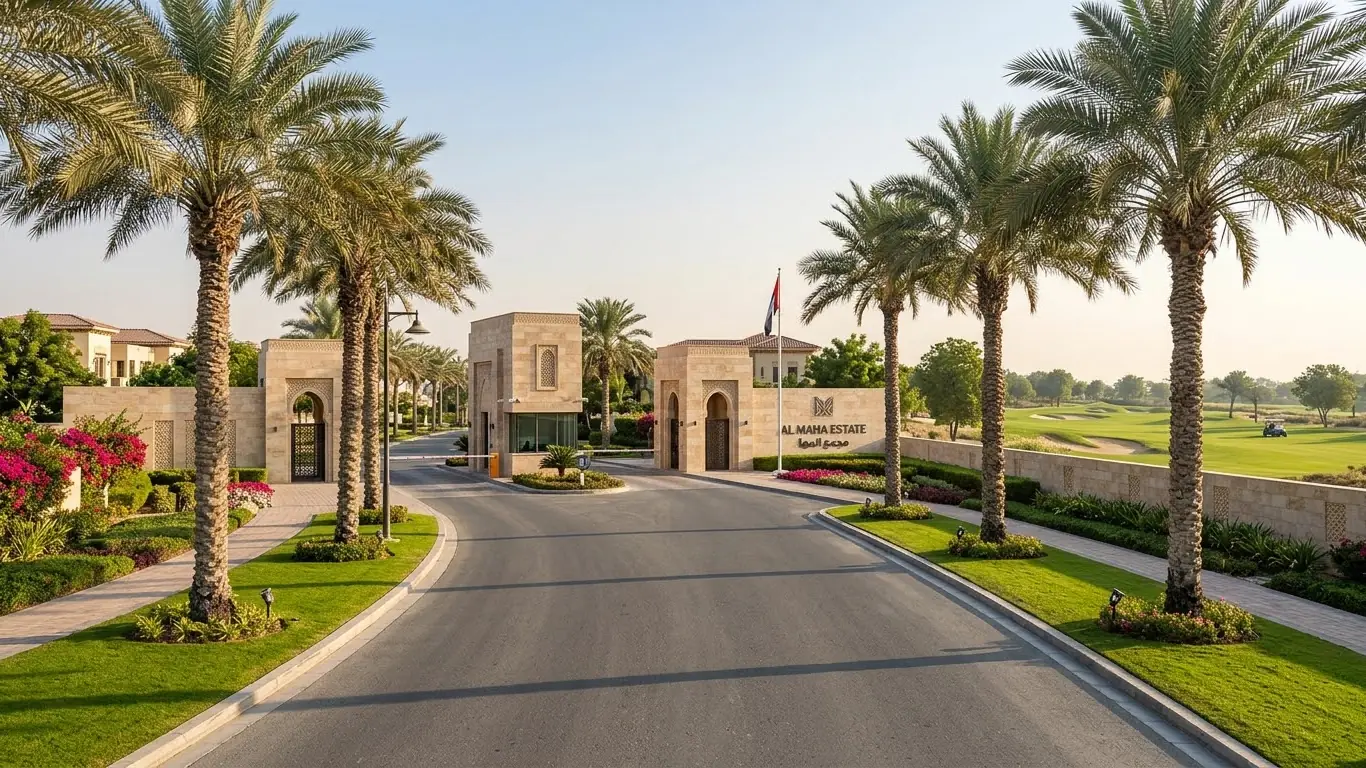
Exclusive Gated Communities in Dubai: Privacy and Security
Gated communities in Dubai: how privacy, security, amenities, technology and cost shape everyday life and property values in these exclusive enclaves.