Green-Certified Properties in Monaco: A Growing Trend
Green certification in Monaco real estate: what it offers owners and buyers, how regulation supports it, and where costs and hurdles remain for developers.
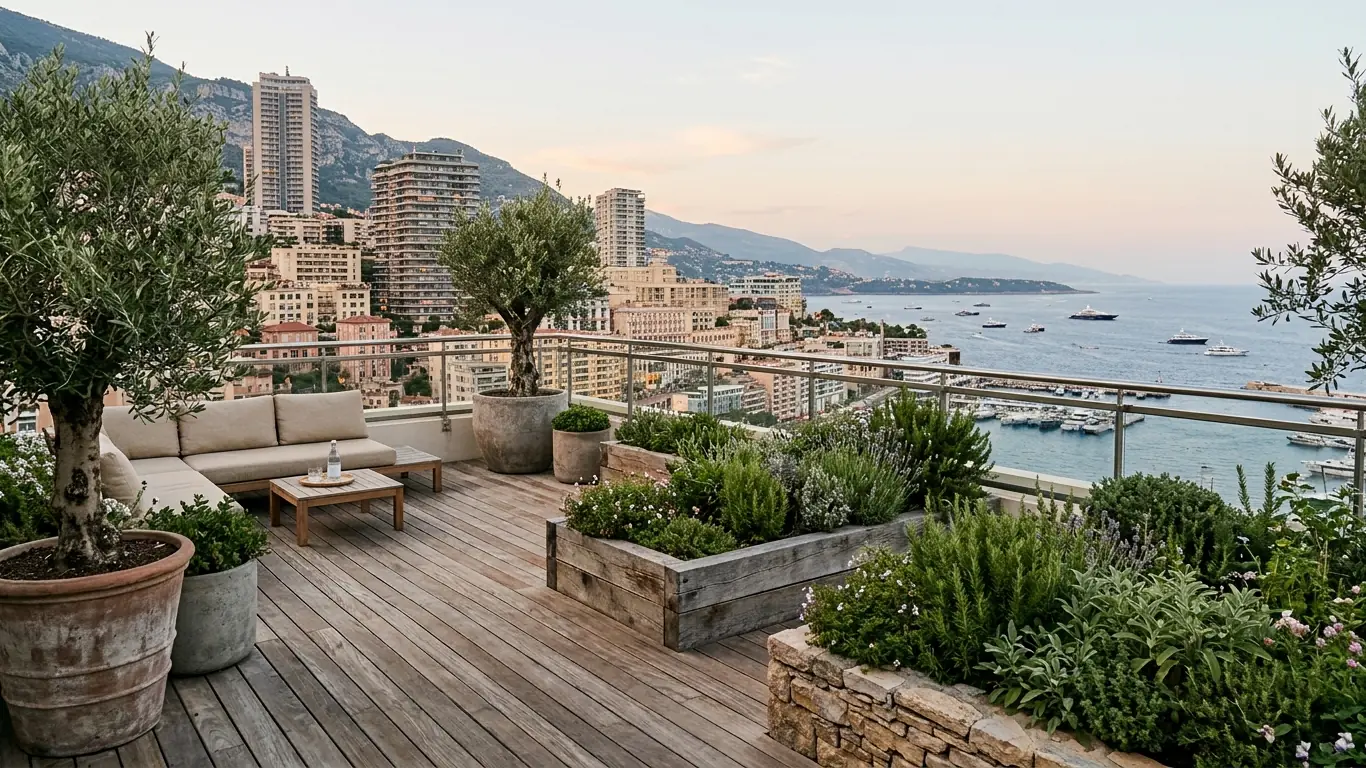

Green certification is gaining ground in Monaco’s property market. The small city-state on the French Riviera is moving toward environmentally responsible living, and its real estate sector reflects this shift. This article covers the benefits for owners, the effect on the environment, the role of regulation, the demand and the hurdles.
Two factors drive the shift: greater awareness of environmental issues and a growing wish for a more sustainable lifestyle. Developers and owners see that certification can raise the appeal of a property and matches the values of buyers who put ecological responsibility first.
Energy-efficient design, sustainable materials and innovative technologies are increasingly standard features rather than optional upgrades.
Key Takeaways
- Green-certified properties are becoming more common in Monaco as sustainability gains weight in real estate.
- Owners can benefit from lower operating costs, greater tenant satisfaction and, possibly, a higher property value.
- Certified buildings reduce energy consumption, water usage and waste generation.
- Regulation sets standards and offers incentives that support certification.
- Demand is growing, driven by consumer awareness and corporate sustainability goals.
Benefits of Green Certification for Owners
Property Value and Rental Yields
As demand for sustainable living spaces rises, certified properties become more desirable to buyers and tenants. This can support rental income and resale values, although the outcome depends on the individual property and the market.
Comfort and Quality of Life
Properties that meet stringent environmental standards often offer better indoor air quality, natural lighting and energy-efficient systems. These features make homes more comfortable and contribute to the well-being of occupants.
Outdoor Space and Community
Many certified properties include outdoor spaces and landscaping that bring residents closer to nature and strengthen a sense of community.
Environmental Impact of Certified Properties
Sustainable building practices reduce a property’s carbon footprint and resource use. Energy-efficient design lowers reliance on fossil fuels, and water-saving technologies help conserve resources.
Many certified buildings also generate renewable energy on site, for example with solar panels. This lowers their dependence on non-renewable sources and adds to the energy resilience of Monaco. Together, these measures contribute to a more sustainable urban environment.
How Regulation Supports Certification
The Principality has introduced policies that encourage sustainable development and reduce environmental impact. These often include incentives for developers who build in an eco-friendly way, such as tax breaks or faster permitting.
Alongside incentives, clear guidelines and standards for certification ensure consistency and accountability in the industry. They help owners navigate the process and give buyers and tenants confidence that a property is environmentally responsible.
Growing Demand for Green-Certified Properties
More residents and investors look for homes that match their values and lifestyle choices. The interest is particularly pronounced among younger generations, who weigh eco-friendliness and social responsibility in their purchasing decisions.
Agents and developers have noticed the shift and present certified properties as premium offerings, pointing to lower utility costs, healthier living environments and enhanced property values. As demand grows, more developers are likely to build with certification in mind.
Hurdles on the Way to Certification
Owners in Monaco face several hurdles when pursuing certification. One is the complexity of the process: navigating the various standards and requirements can be demanding for developers and owners without expertise in sustainable building.
That complexity can cause delays and extra costs. The price of sustainable technologies and materials can also be high. Certification can lead to long-term savings through reduced energy consumption, but the initial investment in efficient systems or eco-friendly materials can be substantial.
This barrier weighs most on developers in a competitive market with tight margins.
Financial Incentives for Certified Properties
Investing in certified properties in Monaco comes with financial incentives that can improve the economics of a project.
Energy-efficient buildings typically consume less energy, which lowers utility bills for owners and tenants.
Lower running costs can improve cash flow and return on investment. Some financial institutions also begin to offer favorable loan terms or lower interest rates for projects that meet certification standards, which reflects the long-term value they attach to sustainable investments.
Property owners may also benefit from government grants or subsidies for eco-friendly development, which can offset part of the initial costs of certification.
Outlook for Green-Certified Properties in Monaco
Sustainability is likely to keep gaining weight in Monaco real estate. As awareness of climate and environmental issues grows, buyers and investors may favor eco-friendly options, which would encourage further innovation in building practices and technologies.
Regulation may also become stricter on environmental standards, giving certification greater importance in the market. How far this develops depends on policy, costs and demand, so certification is best judged property by property.
More from Monaco
Monaco Property Investment: Prices, Costs, Residency
Monaco property investment: prime prices above €100,000 per square meter, tax treatment, residency rules, transaction costs of 9 to 11 percent and yields.
Monaco Luxury Property Market: The Effect of Home Offices
Monaco luxury property market: how home offices, wellness features, smart technology and new buyer profiles shape demand, prices, design and agency work.
Attracting International Buyers for Your Property
Reaching international property buyers takes market knowledge, online visibility, local expertise, presentation, flexible payment and multilingual support.