Buying Property in Dubai: Guide for First-Time Buyers
A guide to buying property in Dubai for first-time buyers: location, budget, agent, legal process, financing, ownership laws and closing the deal.
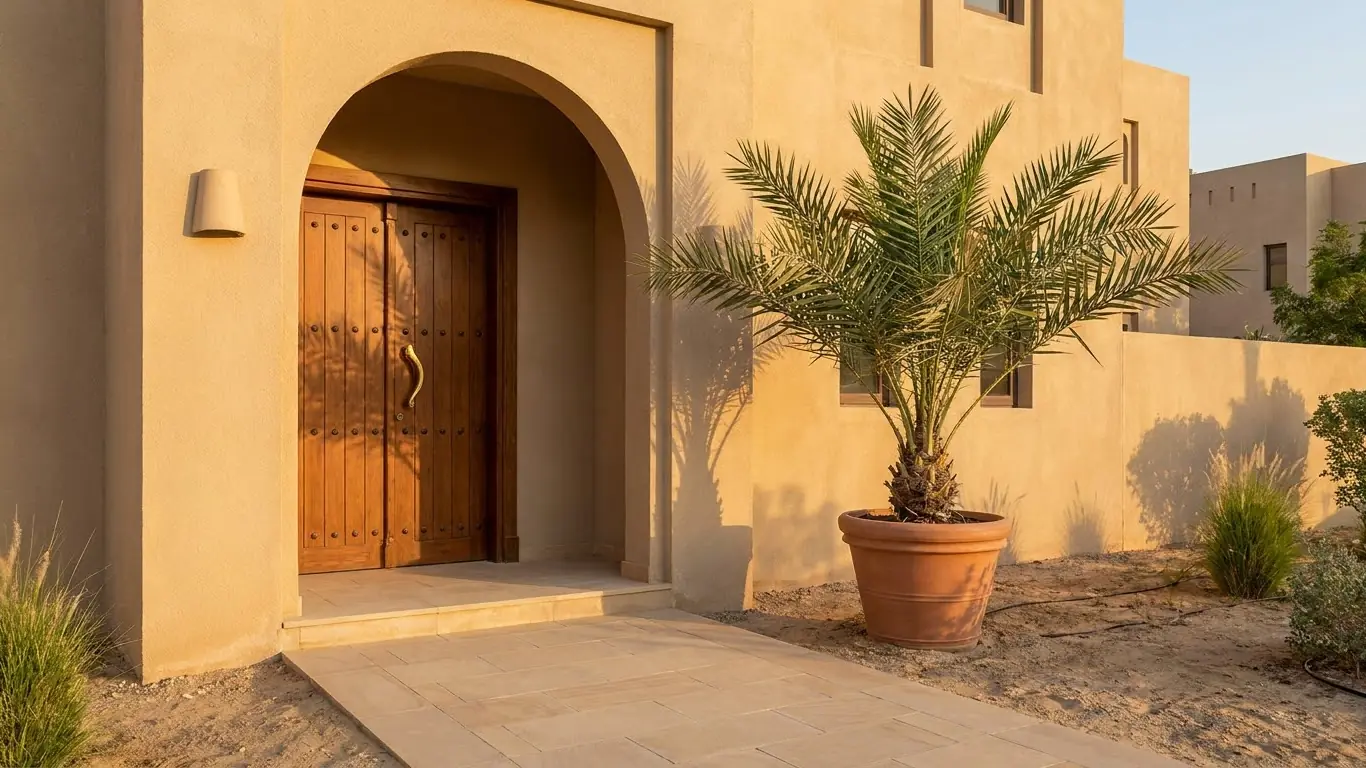

Dubai has grown over two decades from a modest trading port into a metropolis with an iconic skyline, a luxurious lifestyle and diverse cultural offerings. Real estate played a central part in that transformation and draws local and international investors. This guide leads first-time buyers through the key steps of a purchase.
Properties range from opulent villas to high-rise apartments, so the market suits various tastes and budgets. Understanding its nuances remains crucial, because economic conditions, government regulations and demographic trends all influence it.
Long-term visas for expatriates and eased property ownership laws have boosted investor confidence, and continued infrastructure and amenity development enhances the appeal of different neighborhoods. Staying informed about trends and fluctuations is essential for sound decisions.
Key Takeaways
- The Dubai market is dynamic and offers a wide range of options
- Location research weighs proximity to amenities and future development plans
- A budget covers all costs involved, including maintenance fees and service charges
- A reliable agent brings a good track record and knowledge of the local market
- The legal process requires understanding the necessary documentation and regulations
Researching the Right Location
Location is among the most critical choices in Dubai. The city has several distinct neighborhoods with their own advantages: Downtown Dubai is known for luxury living near landmarks such as the Burj Khalifa and Dubai Mall, while Jumeirah Beach Residence (JBR) offers a more relaxed coastal lifestyle with views of the Arabian Gulf. Knowing each area helps buyers align preferences with investment goals, alongside accessibility, amenities and future development plans.
Proximity to schools, hospitals, shopping centers and public transportation can affect property value and rental potential. Areas near business districts such as Dubai Media City or Dubai Internet City may attract professionals who want short commutes. Upcoming projects and infrastructure developments hint at which neighborhoods may grow, which supports decisions in line with long-term objectives.
Setting a Budget and Understanding Costs
A budget is a fundamental step. Luxury properties tempt buyers to stretch their finances, so expectations should rest on individual circumstances. A comprehensive budget covers the purchase price and the additional costs of buying in Dubai.
Those costs can include registration fees, maintenance charges and service fees, which vary with property type and location. Ongoing expenses such as property taxes and homeowners’ association fees also count. Knowing them upfront prevents financial strain later.
Financial advisors or real estate professionals can give insight into the total cost of ownership and help build a budget in line with financial goals.
Finding a Reliable Real Estate Agent
The Dubai market can overwhelm first-time buyers, which is where a reliable agent proves valuable. A knowledgeable agent guides the whole process, from identifying suitable properties to negotiating offers and meeting legal requirements.
Experience, reputation and familiarity with the neighborhoods of interest should guide the choice. A good agent has access to many listings and in-depth knowledge of market trends and pricing strategies, and can help buyers identify properties that meet their criteria and discuss potential investment returns.
An experienced agent can also help negotiate favorable terms and conditions. A strong relationship with a trusted agent improves the overall buying experience.
Navigating the Legal Process
The legal process can be complex, particularly for foreign buyers unfamiliar with local regulations, so the framework governing real estate transactions in the emirate needs to be understood. The first step typically involves a Memorandum of Understanding (MOU) with the seller, which sets out the terms of the sale as a preliminary agreement.
After the MOU, buyers complete due diligence: verifying ownership and confirming that no outstanding debts or legal issues attach to the property. Legal professionals who specialize in Dubai real estate often help here by reviewing contracts, conducting title searches and ensuring compliance with local laws.
Knowing the legal requirements and engaging qualified professionals helps buyers avoid pitfalls and protect their investment.
Financing Options for First-Time Buyers
Securing financing is a crucial part of the purchase for many first-time buyers, and various options exist for different needs. Traditional mortgage loans are among the most common methods in Dubai.
Many banks and financial institutions offer competitive mortgage rates tailored to expatriates and residents alike.
Some purchases allow payments in installments during the construction phase, which makes them accessible to buyers without sufficient funds upfront.
First-time buyers should research their financing options thoroughly and consult financial advisors to find the option that fits their situation and long-term goals.
Understanding Property Ownership Laws in Dubai
Ownership laws have evolved considerably, particularly regarding foreign ownership rights. In designated freehold areas expatriates can purchase properties outright without restrictions, and leasehold agreements are available in certain areas. Registration and transfer fees also follow regulations that buyers should know. The Dubai Land Department oversees property transactions and ensures compliance with local laws, and familiarity with these rules avoids legal complications during or after the purchase.
Legal professionals who specialize in real estate law explain ownership rights and responsibilities, so buyers are well informed before any commitment.
Making an Informed Decision and Closing the Deal
After thorough research the decision follows. It rests on a careful evaluation of the options in light of location, budget, financing arrangements and legal requirements, weighing the pros and cons of each property before a final choice.
Closing involves several steps that need close attention: finalizing financing, signing contracts and completing paperwork with the relevant authorities. All terms of the MOU should be met before the final transaction.
More from Dubai

Dubai Luxury Real Estate Guide: Prices, Taxes, Outlook
Dubai luxury real estate guide: prime addresses from Palm Jumeirah to Downtown, branded residences, tax, transaction costs, Golden Visa and the 2026 outlook.

Expo City Proximity and the Dubai Real Estate Market
Expo City in Dubai and the property market around it: demand, price drivers, infrastructure, investment opportunities and risks such as oversupply.

Exclusive Gated Communities in Dubai: Privacy and Security
Gated communities in Dubai: how privacy, security, amenities, technology and cost shape everyday life and property values in these exclusive enclaves.