Oslo · 59.91°N 10.75°E · File 3066
The Impact of Infrastructure Developments on Property Values in Oslo
Oslo, the capital of Norway, has undergone significant transformations in its infrastructure landscape over the past few decades. As a city that balances modernity with a rich hist…
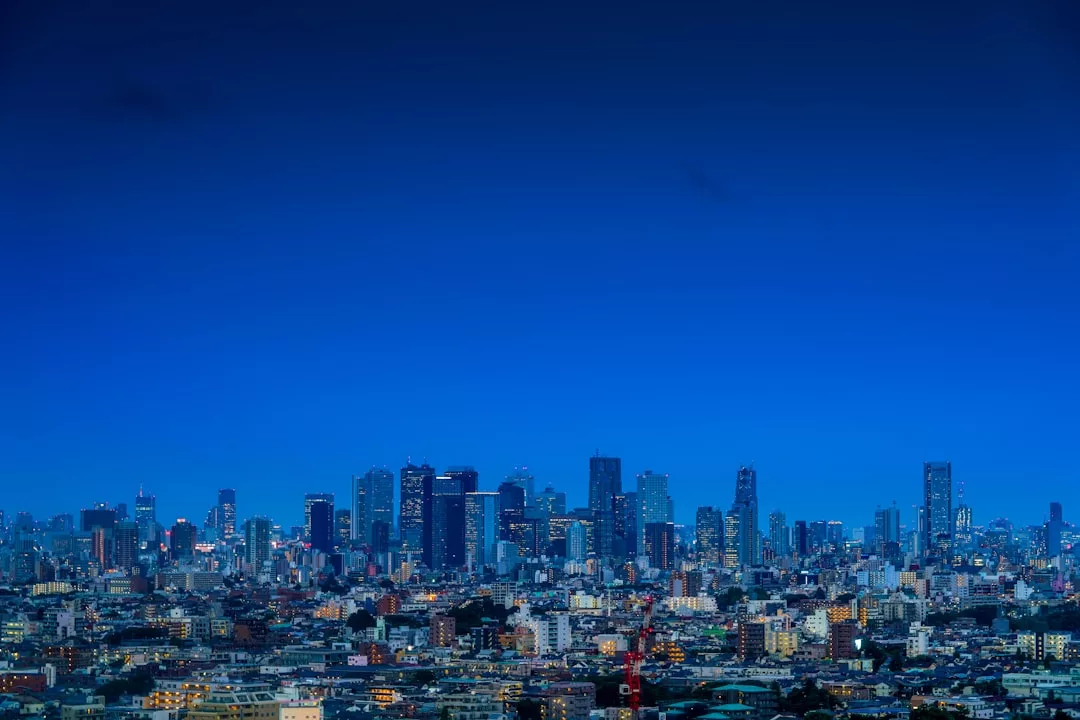
Oslo, the capital of Norway, has undergone significant transformations in its infrastructure landscape over the past few decades. As a city that balances modernity with a rich historical heritage, Oslo’s infrastructure developments reflect its commitment to sustainability, innovation, and urban livability. The city has invested heavily in various projects, including transportation systems, public spaces, and utilities, all aimed at enhancing the quality of life for its residents while accommodating a growing population.
This focus on infrastructure is not merely about physical structures; it encompasses a broader vision of creating a cohesive urban environment that fosters economic growth and social interaction. The Norwegian government, along with local authorities, has prioritized infrastructure as a key driver of urban development. This is evident in the ambitious plans laid out in the Oslo Urban Development Plan, which aims to create a more interconnected city.
Projects such as the expansion of public transportation networks, the development of smart city technologies, and the enhancement of pedestrian and cycling pathways are all part of this vision. As Oslo continues to evolve, understanding the implications of these infrastructure developments on property values becomes increasingly important for investors, homeowners, and urban planners alike.
Key Takeaways
- Infrastructure developments in Oslo have a significant impact on property values, making it an important factor to consider for both investors and homeowners.
- Transportation infrastructure, such as new metro lines and highways, can lead to substantial increases in property values in the surrounding areas.
- Green spaces and parks also play a crucial role in boosting property values, as they enhance the quality of life and attractiveness of the neighborhood.
- Commercial property values are heavily influenced by the availability of infrastructure, with well-connected areas commanding higher prices.
- The future of infrastructure developments in Oslo will continue to shape the property market, making it essential for stakeholders to stay informed and adapt to these changes.
The Relationship Between Infrastructure and Property Values
The relationship between infrastructure and property values is a well-documented phenomenon in urban economics. Infrastructure improvements can lead to increased accessibility, which in turn enhances the desirability of certain areas.
This increased demand typically results in higher property values. In Oslo, this relationship is particularly pronounced due to the city’s unique geographical layout and its commitment to sustainable urban development. Moreover, the type of infrastructure plays a crucial role in determining its impact on property values.
For instance, transportation infrastructure tends to have a more immediate effect on residential property values compared to other types of infrastructure. Areas that benefit from new metro lines or tram services often see a spike in property prices as commuters seek convenient access to the city center. Conversely, investments in utilities or public amenities may take longer to translate into property value increases but can significantly enhance the overall livability of an area, thereby attracting buyers over time.
Case Studies of Infrastructure Projects and Property Value Increases
Several notable infrastructure projects in Oslo serve as prime examples of how such developments can lead to substantial increases in property values. One prominent case is the expansion of the Oslo Metro system, particularly the recent upgrades to the Majorstuen station and the extension towards Fornebu. This project not only improved connectivity for residents but also spurred new residential developments in previously underutilized areas.
Following the announcement and subsequent completion of these upgrades, property values in neighborhoods adjacent to the new metro stations saw an increase of up to 20% within just a few years. Another significant project is the redevelopment of Bjørvika, an area that has transformed dramatically over the last decade. Once an industrial zone, Bjørvika has been revitalized into a vibrant urban district featuring residential buildings, cultural institutions like the Opera House, and commercial spaces.
The construction of the new waterfront promenade and improved access to public transport has made Bjørvika one of the most sought-after locations in Oslo.
The Role of Transportation Infrastructure in Property Value
Transportation infrastructure is often considered one of the most critical factors influencing property values. In Oslo, the integration of various modes of transport, such as buses, trams, and metro lines, has created a comprehensive network that enhances mobility for residents. The ease of commuting not only makes certain neighborhoods more attractive but also encourages businesses to establish themselves in areas with robust transportation links.
For instance, neighborhoods like Grünerløkka and Tøyen have seen significant property value increases due to their proximity to efficient public transport options. Furthermore, Oslo’s commitment to sustainable transportation solutions has also played a role in shaping property values. The city’s investment in cycling infrastructure and pedestrian-friendly initiatives has made it easier for residents to navigate without relying solely on cars.
This shift towards sustainable transport options has led to increased demand for properties located near bike paths and walkable areas. As more people prioritize eco-friendly living, properties that offer easy access to these amenities are likely to see continued appreciation in value.
The Impact of Green Spaces and Parks on Property Values
Green spaces and parks are essential components of urban infrastructure that significantly influence property values. In Oslo, where nature is an integral part of the city’s identity, access to parks and recreational areas can enhance the desirability of residential neighborhoods. Studies have shown that properties located near parks tend to command higher prices due to the perceived benefits associated with green spaces, such as improved air quality, opportunities for outdoor activities, and aesthetic appeal.
One notable example is Frogner Park, one of Oslo’s largest and most popular parks. Properties situated within walking distance of this expansive green space have consistently demonstrated higher market values compared to those further away. The park’s historical significance and recreational offerings make it a focal point for residents seeking a balance between urban living and nature.
As Oslo continues to prioritize green initiatives and expand its network of parks, it is likely that property values in proximity to these areas will continue to rise.
The Influence of Infrastructure on Commercial Property Values
Infrastructure developments also play a pivotal role in shaping commercial property values. In Oslo, businesses are increasingly drawn to areas with robust infrastructure that supports their operations and enhances customer accessibility. The establishment of new commercial hubs often coincides with significant infrastructure investments, such as improved transportation links or upgraded utilities.
For instance, the development of new office spaces in areas like Barcode Project has been closely tied to enhancements in public transport and pedestrian access. Moreover, commercial properties located near major infrastructure projects tend to attract higher rental rates due to increased foot traffic and visibility. Retailers often seek locations that benefit from high levels of accessibility and exposure, making them willing to pay a premium for properties situated near key transport nodes or popular attractions.
As Oslo continues to invest in its infrastructure, commercial property owners can expect sustained interest from businesses looking to capitalize on these developments.
The Future of Infrastructure Developments and Property Values in Oslo
Looking ahead, Oslo’s commitment to infrastructure development is poised to shape its property market significantly. With ongoing projects aimed at enhancing public transport networks, expanding green spaces, and promoting sustainable urban living, the city is likely to see continued growth in property values across various sectors. The integration of smart city technologies will further enhance urban infrastructure by improving efficiency and connectivity, making certain neighborhoods even more desirable.
Additionally, as Oslo prepares for future challenges such as climate change and population growth, investments in resilient infrastructure will become increasingly important. Properties located in areas that prioritize sustainability and adaptability are expected to attract premium prices as buyers become more conscious of environmental considerations. The ongoing evolution of Oslo’s infrastructure will undoubtedly create new opportunities for investors while reshaping the dynamics of its real estate market.
The Importance of Infrastructure in Oslo’s Property Market
Infrastructure developments are fundamental to understanding the dynamics of Oslo’s property market. From transportation networks that enhance accessibility to green spaces that improve quality of life, each aspect of infrastructure plays a crucial role in determining property values across the city. As Oslo continues its journey towards becoming a more interconnected and sustainable urban environment, stakeholders must recognize the profound impact that infrastructure has on real estate trends.
By investing in infrastructure today, Oslo is not only enhancing its livability but also ensuring that its property market remains robust and resilient for years to come.
Same market
More from Oslo
Oslo · 6 min
Sustainable Building Practices: Leading the Way in Oslo
Sustainable building practices have emerged as a critical response to the pressing environmental challenges of our time. These practices encompass a w…

Oslo · 6 min
Trends in Oslo’s Property Prices Over the Last Decade
Oslo, the capital of Norway, has emerged as a vibrant hub for real estate investment and development in recent years. With its picturesque landscapes,…

Oslo · 7 min
Living in Frogner: The Heart of Oslo’s Urban Luxury
Frogner, a prestigious district in Oslo, epitomizes the blend of urban sophistication and natural beauty that characterizes Norway’s capital. Ne…