Monaco · 43.74°N 7.42°E · File 1124
The Impact of New Construction Projects on the Monaco Market
Monaco, a small yet affluent city-state on the French Riviera, has long been synonymous with wealth and luxury. Its economy is primarily driven by tourism, finance, and real estate…
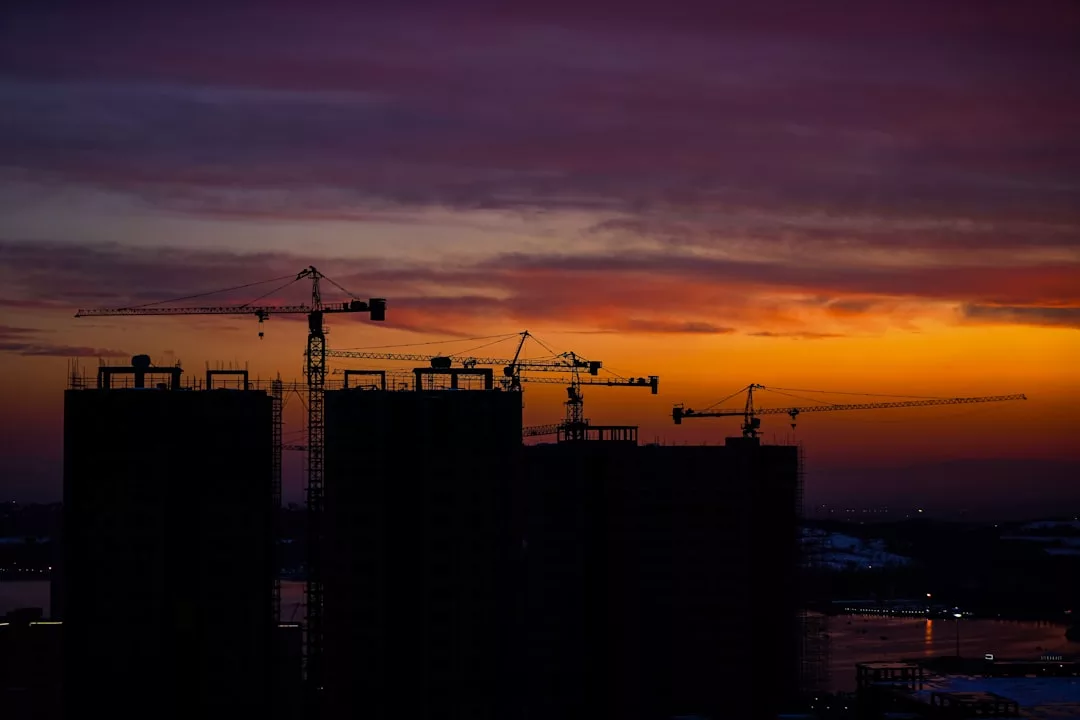
Monaco, a small yet affluent city-state on the French Riviera, has long been synonymous with wealth and luxury. Its economy is primarily driven by tourism, finance, and real estate, which have collectively contributed to its remarkable economic growth over the past few decades. The principality has established itself as a global financial hub, attracting high-net-worth individuals and businesses seeking a favorable tax environment.
The absence of personal income tax has made Monaco particularly appealing to wealthy expatriates, leading to an influx of capital that has bolstered the local economy. In recent years, Monaco has also diversified its economic portfolio by investing in technology and innovation. The government has initiated various programs aimed at fostering entrepreneurship and attracting tech startups. As Monaco continues to evolve, its commitment to maintaining a stable and prosperous economic environment remains a top priority, ensuring that it retains its status as a premier destination for both tourists and investors alike.
Key Takeaways
- Economic growth and development are closely tied to real estate prices, infrastructure, and job creation.
- Changes in real estate prices can have a significant impact on the overall economic health of a region.
- Infrastructure and urban planning play a crucial role in shaping the development and growth of a city or region.
- Environmental impact should be carefully considered in all development and growth initiatives.
- Job creation and employment opportunities are key indicators of economic health and development.
Changes in Real Estate Prices
The real estate market in Monaco is one of the most expensive in the world, with property prices consistently reaching astronomical levels. Over the past decade, the demand for luxury apartments and villas has surged, driven by the influx of wealthy individuals seeking residence in this glamorous enclave. The limited availability of land combined with high demand has resulted in a competitive market where prices have skyrocketed.
In some areas, property values have increased by over 20% annually, making it increasingly challenging for even affluent buyers to enter the market. This rapid escalation in real estate prices has sparked concerns about affordability and accessibility for local residents. While the luxury market thrives, there is a growing need for more affordable housing options to accommodate the workforce that supports Monaco’s economy.
The government has recognized this issue and is exploring various initiatives to balance the needs of both residents and investors. As Monaco navigates these challenges, the real estate landscape will continue to evolve, reflecting broader economic trends and demographic shifts within the principality.
Infrastructure and Urban Planning
Monaco’s unique geographical layout presents both opportunities and challenges for urban planning and infrastructure development. The principality is characterized by its mountainous terrain and limited land area, necessitating innovative solutions to accommodate its growing population and tourism demands. In recent years, significant investments have been made in infrastructure projects aimed at enhancing connectivity and improving public services.
The expansion of public transportation systems, including the introduction of electric buses and enhanced rail links, reflects Monaco’s commitment to sustainable urban development. The government has prioritized the development of parks and recreational areas to enhance the quality of life for residents while also attracting tourists.
These efforts are complemented by strict building regulations that ensure new developments align with Monaco’s aesthetic and environmental standards. As the principality continues to grow, its approach to infrastructure and urban planning will play a crucial role in shaping its future.
Environmental Impact
As Monaco grapples with rapid development and urbanization, environmental sustainability has emerged as a critical concern. The principality is acutely aware of its ecological footprint, given its small size and dense population. In response, the government has implemented various initiatives aimed at reducing carbon emissions and promoting sustainable practices.
One notable effort is the commitment to transitioning to renewable energy sources, with plans to increase solar energy production significantly in the coming years. Additionally, Monaco has taken steps to protect its marine environment, recognizing the importance of preserving its coastal ecosystems. Initiatives such as beach clean-up campaigns and marine conservation programs have been launched to safeguard the waters surrounding the principality.
The government is also actively promoting eco-friendly transportation options, encouraging residents and visitors to utilize public transport or electric vehicles. As Monaco continues to develop economically, balancing growth with environmental stewardship will be essential for ensuring a sustainable future.
Job Creation and Employment Opportunities
The economic growth experienced by Monaco has led to an increase in job creation across various sectors. The tourism industry remains a significant source of employment, with hotels, restaurants, and entertainment venues constantly seeking skilled workers to meet the demands of visitors. Additionally, the financial services sector has expanded, creating opportunities for professionals in banking, investment management, and legal services.
This diversification of employment opportunities is crucial for attracting talent from around the world. However, despite these positive trends, challenges remain in ensuring that local residents benefit from job creation efforts. The high cost of living in Monaco can deter potential employees from seeking work within the principality.
To address this issue, the government is focusing on initiatives that promote vocational training and education programs tailored to meet the needs of local industries. By equipping residents with the necessary skills and knowledge, Monaco aims to create a more inclusive job market that provides opportunities for all.
Demographic Shifts
Monaco’s demographic landscape is undergoing significant changes as it attracts a diverse population of expatriates from various countries. The influx of wealthy individuals seeking residence in the principality has contributed to a multicultural environment that enriches the social fabric of Monaco. This demographic shift has implications for various aspects of life in the city-state, including education, healthcare, and cultural exchange.
As the population becomes increasingly diverse, there is a growing demand for services that cater to different cultural backgrounds. Schools are adapting their curricula to accommodate international students, while healthcare providers are expanding their offerings to meet the needs of a varied population. Additionally, cultural events celebrating different traditions are becoming more prevalent, fostering a sense of community among residents.
As Monaco continues to evolve demographically, embracing diversity will be key to maintaining social cohesion and harmony within this vibrant city-state.
Impact on Local Businesses
The economic growth experienced by Monaco has had a profound impact on local businesses, both positively and negatively. On one hand, the influx of tourists and wealthy residents has created new opportunities for entrepreneurs and established businesses alike. Restaurants, boutiques, and luxury service providers have flourished in response to increased demand, contributing to a vibrant local economy.
Many businesses have adapted their offerings to cater specifically to high-end clientele, further solidifying Monaco’s reputation as a luxury destination. Conversely, the rising cost of living and real estate prices pose challenges for local businesses trying to maintain profitability. Small enterprises may struggle to compete with larger corporations that dominate the luxury market.
Additionally, as property prices soar, some local businesses may be forced to relocate or close altogether due to unsustainable rent costs. To mitigate these challenges, the government is exploring initiatives aimed at supporting small businesses through grants and incentives while promoting a balanced economic ecosystem that benefits all stakeholders.
Social and Cultural Changes
The social landscape of Monaco is evolving as it embraces a more cosmopolitan identity shaped by its diverse population. Cultural events celebrating art, music, and cuisine from around the world are becoming increasingly common, reflecting the interests of both residents and visitors. The annual Monte-Carlo Jazz Festival and various art exhibitions showcase international talent while fostering a sense of community among attendees.
Moreover, social changes are evident in how residents engage with one another across cultural boundaries. Networking events and community gatherings provide opportunities for individuals from different backgrounds to connect and collaborate on various initiatives. This cultural exchange enriches Monaco’s social fabric while promoting inclusivity and understanding among its residents.
As Monaco continues to navigate these social changes, it remains committed to preserving its unique heritage while embracing modernity. The principality’s ability to adapt to shifting cultural dynamics will be essential for maintaining its status as a vibrant hub of luxury living and global connectivity. In conclusion, Monaco stands at a crossroads where economic growth meets social evolution; how it balances these elements will shape its future trajectory as a leading city-state on the world stage.
Same market
More from Monaco
Monaco · 14 min
Monaco Property Investment
Monaco property investment guide: prices over €100,000/m², zero income tax, residency rules and 9-11% costs. Learn why it’s the ultimate capital…

Monaco · 8 min
The Impact of Home Office on Monaco’s Luxury Property Market
Monaco, a tiny principality nestled along the French Riviera, is synonymous with opulence and exclusivity. Known for its stunning Mediterranean coastl…

Monaco · 5 min
Attracting International Buyers for Your Property
In today’s interconnected world, the international real estate market has become a dynamic and multifaceted arena. Investors and buyers from var…