Dubai · 25.20°N 55.27°E · File 844
Investing in Dubai: Tips for First-Timers
Dubai, a city that has rapidly transformed from a modest fishing village into a global metropolis, stands as a beacon of opportunity in the Middle East. Its strategic location at t…
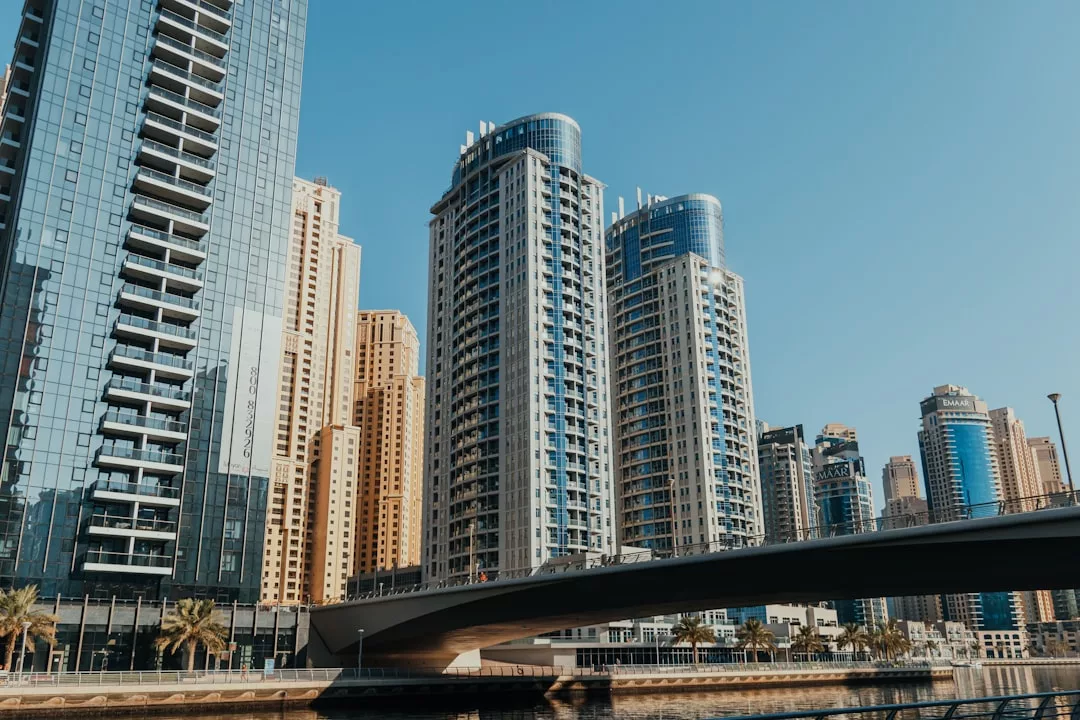
Dubai, a city that has rapidly transformed from a modest fishing village into a global metropolis, stands as a beacon of opportunity in the Middle East. Its strategic location at the crossroads of Europe, Asia, and Africa has made it a hub for trade, tourism, and finance. The emirate boasts a diverse economy that extends beyond oil, with sectors such as tourism, real estate, aviation, and technology playing pivotal roles.
This diversification has not only bolstered its economic resilience but has also attracted a myriad of investors seeking to capitalize on the city’s growth potential. Iconic structures like the Burj Khalifa and the Palm Jumeirah symbolize the city’s ambition and allure.
The market is known for its high rental yields and capital appreciation, making it an attractive option for both local and international investors. However, understanding the dynamics of this market is crucial; fluctuations in demand, regulatory changes, and global economic conditions can significantly impact investment outcomes. Therefore, a comprehensive grasp of the local market trends and consumer behavior is essential for anyone looking to invest in Dubai.
Key Takeaways
- Dubai market offers diverse investment opportunities in real estate, tourism, finance, and technology sectors
- Research thoroughly before investing in any opportunity to understand market trends and potential risks
- Understand legal and regulatory requirements to ensure compliance with local laws and regulations
- Seek professional advice from legal, financial, and real estate experts to make informed investment decisions
- Assess the risk and potential return of each investment opportunity before making any financial commitments
Researching Investment Opportunities
Identifying Interests and Risk Tolerance
Investors should begin by identifying their interests and risk tolerance, as this will guide their search for suitable opportunities. For instance, those interested in real estate may explore high-end residential developments or commercial spaces in prime locations, while others might consider investing in tech startups that are gaining traction in the region.Networking and Research
Attending industry conferences, networking events, and trade shows can provide invaluable insights into emerging trends and potential investment avenues. Engaging with local business communities and online platforms dedicated to investment discussions can also yield useful information.Leveraging Data Analytics
Additionally, leveraging data analytics tools can help investors assess market conditions and identify lucrative opportunities based on historical performance and future projections. In essence, diligent research lays the groundwork for informed decision-making and enhances the likelihood of successful investments in Dubai.Navigating Legal and Regulatory Requirements
Investing in Dubai necessitates a clear understanding of the legal and regulatory landscape. The emirate has established a robust framework to facilitate foreign investment while ensuring compliance with local laws. One of the first steps for potential investors is to familiarize themselves with the various ownership structures available.
For instance, foreign investors can own 100% of their businesses in designated free zones, while outside these areas, they may need a local partner to hold a majority stake. Additionally, it is crucial to be aware of the licensing requirements specific to different sectors. The Department of Economic Development (DED) oversees business licensing in Dubai, and obtaining the necessary permits can be a complex process that varies depending on the nature of the investment.
Investors should also consider engaging legal professionals who specialize in UAE law to navigate this intricate landscape effectively. Understanding the implications of laws related to property ownership, taxation, and labor regulations will not only ensure compliance but also safeguard investments against potential legal disputes.
Seeking Professional Advice
In a market as dynamic as Dubai’s, seeking professional advice is not just beneficial; it is often essential. Real estate agents, financial advisors, and legal consultants with expertise in the local market can provide invaluable guidance tailored to individual investment goals. These professionals possess insights into market trends, pricing strategies, and negotiation tactics that can significantly enhance an investor’s position.
Moreover, engaging with local experts can help mitigate risks associated with cultural misunderstandings or regulatory missteps. For instance, understanding the nuances of Emirati business culture can facilitate smoother negotiations and foster stronger relationships with local partners or clients. Additionally, financial advisors can assist in structuring investments in a way that maximizes returns while minimizing tax liabilities.
Ultimately, leveraging professional expertise can streamline the investment process and increase the likelihood of achieving desired outcomes.
Assessing Risk and Return
Every investment carries inherent risks, and Dubai is no exception. Investors must conduct a thorough risk assessment before committing capital to any venture. This involves analyzing market volatility, economic indicators, and sector-specific challenges that could impact returns.
For instance, while the real estate market has historically shown resilience, fluctuations in global oil prices or geopolitical tensions could influence demand for properties. Furthermore, understanding the potential return on investment (ROI) is crucial for making informed decisions. Investors should evaluate historical performance data and consider factors such as rental yields, capital appreciation rates, and occupancy levels when assessing real estate opportunities.
In addition to quantitative analysis, qualitative factors such as location desirability and future development plans should also be taken into account. By balancing risk assessment with potential returns, investors can make strategic choices that align with their financial objectives.
Understanding Cultural and Business Etiquette
Cultural awareness plays a significant role in navigating the business landscape of Dubai. The emirate is home to a diverse population representing various nationalities and cultures; thus, understanding local customs and etiquette is essential for building successful business relationships. For instance, greetings often involve a handshake accompanied by a warm smile, but it is important to be mindful of cultural sensitivities regarding physical contact between genders.
Moreover, business meetings in Dubai typically begin with small talk before transitioning into formal discussions. Additionally, being respectful of local traditions and holidays can foster goodwill among business partners.
Understanding these cultural nuances not only enhances communication but also demonstrates respect for the local way of life, an essential aspect of conducting business successfully in Dubai.
Considering Tax Implications
One of the attractive features of investing in Dubai is its favorable tax environment. The emirate has no personal income tax or capital gains tax for individuals, making it an appealing destination for investors seeking to maximize their returns. However, it is essential to understand the nuances of taxation related to specific investments or business activities.
For instance, while many sectors enjoy tax exemptions, certain industries may be subject to specific fees or levies. Additionally, foreign investors should be aware of any tax obligations in their home countries that may arise from investments made abroad. Consulting with tax professionals who are well-versed in both UAE tax laws and international tax treaties can help investors navigate these complexities effectively.
By understanding tax implications thoroughly, investors can optimize their financial strategies and ensure compliance with all relevant regulations.
Monitoring and Evaluating Investment Performance
Once investments are made in Dubai, ongoing monitoring and evaluation are critical to ensuring long-term success. Investors should establish key performance indicators (KPIs) that align with their investment goals, be it rental income growth, property appreciation rates, or overall portfolio performance. Regularly reviewing these metrics allows investors to identify trends and make informed decisions about whether to hold or divest assets.
Additionally, staying informed about market developments is essential for adapting investment strategies as needed. Economic shifts, regulatory changes, or emerging trends can all impact investment performance; thus, being proactive in response to these factors is crucial. Engaging with local market analysts or subscribing to industry reports can provide valuable insights into current conditions and future projections.
Ultimately, diligent monitoring ensures that investments remain aligned with objectives and allows for timely adjustments to optimize returns in Dubai’s ever-evolving market landscape.
Same market
More from Dubai

Dubai · 14 min
Dubai Luxury Real Estate Guide
Dubai luxury real estate guide: 2025 prices for Palm Jumeirah, Emirates Hills and Downtown villas, zero-tax benefits, Golden Visa and the 2026 market …

Dubai · 6 min
The Impact of Expo City Proximity on Real Estate Market
Expo City, a vibrant hub of innovation and culture, has emerged as a focal point for global attention since the World Expo 2020 was held there. Locate…

Dubai · 6 min
Exclusive Gated Communities in Dubai: Privacy and Security
In recent years, Dubai has witnessed a remarkable transformation in its real estate landscape, particularly with the emergence of exclusive gated comm…