Dubai · 25.20°N 55.27°E · File 858
Investment or Homeownership: What Pays Off More in Dubai
Dubai, a city that has rapidly transformed from a modest fishing village into a global metropolis, is renowned for its opulent lifestyle, architectural marvels, and vibrant economy…
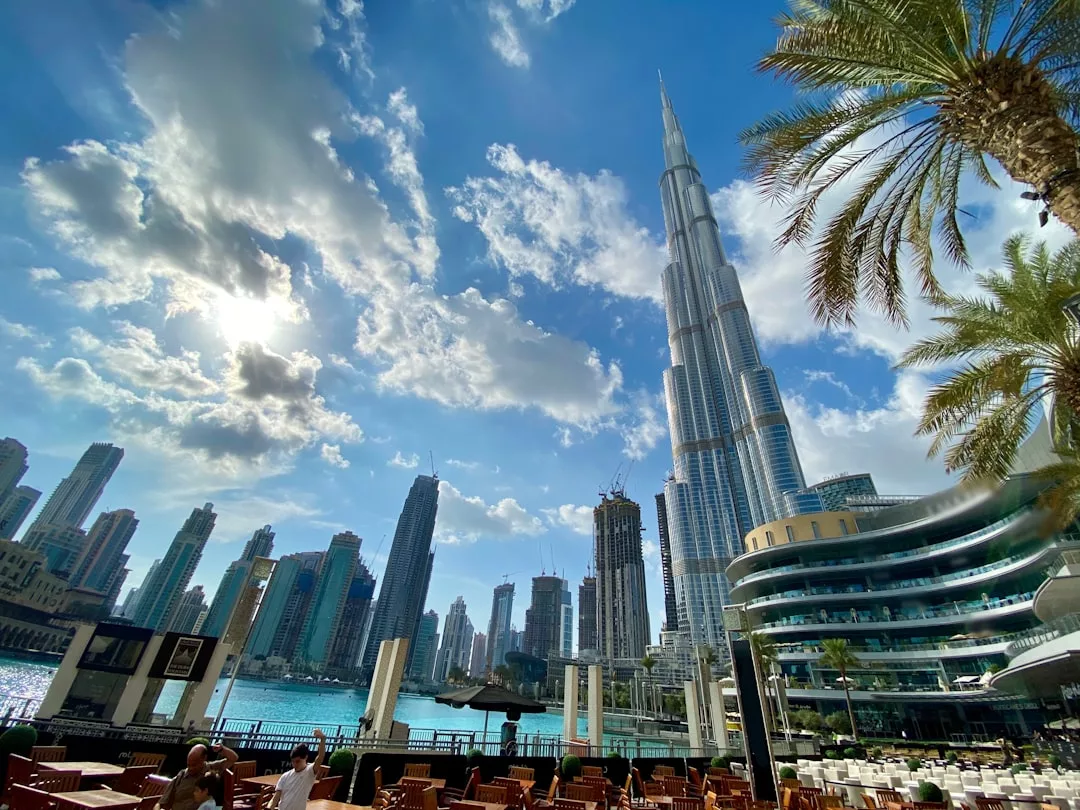
Dubai, a city that has rapidly transformed from a modest fishing village into a global metropolis, is renowned for its opulent lifestyle, architectural marvels, and vibrant economy. The real estate market in Dubai has become a focal point for investors and homeowners alike, drawing attention from around the world. With its strategic location, favorable business environment, and a plethora of luxury developments, Dubai’s property market offers a unique blend of opportunities and challenges.
As the city continues to evolve, understanding the dynamics of its real estate sector is crucial for anyone considering investment or homeownership. The allure of Dubai’s real estate market is not merely in its stunning skyline or luxurious amenities; it is also rooted in the potential for substantial returns on investment. The emirate has established itself as a hub for international business and tourism, which has fueled demand for both residential and commercial properties.
However, navigating this complex market requires a keen understanding of the various factors that influence property values, rental yields, and overall market stability. This article aims to explore the pros and cons of investing in property and homeownership in Dubai, providing insights into the current trends and future forecasts that can guide potential investors and homeowners in making informed decisions.
Key Takeaways
- The real estate market in Dubai is dynamic and offers a range of opportunities for investors and homeowners.
- Pros of investing in property in Dubai include high rental yields, tax-free rental income, and a growing demand for rental properties.
- Cons of investing in property in Dubai include market volatility, oversupply in certain areas, and potential legal and regulatory challenges.
- Pros of homeownership in Dubai include stability, potential for capital appreciation, and the ability to customize and personalize your living space.
- Cons of homeownership in Dubai include high upfront costs, ongoing maintenance expenses, and potential for market downturns affecting property value.
Pros and Cons of Investing in Property in Dubai
High Rental Yields and Passive Income
One of the most significant benefits of investing in property in Dubai is the potential for high rental yields. Dubai’s real estate market has historically offered some of the highest rental returns globally, often exceeding 7% annually. This is particularly appealing for investors looking to generate passive income. Additionally, the absence of property taxes in Dubai means that investors can retain more of their earnings, further enhancing the attractiveness of property investment.Strategic Location and Robust Infrastructure
Dubai’s strategic location as a gateway between Europe, Asia, and Africa makes it an ideal spot for businesses and expatriates. The city’s robust infrastructure, including world-class airports and transport systems, supports its status as a global business hub. This influx of expatriates seeking housing creates a consistent demand for rental properties, ensuring that investors can find tenants relatively easily.Challenges and Considerations
However, investing in property in Dubai is not without its challenges. One notable concern is market volatility. While the potential for high returns exists, the market can also experience fluctuations due to various factors such as economic downturns or changes in government policies. Investors must be prepared for the possibility of declining property values or extended vacancy periods during economic slumps. Additionally, navigating the legal landscape can be complex for foreign investors unfamiliar with local regulations and practices. Another drawback is the initial capital required to enter the market. Therefore, potential investors must conduct thorough research and consider their financial capabilities before committing to a property purchase.Pros and Cons of Homeownership in Dubai
Homeownership in Dubai offers a unique set of advantages that can enhance one’s quality of life while providing financial benefits. One of the primary advantages is the sense of stability and security that comes with owning a home. Unlike renting, where tenants are subject to lease agreements and potential rent increases, homeowners have control over their living situation.
This stability can be particularly appealing for families or individuals looking to establish roots in the city. Additionally, owning property in Dubai can serve as a long-term investment strategy. As property values have historically appreciated over time, homeowners may benefit from capital gains when they decide to sell their homes.
Furthermore, with the absence of property taxes, homeowners can enjoy their investment without worrying about additional financial burdens that often accompany homeownership in other countries. This financial advantage can make owning a home in Dubai an attractive proposition for those looking to build wealth over time. On the flip side, homeownership in Dubai comes with its own set of challenges.
One significant drawback is the high upfront costs associated with purchasing property. Buyers must consider not only the purchase price but also additional expenses such as registration fees, maintenance costs, and potential homeowners’ association fees. These costs can add up quickly and may deter some individuals from pursuing homeownership.
Moreover, while owning a home provides stability, it also ties individuals to a specific location. Selling a property can take time and may not always yield immediate returns if market conditions are unfavorable.
Therefore, prospective homeowners must weigh their desire for stability against their long-term plans and potential mobility needs.
When evaluating return on investment (ROI) in Dubai’s real estate market, it is essential to differentiate between property investment and homeownership. For investors seeking rental income, purchasing investment properties can yield substantial returns through rental yields and capital appreciation. As previously mentioned, Dubai’s rental market has historically provided attractive yields, making it an appealing option for those looking to generate passive income.
In contrast, homeowners may not experience immediate financial returns in the same way as investors. While owning a home can lead to capital appreciation over time, the primary benefit often lies in personal satisfaction and stability rather than immediate financial gain. Homeowners may also face costs associated with maintenance and repairs that can impact their overall ROI.
However, as property values increase over time, homeowners can still realize significant gains when they eventually sell their homes. Ultimately, the decision between investing in property or pursuing homeownership in Dubai depends on individual financial goals and circumstances. Investors may prioritize cash flow and ROI through rental income, while homeowners may value stability and long-term appreciation.
Understanding these differences is crucial for making informed decisions that align with one’s financial objectives.
Market Trends and Forecast for Property Investment in Dubai
The real estate market in Dubai has shown resilience despite global economic challenges, with several trends shaping its future landscape. One notable trend is the increasing demand for affordable housing options. As more expatriates flock to Dubai for work opportunities, there is a growing need for budget-friendly properties that cater to this demographic.
Developers are responding by creating more mid-range housing projects that offer quality living at accessible price points. Additionally, sustainability has become a key focus within Dubai’s real estate sector. With an increasing emphasis on eco-friendly developments and smart city initiatives, investors are increasingly drawn to properties that prioritize sustainability features.
This trend aligns with global shifts towards environmentally conscious living and presents opportunities for investors looking to capitalize on this growing demand. Looking ahead, experts predict continued growth in Dubai’s real estate market driven by factors such as population growth, economic diversification efforts, and ongoing infrastructure development projects. The government’s commitment to enhancing the business environment through initiatives like long-term residency visas for investors further bolsters confidence in the market’s future prospects.
Market Trends and Forecast for Homeownership in Dubai
Homeownership trends in Dubai are evolving alongside broader market dynamics, reflecting changing demographics and lifestyle preferences among residents. One significant trend is the increasing interest among millennials and younger professionals in purchasing homes rather than renting. This shift is driven by a desire for stability and investment opportunities as these individuals seek to establish roots in the city.
Moreover, there is a growing preference for community living among homeowners in Dubai. Developments that offer integrated amenities such as parks, schools, and retail spaces are becoming increasingly popular as families prioritize quality of life when choosing where to live. This trend indicates a shift towards more holistic living environments that cater to residents’ diverse needs.
As we look toward the future, experts anticipate continued growth in homeownership rates within Dubai’s real estate market. Additionally, as more expatriates settle in Dubai long-term, the demand for homes will continue to rise.
Tax and Legal Considerations for Property Investment and Homeownership in Dubai
Navigating the legal landscape of property investment and homeownership in Dubai requires careful consideration of various tax implications and regulations. One of the most appealing aspects of investing in property in Dubai is the absence of property taxes; however, buyers should be aware of other costs associated with purchasing real estate. For instance, buyers must pay a registration fee upon purchasing property, typically around 4% of the property’s value.
Additionally, there may be service charges associated with maintaining common areas within residential developments. Understanding these costs is essential for prospective investors and homeowners to accurately assess their financial commitments. Legal considerations also play a crucial role in property transactions within Dubai.
Foreign investors are permitted to purchase freehold properties in designated areas; however, it is vital to conduct thorough due diligence before making any commitments. Engaging legal professionals who specialize in real estate transactions can help navigate potential pitfalls and ensure compliance with local regulations.
Making the Right Choice for Your Financial Future in Dubai
In conclusion, whether one chooses to invest in property or pursue homeownership in Dubai ultimately depends on individual financial goals and lifestyle preferences. The city’s dynamic real estate market offers numerous opportunities for both investors seeking passive income and individuals looking for stability through homeownership. While investing in property can yield high returns through rental income and capital appreciation, it also comes with risks associated with market volatility and initial capital requirements.
On the other hand, homeownership provides stability but requires careful consideration of long-term plans and associated costs. As Dubai continues to evolve as a global hub for business and tourism, understanding market trends and legal considerations will be essential for making informed decisions about real estate investments or home purchases. By weighing the pros and cons carefully and aligning choices with personal financial objectives, individuals can navigate Dubai’s real estate landscape effectively and secure their financial future within this vibrant city.
Same market
More from Dubai

Dubai · 14 min
Dubai Luxury Real Estate Guide
Dubai luxury real estate guide: 2025 prices for Palm Jumeirah, Emirates Hills and Downtown villas, zero-tax benefits, Golden Visa and the 2026 market …

Dubai · 6 min
The Impact of Expo City Proximity on Real Estate Market
Expo City, a vibrant hub of innovation and culture, has emerged as a focal point for global attention since the World Expo 2020 was held there. Locate…

Dubai · 6 min
Exclusive Gated Communities in Dubai: Privacy and Security
In recent years, Dubai has witnessed a remarkable transformation in its real estate landscape, particularly with the emergence of exclusive gated comm…