Long-Term Appreciation in Ibiza: What Drives the Market
Ibiza’s property market is shaped by limited land, tourism, rentals, sustainability and regulation. A balanced look at what supports long-term value.


Ibiza, one of Spain’s Balearic Islands, is known for its nightlife, beaches and cultural heritage. Beyond that reputation, it has become a significant real estate market, with buyers ranging from affluent individuals seeking vacation homes to investors. This article looks at what has shaped prices over time and what supports long-term value.
Property values here move with demand, location and economic conditions. The island’s appeal reaches beyond its landscapes and lively atmosphere, and interest among domestic and international buyers has surged over the past few years.
Growing demand has raised property prices, which makes the island an option for second homes and rental properties. Investors and homeowners benefit from understanding the historical trends and current dynamics before they decide.
Key Takeaways
- Ibiza’s real estate market has grown significantly in recent years, shaped by tourism, government policy and sustainability considerations.
- Property values have risen over the long term, interrupted by a downturn after the financial crisis of 2008.
- Limited supply, high demand from international buyers and a strong rental market support long-term appreciation.
- Sustainability matters more and more in the market, with a growing emphasis on eco-friendly and energy-efficient properties.
- The role of tourism in Ibiza’s real estate market is significant, with the island’s popularity as a tourist destination driving demand for rental properties and vacation homes.
Historical Trends: Boom, Downturn and Recovery
In the early 2000s, foreign investment and the island’s rising popularity as a tourist destination fueled a significant boom in real estate. Luxury villas and modern apartments were built to meet growing demand. The global financial crisis of 2008 then brought a downturn, with a temporary decline in property values and fewer new developments. In recent years the market has rebounded, helped by the island’s continued appeal as a holiday destination and by interest from high-net-worth individuals seeking exclusive properties.
The market has shifted toward luxury, with buyers willing to invest in high-end villas that offer comfort and privacy. That trend has revitalized the market and set new benchmarks for prices on the island.
What Supports Long-Term Appreciation in Ibiza
Limited land is among the most important factors. Given the island’s small size and strict zoning regulations, only a finite amount of land is available for new properties.
This scarcity creates upward pressure on property values, particularly in sought-after areas such as Ibiza Town and San Antonio, and demand continues to outstrip supply. Tourism is a second factor: the island attracts millions of visitors each year, drawn by beaches, nightlife and cultural events. They support local businesses and create a strong rental market. Many investors buy properties to rent out during peak seasons, which adds to demand and to price pressure.
Sustainability: Eco-Friendly Building and Regulation
Developers and investors focus more and more on sustainable properties that minimize environmental impact while improving quality of life for residents and visitors.
Many new developments use eco-friendly materials and energy-efficient technologies, from solar panels to rainwater harvesting systems. These measures reduce the carbon footprint of properties and appeal to environmentally conscious buyers. Local authorities are also adopting regulations that promote sustainable development, so that future growth aligns with the island’s commitment to preserving its natural heritage.
Tourism and Real Estate in Ibiza: Rental Demand
Millions of visitors each year create strong demand for short-term rental properties. This supports the local economy and draws investors who want to benefit from the rental market, which can in turn lift property values.
Many owners rent out their homes during peak seasons, and the income can offset ownership costs. Tourism also influences buyer preferences: properties near popular beaches or nightlife hotspots tend to command higher prices because of their appeal to tourists.
Investors therefore focus on prime locations with easy access to amenities and attractions. Tourism and real estate reinforce each other, and that supports the island’s standing as an investment destination.
Regulation: Zoning and Rental Licensing
Local authorities have introduced measures to manage growth and preserve the island’s character. Zoning laws determine where new developments can occur, so that construction aligns with environmental considerations and community needs.
These rules balance development and conservation, which sustains the island’s appeal. Recent changes in rental regulations affect the short-term rental market: authorities have introduced stricter licensing requirements for vacation rentals in response to concerns about over-tourism and its effects on local communities.
These rules may pose challenges for some owners, but they also create opportunities for those who meet the new standards. Investors benefit from understanding them before they navigate the market.
Investment Segments: Villas, Apartments, Commercial
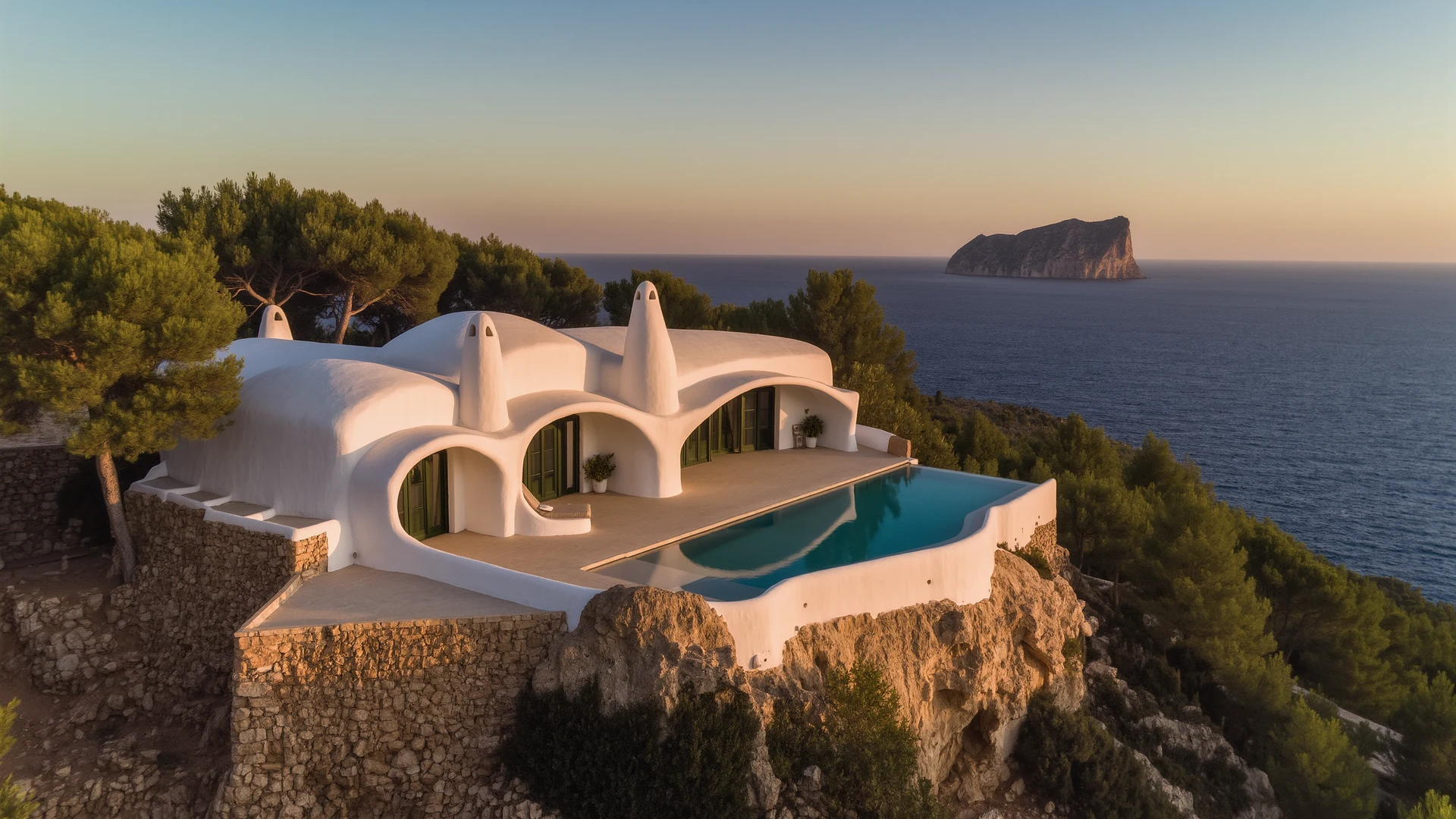
The market offers a range of options, from luxury villas overlooking the Mediterranean Sea to charming apartments in lively towns. The high-end segment has seen particularly strong demand, with buyers willing to pay premium prices for exclusive properties that offer privacy and views.
Commercial real estate is another potential area alongside traditional residential property.
The growing trend of eco-tourism opens further possibilities for sustainable hospitality ventures that match consumer preferences for environmentally friendly experiences.
Outlook for Ibiza’s Real Estate Market
Limited land availability and tourism-driven demand support values over time, although markets can fluctuate and outcomes depend on location, timing and regulation. Investors who weigh these factors carefully may find a long-term opportunity alongside the lifestyle that comes with owning property on the island.
Sustainability is becoming more important for buyers and developers, and Ibiza could lead in eco-friendly real estate practices. By prioritizing environmental stewardship alongside growth, the island can maintain its appeal and protect its natural beauty for future generations.
More from Ibiza
Ibiza Luxury Real Estate: Prices, Enclaves, Outlook
Ibiza luxury real estate guide: 1.4 billion euros in 2025 sales, prime prices up 7.5% yearly, top enclaves, villa rentals, architecture and the tax framework.

Home Staging in Ibiza: Effect on the Sale Price
Home staging in Ibiza: how atmosphere, key features, outdoor spaces, local design, layout and a professional stager shape buyer appeal and the sale price.

Sustainable Building in Ibiza: Trends and Leaders
Sustainable building in Ibiza: why it matters on the island, which trends define it, who leads, what projects show and which obstacles and openings remain.