Oslo · 59.91°N 10.75°E · File 3090
Neighborhoods in Oslo Gaining Popularity Among Buyers
Oslo, the capital of Norway, is a city that beautifully marries its rich history with modern urban development. The neighborhoods of Oslo are as diverse as its population, each off…
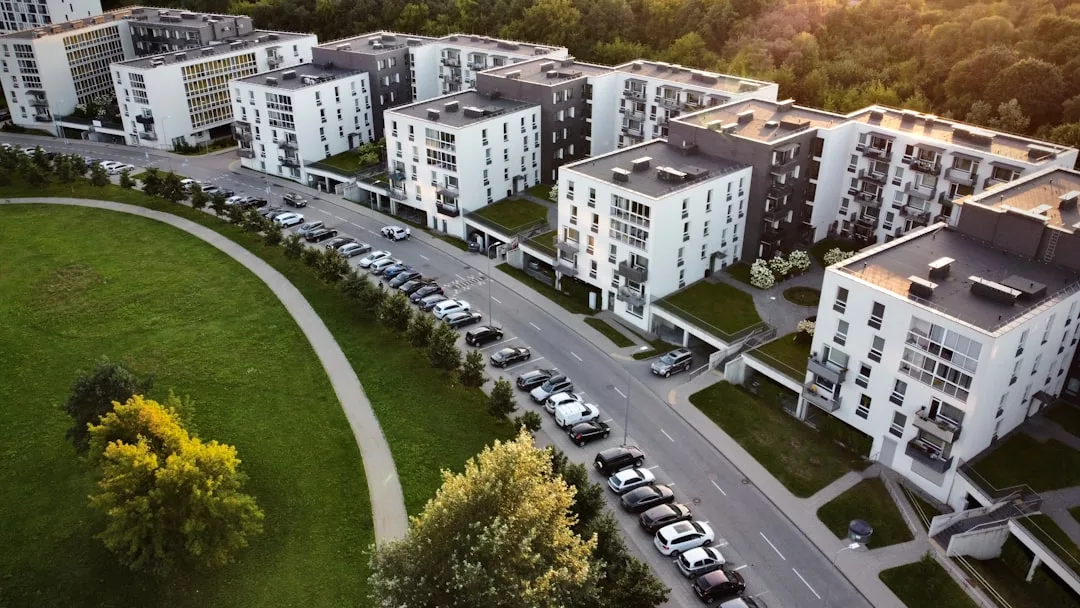
Oslo, the capital of Norway, is a city that beautifully marries its rich history with modern urban development. The neighborhoods of Oslo are as diverse as its population, each offering a unique blend of culture, architecture, and lifestyle. From the bustling streets of Grünerløkka to the serene waterfront of Aker Brygge, the city’s neighborhoods reflect a tapestry of experiences that cater to both locals and visitors alike.
The geographical layout of Oslo, nestled between the fjord and forested hills, further enhances the charm of its neighborhoods, making them not only visually appealing but also functional and accessible. The neighborhoods in Oslo are often characterized by their distinct atmospheres and community vibes. Some areas are known for their vibrant nightlife and artistic scenes, while others offer tranquility and family-friendly environments.
This diversity is a significant draw for individuals and families looking to settle in the city, as it allows for a tailored living experience that aligns with personal preferences and lifestyles. As Oslo continues to evolve, understanding the nuances of its neighborhoods becomes essential for anyone considering a move or investment in this Scandinavian capital.
Key Takeaways
- Oslo is a city with diverse neighborhoods, each offering its own unique charm and character.
- Factors contributing to the popularity of Oslo’s neighborhoods include proximity to nature, good public transportation, and a strong sense of community.
- Up-and-coming neighborhoods in Oslo are experiencing a surge in popularity due to new developments and revitalization efforts.
- Established neighborhoods in Oslo offer a mix of historic charm and modern amenities, making them highly sought after by residents.
- Oslo’s neighborhoods boast a wide range of amenities and attractions, including parks, museums, restaurants, and cultural events.
Factors Contributing to the Popularity
Several factors contribute to the growing popularity of Oslo’s neighborhoods, making them attractive to both residents and investors. One of the primary reasons is the city’s commitment to sustainability and quality of life. Oslo has been recognized as one of the world’s most livable cities, thanks in part to its extensive green spaces, efficient public transportation system, and initiatives aimed at reducing carbon emissions.
This focus on sustainability resonates with many individuals who prioritize environmental consciousness in their living choices. Additionally, Oslo’s neighborhoods benefit from a robust cultural scene that includes art galleries, theaters, music venues, and culinary hotspots. The city hosts numerous festivals throughout the year, celebrating everything from film to food, which fosters a sense of community and engagement among residents.
The presence of educational institutions and research centers also attracts a younger demographic, contributing to a dynamic atmosphere that is both innovative and culturally rich. As a result, neighborhoods that offer a blend of cultural vibrancy and sustainable living are increasingly sought after.
Up-and-Coming Neighborhoods
In recent years, several neighborhoods in Oslo have emerged as up-and-coming areas that promise growth and development. One such neighborhood is Tøyen, which has undergone significant transformation in recent years. Once considered an underdeveloped area, Tøyen is now home to a burgeoning arts scene, trendy cafes, and a diverse population.
The establishment of the Munch Museum has further solidified Tøyen’s status as a cultural hub, attracting visitors and residents alike. Another neighborhood gaining traction is St.
Hanshaugen. Known for its picturesque park and charming residential streets, St. Hanshaugen has become increasingly popular among young professionals and families.
The area boasts a mix of historic buildings and modern architecture, creating a unique aesthetic that appeals to many. With its vibrant café culture and community events, St. Hanshaugen offers a sense of belonging that is often sought after in urban living.
As more amenities are introduced and the neighborhood continues to develop, it is poised to become one of Oslo’s most desirable places to live.
Established Neighborhoods
While new neighborhoods are emerging, established areas like Frogner and Majorstuen continue to hold their appeal due to their historical significance and well-developed infrastructure. Frogner is renowned for its elegant architecture, featuring grand villas and beautiful parks such as Frogner Park, which houses the famous Vigeland Sculpture Park. This neighborhood is characterized by its affluent residents and high-end boutiques, making it one of the most prestigious areas in Oslo. Majorstuen is another established neighborhood that has maintained its popularity over the years. Known for its bustling shopping street, Bogstadveien, Majorstuen offers a mix of retail options ranging from high-end brands to local boutiques.
The area is well-connected by public transport, making it easy for residents to access other parts of the city. Majorstuen also features a variety of dining options, from casual eateries to fine dining establishments, catering to diverse tastes. The neighborhood’s vibrant atmosphere and strong sense of community make it an attractive choice for families and young professionals alike.
Amenities and Attractions
Oslo’s neighborhoods are rich in amenities and attractions that enhance the quality of life for residents. Parks and recreational areas are abundant throughout the city, providing green spaces for relaxation and outdoor activities. For instance, Bygdøy is home to several museums, including the Viking Ship Museum and the Norwegian Museum of Cultural History, making it a cultural hotspot for both locals and tourists.
The waterfront area also offers opportunities for sailing and swimming during the summer months. In addition to cultural attractions, Oslo’s neighborhoods boast a variety of dining options that reflect the city’s culinary diversity. From traditional Norwegian cuisine to international fare, residents can enjoy an array of dining experiences without venturing far from home.
Neighborhoods like Grünerløkka are particularly known for their trendy cafes and restaurants that emphasize locally sourced ingredients and innovative cooking techniques. This focus on gastronomy not only enhances the dining scene but also fosters a sense of community as residents gather to enjoy meals together.
Real Estate Trends and Prices
The real estate market in Oslo has experienced notable trends in recent years, influenced by various economic factors and demographic shifts. As demand for housing continues to rise, particularly in popular neighborhoods, property prices have seen significant increases. Areas like Grünerløkka and Frogner have become particularly competitive due to their desirable locations and amenities.
Buyers are often faced with bidding wars as they vie for limited inventory in these sought-after neighborhoods. Moreover, the trend towards urban living has led to an increase in demand for smaller apartments and co-living spaces that cater to young professionals and students. Developers are responding by creating modern living spaces that maximize functionality while maintaining aesthetic appeal.
This shift towards compact living solutions reflects changing lifestyles where convenience and accessibility are prioritized over larger living spaces. As such, potential buyers should be prepared for fluctuating prices based on neighborhood desirability and market conditions.
Community and Lifestyle
The sense of community in Oslo’s neighborhoods plays a crucial role in shaping residents’ lifestyles. Many areas host regular events such as farmers’ markets, art fairs, and cultural festivals that encourage social interaction among neighbors. For instance, Grünerløkka is known for its vibrant street life where local artists showcase their work alongside food vendors offering delicious treats.
These events foster connections among residents while promoting local businesses. Additionally, Oslo’s neighborhoods often emphasize outdoor activities that promote an active lifestyle. With numerous parks, hiking trails, and waterfront areas available for exploration, residents have ample opportunities to engage with nature while enjoying recreational activities such as cycling or jogging.
This focus on outdoor living contributes to overall well-being and enhances the quality of life within these communities.
Tips for Buying in Oslo’s Neighborhoods
For those considering purchasing property in Oslo’s neighborhoods, several tips can help navigate the competitive real estate market effectively. First and foremost, it is essential to conduct thorough research on different neighborhoods to identify which aligns best with personal preferences regarding lifestyle, amenities, and budget constraints. Understanding local market trends can provide valuable insights into pricing dynamics and potential investment opportunities.
Engaging with local real estate agents who possess in-depth knowledge of specific neighborhoods can also be beneficial. These professionals can offer guidance on available properties while providing information about upcoming developments or changes in zoning regulations that may impact future value. Additionally, being prepared for potential bidding wars by having financing pre-approved can give buyers an edge in securing their desired property amidst high demand.
Furthermore, attending open houses or neighborhood events can provide firsthand experience of the community atmosphere while allowing prospective buyers to envision themselves living there. Building relationships with current residents can also yield valuable insights into daily life within the neighborhood, information that may not be readily available through online research alone. In conclusion, navigating Oslo’s diverse neighborhoods requires careful consideration of various factors ranging from community dynamics to real estate trends.
By understanding what each area has to offer, alongside practical tips for purchasing, individuals can make informed decisions that align with their lifestyle aspirations in this vibrant Scandinavian capital.
Same market
More from Oslo
Oslo · 6 min
Sustainable Building Practices: Leading the Way in Oslo
Sustainable building practices have emerged as a critical response to the pressing environmental challenges of our time. These practices encompass a w…

Oslo · 6 min
Trends in Oslo’s Property Prices Over the Last Decade
Oslo, the capital of Norway, has emerged as a vibrant hub for real estate investment and development in recent years. With its picturesque landscapes,…

Oslo · 7 min
Living in Frogner: The Heart of Oslo’s Urban Luxury
Frogner, a prestigious district in Oslo, epitomizes the blend of urban sophistication and natural beauty that characterizes Norway’s capital. Ne…