New Dubai Developments: Where to Invest for Returns
New construction projects in Dubai: how investors assess locations, property types and developers, and which advantages and risks come with them.
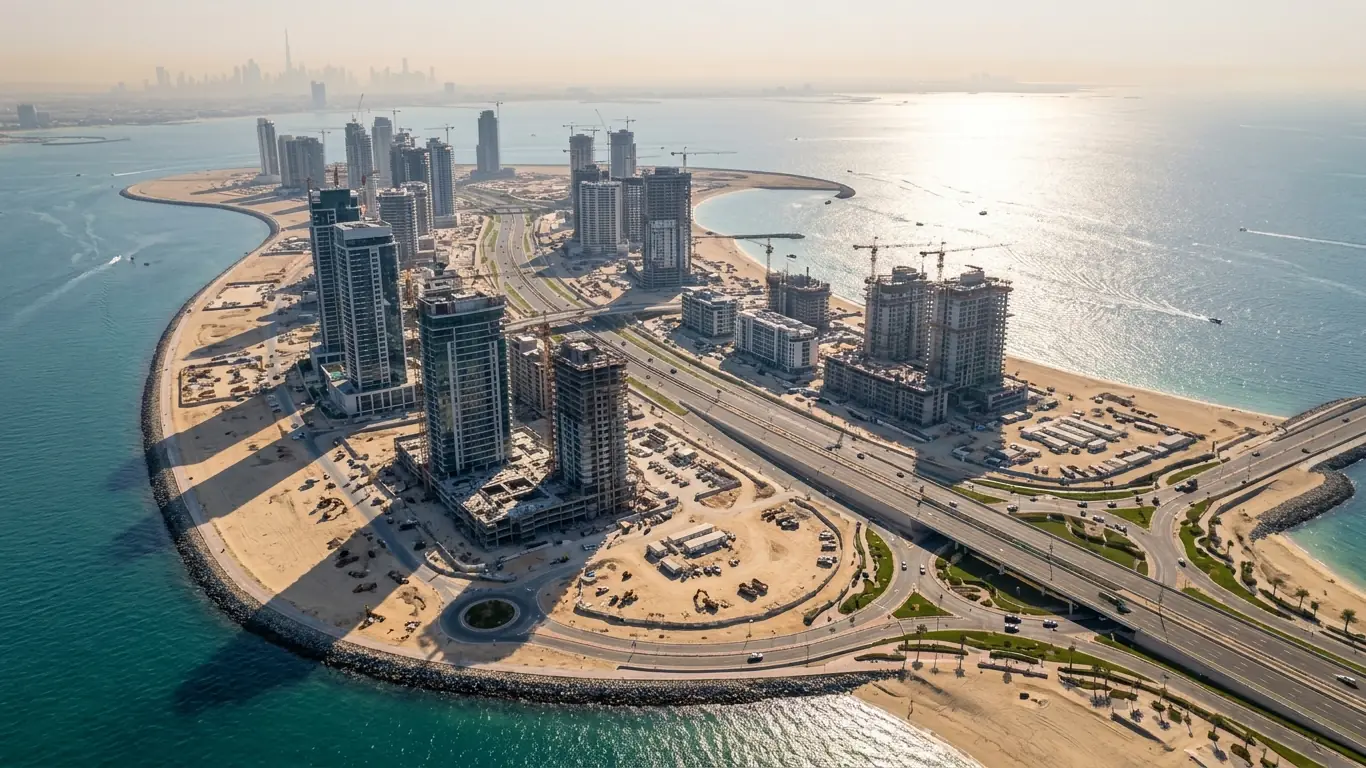

Dubai has become a global hub for real estate investment, and its skyline keeps changing. New construction projects promise aesthetic appeal and investment opportunities alike. This article covers the market, locations, property types and the advantages and risks of investing in them.
Amenities, strategic locations and potential returns attract residents and investors to these projects. Population growth, tourism and a favorable business environment drive construction, and government initiatives to diversify the economy and attract foreign investment add to it. The market is changing into a landscape where innovative design meets sustainable living. The sections below look at key considerations for investors and at the rewards and risks that come with such ventures.
Key Takeaways
- New construction projects in Dubai offer investment opportunities in a rapidly developing city.
- Dubai’s real estate market is dynamic and offers investors a range of options.
- Location, infrastructure and developer reputation deserve careful consideration before investing.
- Downtown Dubai, Dubai Marina and Jumeirah Village Circle are among the locations investors consider.
- Luxury apartments, villas and commercial spaces are the property types to consider.
Overview of the Real Estate Market in Dubai
Dubai’s market is known for resilience and adaptability. Property prices have fluctuated considerably over the past decade, shaped by global economic trends and local demand, yet the city remains an attractive destination for real estate investment.
The market spans luxury villas to high-rise apartments for various demographics and investment strategies. Recently the government has introduced measures to stimulate the sector, including long-term residency visas for investors and streamlined property ownership regulations, which support investor confidence and attract expatriates who want to settle in the city.
Demand for new construction projects has surged, bringing modern living spaces with cutting-edge technology and sustainable features. For investors this market offers a chance to take part in Dubai’s growth trajectory, with the usual market risks.
Factors to Consider When Investing in New Developments
Several factors shape the outcome of an investment in new Dubai projects, and location comes first. A property’s desirability is often set by proximity to essential amenities such as schools, hospitals, shopping centers and public transportation.
Areas under development or revitalization may offer higher potential returns because they attract more residents and businesses. The developer’s reputation is the next critical factor.
Investors should research the developer’s past projects, financial stability and customer reviews to gauge credibility. Payment plans and financing options also influence the decision, and flexible payment structures can ease the financial burden and make investments more accessible.
Leading Locations for New Developments in Dubai
Certain locations stand out for their strategic position and growth potential. Dubai Marina and Downtown Dubai have long been favored by investors for iconic landmarks and vibrant lifestyle offerings, and they attract tourists as well as residents who want luxury living.
Emerging areas such as Dubai South and Mohammed Bin Rashid City are gaining traction. Dubai South, home to the Expo 2020 site, may see growth as infrastructure developments continue to unfold. Mohammed Bin Rashid City aims to create a self-sustaining community with residential, commercial and recreational spaces for families and professionals.
Up-and-coming locations can reward investors as demand increases over time, though outcomes are never certain.
Property Types to Consider for Investment
New projects offer a range of property types for different investment strategies. High-rise apartments are popular with investors who want rental income, as they appeal to young professionals and expatriates seeking urban living, and they often come with gyms, pools and communal spaces.
Villas and townhouses suit families who want more space, typically with private gardens and community facilities that foster belonging. Luxury properties in exclusive developments may offer capital appreciation over time and appeal to high-net-worth individuals who look for prestigious investments.
Understanding the target market for each property type matters for informed investment decisions.
Advantages of Investing in New Developments
New projects offer several advantages for seasoned investors and newcomers alike. The first is the potential for returns: as demand for modern living spaces rises, properties in prime locations may appreciate over time, although no gain is certain.
Appreciation can matter when selling or renting out. New developments also come with state-of-the-art amenities and sustainable features that support their value proposition, and newly constructed properties are less likely to need immediate repairs or renovations than older buildings, which can mean lower maintenance costs.
Risks and Challenges of Investing in New Developments
The advantages come with risks. Market volatility is one: fluctuations in property prices can affect an investor’s return. Economic downturns or changes in government policies can also affect demand for real estate, leading to longer holding periods or reduced rental income.
Project delays and changes in development plans are another challenge. Investors may wait longer than expected for completion or face alterations that affect their initial strategy. Thorough due diligence on developers and a clear grasp of the purchase agreement terms help mitigate these risks.
Staying informed about market trends and economic indicators also helps investors make timely decisions that align with their financial goals.
Practical Tips for Investing in New Developments
A sound approach starts with understanding the market, weighing key factors such as location and developer reputation, and keeping both advantages and risks in view. Thorough research and professional advice where necessary support better decisions.
Networking with local real estate experts can provide insight into emerging trends and opportunities. Diversifying across property types or locations can help mitigate risk. Successful investment requires strategic planning, market knowledge and adaptability to changing conditions.
More from Dubai

Dubai Luxury Real Estate Guide: Prices, Taxes, Outlook
Dubai luxury real estate guide: prime addresses from Palm Jumeirah to Downtown, branded residences, tax, transaction costs, Golden Visa and the 2026 outlook.
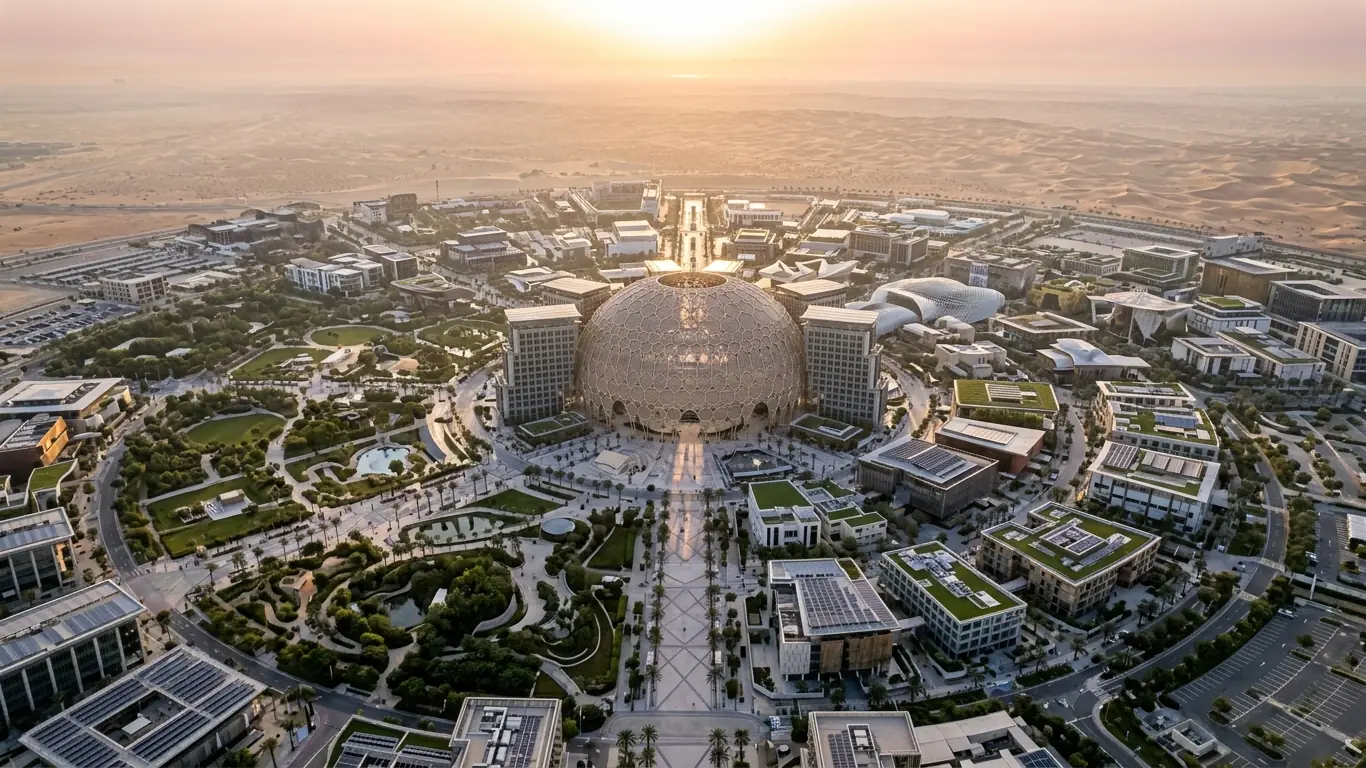
Expo City Proximity and the Dubai Real Estate Market
Expo City in Dubai and the property market around it: demand, price drivers, infrastructure, investment opportunities and risks such as oversupply.
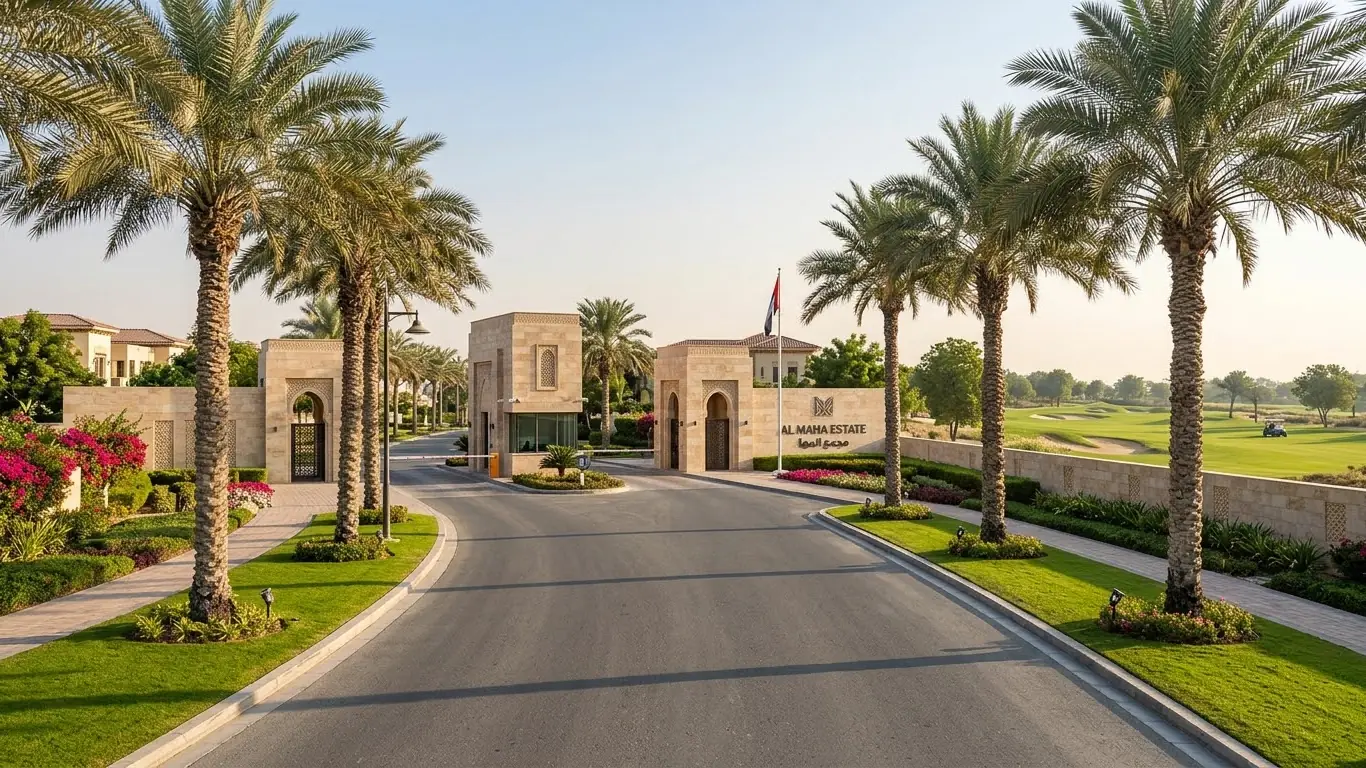
Exclusive Gated Communities in Dubai: Privacy and Security
Gated communities in Dubai: how privacy, security, amenities, technology and cost shape everyday life and property values in these exclusive enclaves.