Waterfront Properties in Oslo: Top Locations
Aker Brygge, Tjuvholmen and Bygdøy compared: what waterfront living in Oslo offers, how the districts differ and which factors matter before a purchase.
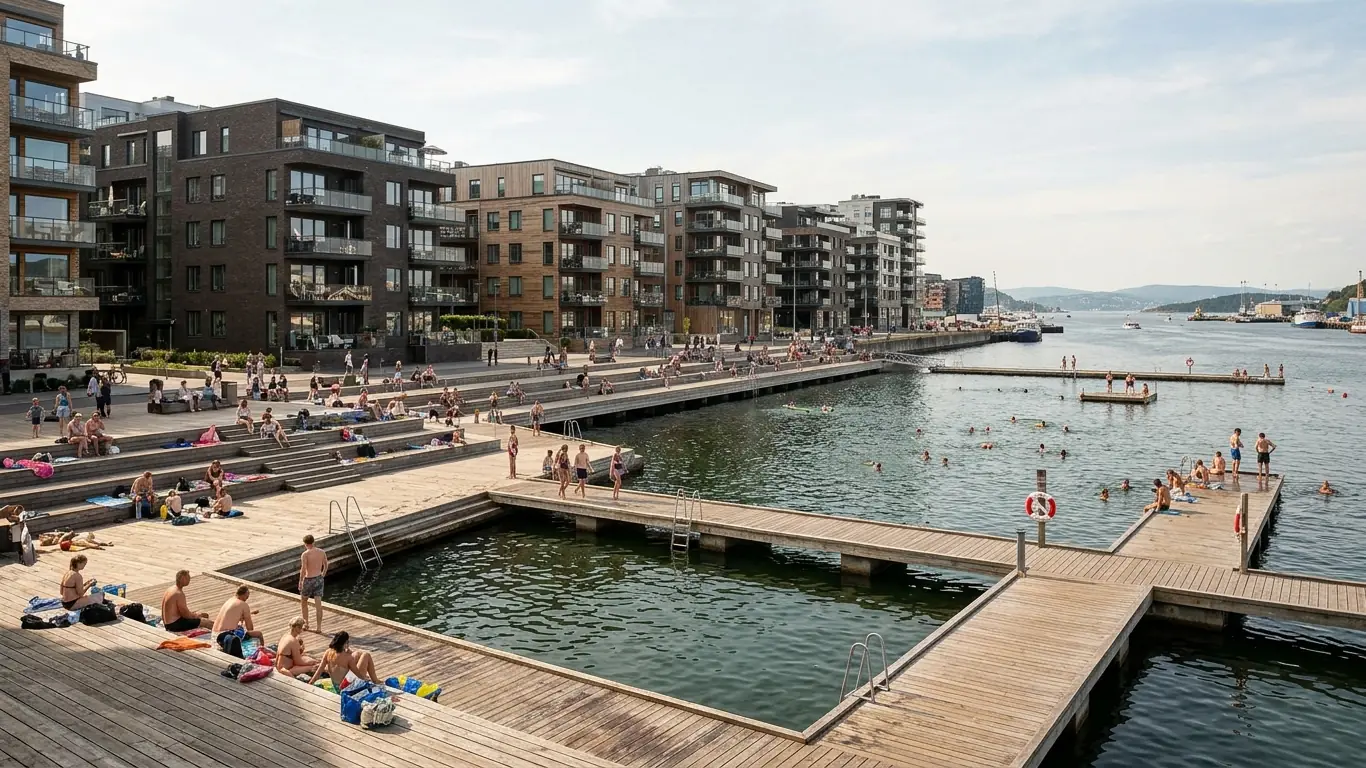

Oslo, the capital of Norway, blends urban sophistication with natural beauty. Set between the Oslofjord and green hills, the city makes waterfront living possible within reach of the center. A home on the water here means views, but also a lifestyle that combines calm and liveliness.
Demand for waterfront real estate has grown and attracts both local and international buyers. Waterfront areas combine city bustle with the calm of open water, and the range runs from modern apartments with panoramic views to historical homes.
This article covers the neighborhoods, amenities and outlook of waterfront living in Oslo and closes with practical pointers for buyers.
Key Takeaways
- Waterfront homes in Oslo combine views with direct access to the water.
- Their appeal lies in natural beauty, calm and closeness to the city center.
- Aker Brygge, Tjuvholmen and Bygdøy offer a range of modern and luxury living.
- Recreation, nearby culture and a sense of exclusivity come with life on the water.
- Buyers should weigh the condition of the property, flood risk and the overall investment value.
The Appeal of Waterfront Views in Oslo
Seasonal Transformations
In summer the Oslofjord shines in the sun and invites sailing, kayaking and strolls along the promenade. In winter the landscape turns serene, with snow-capped islands dotting the fjord as a backdrop for those who live nearby.
A Sanctuary for Well-being
Living by the water supports well-being.
The sound of waves against the shore and the fresh sea breeze create a peaceful atmosphere that is hard to find in denser parts of the city.
A Refuge from Urban Life
For residents of a busy city, the waterfront is a place to relax and recover. It offers aesthetic pleasure and a connection to nature that those who live in Oslo value.
Top Neighborhoods for Waterfront Properties in Oslo
Several neighborhoods stand out, each with its own character and lifestyle. Aker Brygge, one of the most sought-after, is a lively waterfront district known for modern architecture, with restaurants, shops and cultural venues that make it a hub of social activity.
The waterfront promenade suits walks and dining outdoors, with views of the fjord and the city skyline. Tjuvholmen has changed significantly in recent years. Once an industrial area, it is now home to contemporary residential buildings with cutting-edge design and luxurious amenities.
The art scene is a draw, with galleries and museums such as the Astrup Fearnley Museum of Modern Art. Living in Tjuvholmen means being part of a community that values creativity and has direct access to the water. Bygdøy offers a quieter alternative away from the urban bustle.
The peninsula has beaches, parks and historical sites, which attract families and nature lovers. Waterfront properties here often come with expansive gardens and private docks, giving seclusion within reach of the city’s amenities.
Amenities and Benefits of Waterfront Living in Oslo
Many modern developments offer fitness centers, swimming pools and communal gardens that encourage contact among neighbors. Some properties have private access to the water for water sports or a quiet moment on the shore.
Life on the water often means being part of a community. Waterfront neighborhoods host outdoor markets, festivals and cultural activities, and in Aker Brygge and Tjuvholmen shared spaces and public art encourage contact among residents.
Nature is close: nearby islands and hiking trails along the coastline are within easy reach, and the proximity to water supports an active lifestyle.
Jogging along the waterfront or a picnic on one of the many beaches becomes part of everyday life.
What to Weigh When Buying Waterfront in Oslo
Several factors deserve careful evaluation. Location comes first: each neighborhood has its own character, and buyers should be clear about their priorities, whether a busy urban setting or a quieter suburban feel.
Property type is the next factor. Waterfront homes range from modern high-rise apartments to historical homes, each with its own advantages and challenges.
A high-rise apartment may offer wide views but little outdoor space, while a historical home may need more maintenance and offers architectural charm. Local regulations for waterfront properties also need to be understood.
Norway has specific laws governing land use near bodies of water to protect natural habitats and ensure sustainable development. Knowing these rules early avoids issues later, and local real estate experts can help in navigating them.
Outlook for Waterfront Properties in Oslo
Urban development in Oslo proceeds alongside environmental considerations. Sustainable planning initiatives aim to preserve natural landscapes while accommodating growth, and projects such as the redevelopment of Bjørvika have turned former industrial zones into residential and commercial spaces that prioritize accessibility and sustainability.
Resilience is gaining weight in waterfront development as climate change becomes a pressing issue. New construction is designed with climate adaptation in mind, so that properties can withstand rising sea levels and extreme weather, which contributes to the sustainability of Oslo’s waterfront.
Practical Pointers for Buyers
A careful search benefits from local real estate agents who specialize in waterfront properties.
Visiting neighborhoods at different times of day shows their atmosphere; a morning walk along the waterfront reveals how busy or quiet an area is. Local shops, restaurants and recreational facilities indicate whether a neighborhood suits the buyer’s lifestyle.
A clear list of must-haves and nice-to-haves keeps the search focused. Square footage, number of bedrooms, outdoor space and proximity to public transport or schools are typical criteria.
More from Oslo
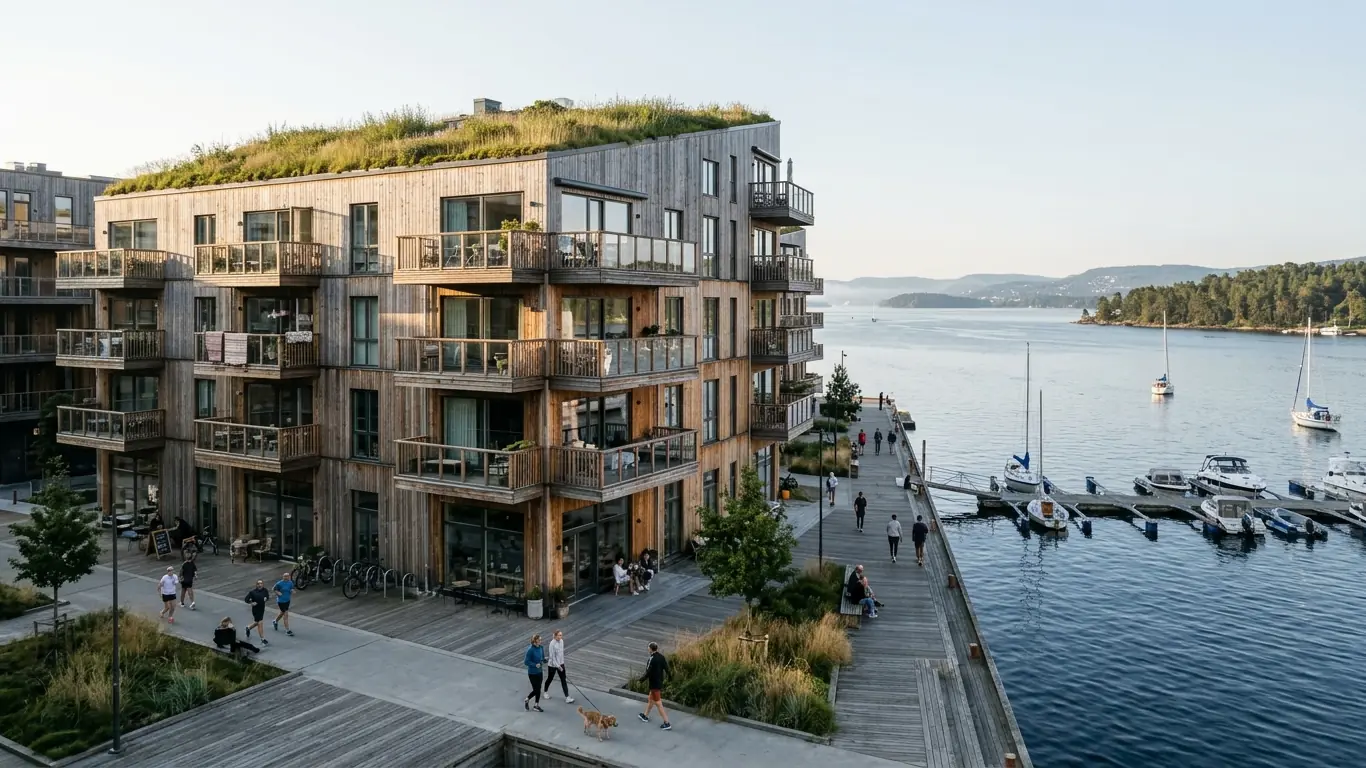
Sustainable Building in Oslo: Policy, Materials, Energy
Sustainable building in Oslo: climate targets, green certification such as BREEAM and LEED, timber and smart technologies, energy efficiency and recycling.
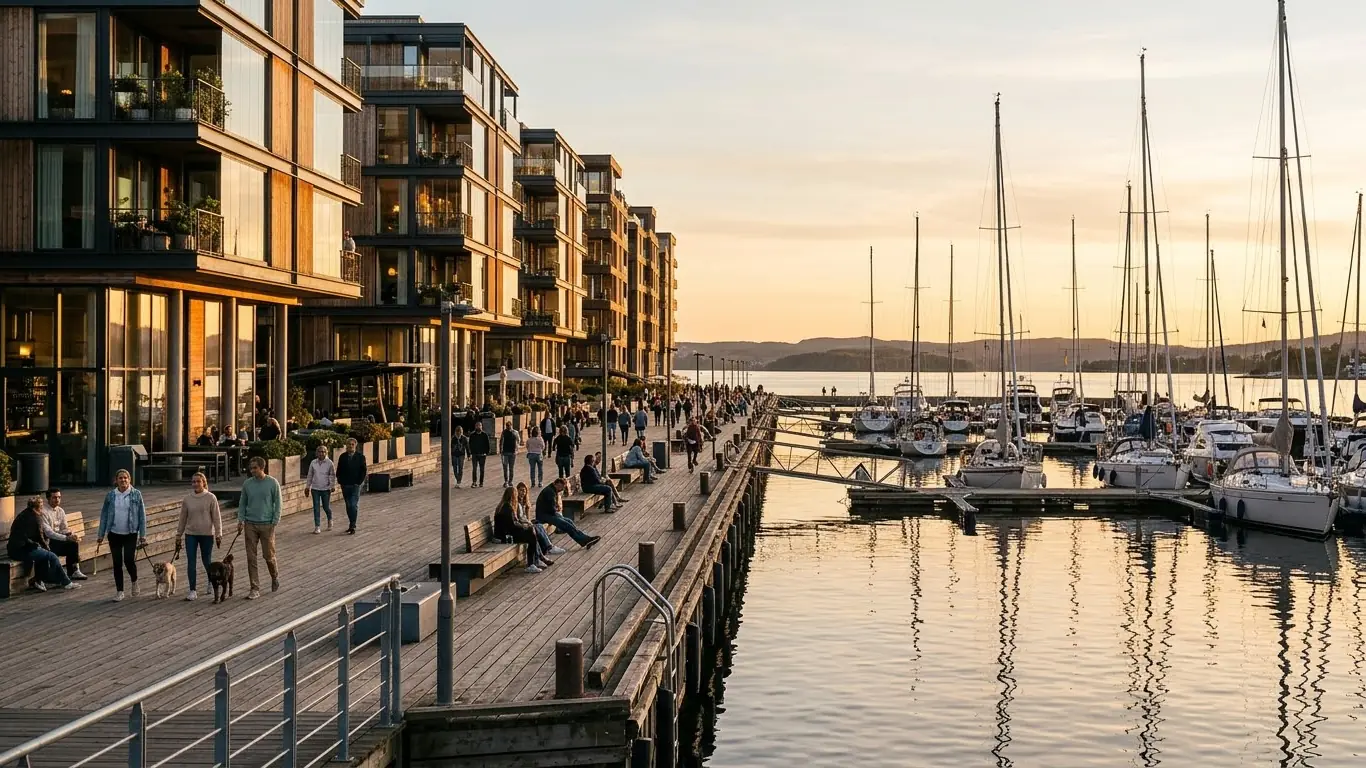
Oslo Property Prices: Trends of the Last Decade
How Oslo property prices developed over a decade: economy, policy, foreign investment, sustainable building and the pull of suburbs after the pandemic.
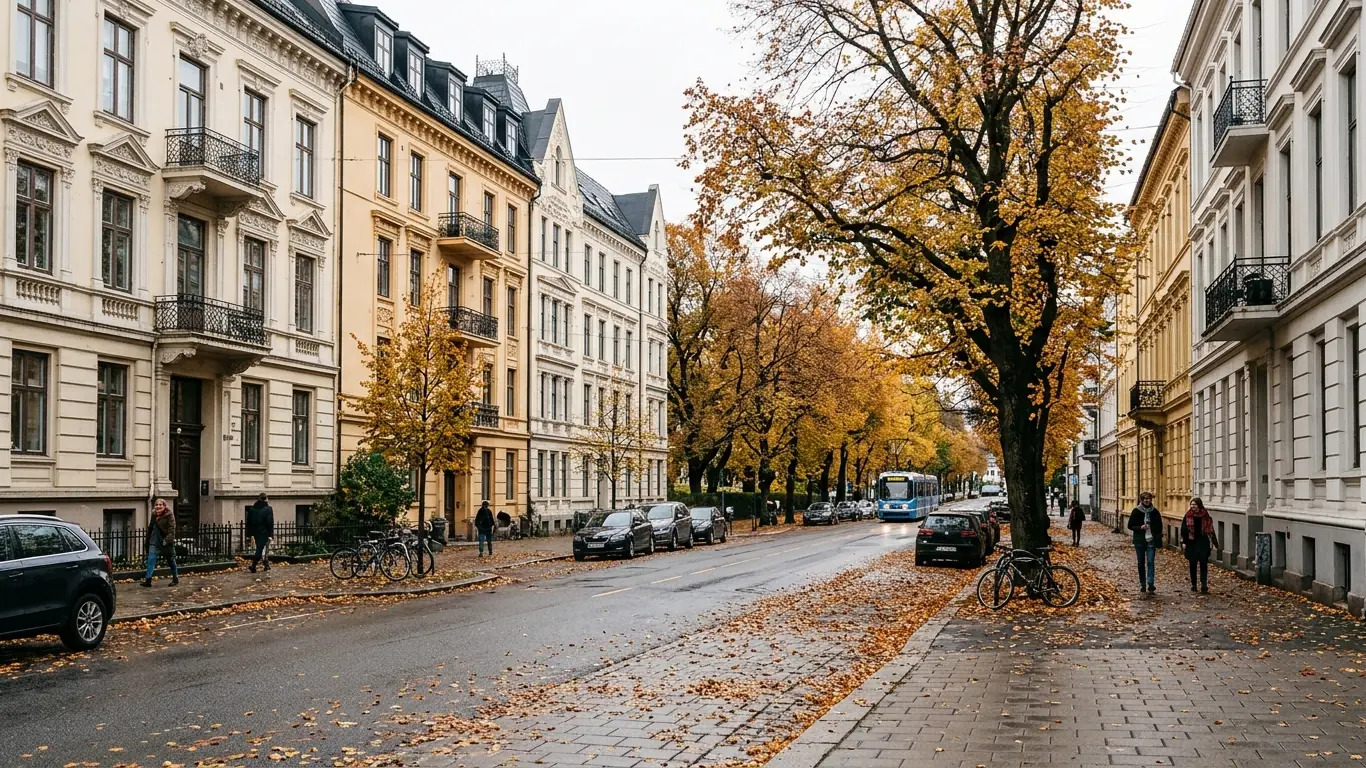
Living in Frogner: Oslo’s Address for Urban Luxury
Frogner in Oslo: historic architecture, Frogner Park and the Vigeland sculptures, upscale shopping and dining, green spaces and transport for urban living.