Cultural Property Projects in Ibiza: Growing Demand
How restoration, heritage and cultural tourism shape property projects in Ibiza: what they mean for communities, the economy and for those who invest in them.
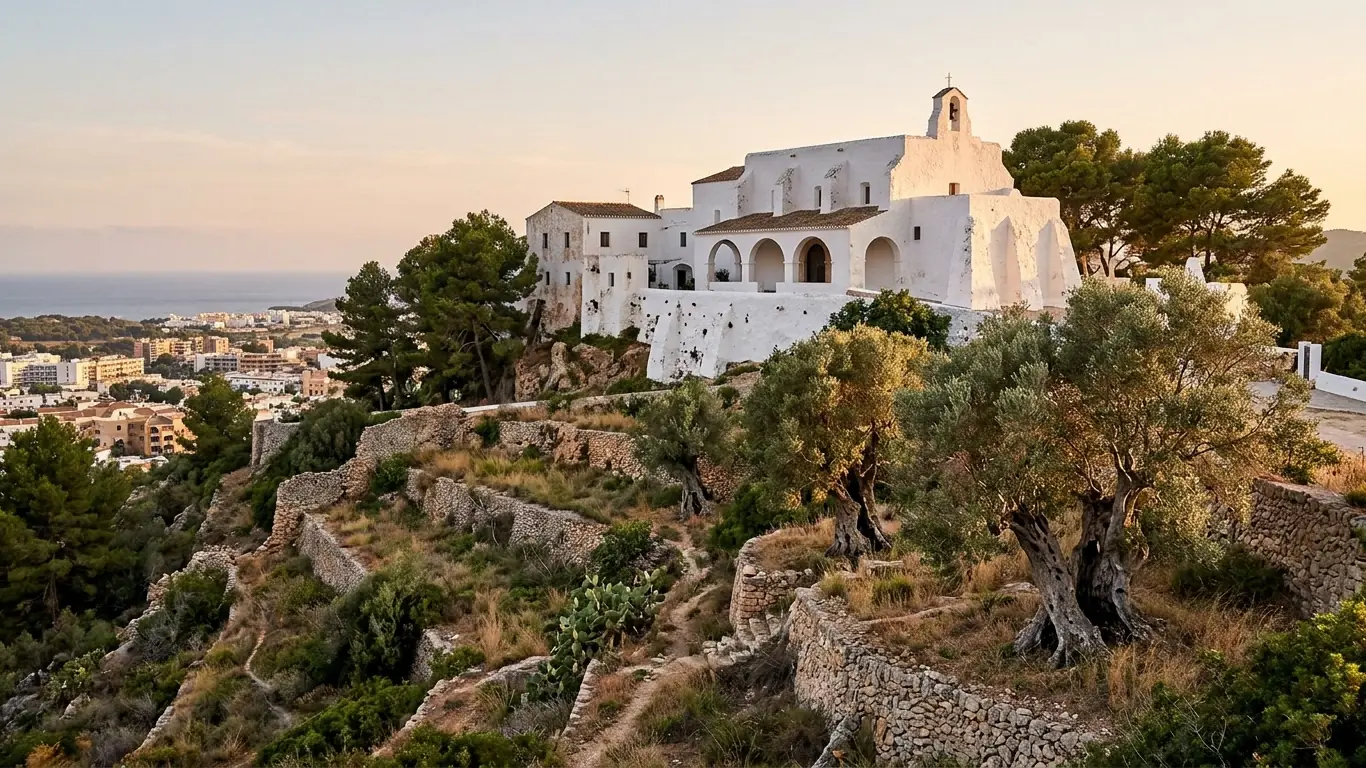

Ibiza is known for nightlife and beaches, yet cultural tourism is gaining ground, drawn by the island’s history, traditions and artistic heritage. Visitors look for more than sun and clubs. This article looks at what that means for historical properties, the local community and those who invest in heritage projects.
Visitors are drawn to historic sites, local festivals and traditional crafts, which show an identity beyond the party reputation. They explore the ancient Phoenician ruins, villages with whitewashed houses and artisans who keep traditional crafts alive, and interest in the island’s history and artistic expression grows with them.
The shift enriches the visitor experience and gives locals pride in a culture that is celebrated and valued. Travelers seek authentic experiences that connect them to a place, a form of tourism that can be more sustainable and meaningful.
Key Takeaways
- Cultural tourism in Ibiza is growing, driven by interest in the island’s history and heritage.
- Restoring historical properties sustains the island’s cultural identity and its appeal to visitors.
- Cultural property projects can create jobs and support the local economy.
- Government and local authorities shape these projects through funding and regulation.
- Such projects bring economic benefits through tourism while preserving the island’s heritage.
Restoring and Preserving Historical Properties
Restoration and preservation have become a priority as the island embraces its heritage. Ancient churches and traditional farmhouses are architectural treasures and records of the island’s past. Restoration often involves careful research and collaboration with historians and architects so that original character and significance are maintained.
Preservation lets future generations appreciate this cultural richness. Restoration also encourages community engagement: local residents often take part in the work and gain a sense of ownership of their heritage.
Workshops and educational programs around these properties can instill pride in younger generations and carry traditions forward. Revitalized sites become tourist attractions and centers for cultural exchange where locals and visitors meet.
Cultural Property Projects and the Local Community
Cultural property projects can foster social cohesion and economic development. Restored and promoted historical sites create spaces for interaction among residents and serve as venues for cultural events, art exhibitions and community gatherings, which strengthens social ties.
Residents who engage with their heritage develop a deeper appreciation for their culture and history. Visitors who come to explore it can also benefit nearby businesses, from restaurants to artisan shops, and support local livelihoods.
Such projects often create jobs in tourism management, conservation and event planning. Linking preservation with economic growth can give Ibiza a sustainable model that benefits residents and visitors.
The Role of Government and Local Authorities
Government and local authorities are crucial for cultural property projects. They create conditions that encourage investment in heritage conservation while balancing the needs of modern development. That includes regulations that protect historical sites from over-commercialization or neglect and incentives for private investment in restoration.
Giving cultural heritage priority in planning frameworks helps preserve Ibiza’s character amid ongoing development. Collaboration between authorities and local communities is equally important: involving residents in decisions fosters transparency and builds trust.
Working together, stakeholders can protect historical properties and promote cultural tourism as a component of the island’s economy.
Economic Benefits of Cultural Property Projects
Cultural property projects diversify tourism and attract a broader range of visitors. As travelers seek authentic experiences rooted in local culture, restored historical sites become attractions beyond the beach resorts. This can lead to longer stays and more spending in local businesses.
Ibiza can position itself as a destination for travelers who value authenticity over entertainment. Restoration also requires skilled labor, from craftsmen to conservation specialists, which provides work for locals and keeps traditional skills alive.
Growing cultural tourism raises demand for tour guides, hospitality staff and event coordinators. A more diverse economic base can make the island less reliant on seasonal tourism fluctuations and add to community resilience.
Balancing Development and Preservation
Challenges and Opportunities
Pressure to expand infrastructure for a rising number of tourists stands against the shared responsibility to safeguard the island’s heritage for future generations.
Sustainable Development Practices
Balance requires planning that integrates cultural considerations into development strategies. Sustainable practices that value environmental stewardship alongside preservation help, and new construction can be designed to complement historical sites rather than overshadow them.
Fostering Community Engagement
Green spaces and public areas around restored properties improve access and encourage community engagement. Dialogue between developers, local authorities and community members helps Ibiza handle modern growth while honoring its cultural legacy.
Investing in Cultural Property Projects
Investing in these projects brings challenges and opportunities. Securing funding is a major challenge, as many historical properties need substantial resources for conservation. Government grants and private donations help, but competition for funding can be fierce.
Navigating permits and regulations can also be an obstacle for those restoring historical sites. Opportunities lie in collaboration: public institutions, private investors and non-profit organizations can improve funding prospects and pool expertise.
Technology such as virtual reality tours or interactive exhibits can reach younger audiences and spark interest in heritage. Creative solutions and partnerships allow stakeholders to meet the challenges and use the potential of Ibiza’s cultural property landscape.
Outlook for Cultural Property Projects in Ibiza
Awareness of heritage preservation continues to grow, and with it the opportunity for Ibiza to become a leader in cultural tourism. As more historical properties are restored and presented as part of the island’s identity, they are likely to become focal points for community engagement and economic development.
Continued collaboration between government authorities, local communities and private investors will be needed to sustain this momentum. Education about heritage conservation, for residents and visitors alike, builds appreciation across generations. Embracing its history can keep the island’s identity vibrant and strengthen its appeal as a destination.
More from Ibiza
Ibiza Luxury Real Estate: Prices, Enclaves, Outlook
Ibiza luxury real estate guide: 1.4 billion euros in 2025 sales, prime prices up 7.5% yearly, top enclaves, villa rentals, architecture and the tax framework.

Home Staging in Ibiza: Effect on the Sale Price
Home staging in Ibiza: how atmosphere, key features, outdoor spaces, local design, layout and a professional stager shape buyer appeal and the sale price.
Sustainable Building in Ibiza: Trends and Leaders
Sustainable building in Ibiza: why it matters on the island, which trends define it, who leads, what projects show and which obstacles and openings remain.