Dubai · 25.20°N 55.27°E · File 157
Real Estate with Energy Self-Sufficient Systems: A Growing Market
In recent years, the concept of energy self-sufficient real estate has gained significant traction, driven by a growing awareness of environmental issues and the need for sustainab…
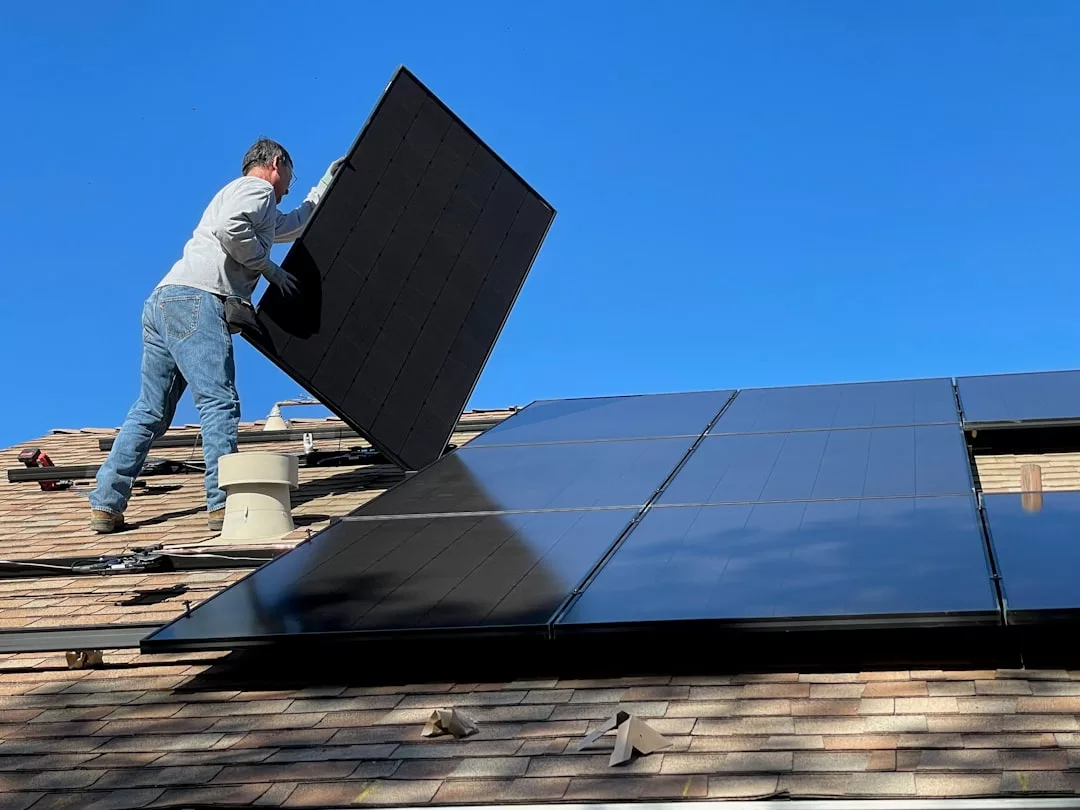
In recent years, the concept of energy self-sufficient real estate has gained significant traction, driven by a growing awareness of environmental issues and the need for sustainable living. As urban populations swell and the demand for housing increases, traditional energy sources are becoming increasingly strained. This has prompted developers, architects, and homeowners alike to explore innovative solutions that not only reduce reliance on external energy sources but also promote a more sustainable lifestyle.
The rise of energy self-sufficient real estate is not merely a trend; it represents a fundamental shift in how we think about energy consumption and the built environment. The integration of renewable energy technologies into real estate projects has become a hallmark of modern development. Solar panels, wind turbines, and geothermal systems are now commonplace in new constructions, allowing properties to generate their own energy. By reducing energy costs and increasing property value, energy self-sufficient real estate is becoming an attractive option for those looking to invest in the future of sustainable living.
Key Takeaways
- Energy self-sufficient real estate is on the rise, with more properties generating their own power.
- The benefits of energy self-sufficient systems in real estate include cost savings, energy independence, and environmental sustainability.
- Types of energy self-sufficient systems for real estate include solar panels, wind turbines, geothermal heating, and energy-efficient building design.
- Energy self-sufficient real estate has a positive impact on the environment by reducing carbon emissions and reliance on non-renewable energy sources.
- Challenges and considerations for implementing energy self-sufficient systems in real estate include high upfront costs, regulatory hurdles, and technological limitations.
Benefits of Energy Self-Sufficient Systems in Real Estate
Reducing Carbon Footprint
One of the most significant benefits is the reduction in carbon footprint. By harnessing renewable energy sources, properties can significantly decrease their greenhouse gas emissions, contributing to a healthier planet. This aligns with global efforts to combat climate change and promotes a more sustainable future for generations to come.Advanced Technologies for Energy Efficiency
Energy self-sufficient homes often come equipped with advanced technologies that enhance energy efficiency, further minimizing their environmental impact.Energy Independence and Financial Benefits
Another key benefit is the potential for energy independence. Homeowners and businesses that invest in energy self-sufficient systems can insulate themselves from fluctuating energy prices and supply disruptions. This stability is particularly appealing in an era marked by geopolitical tensions and economic uncertainty. Furthermore, many governments offer incentives and tax breaks for those who invest in renewable energy systems, making it financially viable for more individuals to transition to self-sufficient living.Types of Energy Self-Sufficient Systems for Real Estate
Energy self-sufficient real estate can incorporate a variety of systems designed to harness renewable resources. Solar photovoltaic (PV) panels are perhaps the most recognized technology, converting sunlight into electricity that can power homes and businesses. These systems can be installed on rooftops or integrated into building designs, allowing for flexibility in urban environments.
In addition to solar power, wind turbines can be utilized in areas with sufficient wind resources, generating electricity that can supplement or replace traditional energy sources. Geothermal heating and cooling systems represent another innovative approach to achieving energy self-sufficiency. By tapping into the earth’s stable underground temperatures, these systems can provide efficient heating in winter and cooling in summer, significantly reducing reliance on fossil fuels.
Rainwater harvesting systems also play a crucial role in sustainable real estate by collecting and storing rainwater for irrigation and non-potable uses, further decreasing the demand on municipal water supplies. Together, these technologies create a comprehensive approach to energy self-sufficiency that can be tailored to meet the specific needs of each property.
The Impact of Energy Self-Sufficient Real Estate on the Environment
The environmental impact of energy self-sufficient real estate is profound and multifaceted. By reducing dependence on fossil fuels, these properties contribute to lower air pollution levels and improved public health outcomes. The shift towards renewable energy sources also helps mitigate climate change by decreasing greenhouse gas emissions, which are a primary driver of global warming.
As more buildings adopt energy self-sufficient practices, the cumulative effect can lead to significant reductions in carbon emissions at a community and even national level. Moreover, energy self-sufficient real estate promotes biodiversity by minimizing land degradation associated with traditional energy extraction methods. For instance, solar farms can be designed to coexist with agricultural practices, allowing for dual land use that supports both energy production and food security.
Additionally, the emphasis on sustainable building materials and practices fosters a circular economy where resources are reused and recycled, further reducing environmental strain. The holistic approach of energy self-sufficient real estate not only addresses immediate energy needs but also contributes to long-term ecological balance.
Challenges and Considerations for Implementing Energy Self-Sufficient Systems in Real Estate
Despite the numerous benefits associated with energy self-sufficient systems, several challenges must be addressed to ensure successful implementation. One significant hurdle is the initial capital investment required for renewable energy technologies. While costs have decreased over the years, many homeowners and developers may still find it challenging to finance these systems upfront.
This financial barrier can deter potential adopters from pursuing energy self-sufficiency, particularly in regions where incentives are limited or nonexistent. Additionally, regulatory frameworks can pose obstacles to the widespread adoption of energy self-sufficient systems. Zoning laws, building codes, and utility regulations may not always accommodate innovative technologies or may impose restrictions that hinder their integration into new developments.
Navigating these bureaucratic challenges requires collaboration between stakeholders, including government agencies, developers, and community members, to create supportive policies that facilitate the growth of energy self-sufficient real estate.
Market Trends and Opportunities in Energy Self-Sufficient Real Estate
The market for energy self-sufficient real estate is poised for significant growth as consumer preferences shift towards sustainability. Increasingly, homebuyers are prioritizing eco-friendly features when making purchasing decisions, leading developers to incorporate renewable energy systems into their projects as a selling point. This trend is particularly pronounced among younger generations who are more environmentally conscious and willing to invest in properties that align with their values.
Moreover, advancements in technology continue to drive innovation within the sector. As these technologies become more accessible and affordable, they will likely play a crucial role in expanding the market for energy self-sufficient real estate.
Investors who recognize these trends stand to benefit from early adoption and can position themselves as leaders in this burgeoning field.
Case Studies of Successful Energy Self-Sufficient Real Estate Projects
Several notable case studies exemplify the potential of energy self-sufficient real estate projects around the world. One such example is the Bullitt Center in Seattle, Washington, often referred to as the “greenest commercial building in the world.” This six-story office building features a rooftop solar array that generates more electricity than it consumes annually. Additionally, it incorporates rainwater harvesting systems and composting toilets, showcasing a holistic approach to sustainability that serves as a model for future developments.
Another inspiring project is the BedZED (Beddington Zero Energy Development) in London, which was one of the first large-scale sustainable communities built in the UK. BedZED features a combination of solar panels, green roofs, and high-performance insulation that allows residents to live comfortably while minimizing their environmental impact. The community has become a benchmark for sustainable urban living and demonstrates how thoughtful design can create vibrant neighborhoods that prioritize both people and the planet.
The Future of Energy Self-Sufficient Systems in Real Estate
Looking ahead, the future of energy self-sufficient systems in real estate appears promising as technological advancements continue to evolve. Innovations such as battery storage solutions will enable homeowners to store excess energy generated during peak production times for use during periods of high demand or low generation. This capability will enhance the reliability of renewable energy systems and further reduce dependence on traditional power grids.
Additionally, as climate change becomes an increasingly pressing issue, governments worldwide are likely to implement stricter regulations aimed at promoting sustainability within the built environment. This could lead to greater incentives for developers who prioritize energy self-sufficiency in their projects. As public awareness grows regarding the importance of sustainable living, it is expected that demand for energy self-sufficient real estate will continue to rise, paving the way for a greener future where homes and buildings contribute positively to both society and the environment.
Same market
More from Dubai

Dubai · 14 min
Dubai Luxury Real Estate Guide
Dubai luxury real estate guide: 2025 prices for Palm Jumeirah, Emirates Hills and Downtown villas, zero-tax benefits, Golden Visa and the 2026 market …

Dubai · 6 min
The Impact of Expo City Proximity on Real Estate Market
Expo City, a vibrant hub of innovation and culture, has emerged as a focal point for global attention since the World Expo 2020 was held there. Locate…

Dubai · 6 min
Exclusive Gated Communities in Dubai: Privacy and Security
In recent years, Dubai has witnessed a remarkable transformation in its real estate landscape, particularly with the emergence of exclusive gated comm…