Monaco Real Estate: Skyline, Society, Culture and Economy
Luxury real estate shapes Monaco: its skyline, social scene, cultural identity and economy, plus environmental questions and the realities of buying there.
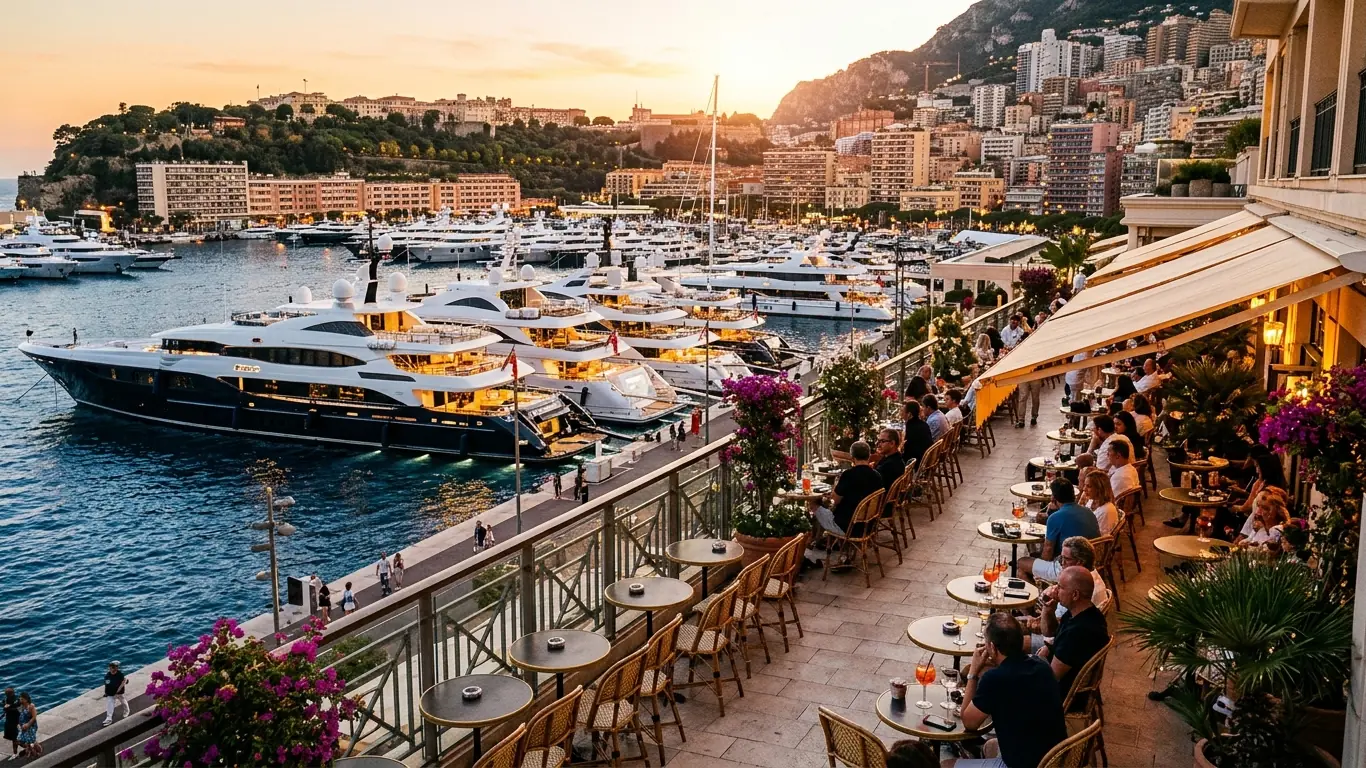

Monaco, a small principality on the French Riviera, has long been associated with opulence and exclusivity. Its luxury real estate draws affluent buyers from around the globe, with Mediterranean views, a mild climate and a lifestyle defined by sophistication. This article traces how property shapes the principality’s skyline, social scene, culture and economy.
The market is defined by high-end properties with cutting-edge design, outstanding amenities and proximity to major attractions. The tax structure adds to the appeal: with no capital gains tax and low property taxes, many investors buy a home that also serves as an investment.
Together with a reputation for safety and prestige, this tax setting has continued to attract buyers despite global economic fluctuations. Views, spacious living quarters and a lively social scene complete the picture for those who can afford it.
Key Takeaways on Monaco Real Estate
- Luxury real estate in Monaco offers exclusivity, privacy and sea views to high-net-worth buyers from around the world.
- Development has reshaped the skyline with modern high-rise buildings and innovative architecture.
- High-end properties shape the social scene by hosting events and drawing an influential international community.
- Landmarks and luxury residences have become part of the principality’s image.
- Real estate is a major driver of the economy and supports Monaco’s status as a financial and luxury hub.
How real estate development has transformed Monaco’s landscape
Real estate development has reshaped Monaco’s skyline and urban environment over the past few decades. High-rise buildings and luxury developments have redefined its architectural identity, and landmarks such as the One Monte-Carlo complex and the Odeon Tower have set new standards for luxury living.
These developments often offer private pools, spas and concierge services for an elite clientele. The change reaches beyond housing: the principality has invested in expanded roadways, improved public transportation and carefully landscaped public spaces.
Such improvements make Monaco more accessible while preserving its charm. Modern architecture set against historical elements creates a distinctive contrast, and the principality has grown into an urban center where luxury living and cultural heritage coexist.
The impact of high-end properties on Monaco’s social scene
The spread of high-end properties has shaped the social scene. Affluent residents support upscale restaurants, boutique shops and exclusive clubs, and gala dinners, charity auctions and high-profile parties fill a social calendar that draws locals and visitors alike.
Shared tastes and interests foster a sense of community among residents. High-end properties often serve as venues for gatherings and networking events where influential figures from various industries meet and celebrate their successes.
This interconnectedness creates a camaraderie unique to Monaco, and each new development adds to both the physical landscape and the social fabric of the principality.
The role of real estate in shaping Monaco’s cultural identity
Real estate reflects the values and aspirations of Monaco’s residents. Luxury properties draw on varied cultural influences, a diversity that mirrors the international population, from modernist designs to classic Mediterranean aesthetics. The buildings tell a story of sophistication that resonates with locals and visitors.
Art and culture are woven into development: many properties feature curated art collections or host cultural events. High-end real estate has also supported Monaco’s reputation as a cultural hub, with numerous art galleries, theaters and cultural institutions where luxury living meets artistic expression.
The Monte-Carlo Jazz Festival and the Monaco International Film Festival attract international attention and showcase the region’s cultural offerings. Real estate will continue to influence how the principality preserves and promotes its cultural identity.
The influence of real estate on Monaco’s economy
Real estate is a cornerstone of Monaco’s economy. Wealthy individuals seeking luxury properties have driven demand and pushed property values to high levels, which also stimulates construction, hospitality and retail.
New developments create jobs and generate revenue for local businesses. The market also attracts foreign investment, which supports economic growth.
This capital funds new construction as well as existing infrastructure and services, and it can help diversify the economy, which strengthens resilience in a changing global environment.
The future of real estate development in Monaco
The outlook is promising but demanding. Demand for luxury properties keeps rising, while strict regulations govern construction in the principality, so developers look for innovative ways to use space. Vertical living gains ground as high-rise buildings offer views while optimizing land use.
This approach addresses the scarcity of land and matches modern urban living preferences. Developers must also weigh sustainability and environmental impact, and a growing emphasis on eco-friendly design and energy-efficient technology is shaping future projects.
Developers add green spaces, renewable energy sources and sustainable materials to meet regulatory requirements and the demand for environmentally conscious homes. This shift helps keep Monaco attractive to discerning buyers while preserving its natural beauty for future generations.
The environmental considerations of real estate in Monaco
Monaco is among the most densely populated countries in the world, so environmental considerations weigh heavily in development. Land scarcity, a coastal location and mountainous terrain create specific challenges, and developers must balance luxury living with ecological responsibility.
Green roofs, energy-efficient building systems and sustainable landscaping reduce environmental impact and can enhance property value. The commitment reaches beyond single projects: the government promotes eco-friendly practices in the construction industry and encourages residents to adopt sustainable lifestyles.
Public awareness campaigns focus on reducing waste, conserving water and promoting alternative transportation such as electric vehicles and cycling. Monaco aims to set an example for other urban centers facing similar challenges.
Investing in Monaco: challenges and opportunities
Investing in Monaco’s market brings challenges and opportunities. High entry costs can be daunting, and limited inventory, shaped by strict zoning regulations and land scarcity, can push prices higher as buyers compete.
Foreign investors unfamiliar with local regulations may also find the legal side of property ownership complex.
On the other side, the principality’s reputation as a global financial hub supports continued demand among wealthy individuals seeking a residence or an investment.
Financially, there is no capital gains tax on property sales, and property taxes are low overall. Those who navigate the challenges may find the market rewarding, though returns are never assured and each purchase merits individual advice.
More from Monaco
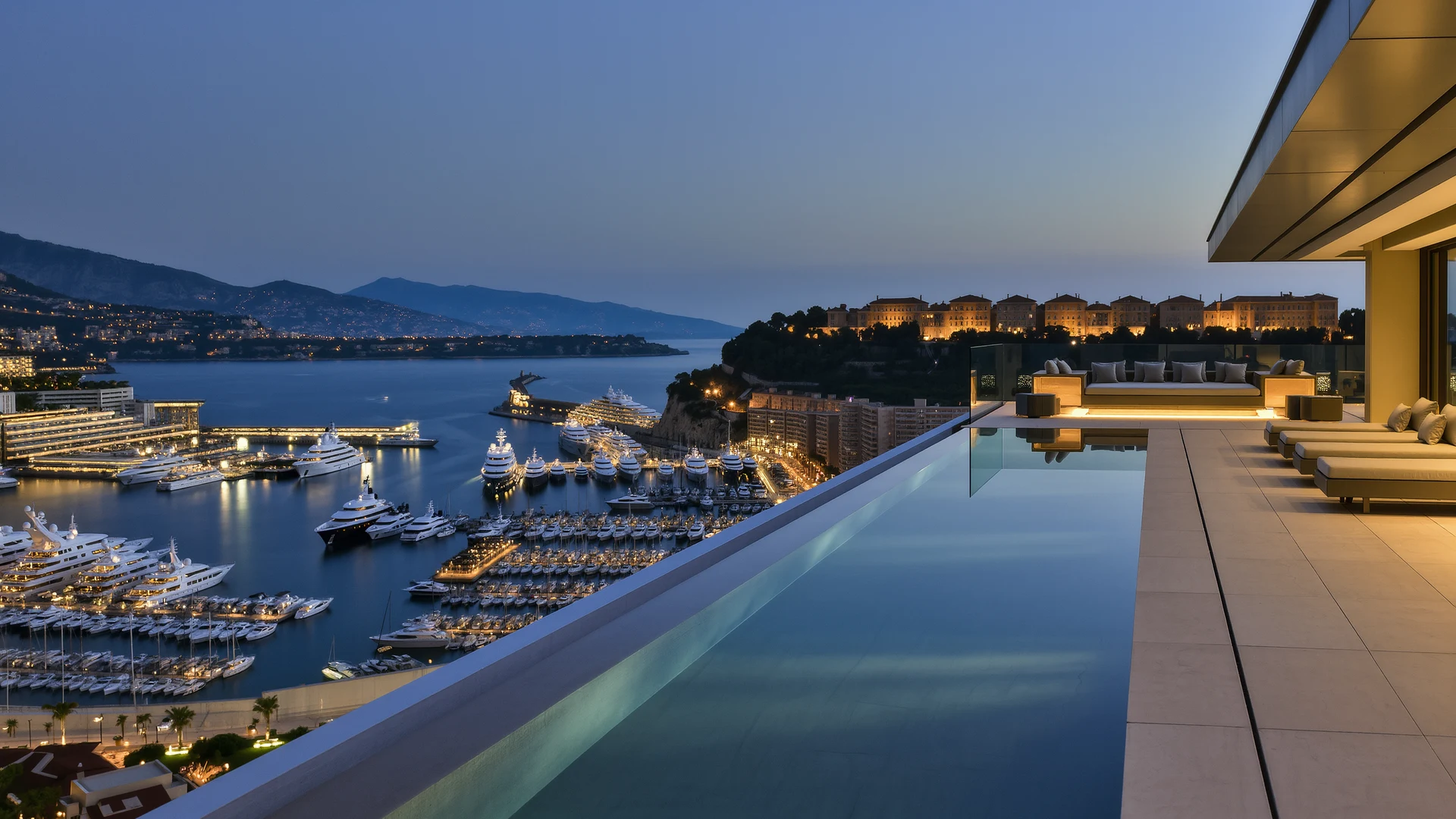
Monaco Property Investment: Prices, Costs, Residency
Monaco property investment: prime prices above €100,000 per square meter, tax treatment, residency rules, transaction costs of 9 to 11 percent and yields.
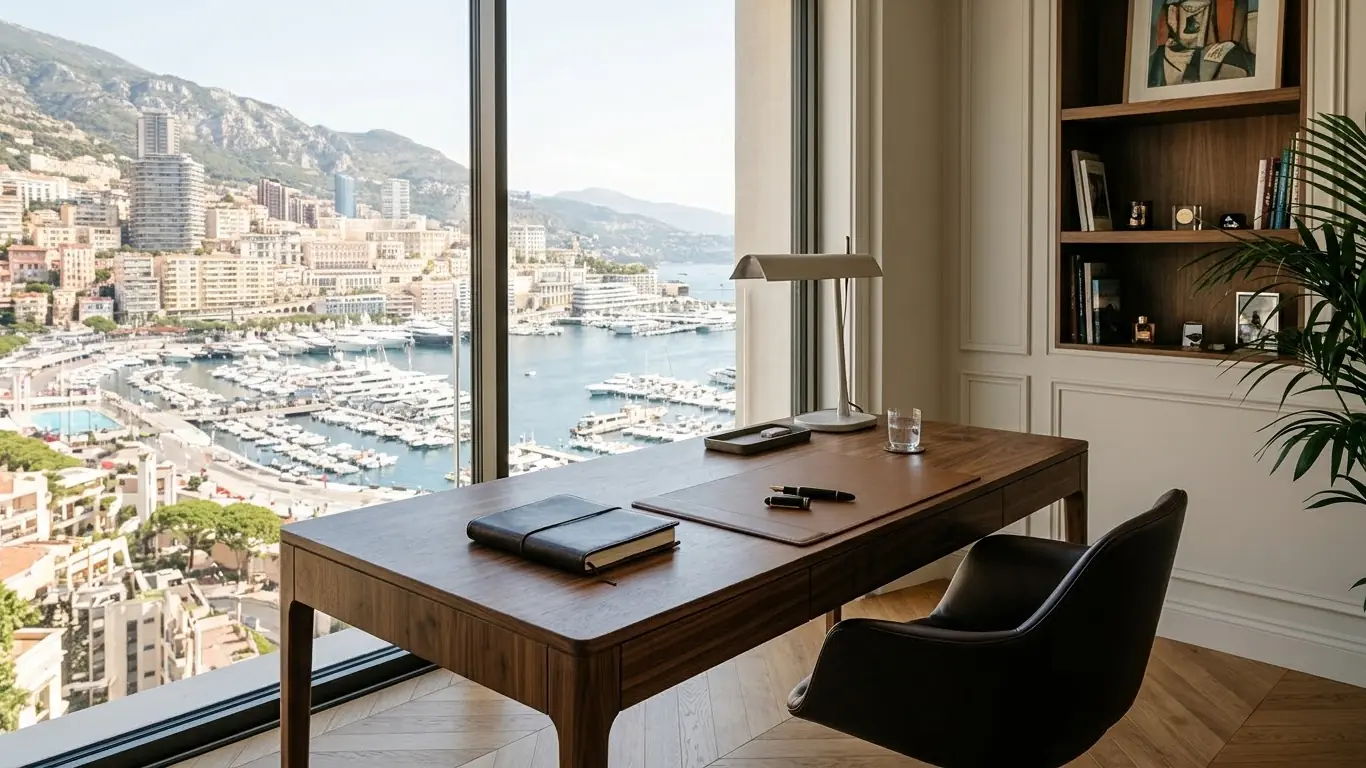
Monaco Luxury Property Market: The Effect of Home Offices
Monaco luxury property market: how home offices, wellness features, smart technology and new buyer profiles shape demand, prices, design and agency work.
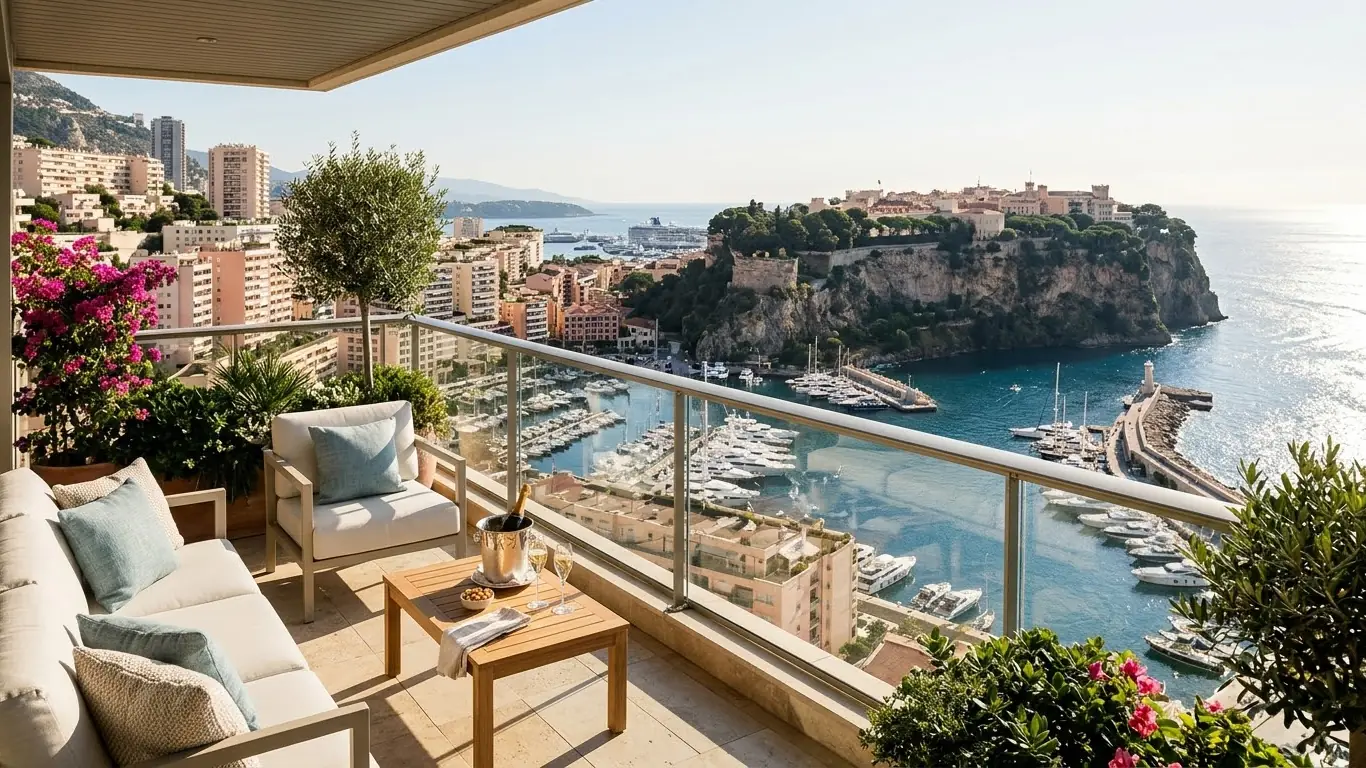
Attracting International Buyers for Your Property
Reaching international property buyers takes market knowledge, online visibility, local expertise, presentation, flexible payment and multilingual support.