Dubai · 25.20°N 55.27°E · File 876
Real Estate’s Impact on Dubai’s Lifestyle
Dubai, a city that has rapidly transformed from a modest fishing village into a global metropolis, is renowned for its ambitious real estate projects and luxurious lifestyle offeri…
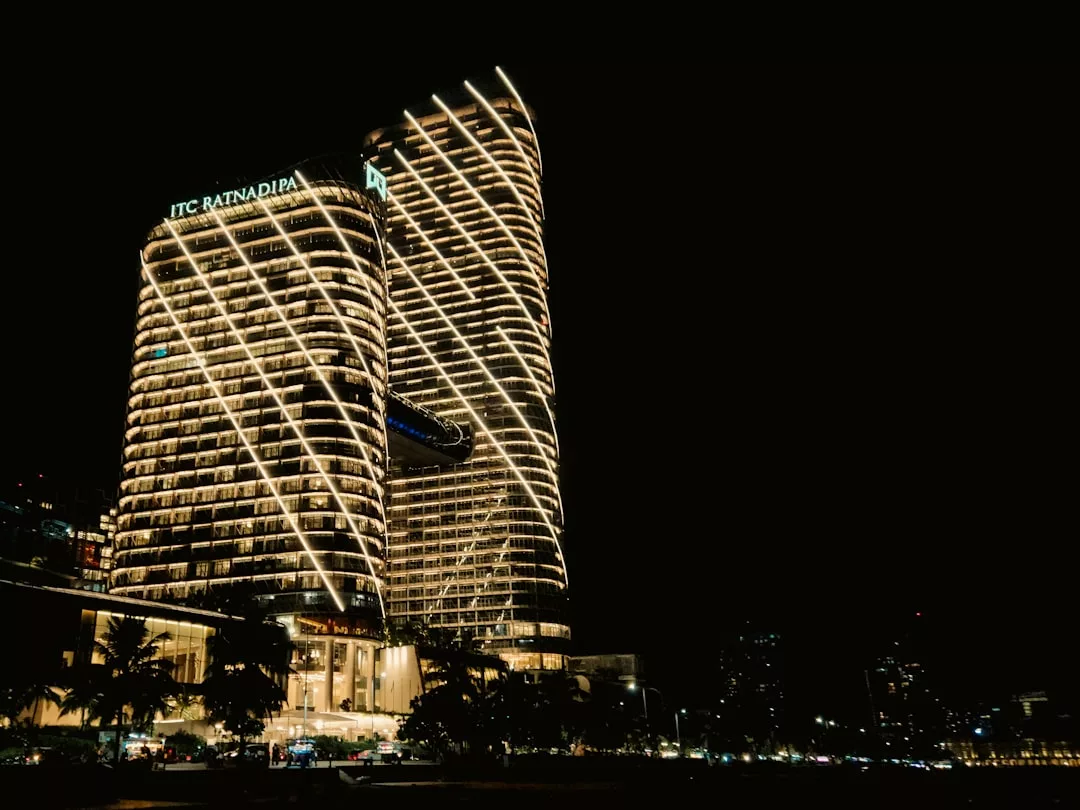
Dubai, a city that has rapidly transformed from a modest fishing village into a global metropolis, is renowned for its ambitious real estate projects and luxurious lifestyle offerings. The real estate boom in Dubai has been nothing short of extraordinary, characterized by iconic skyscrapers, lavish residential communities, and sprawling commercial complexes. This surge in property development has not only reshaped the skyline of the city but has also attracted investors and expatriates from around the world, eager to partake in the opportunities that this vibrant city presents.
The allure of Dubai’s real estate market lies in its unique blend of modernity and tradition, offering a lifestyle that is both cosmopolitan and culturally rich. The real estate sector in Dubai has experienced several phases of growth, driven by factors such as economic diversification, government initiatives, and a strategic location that serves as a gateway between the East and West. The introduction of freehold property ownership for expatriates in 2002 marked a significant turning point, allowing foreign investors to buy property and contribute to the burgeoning market.
This policy shift catalyzed a wave of development, leading to the construction of some of the world’s most recognizable landmarks, including the Burj Khalifa and the Palm Jumeirah. As a result, Dubai has become synonymous with luxury living and high-end real estate, attracting a diverse population seeking both investment opportunities and an elevated lifestyle.
Key Takeaways
- Dubai’s real estate boom has transformed the city into a global hub for luxury living and investment opportunities.
- The evolution of Dubai’s lifestyle has been shaped by the development of iconic landmarks, luxury residences, and world-class amenities.
- Real estate has played a significant role in shaping Dubai’s social scene, with exclusive communities and vibrant neighborhoods catering to diverse demographics.
- The cultural landscape of Dubai has been influenced by the architectural marvels and iconic structures that have redefined the city’s skyline.
- Real estate has been instrumental in shaping Dubai’s urban development, with innovative projects and sustainable designs contributing to the city’s modern infrastructure.
- The economic growth of Dubai has been fueled by the real estate sector, attracting foreign investment and driving the city’s prosperity.
- The future of Dubai’s lifestyle and real estate market is poised for continued growth, with sustainable development and innovative designs shaping the city’s future.
- In conclusion, real estate will continue to have a lasting influence on Dubai’s lifestyle, culture, and economic prosperity, solidifying its position as a global real estate destination.
The Evolution of Dubai’s Lifestyle
The lifestyle in Dubai has evolved dramatically over the past few decades, reflecting the city’s rapid growth and modernization. Once characterized by traditional Bedouin customs and a slower pace of life, Dubai now boasts a dynamic urban environment filled with world-class amenities, entertainment options, and cultural experiences. The influx of expatriates has played a pivotal role in shaping this new lifestyle, as diverse cultures converge to create a melting pot of traditions, cuisines, and social practices.
This cosmopolitan atmosphere is evident in the city’s vibrant neighborhoods, where one can find everything from high-end shopping malls to bustling souks. As Dubai continues to develop, its lifestyle offerings have expanded to cater to a wide range of preferences and interests. The city is home to luxurious resorts, fine dining establishments, and an array of recreational activities that appeal to both residents and tourists alike.
From thrilling desert safaris to serene beach days along the Arabian Gulf, Dubai provides an unparalleled lifestyle experience that balances leisure and adventure. Additionally, the city’s commitment to sustainability and innovation is evident in its urban planning initiatives, which aim to create green spaces and promote healthy living. This evolution of lifestyle not only enhances the quality of life for residents but also positions Dubai as a premier destination for global travelers seeking unique experiences.
The Influence of Real Estate on Dubai’s Social Scene
The real estate boom in Dubai has had a profound impact on the city’s social scene, fostering a sense of community while also attracting a diverse array of individuals from various backgrounds. As new residential developments emerge, they often come equipped with state-of-the-art amenities such as swimming pools, gyms, and communal spaces that encourage social interaction among residents. These features have transformed neighborhoods into vibrant hubs where people can connect, share experiences, and build lasting relationships.
The sense of belonging fostered by these communities is particularly important in a city where many residents are expatriates far from their home countries. Moreover, the luxury real estate market has given rise to exclusive social events and networking opportunities that cater to affluent individuals. High-profile gatherings, art exhibitions, and charity events are frequently hosted in opulent venues, providing platforms for residents to engage with one another while also promoting local businesses and cultural initiatives.
The social scene in Dubai is further enriched by its diverse population, which brings together various cultural influences that manifest in food festivals, music concerts, and art fairs. This vibrant tapestry of social interactions not only enhances the overall quality of life but also contributes to the city’s reputation as a global hub for culture and entertainment.
Real Estate’s Impact on Dubai’s Cultural Landscape
The cultural landscape of Dubai has been significantly shaped by its real estate developments, which often incorporate elements of art and heritage into their designs. Iconic structures such as the Dubai Opera and Alserkal Avenue serve as cultural landmarks that celebrate creativity and artistic expression. These venues host performances, exhibitions, and workshops that attract both local talent and international artists, fostering a thriving arts scene that complements the city’s modern architecture.
The integration of culture into real estate projects reflects Dubai’s commitment to preserving its heritage while embracing contemporary influences. Additionally, many residential communities are designed with cultural considerations in mind, featuring architectural styles that pay homage to traditional Emirati design while incorporating modern amenities. This blend of old and new not only enhances the aesthetic appeal of these developments but also serves as a reminder of Dubai’s rich history and cultural identity.
Public art installations and cultural festivals further enrich the city’s landscape, providing opportunities for residents and visitors to engage with local traditions and contemporary art forms alike. As real estate continues to evolve in Dubai, it plays an essential role in promoting cultural awareness and appreciation among its diverse population.
The Role of Real Estate in Shaping Dubai’s Urban Development
Real estate development has been instrumental in shaping the urban landscape of Dubai, driving infrastructure improvements and urban planning initiatives that enhance the city’s livability. The rapid expansion of residential and commercial properties has necessitated the development of efficient transportation systems, including an extensive metro network and well-planned roadways that connect various neighborhoods. This focus on connectivity not only facilitates ease of movement for residents but also supports economic growth by attracting businesses and investors to the region.
Moreover, real estate projects often prioritize sustainability and environmental considerations in their designs. Many new developments incorporate green building practices, energy-efficient technologies, and eco-friendly materials that minimize their environmental impact.
As the city continues to evolve, real estate will play a crucial role in shaping its urban fabric, ensuring that it remains a vibrant and sustainable place for generations to come.
Real Estate’s Effect on Dubai’s Economic Growth
Driving Economic Growth
This influx of capital not only supports local businesses but also creates job opportunities across various industries, from hospitality to retail. The real estate sector’s contribution to Dubai’s economy is substantial, making it a vital driver of economic growth.Attracting Foreign Investment
The ripple effect of real estate investment extends beyond immediate economic benefits; it also attracts foreign direct investment (FDI) as international investors seek to capitalize on Dubai’s thriving market. The government’s proactive approach to economic diversification has bolstered the real estate sector’s resilience against global economic fluctuations.A Global Business Hub
Initiatives such as Expo 2020 have spurred infrastructure development and increased demand for commercial properties, further solidifying Dubai’s position as a global business hub. The ongoing expansion of free zones and business-friendly policies continues to attract multinational corporations seeking a base in the region. As a result, real estate remains a vital driver of economic growth in Dubai, contributing to its status as one of the most dynamic economies in the world.The Future of Dubai’s Lifestyle and Real Estate Market
Looking ahead, the future of Dubai’s lifestyle and real estate market appears promising as the city continues to innovate and adapt to changing global trends. With an increasing emphasis on sustainability and smart city initiatives, future developments are likely to prioritize eco-friendly designs and advanced technologies that enhance residents’ quality of life. The integration of smart home features, renewable energy sources, and green spaces will become more prevalent as developers respond to growing consumer demand for sustainable living options.
Additionally, as remote work becomes more common due to advancements in technology and changing work dynamics, there may be a shift in demand for residential properties that offer flexible living arrangements. This could lead to an increase in mixed-use developments that combine residential spaces with workspaces, retail outlets, and recreational facilities, all designed to create self-sufficient communities where residents can live, work, and play without needing to travel far from home.
Real Estate’s Lasting Influence on Dubai’s Lifestyle
In conclusion, the influence of real estate on Dubai’s lifestyle is profound and multifaceted. From shaping social interactions to driving economic growth and cultural development, real estate has played an integral role in transforming Dubai into a global metropolis that attracts millions each year. As the city continues to evolve, it remains committed to creating an inclusive environment that celebrates diversity while embracing innovation.
The future holds exciting possibilities for both the lifestyle offerings in Dubai and its real estate market. With ongoing investments in sustainable development and smart technologies, residents can expect an enhanced quality of life that aligns with their aspirations for modern living.
Same market
More from Dubai

Dubai · 14 min
Dubai Luxury Real Estate Guide
Dubai luxury real estate guide: 2025 prices for Palm Jumeirah, Emirates Hills and Downtown villas, zero-tax benefits, Golden Visa and the 2026 market …

Dubai · 6 min
The Impact of Expo City Proximity on Real Estate Market
Expo City, a vibrant hub of innovation and culture, has emerged as a focal point for global attention since the World Expo 2020 was held there. Locate…
Dubai · 6 min
Exclusive Gated Communities in Dubai: Privacy and Security
In recent years, Dubai has witnessed a remarkable transformation in its real estate landscape, particularly with the emergence of exclusive gated comm…