Monaco · 43.74°N 7.42°E · File 199
The Rise of Energy Self-Sufficient Real Estate Properties
In an era marked by increasing environmental awareness and a pressing need for sustainable living, energy self-sufficient real estate properties have emerged as a beacon of hope. T…
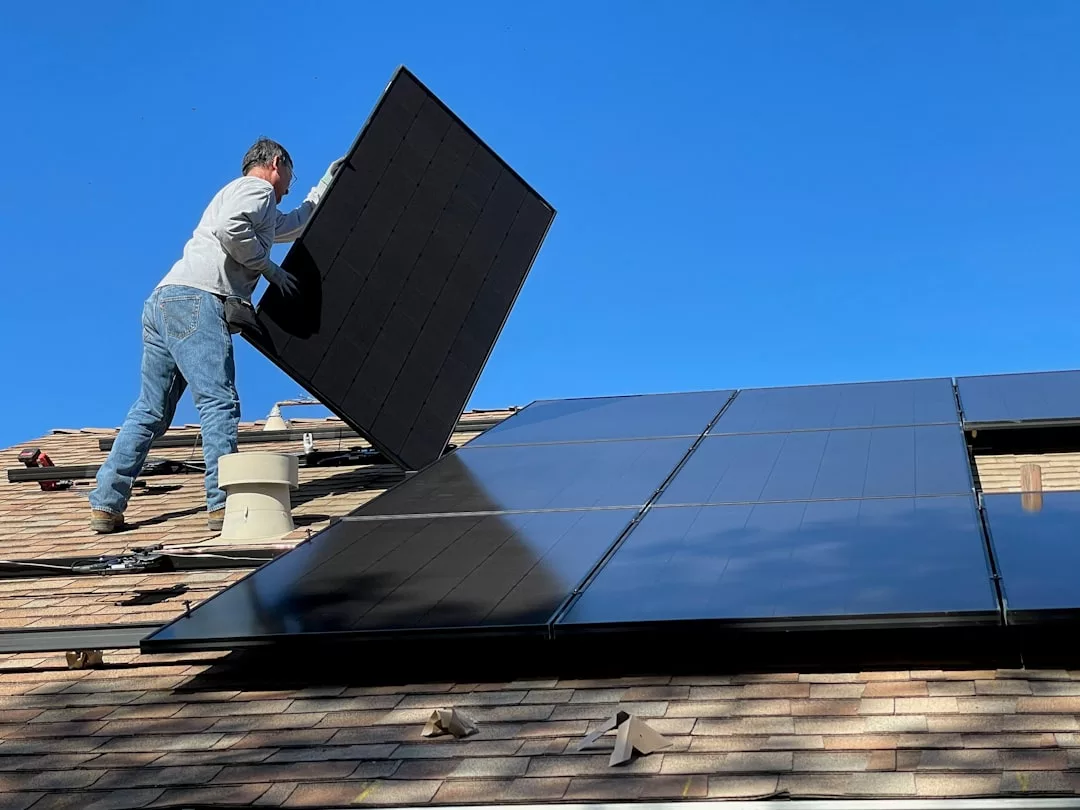
In an era marked by increasing environmental awareness and a pressing need for sustainable living, energy self-sufficient real estate properties have emerged as a beacon of hope. These properties are designed to generate their own energy, often through renewable sources such as solar, wind, or geothermal power. The concept of energy self-sufficiency in real estate is not merely a trend; it represents a fundamental shift in how we approach housing and commercial spaces.
As the world grapples with the consequences of climate change and dwindling natural resources, the demand for properties that can operate independently of traditional energy grids is on the rise. Energy self-sufficient properties are characterized by their ability to produce more energy than they consume, thereby reducing reliance on fossil fuels and minimizing carbon footprints. This self-sufficiency is achieved through a combination of innovative technologies, strategic design, and sustainable practices.
As urban areas continue to expand and the population grows, the need for sustainable living solutions becomes increasingly urgent. Energy self-sufficient real estate not only addresses environmental concerns but also offers economic benefits to homeowners and investors alike, making it a compelling option for the future of real estate development.
Key Takeaways
- Energy self-sufficient real estate properties are gaining popularity as a sustainable and cost-effective solution for the future.
- The benefits of energy self-sufficiency in real estate include reduced energy costs, increased property value, and environmental sustainability.
- Technologies such as solar panels, energy-efficient appliances, and smart home systems are driving energy self-sufficiency in real estate.
- Case studies of successful energy self-sufficient real estate properties showcase the feasibility and benefits of implementing sustainable energy solutions.
- The future of energy self-sufficient real estate looks promising with advancements in renewable energy technologies and increasing awareness of environmental issues.
The Benefits of Energy Self-Sufficiency in Real Estate
Cost Savings and Financial Relief
One of the most significant benefits is the potential for substantial cost savings on energy bills. By generating their own power, homeowners can significantly reduce or even eliminate their monthly utility expenses. This financial relief can be particularly appealing in regions where energy costs are high or volatile. Beyond financial savings, energy self-sufficiency contributes to enhanced resilience against energy price fluctuations and supply disruptions.Improved Comfort, Livability, and Peace of Mind
In an age where energy security is a growing concern, properties that can operate independently of the grid provide peace of mind to their occupants. Furthermore, these properties often incorporate energy-efficient designs and technologies that improve overall comfort and livability. Features such as improved insulation, energy-efficient appliances, and smart home systems not only enhance the quality of life for residents but also contribute to a more sustainable future.Technologies and Innovations Driving Energy Self-Sufficiency
The drive towards energy self-sufficiency in real estate is fueled by a plethora of innovative technologies that have emerged in recent years. Solar panels are perhaps the most recognizable technology associated with energy self-sufficient properties. These photovoltaic systems convert sunlight into electricity, allowing homeowners to harness a renewable resource that is abundant and free.
Advances in solar technology have led to increased efficiency and reduced costs, making solar installations more accessible than ever before. In addition to solar power, other technologies play a crucial role in achieving energy self-sufficiency. Wind turbines, for instance, can be integrated into residential properties to capture wind energy, particularly in areas with favorable wind conditions.
Geothermal heating and cooling systems utilize the earth’s stable underground temperature to regulate indoor climates efficiently. Battery storage systems have also become essential components of energy self-sufficient homes, enabling residents to store excess energy generated during peak production times for use during periods of low generation or high demand.
Case Studies of Successful Energy Self-Sufficient Real Estate Properties
Examining successful case studies of energy self-sufficient real estate properties provides valuable insights into the practical application of these concepts. One notable example is the Bullitt Center in Seattle, Washington, often referred to as the “greenest commercial building in the world.” This six-story office building is designed to generate more energy than it consumes over the course of a year. It features a rooftop solar array, rainwater harvesting systems, and composting toilets, all contributing to its net-zero energy status.
Another inspiring case is the Eco-Cycle House in New Zealand, which showcases a holistic approach to sustainable living. This property incorporates passive solar design principles, extensive insulation, and renewable energy sources such as solar panels and wind turbines. The Eco-Cycle House not only meets its energy needs but also serves as an educational platform for sustainable practices in construction and living.
These case studies illustrate that with thoughtful design and innovative technologies, achieving energy self-sufficiency is not only possible but also practical.
The Future of Energy Self-Sufficient Real Estate
As we look ahead, the future of energy self-sufficient real estate appears promising. With growing awareness of climate change and its impacts, consumers are increasingly prioritizing sustainability in their housing choices. This shift in consumer preferences is driving demand for energy-efficient homes and commercial spaces that can operate independently from traditional energy sources.
As a result, developers are beginning to incorporate energy self-sufficiency into their projects from the outset. Moreover, advancements in technology will continue to play a pivotal role in shaping the future of energy self-sufficient real estate. Innovations in building materials, such as solar shingles and energy-efficient windows, will further enhance the feasibility of creating self-sufficient properties.
Additionally, smart home technologies will enable homeowners to monitor and manage their energy consumption more effectively, optimizing efficiency and reducing waste. As these trends continue to evolve, we can expect to see a growing number of energy self-sufficient properties that not only meet the needs of their occupants but also contribute positively to the environment.
Challenges and Barriers to Achieving Energy Self-Sufficiency
Despite the many benefits associated with energy self-sufficient real estate properties, several challenges and barriers must be addressed to facilitate widespread adoption. One significant hurdle is the initial cost of implementing renewable energy technologies and sustainable building practices. While long-term savings on utility bills can offset these costs, many homeowners may find it difficult to invest upfront in solar panels or geothermal systems without financial assistance or incentives.
Additionally, regulatory challenges can impede the development of energy self-sufficient properties. Zoning laws and building codes may not always accommodate innovative designs or technologies that promote self-sufficiency. In some cases, homeowners may face restrictions on installing solar panels or wind turbines due to aesthetic concerns or neighborhood regulations.
Government Incentives and Policies Supporting Energy Self-Sufficient Real Estate
Recognizing the importance of promoting energy self-sufficiency in real estate, many governments around the world have implemented incentives and policies aimed at encouraging sustainable practices. Tax credits, rebates, and grants for renewable energy installations are common tools used to reduce the financial burden on homeowners seeking to adopt green technologies. These incentives can significantly lower the upfront costs associated with solar panels or energy-efficient appliances, making them more accessible to a broader audience.
In addition to financial incentives, governments are increasingly adopting policies that promote sustainable building practices through stricter energy efficiency standards and green building certifications. Programs such as LEED (Leadership in Energy and Environmental Design) provide guidelines for developers seeking to create environmentally friendly properties while also enhancing marketability. By fostering an environment conducive to innovation and sustainability, government initiatives play a crucial role in advancing the adoption of energy self-sufficient real estate.
Tips for Implementing Energy Self-Sufficiency in Real Estate Properties
For homeowners and developers looking to implement energy self-sufficiency in their real estate properties, several practical tips can guide the process. First and foremost, conducting an energy audit is essential to identify areas where improvements can be made. Understanding current energy consumption patterns allows property owners to prioritize upgrades that will yield the most significant benefits.
Incorporating renewable energy sources is another critical step toward achieving self-sufficiency. Solar panels are often the first choice due to their versatility and decreasing costs; however, exploring other options such as wind turbines or geothermal systems may also be beneficial depending on location and resources available. Additionally, investing in high-quality insulation and energy-efficient appliances can further reduce overall consumption.
Finally, staying informed about government incentives and local regulations is vital for maximizing opportunities for financial support while ensuring compliance with building codes. Engaging with local sustainability organizations or networks can provide valuable resources and connections that facilitate the journey toward creating an energy self-sufficient property. In conclusion, as society continues to navigate the complexities of climate change and resource management, energy self-sufficient real estate properties stand out as a viable solution for sustainable living.
By embracing innovative technologies and practices while addressing challenges through supportive policies and community engagement, we can pave the way for a greener future in real estate development.
Same market
More from Monaco

Monaco · 14 min
Monaco Property Investment
Monaco property investment guide: prices over €100,000/m², zero income tax, residency rules and 9-11% costs. Learn why it’s the ultimate capital…

Monaco · 8 min
The Impact of Home Office on Monaco’s Luxury Property Market
Monaco, a tiny principality nestled along the French Riviera, is synonymous with opulence and exclusivity. Known for its stunning Mediterranean coastl…

Monaco · 5 min
Attracting International Buyers for Your Property
In today’s interconnected world, the international real estate market has become a dynamic and multifaceted arena. Investors and buyers from var…