Monaco Infrastructure Projects: What Investors Should Know
Infrastructure projects in Monaco and what they mean for investors: economic impact, opportunities, government support, risks, case studies and the outlook.
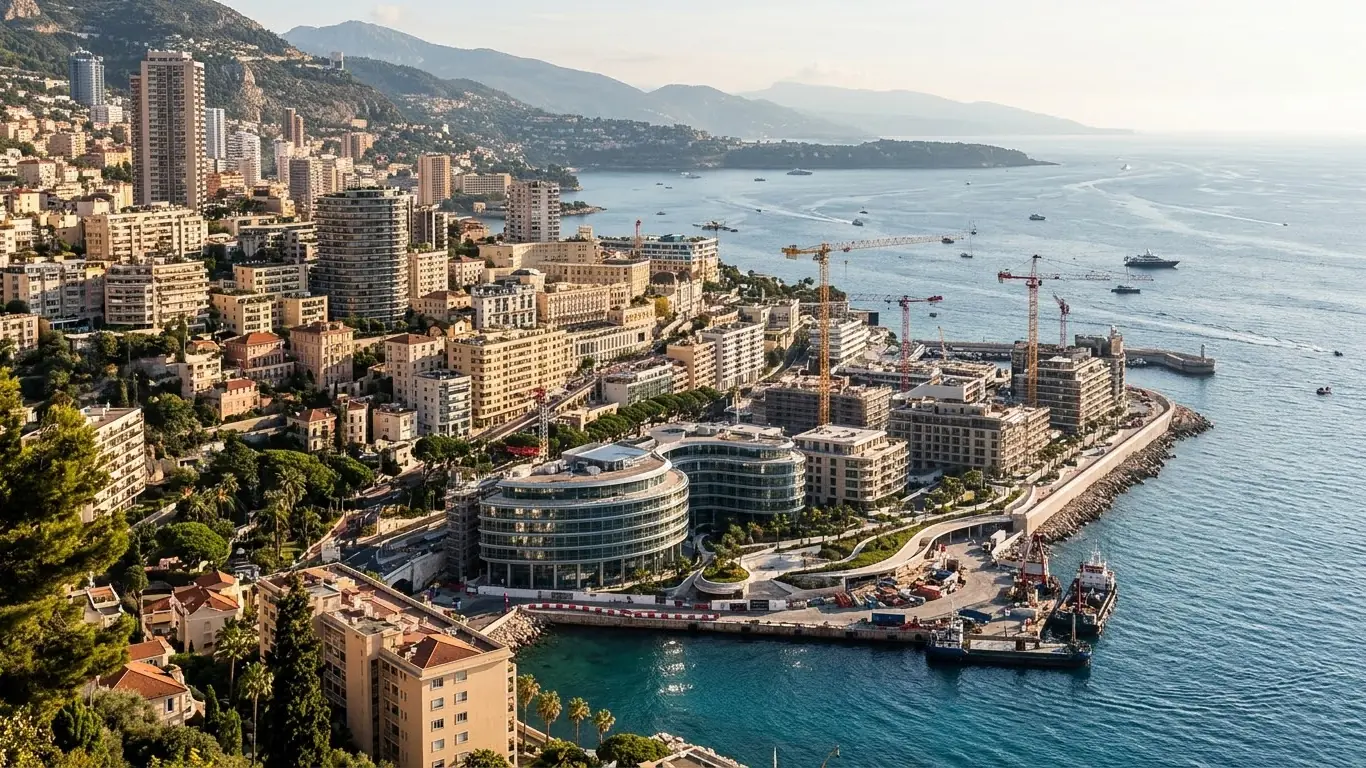

Monaco pairs a luxurious lifestyle with a steady commitment to its infrastructure. The principality has launched ambitious projects to improve connectivity, sustainability and quality of life for residents and visitors. This article looks at what these projects mean for investors.
The projects range from transportation upgrades to environmental efforts, all meant to support Monaco’s growth and its status as a premier destination. The government regards robust infrastructure as essential for economic development and social well-being. It has therefore prioritized investment in transportation, energy and public services.
Geography sets the terms: limited space and a growing population call for innovative solutions. Monaco’s projects are therefore as much about optimizing existing resources as about expansion.
Key Takeaways
- The projects aim to modernize infrastructure for a growing population and economy.
- They affect the economy by creating jobs, attracting investment and supporting growth.
- Investment opportunities include real estate development, transportation and sustainable energy.
- The government offers support and incentives, including tax benefits, grants and streamlined approval processes.
- Regulatory hurdles, environmental concerns and market volatility are the main risks, to be weighed against the potential rewards.
The Impact of Infrastructure Projects on Monaco’s Economy
Enhancing Transportation Networks
Better transportation networks can draw more tourists and businesses and so widen revenue streams. Improved roads, public transport and pedestrian pathways ease access to key attractions and strengthen Monaco’s appeal for visitors from around the globe.
Boosting Local Businesses and Tax Revenue
More visitors support local businesses and generate tax revenue for the government. Infrastructure investment also creates jobs and stimulates economic activity in the region.
Creating Employment Opportunities
Construction requires a skilled workforce, creating jobs in the short and long term. As new facilities and services open, demand grows for maintenance and operational staff. The multiplier effect can be substantial: more employment means higher disposable incomes, which in turn feed consumer spending and local businesses.
Investment Opportunities in Monaco’s Infrastructure Projects
Sustainable development is the clearest opening for investors. The principality’s commitment has opened doors for investment in green technologies and renewable energy projects. As Monaco aims to reduce its carbon footprint and improve energy efficiency, ventures in solar energy installations, electric vehicle charging stations and waste management systems come into view.
These initiatives align with global sustainability goals and may offer attractive returns as demand for eco-friendly solutions rises. Transportation is another field: the expansion of the public transport network, including tram systems and electric buses, is meant to reduce traffic congestion and promote environmentally friendly commuting.
Investors can take part through public-private partnerships (PPPs), which facilitate the financing and implementation of these projects. Private entities contribute their expertise and benefit from government support and incentives.
Government Support and Incentives for Infrastructure Investors
The government actively encourages private investment through various support mechanisms and incentives. A key advantage is the principality’s favorable tax regime, which includes low corporate tax rates and exemptions for certain types of investments, an environment that appeals to businesses looking to establish or expand operations.
The government also often provides financial assistance or grants for specific infrastructure initiatives that align with its strategic goals, favoring projects that enhance sustainability or improve public services. Streamlined regulatory processes and a transparent legal framework add to investor confidence and ease project implementation.
Risks and Challenges for Investors in Monaco
The prospects are promising, but the risks deserve equal attention. Land is scarce in the principality, so any development has to be planned carefully to avoid disrupting existing communities or natural landscapes.
Scarcity can intensify competition for prime locations and drive up costs. The regulatory landscape can be complex because of Monaco’s unique governance structure, and while the government supports infrastructure investment, permits and approvals can be time-consuming.
Investors should allow for possible delays as projects work through bureaucratic processes. Fluctuations in global economic conditions can also affect funding and project viability, which calls for thorough risk assessment before capital is committed.
Case Studies of Successful Infrastructure Investments in Monaco
Several investments show how strategic planning and collaboration can yield positive outcomes. The extension of the Monaco tramway system has improved public transportation within the city-state, reduced traffic congestion and eased access to key areas such as the Monte Carlo Casino and the Grimaldi Forum.
The tramway’s success has encouraged further investment in public transport, pointing to the potential of sustainable urban mobility. A second example is eco-friendly building: residential complexes with solar panels, green roofs and advanced insulation systems have set a benchmark for sustainable living in Monaco.
Future Outlook for Infrastructure Projects in Monaco
The government continues to prioritize sustainable development and modernization. With a growing focus on smart city initiatives, advanced technologies could be integrated into urban planning and infrastructure management, for example smart traffic management systems that optimize traffic flow or digital platforms that improve public service delivery.
As global trends move toward sustainability and resilience in urban environments, Monaco is well placed to lead by example. Its commitment to reducing its carbon footprint will likely drive further investment in renewable energy and green technologies, and for investors who seek opportunities aligned with their values, these projects will remain an option worth weighing.
More from Monaco
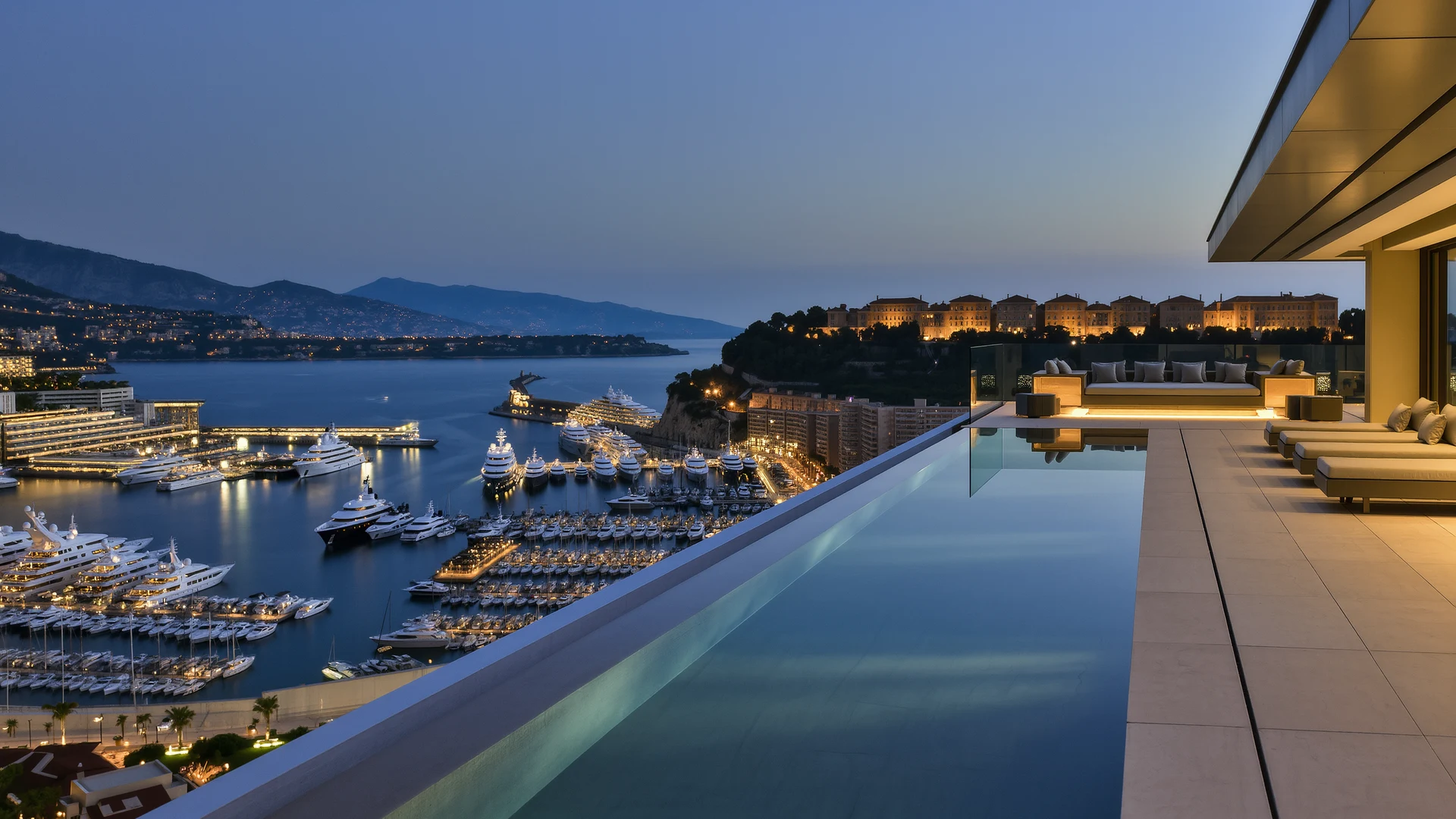
Monaco Property Investment: Prices, Costs, Residency
Monaco property investment: prime prices above €100,000 per square meter, tax treatment, residency rules, transaction costs of 9 to 11 percent and yields.
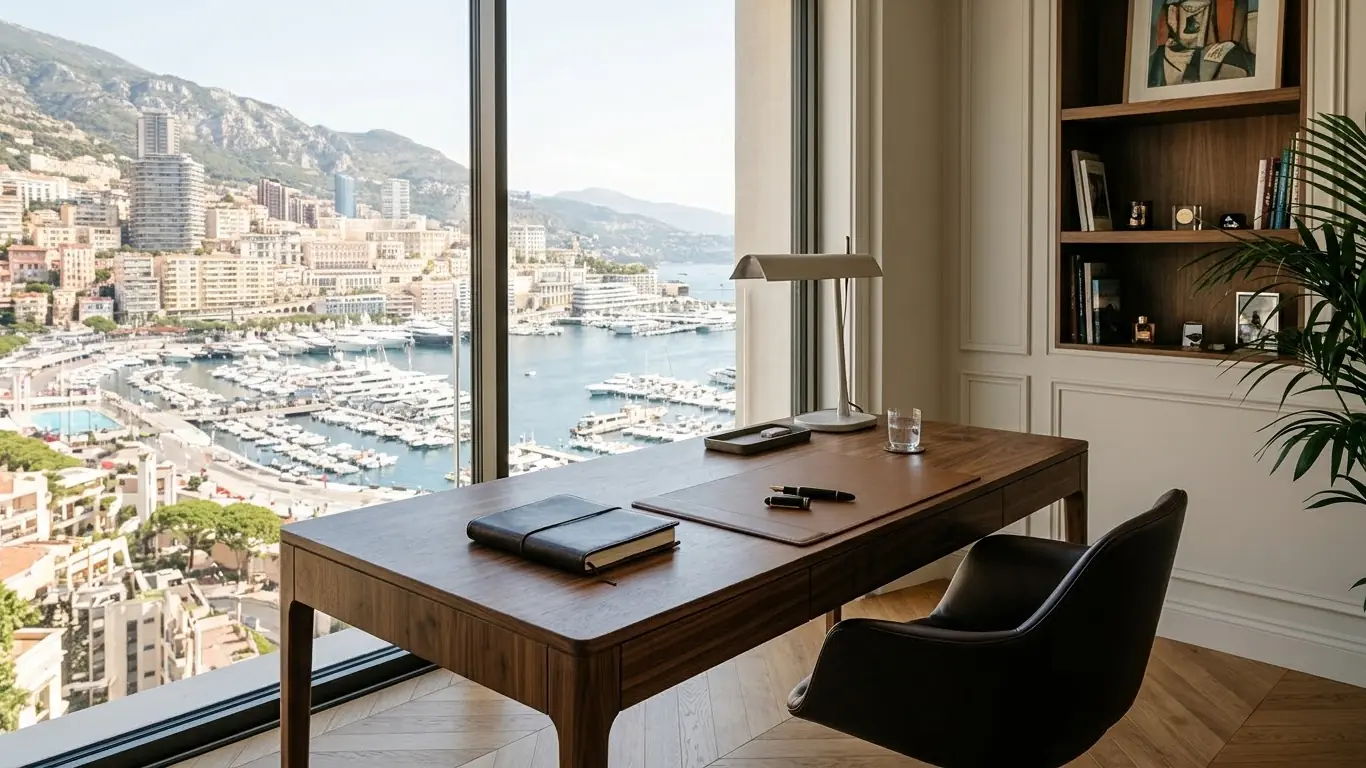
Monaco Luxury Property Market: The Effect of Home Offices
Monaco luxury property market: how home offices, wellness features, smart technology and new buyer profiles shape demand, prices, design and agency work.
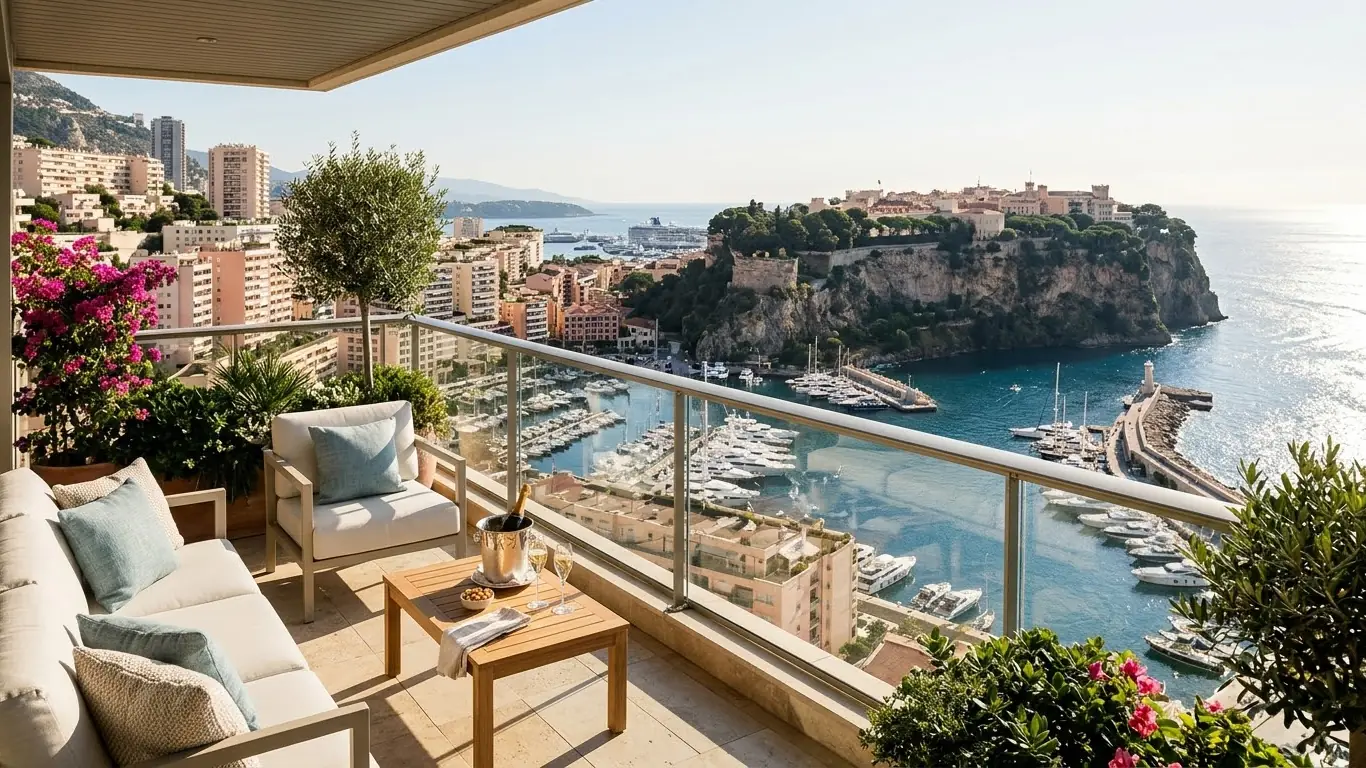
Attracting International Buyers for Your Property
Reaching international property buyers takes market knowledge, online visibility, local expertise, presentation, flexible payment and multilingual support.