Selling Property in Dubai: Realistic Timelines
Selling in Dubai can take one to three months in prime areas and longer elsewhere. Pricing, condition, paperwork and buyer financing shape the timeline.
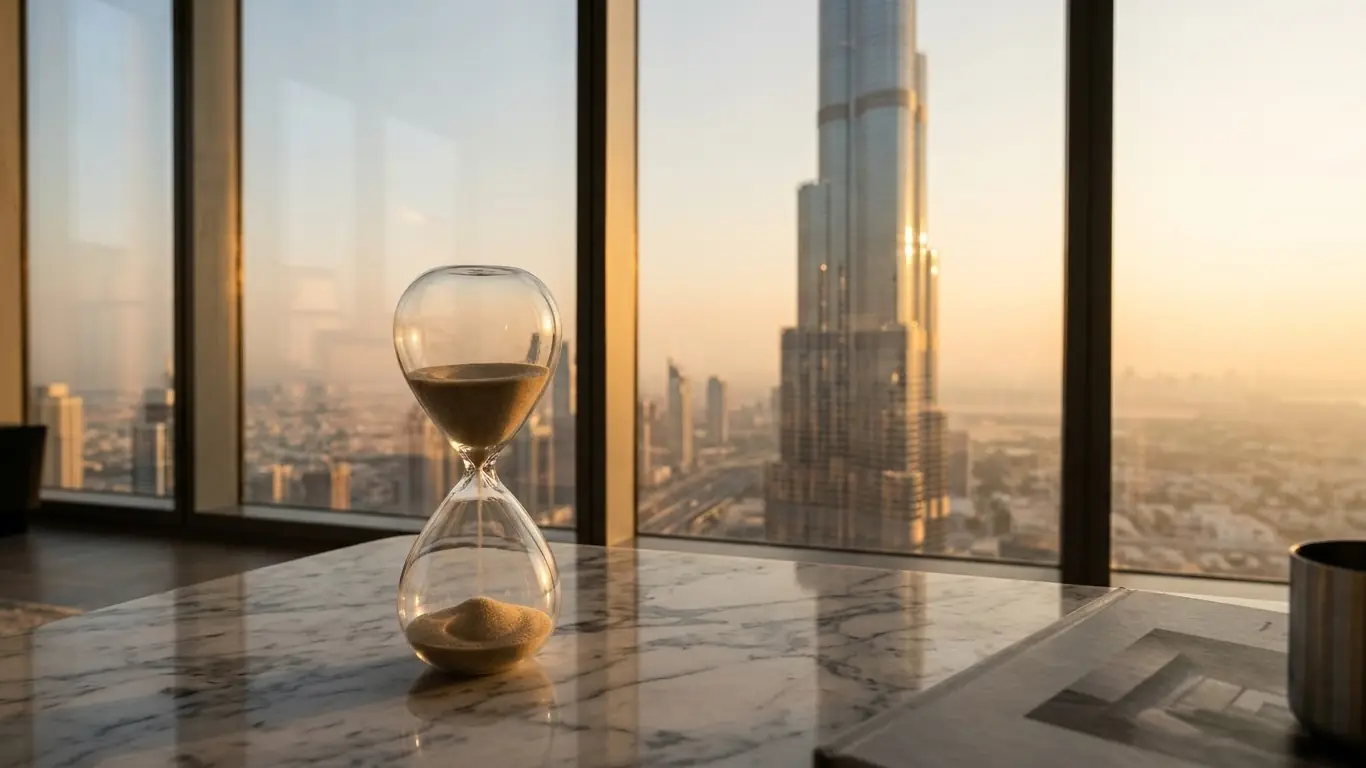

Selling a property in Dubai can take a matter of weeks in a sought-after district and several months in a quieter one. The timeline depends on pricing, condition, location, paperwork and buyer financing, all set against a market that has moved with global trends, oil prices and tourism. New regulations aimed at protecting investors and improving transparency have shaped it further. This article walks through the steps of a sale, typical timeframes by area and the delays worth planning for.
Key takeaways
- Supply and demand, economic conditions and government policy shape the Dubai market and, with it, the pace of a sale.
- Location, condition, pricing and marketing strategy decide how long a property stays on the market.
- A sale runs through preparation, pricing, marketing, negotiation and the legal and financial completion.
- Timeframes vary by area: some districts sell markedly faster than others.
- Competitive pricing, effective staging, wide marketing and flexibility in negotiation speed up a sale.
- Delays most often stem from legal complications, market fluctuations and buyer financing.
- Agents and developers contribute market knowledge, resources and buyer networks.
Factors That Set the Timeframe for a Sale
Pricing Strategy and the Pace of a Sale
Price is the first lever. An overpriced property deters buyers and sits on the market, while one priced too low can raise doubts about its value and cost the seller money. Market research and a professional appraisal help to find a price that attracts buyers without giving away value.
Condition and Move-In Readiness
Well-maintained homes with modern amenities tend to sell faster than those needing extensive repairs or renovation. Many buyers look for move-in-ready properties, so minor upgrades or staging can make a real difference to the level of interest.
Location and Access to Services
Areas with high demand and close access to schools, shopping centers and public transport tend to sell more quickly than less sought-after neighborhoods.
The Steps of a Property Sale in Dubai
A sale starts with preparation: cleaning, decluttering and any necessary repairs or improvements. Once the property is in good order, the seller gathers the documentation, including title deeds, service charge statements and any warranties for appliances or renovations.
Good preparation strengthens the property and streamlines the sale. The seller then decides between an agent and a private sale. Selling independently saves commission, while an experienced agent brings insight into market trends and access to a wider network of buyers.
Marketing follows, whether through an agent or independently. High-quality photographs, virtual tours and well-written descriptions are the essential tools for attracting interest.
Typical Timeframes by Area in Dubai
Timeframes vary with location. In high-demand areas such as Dubai Marina or Downtown Dubai, properties may sell within weeks, helped by their popularity with local and international buyers, their lifestyle offering, luxury amenities and proximity to key attractions.
Properties in less popular areas can take longer. Neighborhoods that are still developing or lie further from the city center may see lower demand and longer selling times. On average, prime locations sell within one to three months, while less desirable areas might take three to six months or even longer.
How to Speed Up a Sale in Dubai
To speed up a sale, sellers can combine several strategies that sharpen appeal. Pricing comes first: research on comparable properties in the area supports a competitive price that draws interest without undervaluing the asset.
Online marketing is the second lever. Most buyers begin their search online, so social media channels and real estate websites increase visibility, and high-quality images and engaging descriptions are essential to a successful listing.
Open houses and private viewings create a sense of urgency among buyers and let them experience the property firsthand.
Delays in the Sale and How to Avoid Them
A common source of delay is paperwork. Incomplete documentation or discrepancies in title deeds can stall a transaction, so sellers should have every document organized and accurate before listing.
Buyer financing can also prolong a sale. If a buyer needs a mortgage and struggles to secure it, the process stretches out, which is why sellers may prefer to pre-qualify buyers or work with those who have already secured financing.
Flexibility on closing dates or contingencies can also smooth a transaction and limit delays.
Working with Agents and Developers in Dubai
Experienced agents know the local market and can advise on pricing and on marketing techniques suited to specific neighborhoods. They also bring a network of potential buyers and handle negotiations on behalf of the seller, which supports fair offers.
Developers matter most for new developments and off-plan properties. They often have established marketing channels and relationships with agents that can expedite sales, and some offer incentives such as flexible payment plans or promotional offers to attract buyers looking for new investments.
Setting Realistic Expectations for a Sale in Dubai
Realistic expectations begin with the district and the market conditions. Properties in high demand may sell within weeks, others take longer, and preparing the property well, marketing it effectively and working with experienced professionals help the sale proceed more efficiently. Patience remains part of the plan.
More from Dubai

Dubai Luxury Real Estate Guide: Prices, Taxes, Outlook
Dubai luxury real estate guide: prime addresses from Palm Jumeirah to Downtown, branded residences, tax, transaction costs, Golden Visa and the 2026 outlook.
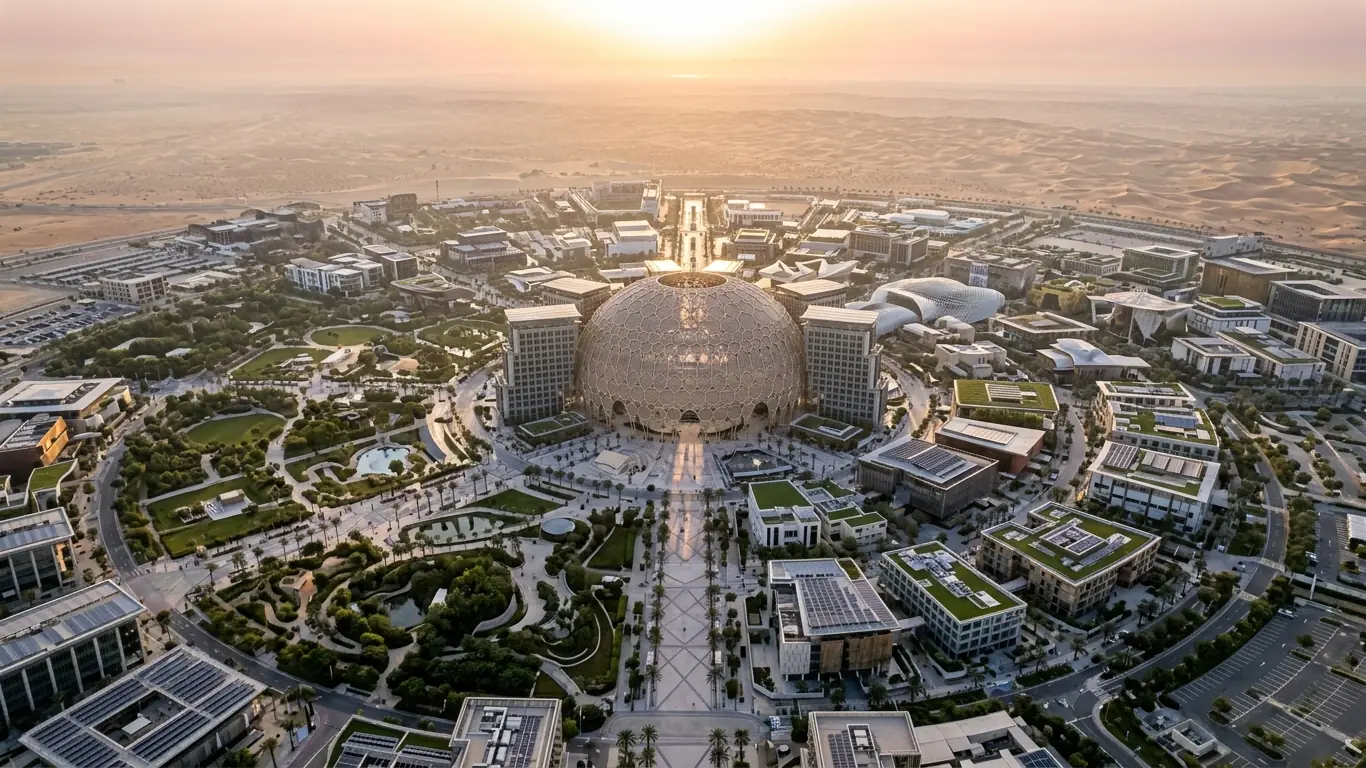
Expo City Proximity and the Dubai Real Estate Market
Expo City in Dubai and the property market around it: demand, price drivers, infrastructure, investment opportunities and risks such as oversupply.
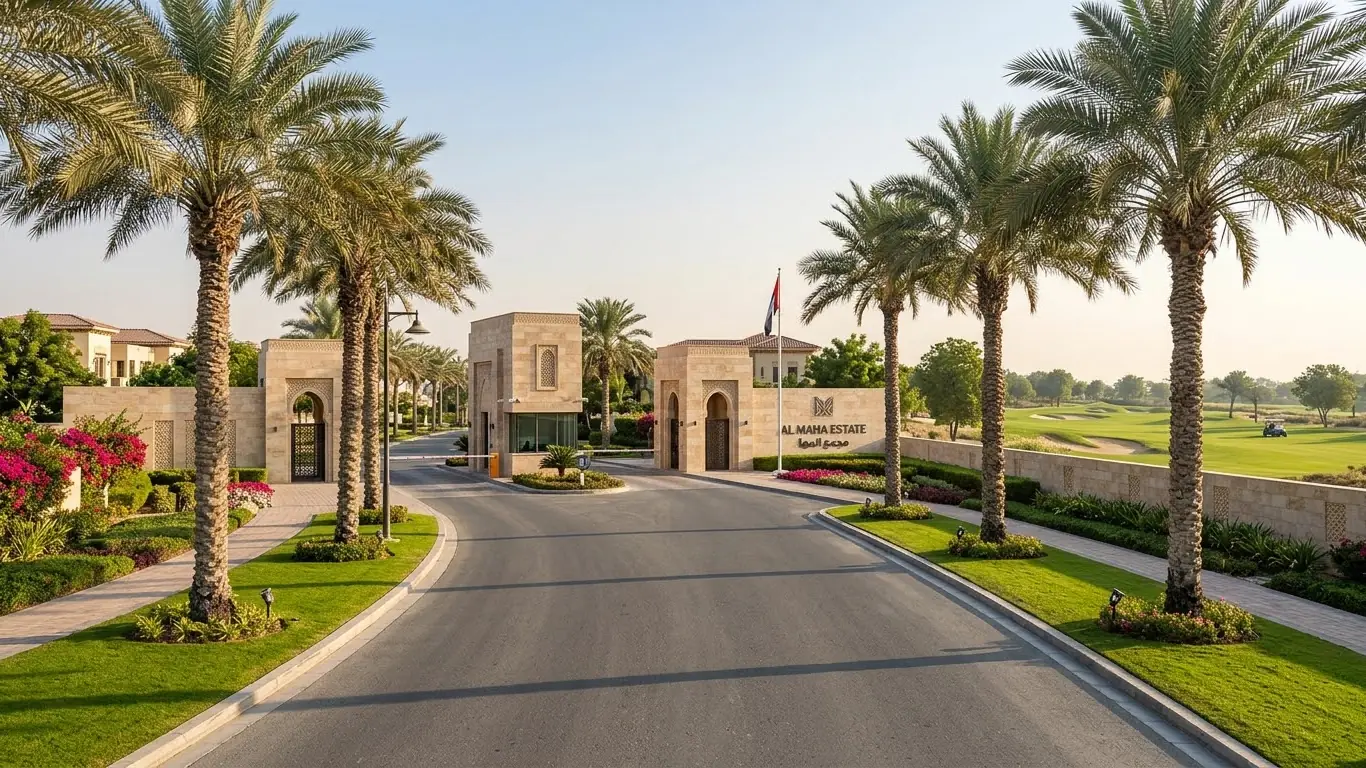
Exclusive Gated Communities in Dubai: Privacy and Security
Gated communities in Dubai: how privacy, security, amenities, technology and cost shape everyday life and property values in these exclusive enclaves.