Stockholm · 59.33°N 18.07°E · File 2914
The Shift Towards Suburban Living: Trends in Stockholm’s Outskirts
In recent decades, Stockholm has witnessed a significant shift in living patterns, with a marked increase in suburban living. This trend can be attributed to various factors, inclu…
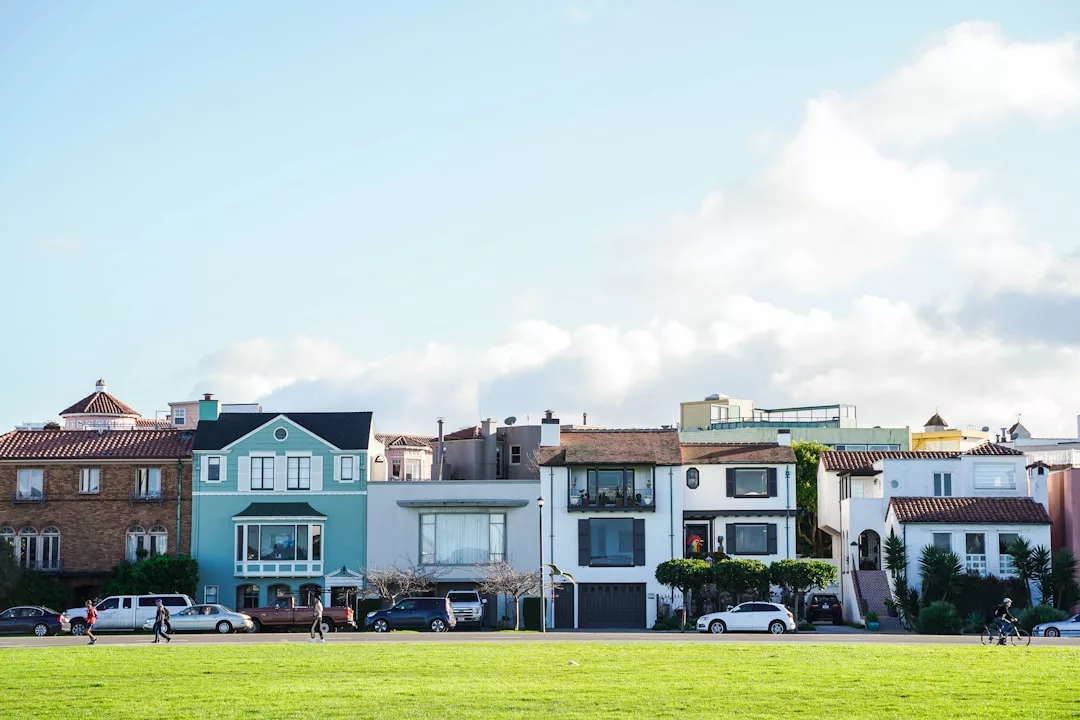
In recent decades, Stockholm has witnessed a significant shift in living patterns, with a marked increase in suburban living. This trend can be attributed to various factors, including the city’s growing population, rising housing costs in urban areas, and a desire for a more tranquil lifestyle. As the capital of Sweden, Stockholm has long been a hub of economic activity and cultural vibrancy, but the pressures of urbanization have prompted many residents to seek refuge in the suburbs.
The allure of spacious homes, green spaces, and a sense of community has drawn families and individuals alike to the outskirts, reshaping the demographic landscape of the region. The rise of suburban living is also closely linked to advancements in technology and changes in work culture. The COVID-19 pandemic accelerated remote work trends, allowing individuals to live farther from their workplaces without sacrificing employment opportunities.
This newfound flexibility has made suburban areas more attractive, as people prioritize quality of life over proximity to city centers. Consequently, neighborhoods that were once considered peripheral have transformed into desirable locales, complete with amenities that cater to the needs of modern families. The suburbs are no longer viewed as mere extensions of the city; they have evolved into vibrant communities in their own right.
Key Takeaways
- Suburban living in Stockholm is on the rise, with more people choosing to move to the outskirts for a better quality of life.
- Urban sprawl is impacting the outskirts of Stockholm, leading to increased development and housing trends in the suburbs.
- Housing trends in Stockholm’s suburbs are focused on creating more sustainable and environmentally friendly communities.
- Transportation and infrastructure in the suburbs of Stockholm are being improved to accommodate the growing population in the outskirts.
- The appeal of suburban living in Stockholm lies in the quality of life and amenities, such as green spaces, schools, and community centers.
Urban Sprawl and its Impact on the Outskirts of Stockholm
Urban sprawl refers to the uncontrolled expansion of urban areas into surrounding rural land, and Stockholm is no exception to this phenomenon. As the city continues to grow, the outskirts have experienced significant development, leading to both positive and negative consequences. On one hand, urban sprawl has facilitated the construction of new housing developments, schools, and recreational facilities, providing residents with access to essential services.
However, this rapid expansion has also raised concerns about environmental degradation, increased traffic congestion, and the loss of agricultural land. The impact of urban sprawl on Stockholm’s outskirts is evident in the changing landscape. Formerly rural areas have been transformed into bustling neighborhoods filled with residential complexes and commercial centers.
This transformation often comes at the expense of green spaces and natural habitats, which are crucial for maintaining biodiversity. Additionally, as more people move to the suburbs, the demand for infrastructure such as roads and public transportation increases, leading to further strain on resources. The challenge lies in balancing growth with sustainability, ensuring that the benefits of suburban living do not come at an unacceptable cost to the environment.
Housing Trends and Development in Stockholm’s Suburbs
The housing market in Stockholm’s suburbs has undergone a remarkable transformation in recent years. With an influx of residents seeking more affordable living options compared to the city center, developers have responded by creating a diverse range of housing types. From single-family homes to modern apartment complexes, the suburbs now offer a variety of choices that cater to different demographics.
This diversification is essential in accommodating families, young professionals, and retirees alike, each with unique housing needs. Moreover, there is a growing emphasis on sustainable building practices in suburban developments. Many new projects incorporate eco-friendly materials and energy-efficient technologies, reflecting a broader societal shift towards environmental consciousness.
For instance, several housing developments in areas like Täby and Nacka have integrated solar panels and green roofs into their designs. These innovations not only reduce the carbon footprint of new homes but also enhance their appeal to environmentally-minded buyers. As demand for sustainable living options continues to rise, it is likely that developers will increasingly prioritize green building practices in their projects.
Transportation and Infrastructure in the Suburbs of Stockholm
Transportation plays a crucial role in shaping suburban life in Stockholm. As more residents move to the outskirts, efficient public transport systems become essential for maintaining connectivity with the city center. The Stockholm public transport network has made significant strides in recent years, expanding services to suburban areas through buses, commuter trains, and metro lines.
For example, the Roslagsbanan railway line connects several northern suburbs to central Stockholm, making it easier for commuters to travel without relying on personal vehicles. However, despite these advancements, challenges remain. Traffic congestion is a growing concern as more people commute daily from the suburbs to the city.
The reliance on cars can lead to increased pollution and longer travel times, undermining some of the benefits associated with suburban living. To address these issues, local authorities are exploring innovative solutions such as carpooling initiatives and investments in cycling infrastructure. By promoting alternative modes of transportation, they aim to reduce congestion while enhancing the overall quality of life for suburban residents.
The Appeal of Suburban Living: Quality of Life and Amenities
Suburban living offers a unique blend of tranquility and convenience that appeals to many individuals and families. One of the primary draws is the quality of life associated with living outside the bustling city center. Suburbs typically provide larger living spaces, access to parks and recreational facilities, and a quieter environment conducive to family life.
For parents, this means safer neighborhoods where children can play freely and engage with their community. In addition to spacious homes and green spaces, suburban areas are increasingly equipped with amenities that cater to residents’ needs. Shopping centers, schools, healthcare facilities, and recreational options are becoming more prevalent in these communities.
For instance, areas like Solna and Sundbyberg have developed vibrant commercial hubs that offer everything from grocery stores to restaurants and entertainment venues. This accessibility enhances the overall living experience by reducing the need for long commutes for everyday activities.
Challenges and Opportunities in the Suburbs of Stockholm
While suburban living presents numerous advantages, it is not without its challenges. Unlike urban centers where social interactions are more frequent due to proximity, suburban residents may find themselves disconnected from their neighbors.
This isolation can be particularly pronounced among older adults or those who work from home. To combat this issue, community initiatives aimed at fostering social connections are essential. Another challenge facing Stockholm’s suburbs is ensuring equitable access to services and amenities across different neighborhoods.
As some areas experience rapid growth and development, others may lag behind in terms of infrastructure investment. This disparity can lead to inequalities in access to education, healthcare, and recreational opportunities. Local governments must prioritize inclusive planning strategies that address these disparities while promoting sustainable growth across all suburban regions.
The Future of Suburban Living in Stockholm
Looking ahead, the future of suburban living in Stockholm appears promising yet complex. As urbanization continues to shape societal trends, it is likely that more individuals will seek refuge in suburban areas for their affordability and quality of life benefits. However, this growth must be managed carefully to avoid exacerbating existing challenges such as traffic congestion and environmental degradation.
Innovative urban planning will play a pivotal role in shaping this future landscape. Emphasizing mixed-use developments that integrate residential spaces with commercial and recreational facilities can create vibrant communities where residents can live, work, and play without needing extensive travel. Additionally, ongoing investments in public transportation infrastructure will be crucial for maintaining connectivity between suburbs and the city center while reducing reliance on cars.
Sustainability and Environmental Considerations in Stockholm’s Outskirts
Sustainability is becoming an increasingly important consideration in suburban development around Stockholm. As awareness grows regarding climate change and environmental degradation, both residents and policymakers are advocating for greener practices in housing and infrastructure development. This shift is evident in initiatives aimed at preserving green spaces within suburban areas while promoting eco-friendly building practices. Investments in electric buses and bike-sharing programs are examples of efforts aimed at reducing reliance on fossil fuels while promoting healthier lifestyles among residents. Furthermore, community gardens and urban farming initiatives are gaining traction as ways to foster local food production while enhancing community engagement.
In conclusion, as Stockholm’s suburbs continue to evolve amidst changing demographics and societal needs, a focus on sustainability will be paramount for ensuring that these areas remain livable and vibrant for generations to come. Balancing growth with environmental stewardship will be essential for creating a future where suburban living thrives alongside nature rather than at its expense.
Same market
More from Stockholm

Stockholm · 6 min
Family-Friendly Living: Amenities and Services in Stockholm’s Neighborhoods
Stockholm, the capital of Sweden, is often celebrated for its stunning archipelago, rich history, and vibrant culture. However, it is also a city that…

Stockholm · 6 min
Exciting New Development Projects in Stockholm for 2026
Stockholm, the capital of Sweden, is a city that seamlessly blends its rich history with modern innovation. Over the past few decades, the city has em…

Stockholm · 6 min
Balancing Tranquility and Activity: Lifestyle Choices in Stockholm
Stockholm, the capital of Sweden, is a city that seamlessly blends modernity with tradition, offering a unique lifestyle that reflects its rich histor…