Shopping in Dubai: Tips for International Buyers
Shopping in Dubai: malls and souks, bargaining etiquette, VAT refunds, the best times to shop, payment methods and shipping for international buyers.
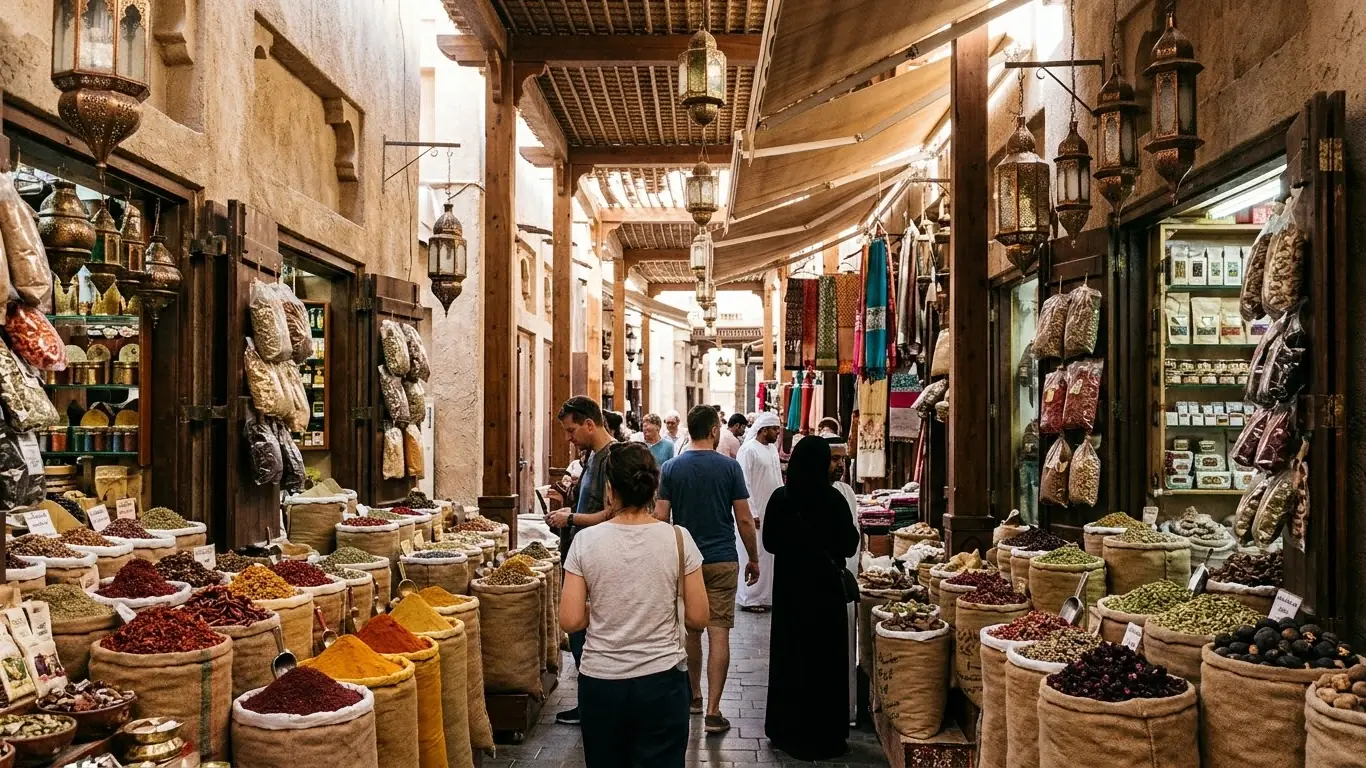

Dubai blends traditional markets and modern retail, which has earned it a reputation as a paradise for shoppers. This guide covers destinations, bargaining, VAT refunds, timing, payment, shipping and etiquette.
Dubai was historically a trading hub where merchants from various parts of the world converged to exchange goods.
That legacy lives on in a vibrant shopping scene that attracts millions of visitors each year. Shopping here is an experience of luxury, tradition and innovation, not only the purchase of items, and it is marked by diversity.
The options range from bustling souks, where spices, textiles and gold are sold, to opulent malls that house international luxury brands. Shopping is often a social activity: families and friends gather to explore the latest trends, enjoy gourmet dining and take in entertainment within the malls. Festivals like the Dubai Shopping Festival add discounts, promotions and events in a festive atmosphere.
Key takeaways
- Shopping in Dubai is a cultural experience, and malls and souks serve as social spaces for locals and tourists alike.
- Leading destinations include the Dubai Mall, Mall of the Emirates and traditional souks such as the Gold Souk and Spice Souk.
- Bargaining is common practice in traditional markets, and shoppers should be prepared to haggle.
- Tourists can claim back VAT on qualifying purchases at designated refund points, including airports.
- The best times to shop are the Dubai Shopping Festival in January and February and the Ramadan and Eid sales.
The Best Shopping Destinations in Dubai
The Dubai Mall is perhaps the most famous destination in the city, with over 1,200 retail outlets, including high-end brands like Chanel and Gucci. An aquarium, an ice rink and numerous dining options make it a complete entertainment hub.
Visitors can spend an entire day exploring its vast expanse. The Mall of the Emirates is renowned for its indoor ski slope, Ski Dubai, and offers a mix of luxury and mid-range brands for a wide range of shoppers.
The ambiance is sophisticated yet welcoming, with numerous cafes and restaurants for relaxing after a long day. For a more traditional experience, the Gold Souk and Spice Souk in Deira offer a glimpse into Dubai’s rich trading history, where visitors can haggle for gold jewelry or sample exotic spices amid the vibrant atmosphere.
Bargaining and Negotiating Prices
Bargaining is an integral part of the shopping experience, especially in traditional markets like souks. Many retail stores in malls have fixed prices, but haggling is expected where vendors sell handmade goods or local products. Successful negotiation starts with respect and a friendly demeanor.
A good opening is to express interest in the item while indicating that it seems slightly overpriced, which starts a dialogue and invites a better offer. Research beforehand into the typical price range helps as well.
That knowledge helps recognize a fair price. Walking away when the price does not feel right is a legitimate option, and vendors often call shoppers back with a better offer when they see a serious intention not to buy at the initial price. Bargaining stays light-hearted, and a positive attitude can lead to better deals and a more enjoyable experience.
Tax-Free Shopping and VAT Refunds
Tax-free shopping is one of Dubai’s appeals for shoppers looking to save money on luxury items. Certain items may be subject to different regulations or taxes, so it is wise to check before making large purchases.
For tourists there is an additional benefit: many retailers offer a tax refund scheme for visitors who spend above a certain amount. Shoppers can claim back VAT on purchases at designated refund points within airports or other locations throughout the city.
Receipts should be kept and the necessary procedures followed before leaving the country. This tax-free environment enhances the shopping experience and encourages visitors to indulge in luxury goods without the burden of additional costs.
The Best Times to Shop in Dubai
Timing shapes the shopping experience. The best times align with seasonal sales events and festivals with substantial discounts, and the Dubai Shopping Festival, held annually in January and February, is among the most anticipated.
During the festival, retailers across the city offer deals on everything from electronics to fashion, an ideal time for bargain hunters. Many malls also hold seasonal sales during Ramadan and Eid, when retailers often provide discounts as part of festive promotions. Shopping in these periods brings good deals and a view of how residents celebrate these significant occasions.
For a quieter experience without large crowds, weekdays and early mornings see lower foot traffic.
Local Currency and Payment Methods
The local currency is the United Arab Emirates Dirham (AED), divided into 100 fils. Knowing it helps with budgeting, and since exchange rates may fluctuate, current rates are worth checking before converting money or making purchases.
Most shops accept major credit cards such as Visa and MasterCard, so international travelers can shop without carrying large amounts of cash. Many retailers also accept mobile payment methods like Apple Pay and Samsung Pay, which are increasingly popular. Some cash is still useful for smaller purchases or at local markets where cards may not be accepted.
Familiarity with local currency denominations makes transactions smoother and avoids confusion.
Shipping and Customs Regulations
Large items or quantities call for a look at shipping options and customs regulations. Many retailers offer international shipping, so costs and delivery times should be clarified before finalizing a purchase, and some stores provide free shipping above a certain amount. Each country has its own rules on import duties and taxes for goods bought abroad, and researching them beforehand can prevent unexpected costs at home. Receipts and documentation related to the purchases, kept at hand, facilitate smoother customs clearance.
Shopping Etiquette in Dubai
Shopping etiquette reflects the city’s blend of modernity and tradition. Despite the cosmopolitan atmosphere, local customs and cultural norms deserve respect: modest dress in traditional markets and souks shows regard for them and helps visitors blend in. Politeness goes a long way with vendors and shop staff, and a friendly greeting creates positive rapport. Bargaining is common practice in souks, but it should stay respectful, since aggressive haggling may be frowned upon.
A friendly demeanor during negotiations, and readiness to walk away if no agreement is reached, often leads to better outcomes while preserving goodwill between shopper and vendor. Understanding the culture of shopping enhances the experience across the diverse offerings, from high-end malls to bustling souks.
More from Dubai

Dubai Luxury Real Estate Guide: Prices, Taxes, Outlook
Dubai luxury real estate guide: prime addresses from Palm Jumeirah to Downtown, branded residences, tax, transaction costs, Golden Visa and the 2026 outlook.
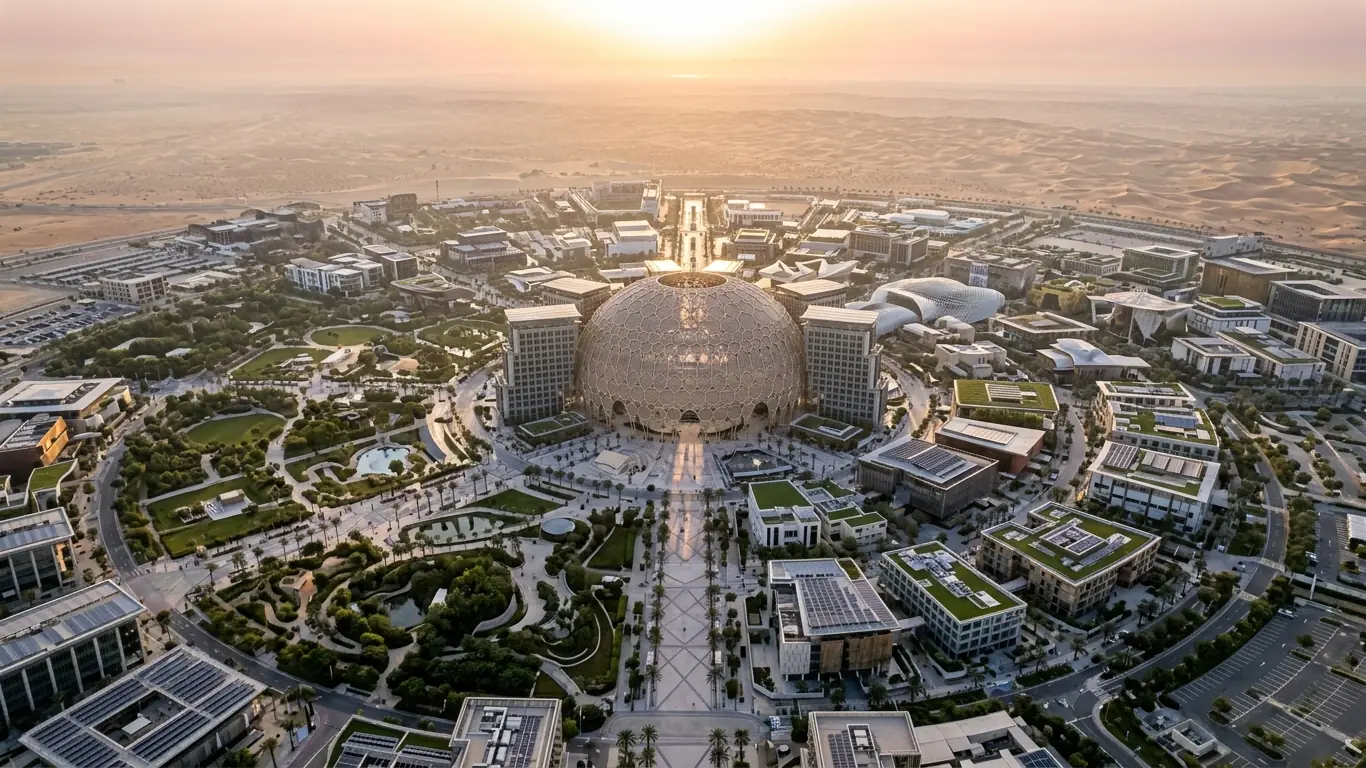
Expo City Proximity and the Dubai Real Estate Market
Expo City in Dubai and the property market around it: demand, price drivers, infrastructure, investment opportunities and risks such as oversupply.
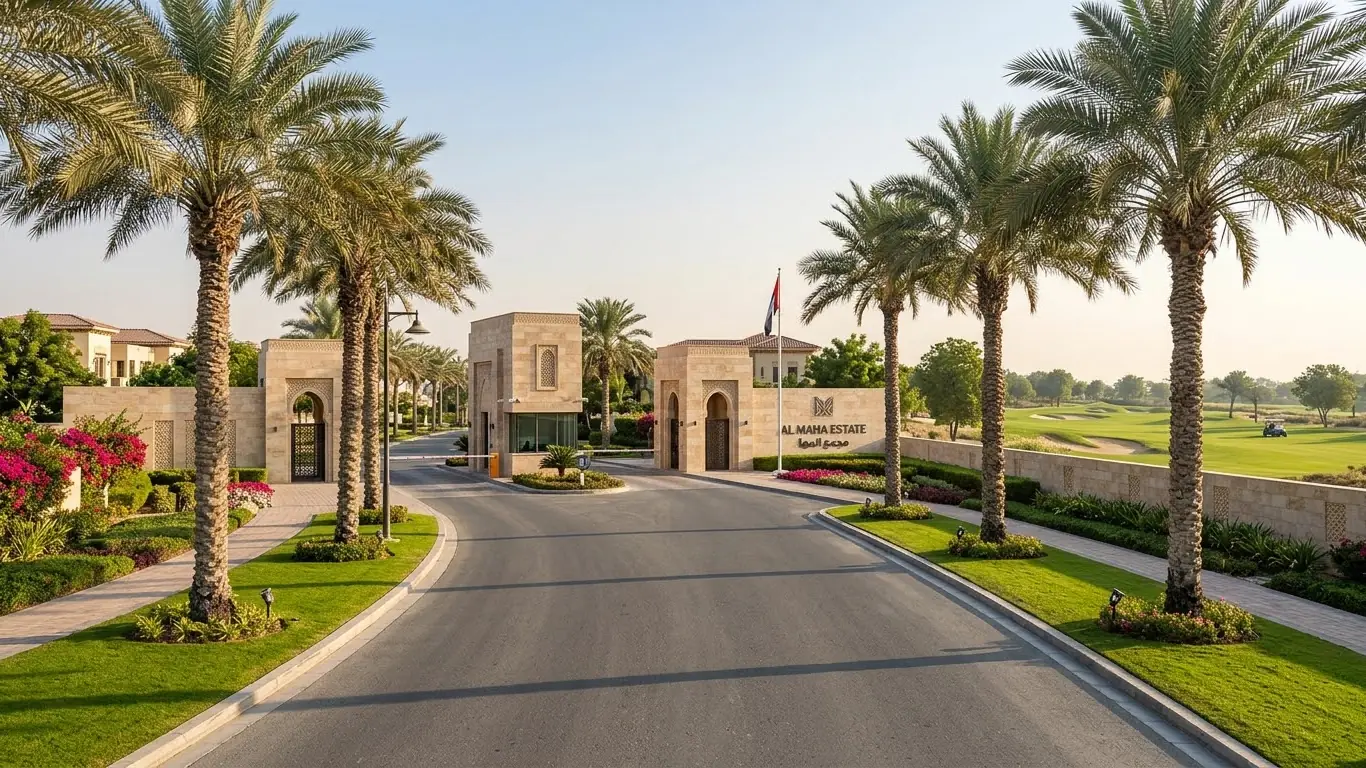
Exclusive Gated Communities in Dubai: Privacy and Security
Gated communities in Dubai: how privacy, security, amenities, technology and cost shape everyday life and property values in these exclusive enclaves.