Smart Homes in Dubai: Technology in New Builds
How new builds in Dubai integrate smart home technology: automation, energy efficiency, security and the questions developers and buyers should weigh.
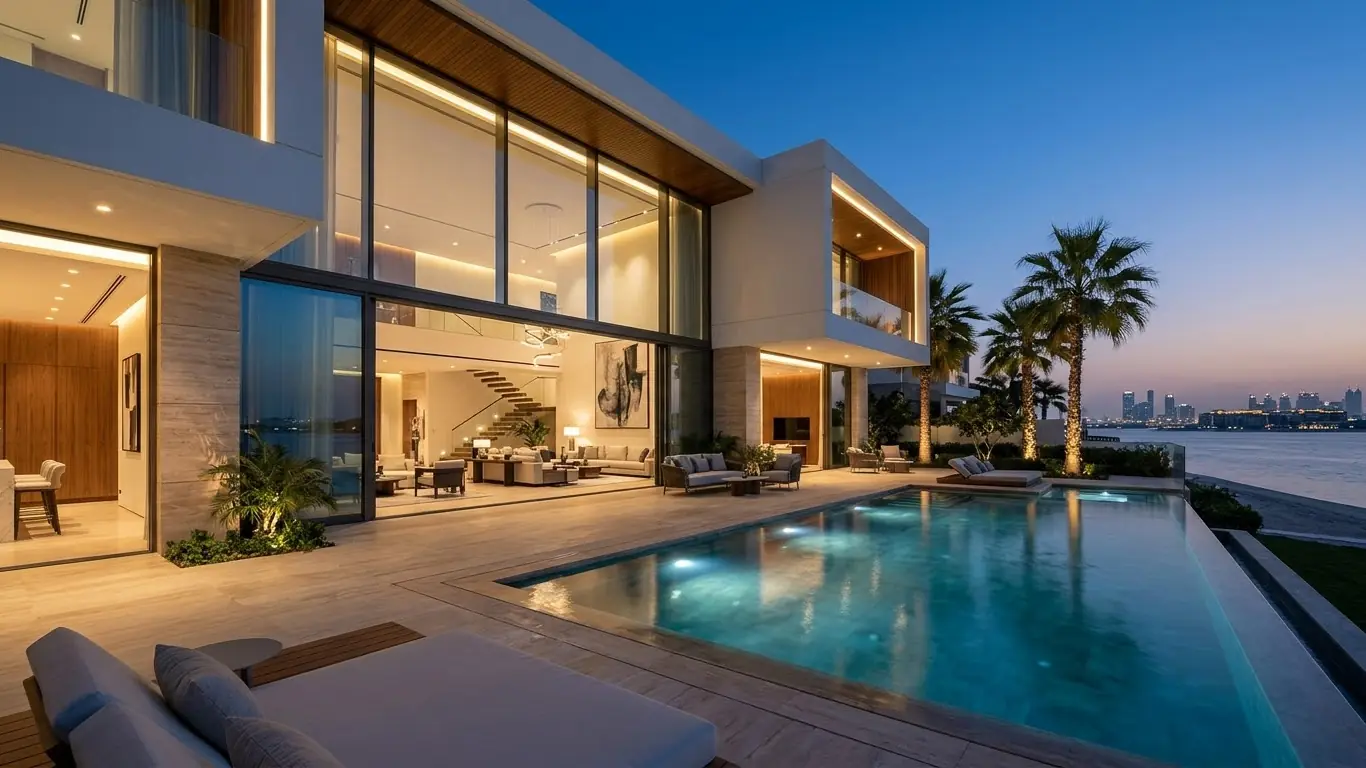

Dubai has become a global leader in the adoption of smart home technology, shaped by rapid urbanization, a tech-savvy population and government initiatives to improve quality of life. Developers now build smart technologies into new residential projects, turning traditional living spaces into connected environments that offer convenience, efficiency and security.
Smart homes in Dubai are about more than luxury: they point toward a more sustainable and efficient way of living. Through the Internet of Things (IoT), artificial intelligence and automation, residents control their homes from a smartphone or other devices. The appeal reaches beyond affluent buyers and is becoming a standard expectation among a broader demographic.
Key Takeaways
- Smart homes are on the rise in Dubai, and more new builds incorporate advanced technology.
- Smart devices in Dubai’s real estate market offer convenience and energy efficiency, and may support property value.
- Smart homes are redefining luxury with advanced automation, security and entertainment features.
- Sustainable, energy-efficient features support environmental conservation and cost savings.
- Smart technology strengthens home security through surveillance, access control and monitoring.
Benefits of Advanced Technology in New Builds
Advanced technology in new builds offers advantages beyond convenience, and energy efficiency is the most significant.
Smart thermostats learn a resident’s schedule and adjust heating and cooling, so energy is not wasted when the home is unoccupied. Technology also improves the living experience: lighting adjusts to natural light levels, and smart appliances can be controlled remotely.
These innovations simplify daily tasks and make the home more comfortable. As Dubai positions itself as a hub for innovation, demand for technologically advanced homes may continue to grow and drive further development of smart residential properties.
Smart Devices in Dubai’s Real Estate Market
Smart home devices have changed Dubai’s real estate market considerably. Developers see the value of building them into projects, since a growing segment of buyers prioritizes modern amenities. From smart lighting and climate control to advanced security, these devices are becoming standard in many new developments across the city.
Agents and developers use smart technology in their marketing as well. Highlighting these features attracts buyers who want luxury and practicality, and as more properties come equipped with smart devices, developers who embrace the trend early gain a competitive edge.
The shift contributes to a more connected and technologically advanced urban landscape, and it may support property values.
Smart Homes and the New Meaning of Luxury in Dubai
Luxury in Dubai now means more than opulence and grandeur: it encompasses convenience, efficiency and personalization. Smart homes let residents tailor their living environment to specific needs and preferences, an experience that goes beyond aesthetics.
Residents can program lighting to create different moods for various occasions, or set up automated systems that prepare the home for arrival after a long day. Technology also strengthens security in luxury residences: high-end properties often come with advanced surveillance systems, smart locks and alarm systems that can be monitored remotely.
This control gives residents peace of mind while they enjoy modern living. As Dubai continues to attract affluent buyers from around the world, demand for smart luxury homes is expected to rise and to shape the city’s real estate.
Sustainable and Energy-Efficient Features in Smart Homes
Sustainability has become a key consideration in the design and construction of smart homes in Dubai. Residents increasingly look for homes with sustainable practices and energy-efficient features, and smart technology helps homeowners monitor and manage their energy consumption.
Solar panels, for example, can be linked to smart systems that optimize energy usage based on real-time data. Many new developments in Dubai are also designed with sustainability in mind from the ground up, using eco-friendly materials, water-saving technologies and green spaces within residential communities.
By combining sustainability with smart technology, developers meet the demands of environmentally conscious buyers and contribute to Dubai’s broader goals of reducing its carbon footprint and promoting sustainable urban living.
Smart Technology and Home Security in Dubai
Security is a leading concern for residents in any city, and Dubai is no exception.
Smart locks, surveillance cameras and motion sensors let residents monitor their properties remotely and receive real-time alerts about suspicious activity.
This control allows homeowners to protect their investment and their families’ safety proactively. Many smart security systems can also be integrated with local law enforcement agencies or private security firms, adding a further layer of protection. In a city known for luxury properties and high-profile residents, such measures have become essential.
As homeowners recognize the importance of security, demand for smart technology that prioritizes safety is likely to keep growing.
The Future of Smart Homes in Dubai’s Development
Developers will probably explore new innovations that raise the functionality and appeal of residential properties. Artificial intelligence and machine learning could lead to more personalized living experiences, in which homes anticipate residents’ needs and preferences from their habits.
As Dubai positions itself as a global leader in technology and innovation, collaboration between tech companies and real estate developers is likely to increase and may produce advances in home automation and connectivity. As smart homes become more common, they enrich individual living and support the city’s reputation as a forward-thinking metropolis.
Challenges of Implementing Smart Technology in New Builds
Despite the benefits, developers must address challenges when implementing these systems in new builds. One concern is compatibility between devices and platforms: with numerous manufacturers, seamless integration can be complex and may require additional investment in infrastructure.
Data privacy and security are a second issue. Connected homes are more vulnerable to cyber threats, so developers must prioritize robust security measures that protect residents’ personal information and guard against hacking or unauthorized access.
Educating homeowners about best practices for maintaining their smart systems will also be essential to build trust in the technology. Developers need to balance technological advancement with practical concerns so that homes meet the needs and expectations of modern residents.
More from Dubai

Dubai Luxury Real Estate Guide: Prices, Taxes, Outlook
Dubai luxury real estate guide: prime addresses from Palm Jumeirah to Downtown, branded residences, tax, transaction costs, Golden Visa and the 2026 outlook.
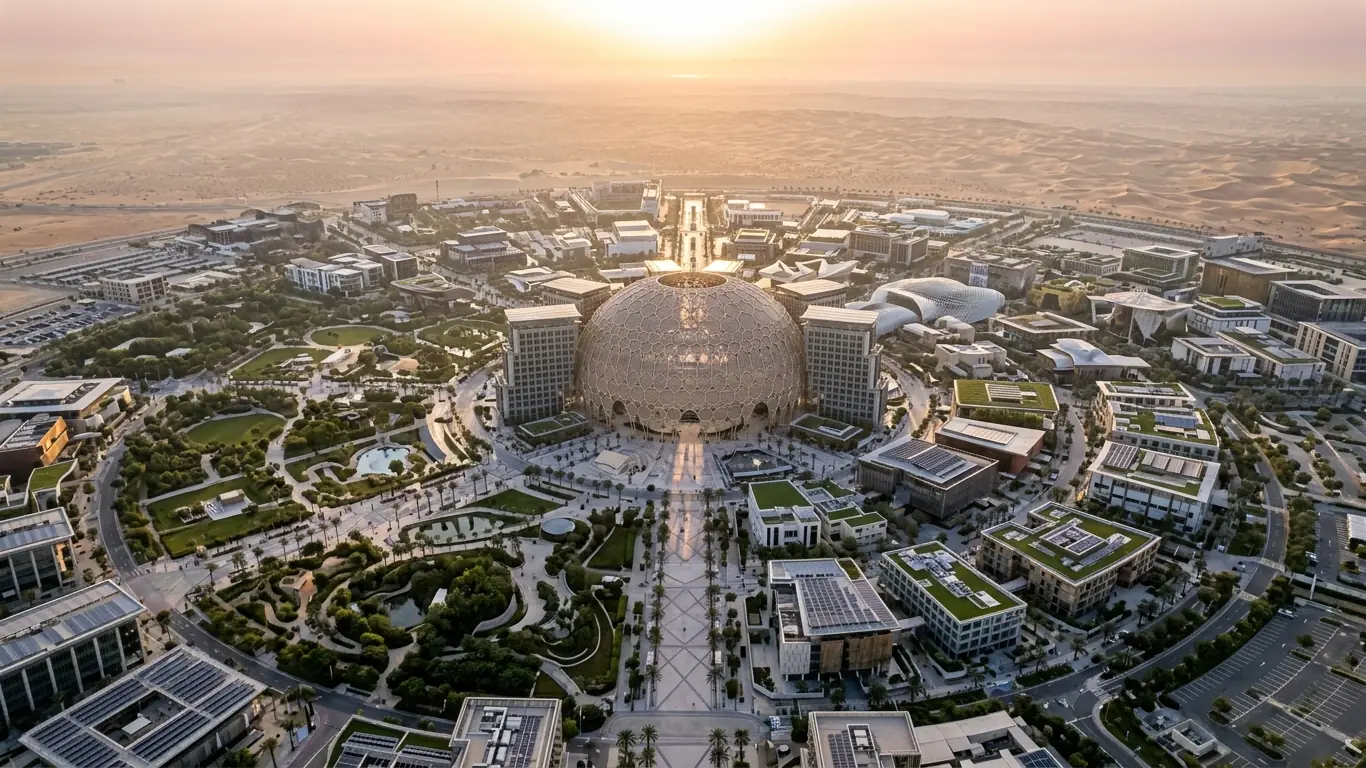
Expo City Proximity and the Dubai Real Estate Market
Expo City in Dubai and the property market around it: demand, price drivers, infrastructure, investment opportunities and risks such as oversupply.
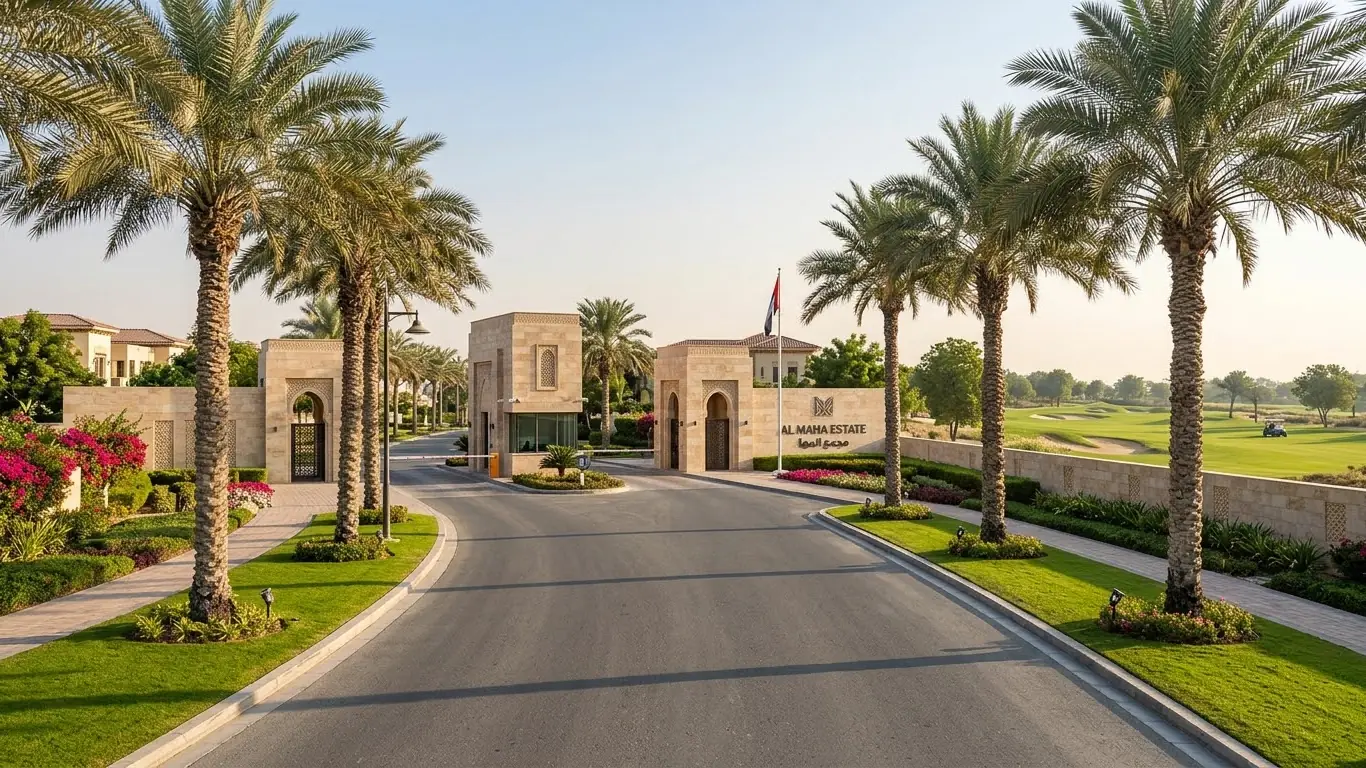
Exclusive Gated Communities in Dubai: Privacy and Security
Gated communities in Dubai: how privacy, security, amenities, technology and cost shape everyday life and property values in these exclusive enclaves.