Smart Living in Dubai: How Technology Shapes Lifestyle
Smart homes, mobility, health, sustainability and safety: how technology shapes everyday life in Dubai, from home automation to community and education.
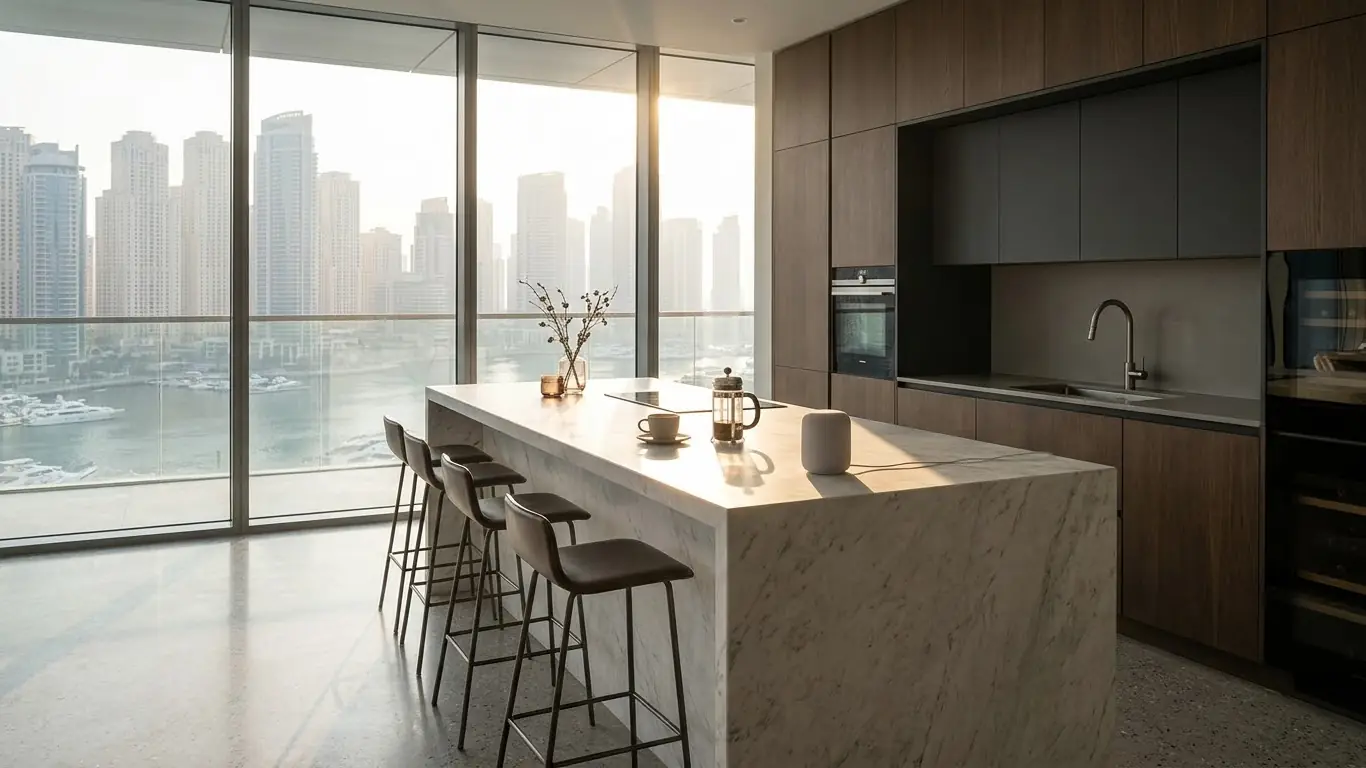

Dubai has become a global leader in smart home technology. Connected Internet of Things (IoT) devices make homes more efficient, secure and convenient, from thermostats that learn user preferences to lighting that adjusts to the time of day. This article places that technology within the wider lifestyle of the city: mobility, health, leisure, sustainability, education, safety and community.
Mobile applications let residents manage energy consumption and security systems, which adds comfort and can bring considerable energy savings, in line with Dubai’s vision for a sustainable future. The government has actively promoted smart home initiatives as part of its broader Smart Dubai strategy.
The strategy aims to turn the city into a leading global smart city by using technology to improve quality of life. Smart home technology also strengthens safety: remote surveillance cameras and smart locks let homeowners monitor their properties in real time, whether at home or away.
With demand growing, developers increasingly include these technologies in new residential projects as a standard feature rather than an optional upgrade.
Key Takeaways
- Smart home technology, from voice-activated assistants to thermostats and security systems, changes daily living.
- Mobility is changing through electric vehicles, ride-sharing services and autonomous vehicles.
- Health and wellness draw on wearable fitness trackers, telemedicine and personalized nutrition and fitness apps.
- Entertainment and leisure expand with virtual reality, streaming services and interactive gaming platforms.
- Energy-efficient appliances, solar panels and eco-friendly building materials make sustainable living more achievable.
Transportation and Mobility
Dubai’s transportation landscape reflects its commitment to innovation and efficiency. The public network includes the Dubai Metro, buses and water taxis, designed for seamless mobility for residents and visitors. The Dubai Metro, among the longest automated metro systems in the world, connects key areas of the city and runs with remarkable punctuality, which helps reduce traffic congestion and encourages public transport use. Dubai is also exploring futuristic mobility solutions: autonomous vehicles are on the horizon, with pilot programs already testing their feasibility in urban settings.
The city is also investing in electric vehicle infrastructure, with charging stations placed throughout the metropolis. Ride-sharing services offer flexible options that reduce reliance on personal vehicles. In transportation and mobility, Dubai sets a benchmark for cities that want to improve urban mobility while limiting environmental impact.
Health and Wellness
Health and wellness are a priority of Dubai’s urban agenda, with a focus on a healthy lifestyle among residents. Fitness facilities, parks and recreational areas encourage physical activity, from modern gyms to outdoor spaces equipped with exercise stations.
Community events such as marathons and wellness festivals foster a culture of health consciousness. The healthcare system is evolving quickly as well, with significant investments in medical technology and facilities, and the city is home to numerous hospitals and clinics offering advanced medical services and specialized care.
Telemedicine lets residents reach healthcare professionals remotely, which helps those with busy schedules or mobility challenges. Public health campaigns on nutrition and preventive care are increasingly common and reflect Dubai’s commitment to the health and wellness of its population.
Entertainment and Leisure
Dubai offers a wide range of entertainment and leisure options for diverse tastes. Luxurious shopping malls with high-end brands stand alongside traditional souks brimming with local crafts, a blend of modernity and tradition.
Beyond shopping and sightseeing, the city has a thriving nightlife of upscale lounges, nightclubs and live music venues. Its culinary scene is just as varied, with restaurants offering cuisines from around the world, and food festivals and culinary events let residents and visitors explore new flavors and techniques.
A day at one of the city’s beaches or an evening concert shows how dynamic Dubai’s entertainment landscape is, with always something new to discover.
Sustainable Living
Sustainability is a cornerstone of Dubai’s development strategy, as the city seeks to balance growth with environmental responsibility. Initiatives span energy-efficient buildings and waste management programs, and the Dubai Clean Energy Strategy 2050 sets ambitious goals for renewable energy and lower carbon emissions. A notable example is The Sustainable City, an eco-friendly community that combines green building practices, solar energy systems and water conservation measures to create a self-sufficient environment for residents. Public awareness campaigns also encourage sustainable habits such as recycling and reducing water consumption.
Education and Learning
Education is a pillar of Dubai’s vision for progress and innovation. The city’s educational institutions serve various curricula and learning styles and attract students from around the globe, from international schools offering British or American curricula to specialized institutions focusing on STEM education. Parents have numerous options for their children’s education.
Government investment in educational infrastructure and teacher training underlines the emphasis on quality. Dubai also promotes lifelong learning through adult education and professional development, with workshops, seminars and online courses readily available to those who want to build skills or explore new fields.
The culture of learning extends beyond formal education: community centers often host events that encourage knowledge sharing and collaboration among residents.
Safety and Security
Safety and security matter in any urban environment, and Dubai is widely regarded as one of the safest cities in the world. The government emphasizes public safety through advanced law enforcement strategies and community engagement, and police patrols in neighborhoods help residents feel secure.
Advanced surveillance technology is used throughout the city to deter crime and improve response times. Community involvement matters as well: various programs encourage residents to join neighborhood watch initiatives and report suspicious activities.
Regular safety awareness campaigns educate citizens about emergency preparedness and crime prevention. Together, these efforts are associated with low crime rates and strong community trust in law enforcement agencies.
Community and Social Connectivity
Dubai’s diverse population brings together many cultures and traditions that shape its community life. Cultural festivals, art exhibitions and sports tournaments let residents of different backgrounds come together, celebrate shared interests and embrace diversity.
Social media has also strengthened community connectivity. Online platforms let residents share experiences, organize events and discuss local issues, which complements traditional community engagement with an accessible space for dialogue and collaboration.
As Dubai grows as a cosmopolitan city, its commitment to social connectivity helps all residents feel included and valued within the community. That approach links the themes of this article, from smart home technology and mobility to health, sustainability, education and safety, and it supports the city’s standing in urban development.
More from Dubai

Dubai Luxury Real Estate Guide: Prices, Taxes, Outlook
Dubai luxury real estate guide: prime addresses from Palm Jumeirah to Downtown, branded residences, tax, transaction costs, Golden Visa and the 2026 outlook.
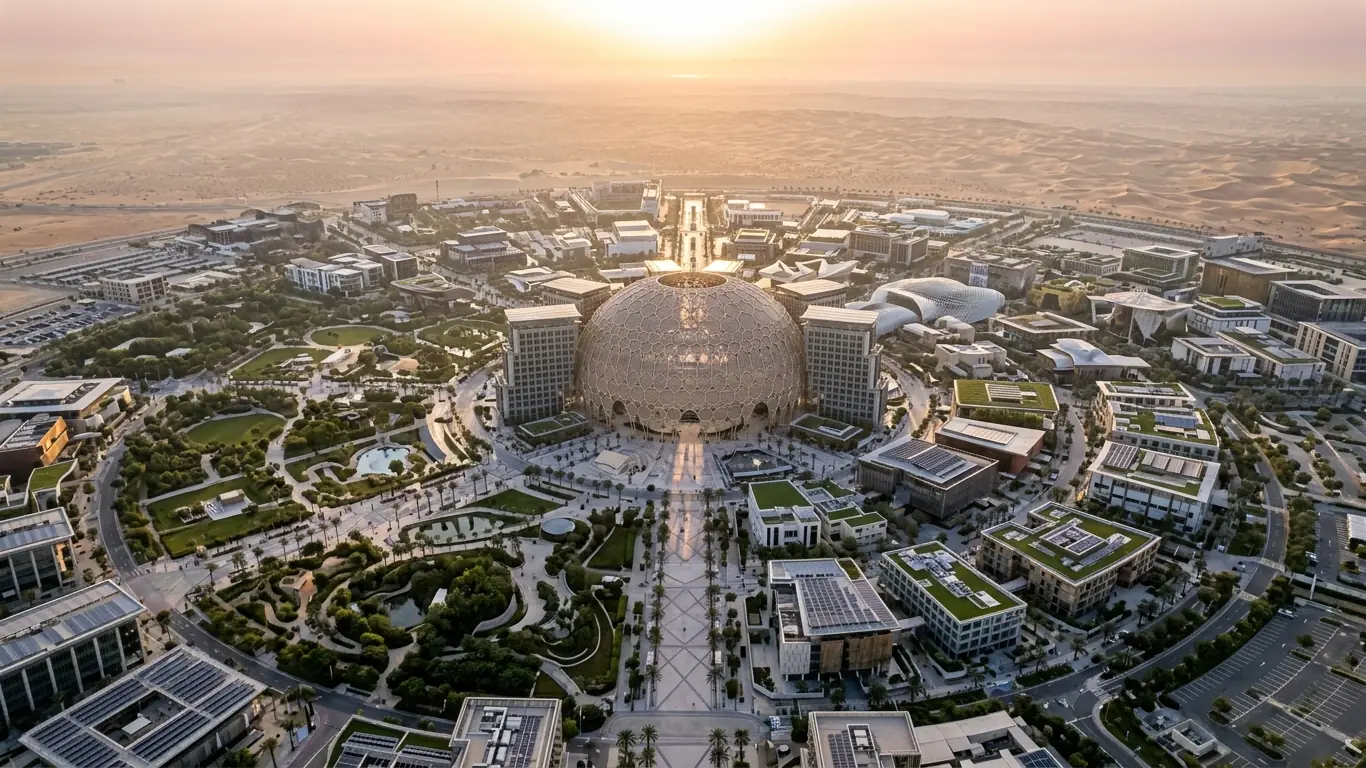
Expo City Proximity and the Dubai Real Estate Market
Expo City in Dubai and the property market around it: demand, price drivers, infrastructure, investment opportunities and risks such as oversupply.
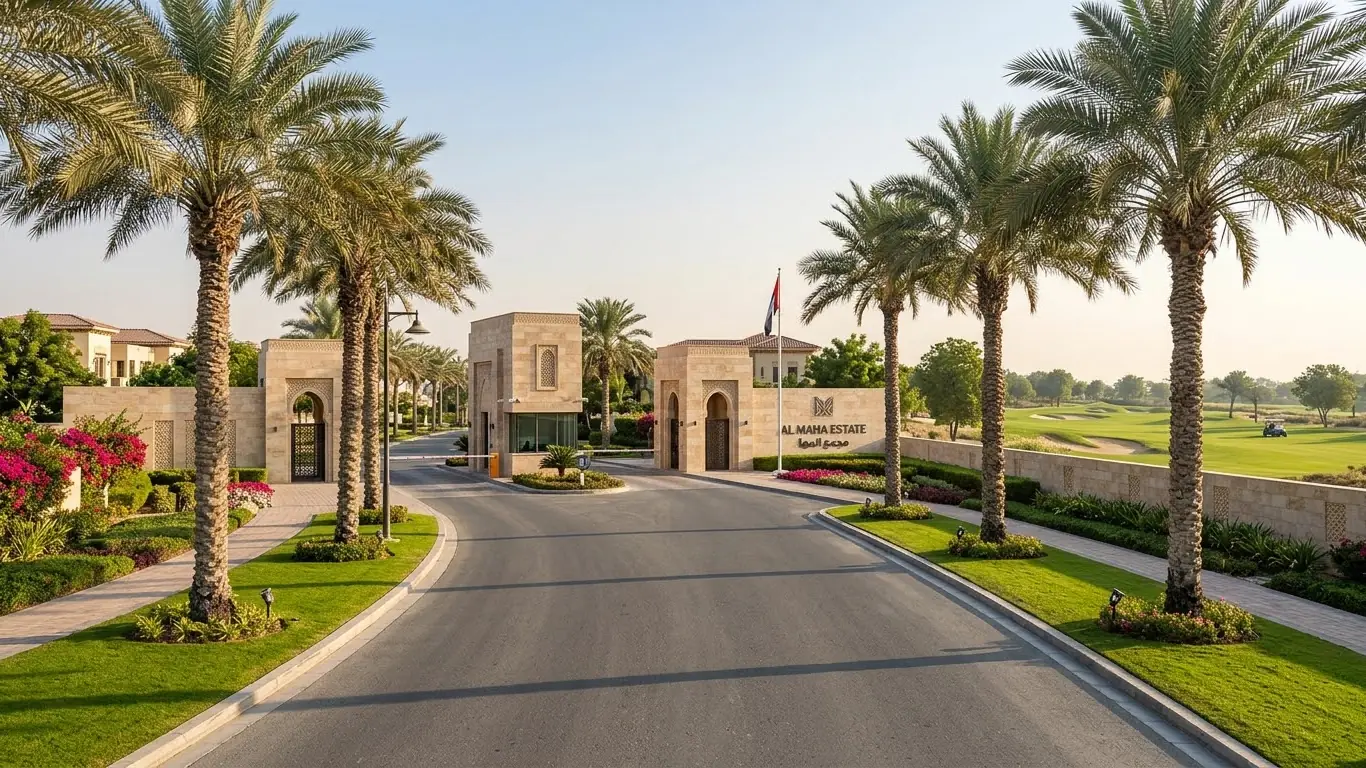
Exclusive Gated Communities in Dubai: Privacy and Security
Gated communities in Dubai: how privacy, security, amenities, technology and cost shape everyday life and property values in these exclusive enclaves.