Dubai · 25.20°N 55.27°E · File 940
Solar Energy and Sustainable Living in the Desert
Sustainable living in desert environments presents a unique set of challenges and opportunities. The arid landscapes, characterized by extreme temperatures and limited water resour…
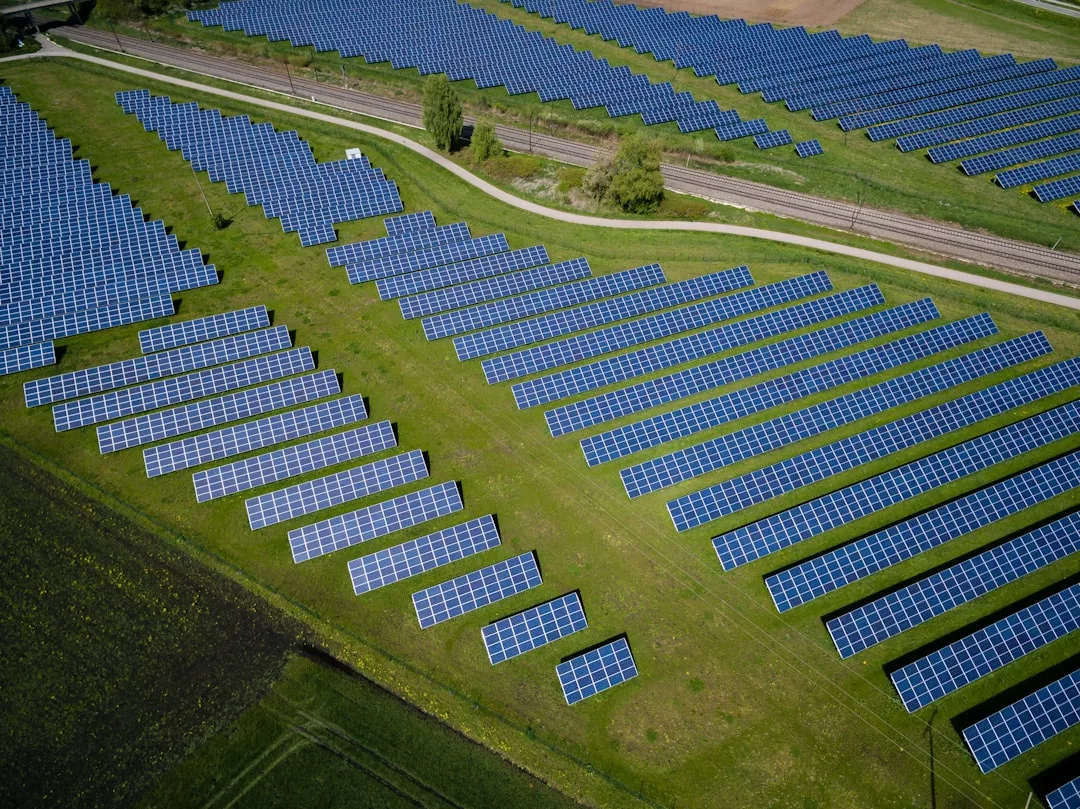
Sustainable living in desert environments presents a unique set of challenges and opportunities. The arid landscapes, characterized by extreme temperatures and limited water resources, require innovative approaches to ensure that human habitation and ecological balance can coexist. In regions like Dubai, where rapid urbanization meets the harsh realities of desert life, the need for sustainable practices has never been more pressing.
As cities expand and populations grow, the quest for sustainable living becomes a critical focus, particularly in areas where natural resources are scarce. Dubai, a city that has transformed from a small fishing village into a global metropolis, exemplifies the potential for sustainable living in desert climates. The emirate has made significant strides in integrating sustainability into its urban planning and development strategies.
This commitment is not merely a response to environmental concerns but also a recognition of the economic benefits that sustainable practices can bring. As the world grapples with climate change and resource depletion, Dubai stands at the forefront of exploring how solar energy and other sustainable technologies can be harnessed to create a livable future in the desert.
Key Takeaways
- Sustainable living in the desert requires innovative solutions to overcome challenges such as water scarcity and extreme temperatures.
- Harnessing solar energy in the desert is a viable and sustainable solution to meet the region’s energy needs.
- Solar energy in the desert offers advantages such as abundant sunlight, reduced carbon emissions, and lower operating costs.
- Challenges of implementing solar energy in the desert include dust accumulation on solar panels and the need for efficient water usage in cleaning and cooling systems.
- Innovative solutions for sustainable living in the desert include using solar-powered desalination plants and implementing water-saving technologies.
Harnessing Solar Energy in the Desert
One of the most promising avenues for sustainable living in desert regions is the harnessing of solar energy. The abundance of sunlight in these areas makes solar power an ideal solution for meeting energy demands while minimizing environmental impact. In Dubai, the government has recognized this potential and has invested heavily in solar energy infrastructure.
The Mohammed bin Rashid Al Maktoum Solar Park, one of the largest solar parks in the world, serves as a testament to this commitment. With a planned capacity of 5,000 megawatts by 2030, the park is set to play a pivotal role in reducing the emirate’s reliance on fossil fuels. Solar energy systems can be deployed in various forms, including photovoltaic panels and concentrated solar power systems.
These technologies convert sunlight into electricity, providing a clean and renewable source of energy. In addition to large-scale solar farms, there is also a growing trend towards integrating solar technology into residential and commercial buildings. Rooftop solar panels are becoming increasingly common, allowing individuals and businesses to generate their own electricity while contributing to the overall reduction of carbon emissions in the region.
Advantages of Solar Energy in the Desert
The advantages of solar energy in desert environments extend beyond mere energy production. One of the most significant benefits is the reduction of greenhouse gas emissions. By transitioning to solar power, Dubai can significantly decrease its carbon footprint, aligning with global efforts to combat climate change.
This shift not only helps protect the environment but also enhances public health by reducing air pollution associated with fossil fuel combustion. Moreover, solar energy offers economic advantages that are particularly relevant in desert regions. The cost of solar technology has plummeted over the past decade, making it an increasingly viable option for both large-scale projects and individual consumers.
In Dubai, government incentives and subsidies further encourage investment in solar energy, creating jobs and stimulating local economies. The development of a robust solar industry can lead to increased energy independence, reducing reliance on imported fossil fuels and enhancing national security.
Challenges of Implementing Solar Energy in the Desert
Despite its many advantages, implementing solar energy solutions in desert environments is not without challenges. One of the primary obstacles is the initial capital investment required for solar infrastructure. While costs have decreased significantly, establishing large-scale solar farms or retrofitting buildings with solar panels still requires substantial financial resources.
For some communities or businesses, securing funding can be a barrier to entry. Additionally, the harsh desert climate poses unique challenges for solar technology. High temperatures can affect the efficiency of photovoltaic cells, leading to reduced energy output during peak heat periods.
Dust accumulation on solar panels can also hinder performance, necessitating regular maintenance and cleaning.
Innovative Solutions for Sustainable Living in the Desert
To overcome these challenges, innovative solutions are being explored to enhance sustainable living in desert regions. One such solution is the integration of smart technology with solar energy systems. Smart grids can optimize energy distribution and consumption, ensuring that electricity generated from solar sources is used efficiently.
By leveraging data analytics and real-time monitoring, these systems can help manage energy loads and reduce waste. Another innovative approach involves water conservation techniques that complement solar energy initiatives. In arid environments like Dubai, water scarcity is a pressing concern.
Implementing rainwater harvesting systems and greywater recycling can help mitigate water shortages while supporting sustainable living practices. Coupling these water management strategies with solar-powered desalination plants could provide a comprehensive solution to both energy and water needs in desert communities.
Community Initiatives for Solar Energy in the Desert
Community initiatives play a crucial role in promoting solar energy adoption in desert regions. In Dubai, various grassroots organizations and local governments are working together to raise awareness about the benefits of solar power and encourage its use among residents. Educational programs aimed at schools and community centers help inform citizens about renewable energy options and their importance for sustainable living.
Moreover, community-based solar projects are gaining traction as a means to democratize access to renewable energy. These initiatives allow groups of residents to collectively invest in solar installations, sharing both the costs and benefits of clean energy production. By fostering collaboration among community members, these projects not only enhance energy access but also strengthen social ties and promote a sense of shared responsibility for environmental stewardship.
Economic and Environmental Benefits of Solar Energy in the Desert
The economic and environmental benefits of solar energy in desert regions are profound and multifaceted. From an economic perspective, investing in solar infrastructure creates jobs across various sectors, including manufacturing, installation, maintenance, and research and development. As Dubai continues to expand its renewable energy portfolio, it positions itself as a leader in green technology innovation, attracting investment and talent from around the world.
Environmentally, the transition to solar energy contributes significantly to reducing greenhouse gas emissions and mitigating climate change impacts. By decreasing reliance on fossil fuels, Dubai can protect its delicate desert ecosystems while promoting biodiversity conservation efforts. Furthermore, as more individuals and businesses adopt solar technology, there is potential for widespread behavioral change towards sustainability, fostering a culture of environmental responsibility within society.
The Future of Solar Energy and Sustainable Living in the Desert
As we look towards the future, the potential for solar energy to transform sustainable living in desert environments is immense. The integration of innovative solutions, community initiatives, and supportive policies will be essential in overcoming existing barriers and maximizing the benefits of solar power.
Ultimately, the journey towards sustainable living in the desert is not just about adopting new technologies; it is about fostering a mindset that values environmental stewardship and resilience. As more individuals recognize their role in this transition, we can envision a future where deserts are not merely seen as inhospitable landscapes but as thriving ecosystems powered by clean energy solutions. The path forward is bright, illuminated by the sun’s rays, and holds promise for generations to come.
Same market
More from Dubai

Dubai · 14 min
Dubai Luxury Real Estate Guide
Dubai luxury real estate guide: 2025 prices for Palm Jumeirah, Emirates Hills and Downtown villas, zero-tax benefits, Golden Visa and the 2026 market …

Dubai · 6 min
The Impact of Expo City Proximity on Real Estate Market
Expo City, a vibrant hub of innovation and culture, has emerged as a focal point for global attention since the World Expo 2020 was held there. Locate…

Dubai · 6 min
Exclusive Gated Communities in Dubai: Privacy and Security
In recent years, Dubai has witnessed a remarkable transformation in its real estate landscape, particularly with the emergence of exclusive gated comm…