Sustainable Real Estate in Dubai: Luxury and Green Living
Sustainable real estate in Dubai: how luxury and environmental care combine, which green building rules apply, the role of technology and the market outlook.
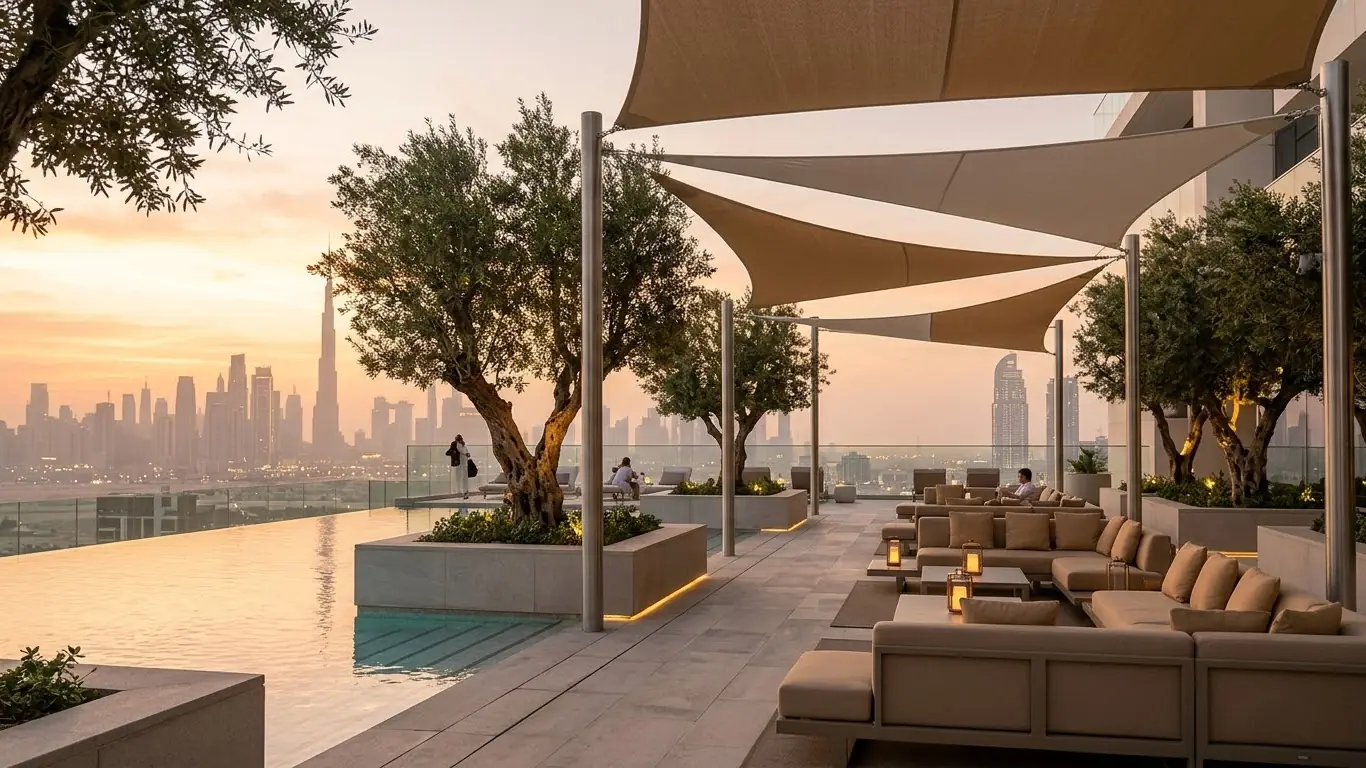

Dubai is known for opulence and architectural marvels, and it now treats sustainability as a core principle of its real estate sector. The shift is a response to climate change, resource depletion and urbanization, and it reflects a growing awareness of environmental issues and the need for responsible urban planning.
As population grows and demand for housing and commercial space rises, sustainable construction becomes more critical. Government initiatives drive the change as well: the Dubai Urban Master Plan 2040 names sustainability a key pillar of urban development and aims at a city that is livable and environmentally responsible.
The vision has produced regulations and incentives for developers to adopt green building practices. Many new projects now place energy efficiency, water conservation and sustainable materials at their core, which marks a significant shift in the construction landscape of the emirate.
Key Takeaways
- Sustainable real estate is on the rise in Dubai, in line with a global trend toward environmentally conscious development.
- Luxury and environmental consciousness can coexist: developers find innovative ways to balance opulence and sustainability.
- Dubai promotes sustainable development through green building initiatives, including LEED certification and energy-efficient design standards.
- Technology enables smart building management systems and energy-efficient solutions.
- Sustainable development in Dubai helps reduce carbon emissions and promotes eco-friendly practices.
Luxury and Environmental Consciousness: Finding the Balance
The reputation of Dubai as a luxury destination makes environmental consciousness a particular challenge for real estate development. The city is synonymous with extravagance and features some of the most opulent hotels, shopping malls and residential complexes in the world. Yet demand for luxury properties need not come at the expense of sustainability.
Developers increasingly see that luxury and environmental responsibility can coexist and create spaces that are lavish and eco-friendly. High-end developments now incorporate sustainable features that appeal to environmentally conscious consumers: luxury villas and apartments come with solar panels, energy-efficient appliances and smart home technologies that optimize energy use.
Many projects are also designed to maximize natural light and ventilation, which reduces reliance on artificial lighting and air conditioning. The approach improves the living experience and matches the values of a new generation of affluent buyers who prioritize sustainability alongside luxury.
Green Building Initiatives in Dubai
Dubai has launched several green building initiatives to promote sustainable construction across the emirate. One of the most significant is the Dubai Green Building Regulations and Specifications, which sets out guidelines for energy efficiency, water conservation and sustainable materials in new developments. The regulations encourage developers to adopt best practices in design and construction, so that buildings are aesthetically pleasing and environmentally responsible.
Besides regulatory frameworks, Dubai has established certification programs that recognize and incentivize green building efforts.
Initiatives like the Dubai Sustainable City project serve as a model for future developments and show how integrated communities can thrive while minimizing their ecological footprint.
These efforts reflect Dubai’s commitment to becoming a global hub for sustainable living.
The Role of Technology in Sustainable Real Estate
Technology plays a pivotal role in sustainable real estate in Dubai. Smart technologies in building design and management have changed how properties are constructed and operated. Smart meters, energy management systems and IoT devices enable real-time monitoring of energy consumption and resource use, so property owners can make informed decisions about their environmental impact.
Advances in construction technology also make building processes more efficient and reduce waste and energy consumption. Prefabrication and modular construction minimize material waste and shorten project timelines, which supports more sustainable outcomes. Technology will continue to shape the future of sustainable real estate in Dubai and enables developers to create innovative solutions to environmental challenges.
The Impact of Sustainable Real Estate on the Environment
The impact of sustainable real estate on the environment is substantial. Eco-friendly practices in construction and operation can significantly reduce carbon emissions, conserve water resources and minimize waste. Sustainable buildings are designed to be energy-efficient and often rely on renewable sources such as solar power to meet their energy needs.
This lowers operational costs for property owners and contributes to a reduction in greenhouse gas emissions. Sustainable development also promotes biodiversity by bringing green spaces and natural habitats into urban environments. Parks, gardens and green roofs enhance the aesthetic appeal of developments and provide essential ecosystems for local flora and fauna.
The Future of Sustainable Real Estate in Dubai
The outlook for sustainable real estate in Dubai is promising as public and private sectors continue to prioritize eco-friendly practices. Ongoing investments in green infrastructure and renewable energy projects reflect the ambitious sustainability goals of the city. As awareness of climate change grows globally, Dubai is well positioned to lead by example in sustainable urban development.
Emerging trends such as biophilic design, an approach that connects people with nature, are likely to gain traction in future developments. This design philosophy emphasizes natural elements within built environments, promotes well-being and enhances the living experience. Further technological advances are likely to streamline sustainable practices and make it easier for developers to implement eco-friendly solutions.
The Benefits of Investing in Sustainable Real Estate
Investing in sustainable real estate offers benefits that extend beyond environmental considerations. Properties that adhere to green building standards often command higher market values and attract premium rental rates thanks to their energy efficiency and lower operating costs. As consumers become more environmentally conscious, demand for sustainable properties is expected to rise, though no return is assured.
Sustainable real estate investments can also strengthen the reputation of developers and companies in the sector. By demonstrating a commitment to sustainability, businesses can set themselves apart in a competitive market and appeal to socially responsible investors. Government incentives such as tax breaks or grants for green building initiatives further improve the financial viability of such investments.
Challenges and Opportunities of Sustainable Real Estate in Dubai
The rise of sustainable real estate brings opportunities, but also challenges. A significant hurdle is the initial cost of green building practices. Long-term savings can offset these costs, yet many developers hesitate to invest upfront without assured returns.
Regulatory requirements can also be complex to navigate, particularly for those unfamiliar with sustainability standards. Despite these challenges, the sector offers ample opportunities for growth: as public awareness of environmental issues rises, demand for eco-friendly properties among consumers increases.
Developers who embrace sustainability can position themselves as leaders in this emerging market segment while contributing positively to the environment. Collaboration between government entities, private developers and community stakeholders can foster innovation and drive progress toward a more sustainable real estate landscape in Dubai.
More from Dubai

Dubai Luxury Real Estate Guide: Prices, Taxes, Outlook
Dubai luxury real estate guide: prime addresses from Palm Jumeirah to Downtown, branded residences, tax, transaction costs, Golden Visa and the 2026 outlook.
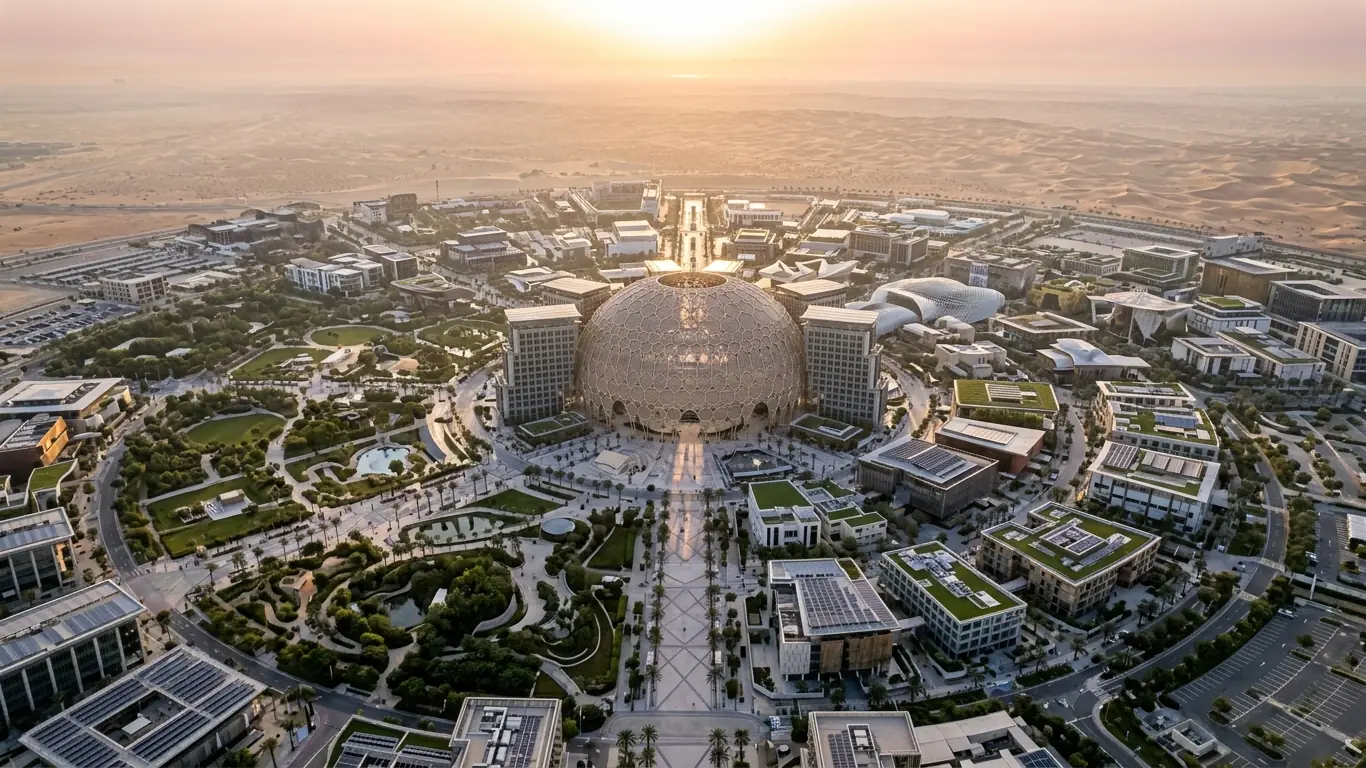
Expo City Proximity and the Dubai Real Estate Market
Expo City in Dubai and the property market around it: demand, price drivers, infrastructure, investment opportunities and risks such as oversupply.
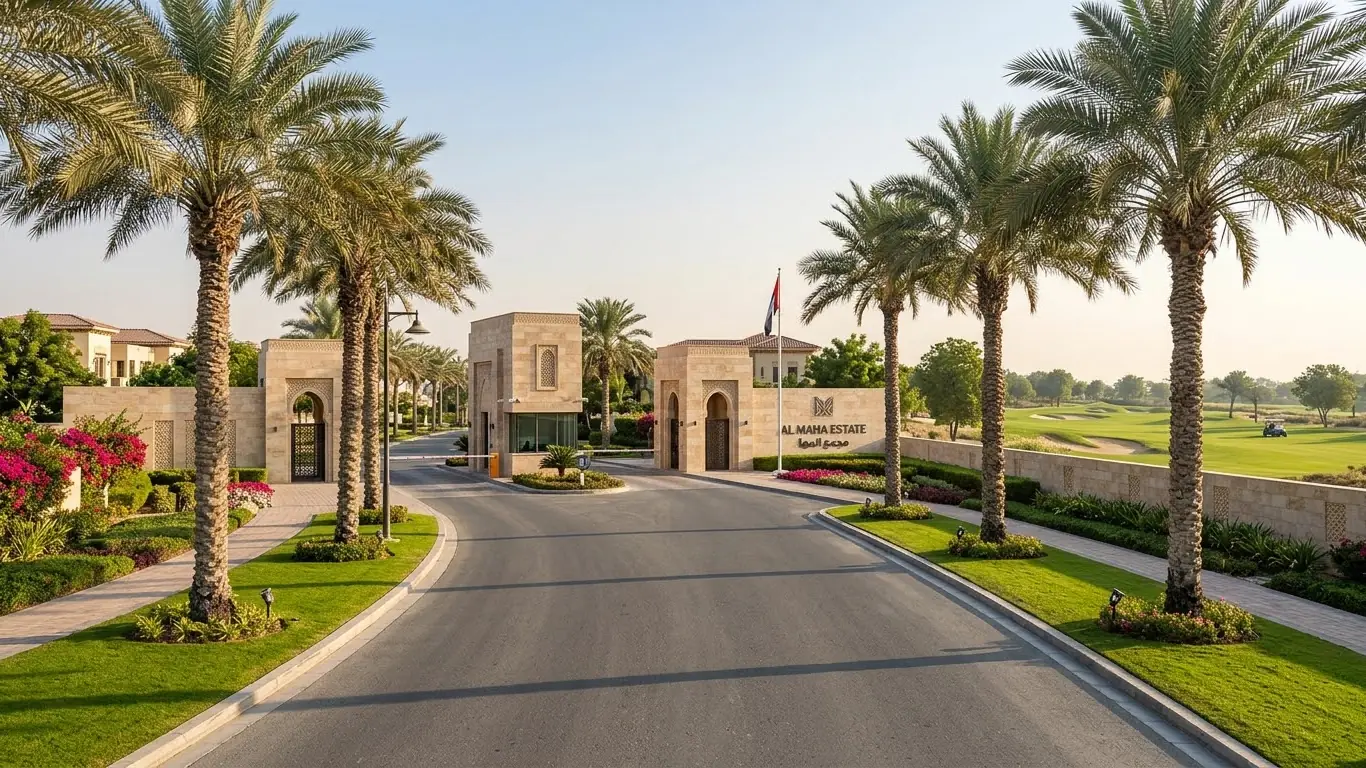
Exclusive Gated Communities in Dubai: Privacy and Security
Gated communities in Dubai: how privacy, security, amenities, technology and cost shape everyday life and property values in these exclusive enclaves.