Sustainable Real Estate in Monaco: Green Luxury
Sustainable real estate in Monaco: environmental impact, biophilic design, BD2M and international certifications, solar energy, landscaping and costs.
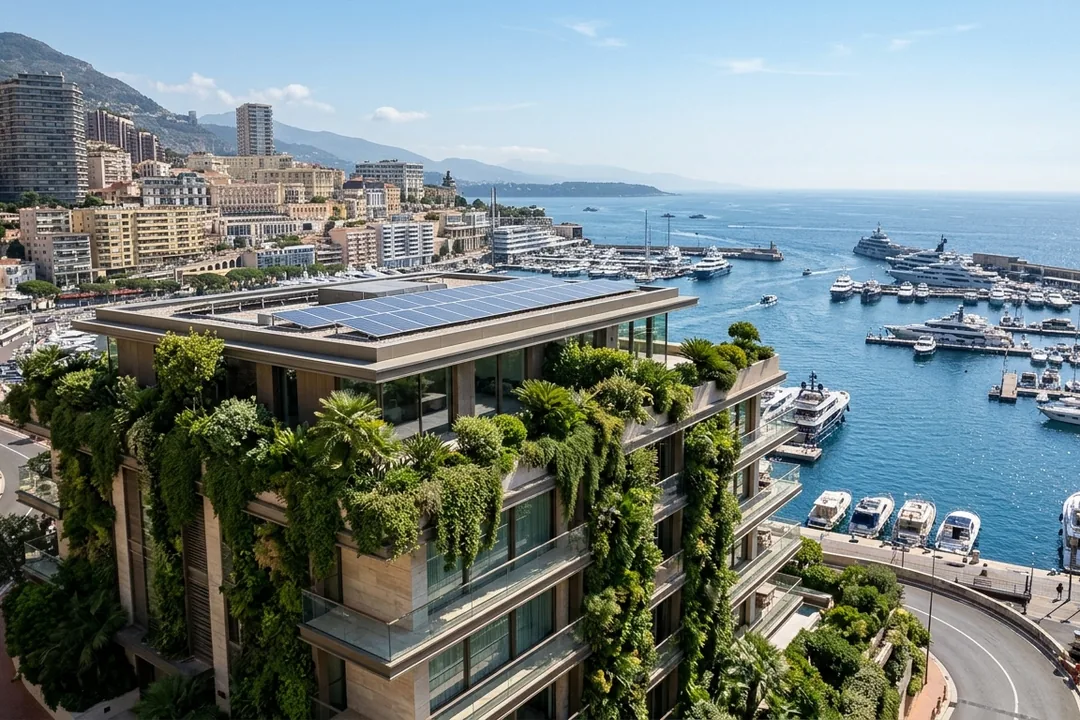

Monaco, a small city-state on the French Riviera, is known for its luxurious lifestyle, striking architecture and vibrant culture. Climate change and environmental degradation now press on its real estate sector too, and sustainable practices are changing how the principality approaches development. The aim is to balance luxury with environmental responsibility.
That shift matters most where land is scarce and demand for high-end properties keeps rising. Sustainable real estate covers practices that minimize environmental impact while maximizing social and economic benefits. In Monaco this means energy-efficient technologies, sustainable materials and design principles that prioritize ecological balance.
As the principality seeks to remain a premier destination for affluent individuals and businesses, sustainability is becoming more vital. This article explores the environmental impact of building, architectural innovations and future potential.
Key Takeaways on Sustainable Real Estate in Monaco
- Sustainable real estate is gaining traction as the principality aims to reduce its environmental impact and promote green development.
- Development carries a significant environmental impact, which calls for sustainable design and architecture.
- Green building certifications and standards help ensure that developments meet sustainability criteria.
- Renewable energy in luxury properties increasingly helps reduce carbon footprint and energy consumption.
- Sustainable landscaping and outdoor spaces add to the environmental and aesthetic quality of properties.
The Environmental Impact of Real Estate Development in Monaco
Monaco’s unique geography and limited land have historically made real estate development environmentally challenging. Mountainous terrain and a coastal location mean that construction or expansion can disrupt local ecosystems and contribute to soil erosion, habitat loss and pollution. As the market develops, strategies that mitigate these effects are essential.
Traditional methods often rely on energy-intensive processes and materials that add to greenhouse gas emissions.
Developers increasingly adopt techniques that reduce waste, use renewable resources and minimize energy consumption during construction and throughout the building’s operational life. Monaco thereby aims to protect its natural environment while meeting the demands of its real estate market.
Sustainable Design and Architecture in Monaco
Sustainable design and architecture are central to Monaco’s efforts to create environmentally responsible real estate. Architects and developers embrace design principles that prioritize energy efficiency, resource conservation and aesthetic appeal. The approach improves livability and fits the principality’s commitment to sustainability.
One notable trend is biophilic design, which stresses the connection between people and nature and promotes well-being through natural light, greenery and outdoor spaces. Many new developments have expansive windows that maximize natural light and frame views of the Mediterranean Sea.
Green roofs and vertical gardens are becoming common features, letting buildings blend with their surroundings while improving air quality and reducing urban heat. Sustainable architecture also often uses locally sourced materials that cut transportation emissions and support the local economy. Durable, environmentally friendly materials produce structures that last while reducing their ecological footprint. This commitment to sustainable design improves aesthetic appeal and contributes to a more resilient urban environment.
Green Building Certifications and Standards in Monaco
Monaco has adopted green building certifications and standards that guide developers and serve as benchmarks for sustainability performance, ensuring that new constructions meet specific environmental criteria. One prominent certification is the BD2M label (Bâtiments Durables Méditerranéens de Monaco), which recognizes buildings with exceptional energy efficiency, water conservation and overall sustainability.
The BD2M label encourages best practices in energy management, waste reduction and resource efficiency. Certified properties often have advanced technologies such as smart meters, energy-efficient HVAC systems and water-saving fixtures. Developers who meet the standards improve the marketability of their properties and support Monaco’s broader sustainability goals.
Many developers also pursue international standards such as LEED (Leadership in Energy and Environmental Design) or BREEAM (Building Research Establishment Environmental Assessment Method). These globally recognized certifications add credibility and signal a commitment to sustainability that resonates with environmentally conscious buyers. As more properties achieve them, the principality strengthens its reputation in sustainable real estate development.
The Integration of Renewable Energy in Monaco’s Luxury Properties
Monaco increasingly integrates renewable energy into its luxury properties. The sunny Mediterranean climate suits solar energy, a focal point for many new developments. Solar panels on rooftops and facades let buildings generate clean energy and reduce reliance on fossil fuels.
Other renewable technologies are being explored too. Some developments incorporate geothermal heating systems that use the earth’s natural temperature for efficient heating and cooling, which lowers energy consumption and utility costs for residents.
Advances in battery storage let properties keep excess energy generated at peak sunlight hours for periods of high demand. Renewable energy strengthens the sustainability of luxury properties and fits Monaco’s broader goals of reducing greenhouse gas emissions and promoting energy independence. Developers who embrace these technologies contribute to a cleaner environment and offer residents modern amenities.
Sustainable Landscaping and Outdoor Spaces in Monaco
Sustainable landscaping improves the overall environmental performance of developments. Given the coastal views and mild climate, residents and visitors value outdoor spaces highly. Traditional landscaping, however, can lead to excessive water consumption and reliance on chemical fertilizers and pesticides.
Many developers therefore favor native plant species and drought-resistant vegetation. Plants suited to the local climate make beautiful outdoor spaces that need minimal irrigation and support local biodiversity. These landscapes often include rain gardens and permeable paving that help manage stormwater runoff and reduce flooding risks.
Sustainable landscaping also often includes community gardens and green spaces that encourage social interaction among residents. These areas add to the aesthetic appeal of properties and offer room for relaxation and recreation. Thoughtfully designed outdoor spaces help create neighborhoods that value both environmental sustainability and quality of life.
Sustainable Real Estate and Monaco’s Future
Sustainable real estate is likely to shape Monaco’s development more strongly in future, in line with global trends toward environmentally responsible urban planning and construction. By prioritizing it, Monaco can position itself as a leader in luxury living while addressing environmental challenges. Sustainable practices benefit the environment and may also strengthen economic resilience. As consumers grow more environmentally conscious, properties that prioritize sustainability may draw higher demand, though lasting value is never assured. That matters in a competitive market where discerning buyers seek properties that reflect their values and lifestyle choices.
Sustainable development can also support goals of reducing carbon emissions and promoting a circular economy. Innovative technologies and resource efficiency can create an urban environment that benefits current residents and future generations.
Investing in Sustainable Real Estate in Monaco
Sustainable real estate in Monaco offers benefits for investors and the environment. As awareness of climate change grows, properties that prioritize sustainability may see increased demand from buyers who value eco-friendly living, which could support property values and rental yields, though neither is certain.
Investing in sustainable real estate also aligns with societal goals of environmental stewardship and social responsibility. Investors who support such projects contribute to positive change in the community while shaping their own portfolios, which appeals to socially conscious investors.
Investors should also weigh certain challenges. The initial costs of green technologies and certifications can exceed those of traditional construction, and navigating local regulations and approvals may require additional time and resources.
More from Monaco
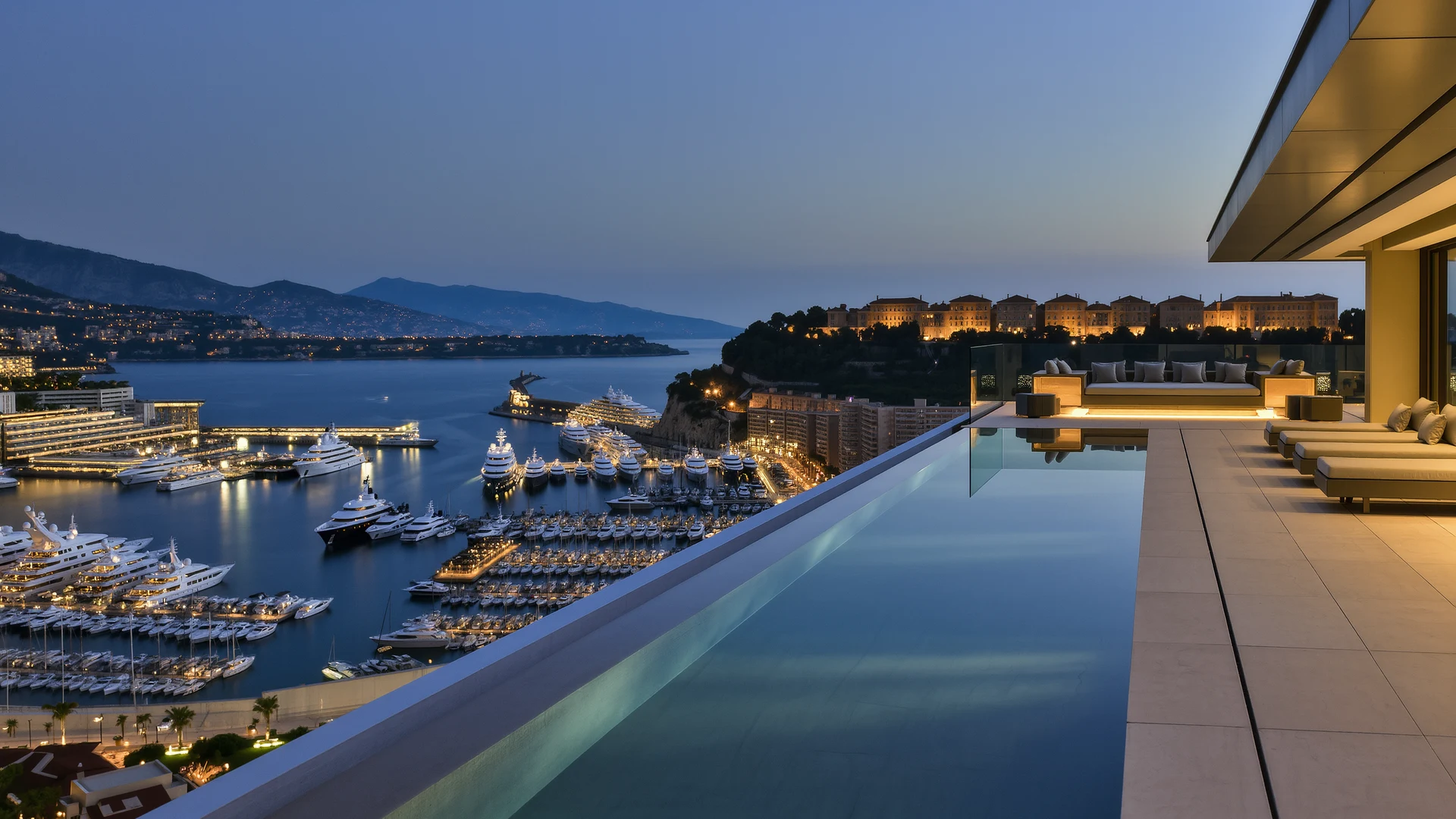
Monaco Property Investment: Prices, Costs, Residency
Monaco property investment: prime prices above €100,000 per square meter, tax treatment, residency rules, transaction costs of 9 to 11 percent and yields.
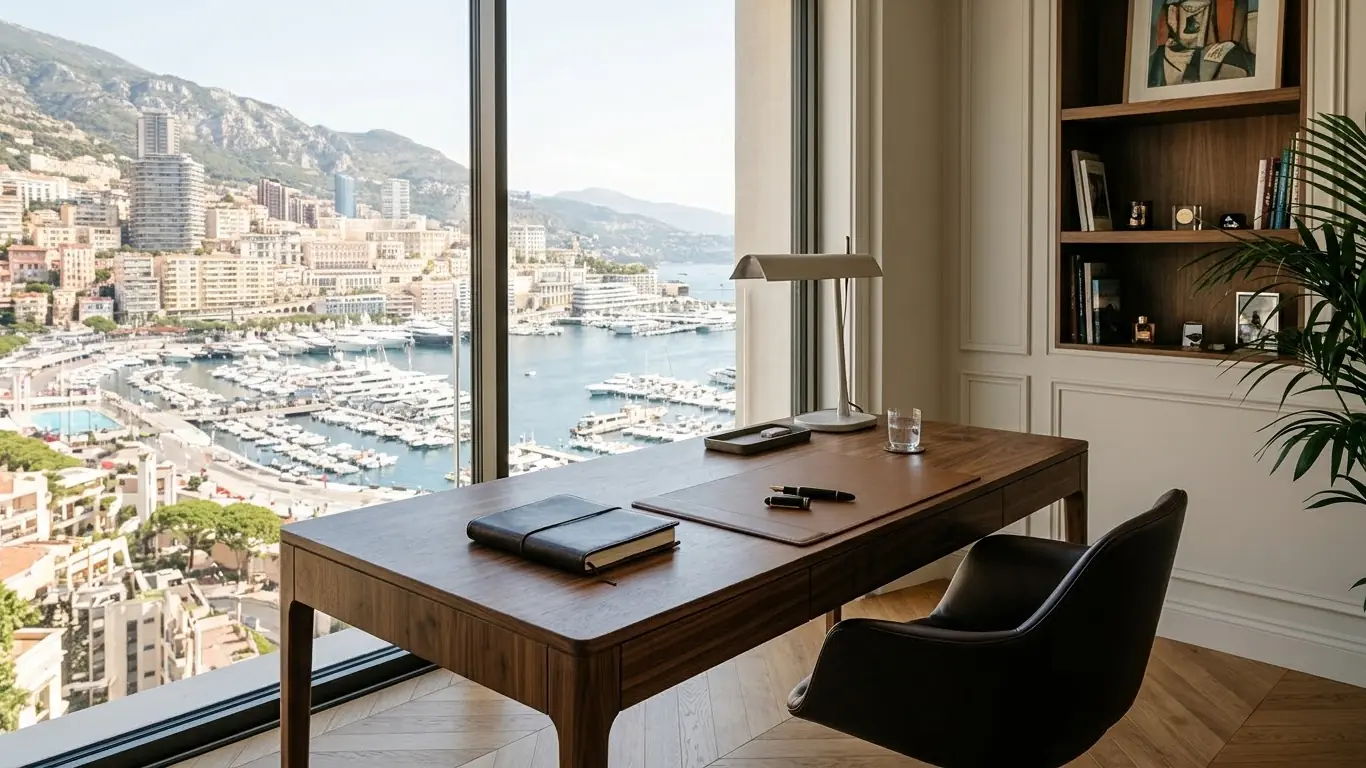
Monaco Luxury Property Market: The Effect of Home Offices
Monaco luxury property market: how home offices, wellness features, smart technology and new buyer profiles shape demand, prices, design and agency work.
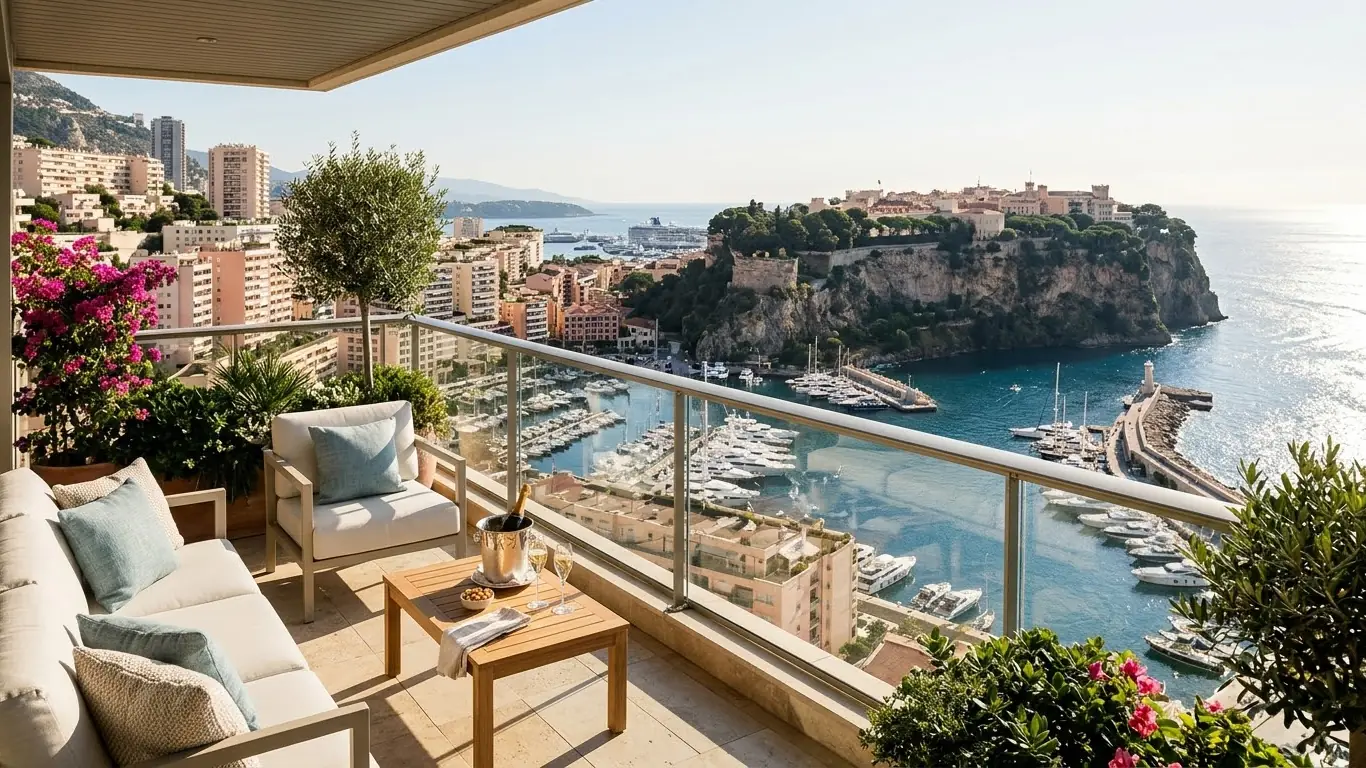
Attracting International Buyers for Your Property
Reaching international property buyers takes market knowledge, online visibility, local expertise, presentation, flexible payment and multilingual support.