Dubai · 25.20°N 55.27°E · File 838
Sustainable Real Estate: A Secure Investment for the Future
In recent years, the real estate sector has witnessed a significant transformation, with sustainability emerging as a pivotal theme. The rise of sustainable real estate is not mere…
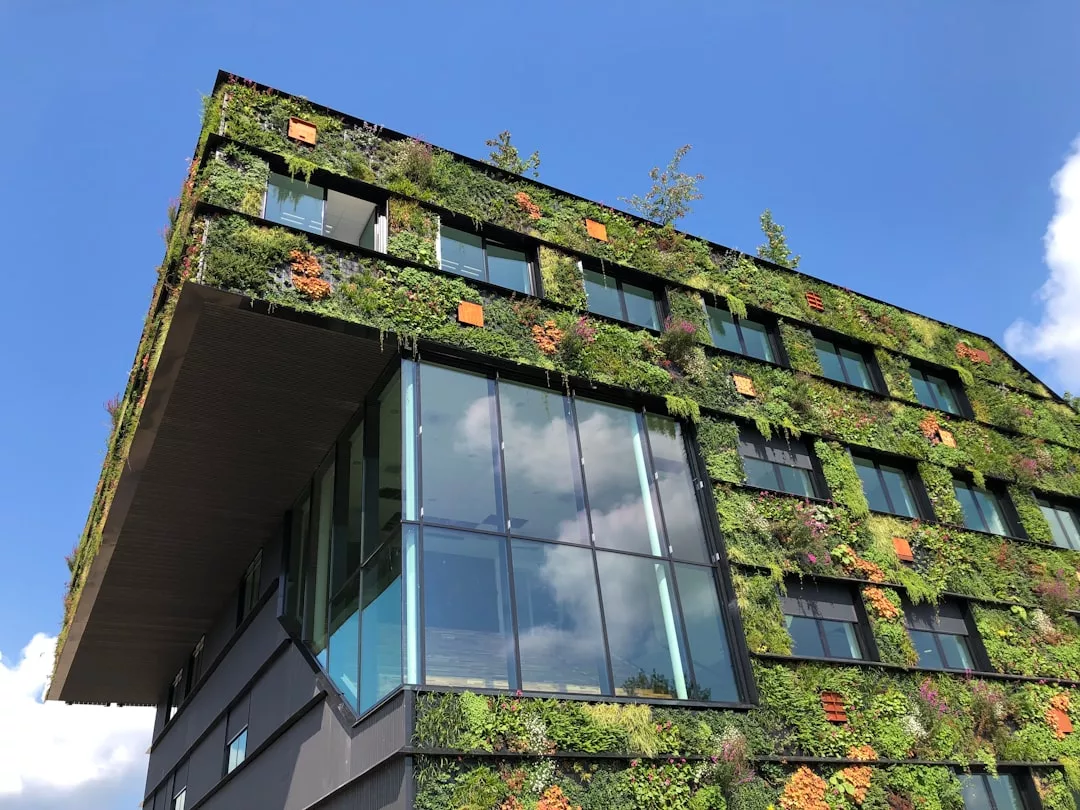
In recent years, the real estate sector has witnessed a significant transformation, with sustainability emerging as a pivotal theme. The rise of sustainable real estate is not merely a trend; it reflects a profound shift in how developers, investors, and consumers perceive the built environment. As awareness of climate change and environmental degradation grows, stakeholders are increasingly prioritizing eco-friendly practices in construction and property management.
This shift is driven by a combination of regulatory pressures, consumer demand for greener living spaces, and the recognition that sustainable practices can lead to long-term financial benefits. The concept of sustainable real estate encompasses a wide range of practices, from energy-efficient building designs to the use of renewable materials and technologies. Developers are now integrating features such as solar panels, green roofs, and advanced insulation systems into their projects.
Moreover, urban planning is evolving to promote walkability, public transportation, and green spaces, creating environments that not only reduce carbon footprints but also enhance the quality of life for residents. This holistic approach to real estate development signifies a commitment to creating spaces that are not only economically viable but also environmentally responsible.
Key Takeaways
- Sustainable real estate is on the rise as more investors and developers prioritize environmentally friendly and energy-efficient properties.
- Investing in sustainable real estate can lead to long-term financial benefits, including reduced operating costs and increased property value.
- Green building certifications, such as LEED and BREEAM, play a crucial role in promoting sustainable real estate and providing credibility to environmentally friendly properties.
- Sustainable real estate can help mitigate climate change by reducing carbon emissions, conserving resources, and promoting renewable energy usage.
- Studies have shown that sustainable real estate investments can deliver strong financial performance and resilience, making them attractive to investors.
The Benefits of Investing in Sustainable Real Estate
Investing in sustainable real estate offers a multitude of benefits that extend beyond mere financial returns. One of the most compelling advantages is the potential for increased property value. As sustainability becomes a priority for buyers and tenants alike, properties that incorporate green features are often more attractive in the market.
This heightened demand can lead to higher rental rates and resale values, making sustainable properties a wise investment choice. Additionally, sustainable real estate investments often come with lower operating costs. Energy-efficient buildings typically consume less energy, resulting in reduced utility bills for owners and tenants.
Furthermore, many governments offer incentives for green building practices, such as tax breaks or grants, which can further enhance the financial viability of these investments. By minimizing operational expenses while maximizing revenue potential, investors can achieve a favorable return on investment while contributing positively to the environment.
The Role of Green Building Certifications in Real Estate
Green building certifications play a crucial role in the sustainable real estate landscape by providing a standardized framework for assessing the environmental performance of buildings. Certifications such as LEED (Leadership in Energy and Environmental Design), BREEAM (Building Research Establishment Environmental Assessment Method), and others serve as benchmarks for developers and investors seeking to validate their commitment to sustainability. These certifications not only enhance the credibility of a project but also provide assurance to buyers and tenants regarding the environmental quality of their living or working spaces.
Moreover, obtaining green building certifications can significantly enhance a property’s marketability. Many consumers today actively seek out certified buildings, viewing them as healthier and more environmentally friendly options. This growing preference can lead to increased occupancy rates and tenant retention, further solidifying the financial benefits associated with sustainable real estate investments.
As awareness of environmental issues continues to rise, the importance of green certifications will likely grow, making them an essential consideration for any serious investor in the real estate market.
How Sustainable Real Estate Can Mitigate Climate Change
Sustainable real estate has a vital role to play in mitigating climate change by reducing greenhouse gas emissions and promoting resource efficiency. By utilizing renewable energy sources, implementing energy-efficient technologies, and prioritizing sustainable materials, the real estate sector can contribute to global efforts aimed at combating climate change.
Furthermore, sustainable real estate promotes resilience against climate-related risks. Buildings designed with sustainability in mind are often better equipped to withstand extreme weather events and other climate-related challenges. For instance, properties that incorporate flood-resistant designs or energy-efficient cooling systems can help communities adapt to changing environmental conditions.
By investing in sustainable real estate, stakeholders not only contribute to climate change mitigation but also enhance the resilience of communities against its impacts.
The Financial Performance of Sustainable Real Estate Investments
The financial performance of sustainable real estate investments has garnered increasing attention from investors seeking both profitability and social responsibility. Numerous studies have demonstrated that green buildings often outperform their conventional counterparts in terms of financial metrics such as occupancy rates, rental income, and overall asset value. Investors are recognizing that sustainability is not just an ethical choice but also a smart financial strategy.
Moreover, as the demand for sustainable properties continues to rise, investors can expect a growing pool of potential tenants who prioritize eco-friendly living spaces. This trend is particularly evident among younger generations who are more inclined to support businesses that align with their values. As a result, properties that embrace sustainability are likely to experience lower vacancy rates and higher tenant satisfaction, ultimately leading to improved financial performance over time.
The Impact of Sustainable Real Estate on Community Development
Sustainable real estate has far-reaching implications for community development, fostering environments that promote social equity and well-being. By prioritizing green spaces, walkable neighborhoods, and access to public transportation, sustainable developments contribute to healthier lifestyles for residents. These features not only enhance the quality of life but also encourage community engagement and social interaction.
Additionally, sustainable real estate projects often prioritize local sourcing and labor, which can stimulate economic growth within communities. By investing in local materials and hiring local workers, developers can create jobs and support local economies while minimizing transportation-related emissions. This approach fosters a sense of community ownership and pride while ensuring that the benefits of development are shared among residents rather than concentrated in the hands of a few.
The Future of Sustainable Real Estate in the Global Market
The future of sustainable real estate appears promising as global awareness of environmental issues continues to grow. Governments around the world are implementing stricter regulations aimed at reducing carbon emissions and promoting sustainable practices within the construction industry. This regulatory landscape is likely to drive further innovation in sustainable building technologies and practices, creating new opportunities for investors and developers alike.
Moreover, as more consumers prioritize sustainability in their purchasing decisions, the demand for eco-friendly properties will likely continue to rise. This shift presents an opportunity for investors to capitalize on emerging trends while contributing positively to environmental goals. As sustainability becomes increasingly integrated into mainstream real estate practices, those who embrace this shift will be well-positioned to thrive in an evolving market.
Tips for Investing in Sustainable Real Estate
For those looking to invest in sustainable real estate, several key considerations can help guide decision-making. First and foremost, conducting thorough research is essential. Understanding local market trends, regulations, and consumer preferences will provide valuable insights into potential investment opportunities.
Additionally, seeking out properties with established green certifications can offer assurance regarding their environmental performance. Networking with industry professionals who specialize in sustainable real estate can also be beneficial. Engaging with architects, developers, and sustainability consultants can provide valuable perspectives on best practices and emerging trends within the sector.
Finally, considering long-term impacts rather than short-term gains is crucial when investing in sustainable real estate. While initial costs may be higher for green projects, the potential for long-term savings and increased property value makes them worthwhile investments. In conclusion, the rise of sustainable real estate represents a transformative shift within the industry that aligns economic interests with environmental stewardship.
As awareness grows regarding the benefits of investing in eco-friendly properties, ranging from financial performance to community development, the future looks bright for those willing to embrace sustainability as a core principle in their real estate endeavors.
Same market
More from Dubai

Dubai · 14 min
Dubai Luxury Real Estate Guide
Dubai luxury real estate guide: 2025 prices for Palm Jumeirah, Emirates Hills and Downtown villas, zero-tax benefits, Golden Visa and the 2026 market …

Dubai · 6 min
The Impact of Expo City Proximity on Real Estate Market
Expo City, a vibrant hub of innovation and culture, has emerged as a focal point for global attention since the World Expo 2020 was held there. Locate…
Dubai · 6 min
Exclusive Gated Communities in Dubai: Privacy and Security
In recent years, Dubai has witnessed a remarkable transformation in its real estate landscape, particularly with the emergence of exclusive gated comm…