Sustainable Renovation in Monaco: Practical Priorities
Sustainable renovation in Monaco: efficient lighting, water saving, low-VOC materials, solar power, green roofs, insulation, recycling and public support.
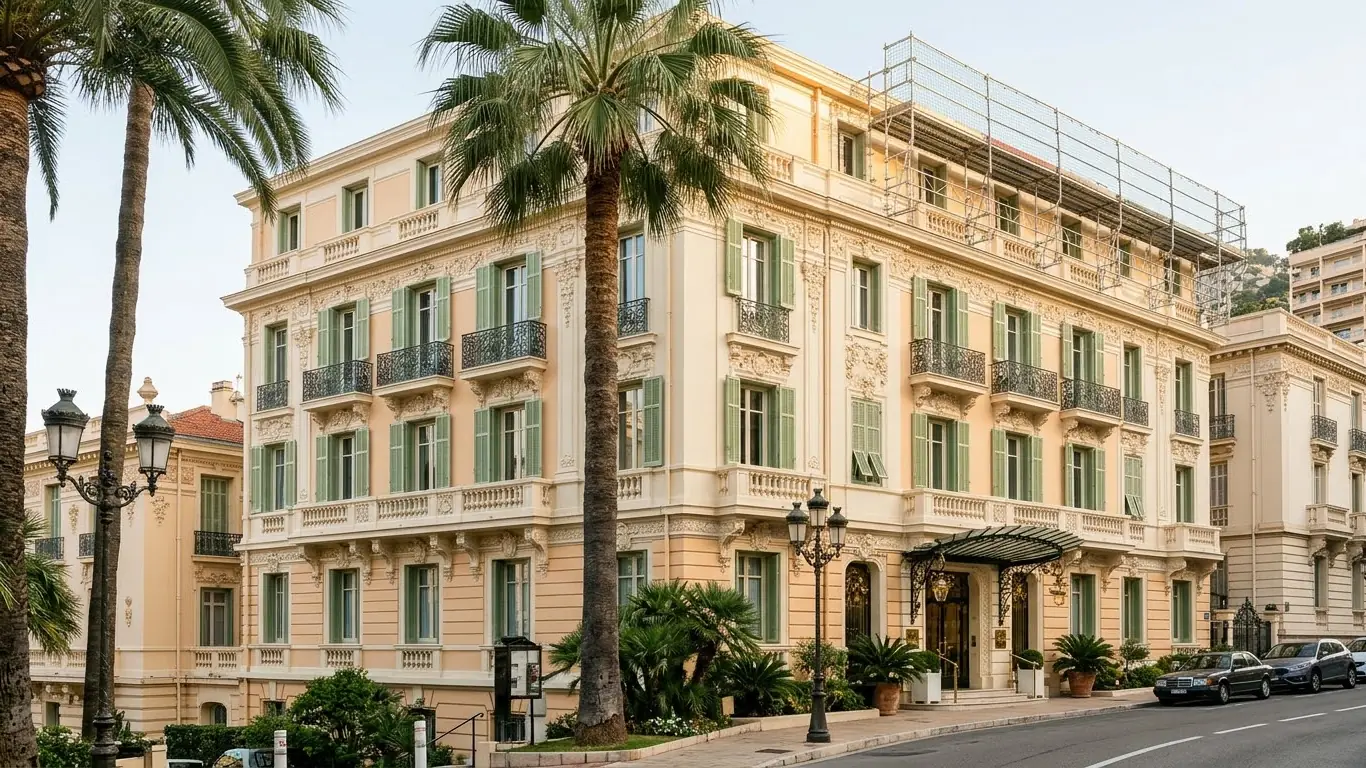

Monaco is a small, dense principality on the French Riviera, and renovation is where its sustainability commitment becomes tangible. The shift is less a trend than a necessary evolution: it protects the natural setting and improves quality of life for residents and visitors. This article covers lighting, water, materials, solar power, roofs and insulation, waste and public support.
Limited land area and high population density force the principality to integrate eco-friendly practices into existing infrastructure. That means retrofitting older buildings and making sure new construction follows sustainable principles.
Through energy efficiency, water conservation and renewable resources, Monaco aims to set a benchmark for sustainable urban living and to show that luxury and environmental responsibility can coexist.
Key Takeaways
- Sustainable renovation in Monaco reduces environmental impact and improves the energy efficiency of buildings.
- Efficient lighting and appliances cut energy consumption and utility bills.
- Water-saving fixtures and systems conserve water in buildings.
- Low-VOC paints and sustainable wood limit environmental impact during renovation.
- Solar panels and other renewable sources generate clean energy on site.
Energy-Efficient Lighting and Appliances: LED and Smart Controls
LED lighting has gained ground because the bulbs use considerably less energy than traditional incandescent options and last longer. In upscale residences and commercial spaces, smart lighting systems give finer control over energy consumption.
Smart systems can adjust brightness to natural light levels or occupancy and so cut unnecessary use. Appliances matter as much as lighting: Energy Star-rated models lower utility bills and reduce the carbon footprint of homes and businesses.
From refrigerators to washing machines, efficient models use advanced technology to cut energy consumption without sacrificing performance. They remain a fixed item in renovation projects across the principality.
Water-Saving Fixtures and Rainwater Harvesting
Monaco is a coastal city with limited freshwater resources, so water-saving fixtures belong in its renovation efforts. Low-flow faucets, showerheads and toilets are becoming standard in residential and commercial properties and cut consumption without compromising comfort.
Such fixtures keep pressure up while minimizing flow rates. Rainwater harvesting systems are gaining popularity as a supplement to the municipal water supply: rain collected from rooftops and stored in tanks can serve irrigation or non-potable uses such as flushing toilets.
Eco-Friendly Materials and Finishes for Healthier Interiors
Materials shape both environmental sustainability and indoor air quality. Monaco is placing growing emphasis on eco-friendly sourcing that minimizes environmental harm while enhancing aesthetic appeal. Reclaimed wood, bamboo and recycled metal are increasingly used in construction and renovation.
These materials reduce demand for new resources and give a property a character of its own. Finishes count as well: low-VOC (volatile organic compounds) paints, finishes and adhesives are becoming standard choices in the principality's renovation work.
These products emit fewer harmful chemicals into the air, which improves indoor air quality and benefits the health of occupants.
Solar Panels and Other Renewable Energy Sources
Monaco is turning to solar energy to reduce reliance on fossil fuels. Rooftop panels have become a common sight in the principality, drawing on abundant Mediterranean sunlight to power homes and businesses and to lower carbon emissions.
Other renewable sources are being explored as part of sustainable renovation. Wind energy is less prevalent because of geographical constraints and is considered for future projects where feasible, while research into technologies that could expand renewable capacity continues.
Green Roofs and Insulation for Thermal Comfort
Green roofs, vegetated layers planted on rooftops, do more than please the eye. They insulate naturally, which reduces the need for heating and cooling and improves energy efficiency.
Green roofs also absorb rainwater, easing the load on drainage systems during heavy rainfall. Insulation is the other critical component of a sustainable renovation. High-quality materials keep indoor temperatures comfortable and minimize energy consumption.
Eco-friendly insulation such as cellulose or sheep's wool improves thermal performance and lowers environmental impact. Combined with green roofing, it makes buildings more sustainable.
Waste Management, Recycling and Composting
Monaco has set up recycling programs that encourage residents and businesses to separate recyclables from general waste. Accessible bins across the city and educational campaigns on proper disposal aim to build a culture of recycling.
Composting programs that turn organic waste into nutrient-rich soil amendments are being explored. They reduce landfill waste, support sustainable gardening in the community and encourage responsible consumption.
Government Incentives and Guidance
Monaco's government promotes sustainable renovation through incentives and support programs. Authorities have introduced financial incentives for homeowners and businesses that invest in energy-efficient upgrades or renewable energy installations. These may include tax breaks or grants that make sustainable renovation more feasible.
The government also works with local organizations and experts to provide guidance on best practice. Workshops, seminars and informational campaigns explain the benefits of eco-friendly renovation to residents and encourage individual action as well as a shared commitment to preserving the principality's charm.
More from Monaco
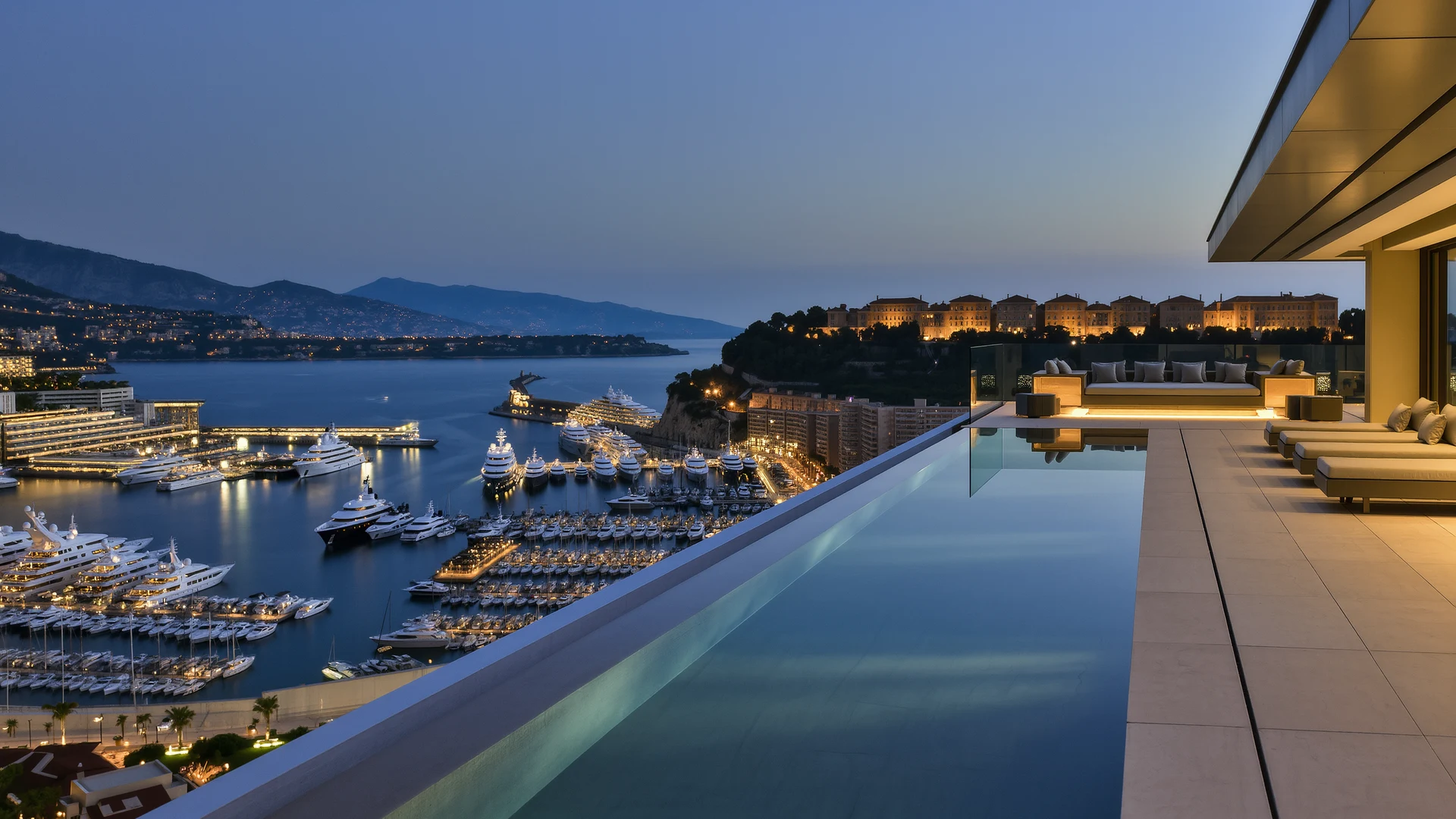
Monaco Property Investment: Prices, Costs, Residency
Monaco property investment: prime prices above €100,000 per square meter, tax treatment, residency rules, transaction costs of 9 to 11 percent and yields.
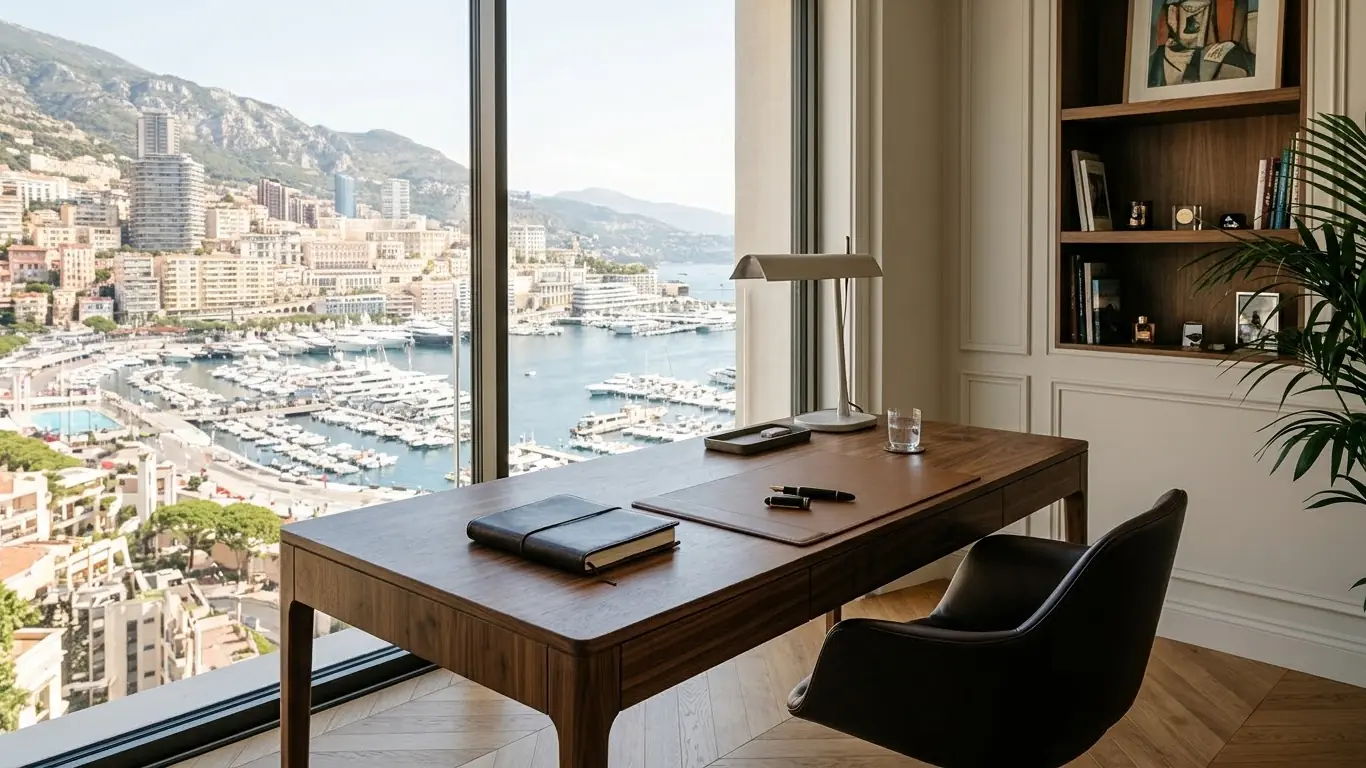
Monaco Luxury Property Market: The Effect of Home Offices
Monaco luxury property market: how home offices, wellness features, smart technology and new buyer profiles shape demand, prices, design and agency work.
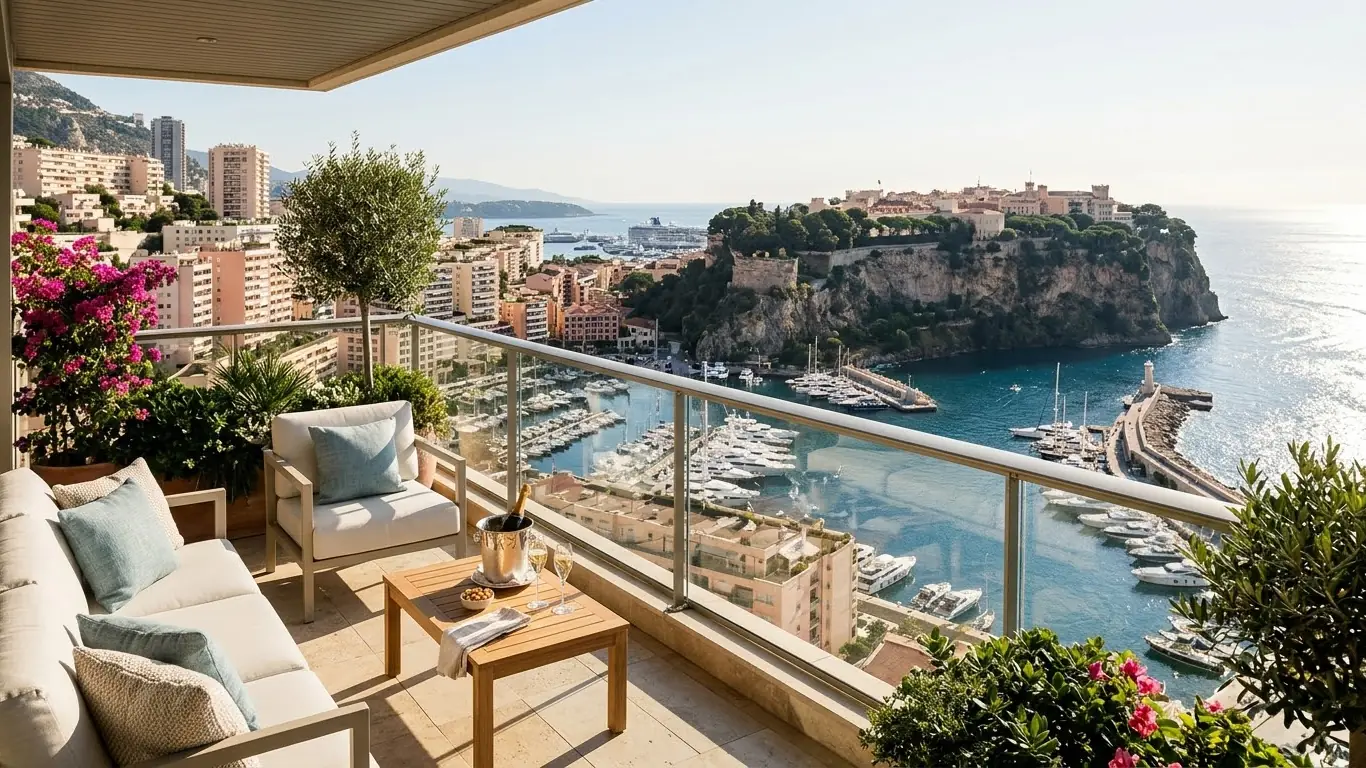
Attracting International Buyers for Your Property
Reaching international property buyers takes market knowledge, online visibility, local expertise, presentation, flexible payment and multilingual support.