Renovation Properties in Dubai: Tips for Buyers
Renovation properties in Dubai: how to research the market, budget realistically, inspect thoroughly, secure permits and plan for contingencies and resale.
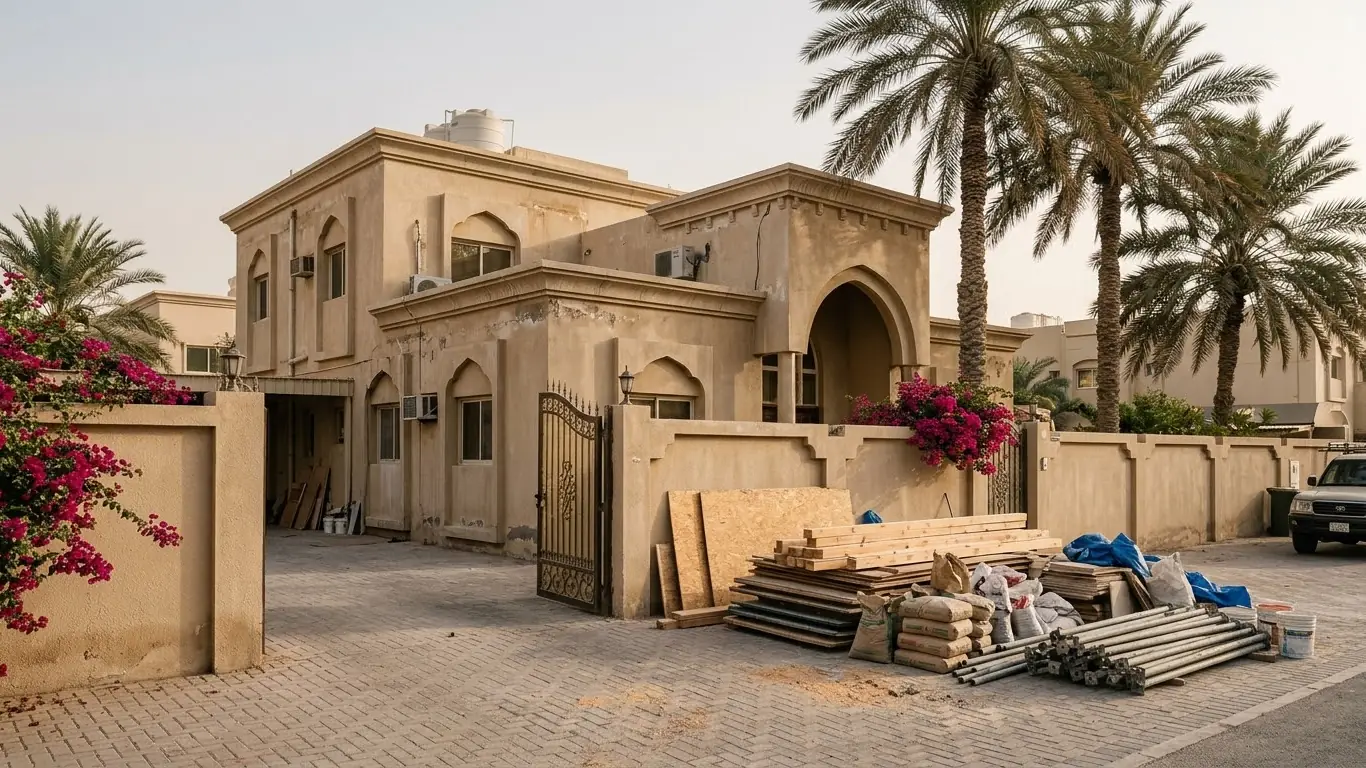

Dubai's real estate landscape changes rapidly under the influence of economic conditions, government regulations and global trends, so market research is the first step for any renovation purchase. Current prices, the balance of demand and supply and emerging neighborhoods give buyers and investors a sound basis for decisions.
Dubai Marina and Downtown Dubai have historically been popular for their proximity to key attractions and amenities, while up-and-coming districts like Dubai South gain traction as they develop. The types of property on offer deserve equal attention. The range runs from luxurious villas and high-rise apartments to commercial spaces and off-plan developments.
Each type has its own advantages and challenges. Thorough research shows which one fits an investment goal or personal preference, and market forecasts and expert opinions add context for the decision.
Key Takeaways for Renovation Buyers in Dubai
- Research the market for current trends and pricing in the area
- Set a realistic budget that covers renovation costs and unexpected expenses
- Understand the renovation process and set a timeline to manage expectations
- Work with a reliable agent who has experience with renovation properties
- Consider resale value when making renovation decisions
- Inspect the property thoroughly for potential issues and areas for improvement
- Obtain the permits and approvals that make the renovation legal and up to code
- Plan for unexpected costs with a contingency fund for unforeseen expenses
Set a Realistic Budget
A realistic budget is the foundation of any property acquisition. Prices in Dubai vary significantly by location and type, so buyers should count the purchase price together with registration fees, maintenance charges and service fees.
A portion of the budget should be reserved for unforeseen expenses during the buying process or after moving in. Financing needs equally careful assessment: a mortgage and an outright purchase carry different implications.
A mortgage may carry interest rates that fluctuate with market conditions, which affects long-term financial commitments. A budget that includes all potential costs spares buyers financial strain and makes the transition into the new property smoother.
Understand the Renovation Process
Buyers of older properties or properties in need of upgrades should understand the renovation process early. Renovations can add to a property's value and livability, but they require careful planning and execution.
Experienced contractors and designers streamline the process. They can advise on current design trends, materials and construction techniques that fit local regulations and standards.
A timeline helps manage expectations. Supply chain issues or unexpected structural challenges can cause delays, so contingency plans are advisable. A well-understood process allows buyers to turn a new property into a personalized haven and may increase its market value as well.
Work with a Reliable Real Estate Agent
A knowledgeable agent brings local market knowledge to the buying process in Dubai. Such an agent helps identify properties that meet specific criteria, negotiates favorable terms and guides buyers through legal documentation and procedures.
An experienced agent also has access to off-market listings and exclusive opportunities not readily available to the general public. When choosing an agent, consider track record and reputation in the industry. Reviews and recommendations from previous clients show professionalism and effectiveness.
A good agent understands the nuances of the Dubai market and puts the buyer's interests above all else, which makes the intricacies of acquisition easier to manage.
Consider Potential Resale Value
Resale value matters even when a purchase is meant as a long-term investment. The Dubai market has experienced fluctuations over the years, so buyers should think strategically about future worth. Location, property type and market trends determine resale value.
Properties in prime locations with access to amenities like schools, shopping centers and public transport tend to retain their value better than those in less desirable areas. Renovations and improvements affect resale value too. Personal preferences matter when customizing a home, but broader market trends deserve a place in the decision.
Open-concept layouts and energy-efficient features, for instance, are increasingly sought after by buyers in Dubai. Renovation choices aligned with market demand strengthen a property's appeal when it is time to sell.
Inspect the Property Thoroughly
A thorough inspection is indispensable before finalizing any purchase in Dubai's competitive market. It goes beyond aesthetics to the structural integrity and overall condition of the property. A qualified home inspector can uncover plumbing problems, electrical faults or structural damage that initial viewings do not reveal.
Finding such issues early can save buyers from unexpected repair costs later. Inspections should also assess external factors that could affect the property's value or livability. These include neighborhood safety, proximity to essential services and potential future developments in the area that could affect property values.
A comprehensive inspection shows whether to proceed with the purchase or to negotiate repairs or price adjustments based on the findings.
Obtain Necessary Permits and Approvals
Dubai's real estate environment is highly regulated, and renovation or construction projects need permits and approvals. Local authorities set specific guidelines for safety standards and zoning laws. Before any work begins, from minor renovations to major construction, buyers must familiarize themselves with these regulations to avoid legal complications.
The permit process varies with the scope of the planned work and often involves submitting detailed plans to the relevant authorities for review and approval.
Professionals familiar with the process can assist in preparing documentation and ensuring that all approvals are secured before work begins. Compliance with local regulations helps buyers avoid costly fines or delays.
Plan for Unexpected Costs
Unexpected costs can arise during the acquisition or renovation process in Dubai, from repairs needed after an inspection to changes in material costs due to market fluctuations. A contingency fund designated for such expenses is prudent.
A budget with some flexibility allows adjustments without financial strain. Delays in project timelines can also raise labor or materials costs if not managed properly. Anticipating these challenges makes property ownership in Dubai easier to manage.
More from Dubai

Dubai Luxury Real Estate Guide: Prices, Taxes, Outlook
Dubai luxury real estate guide: prime addresses from Palm Jumeirah to Downtown, branded residences, tax, transaction costs, Golden Visa and the 2026 outlook.
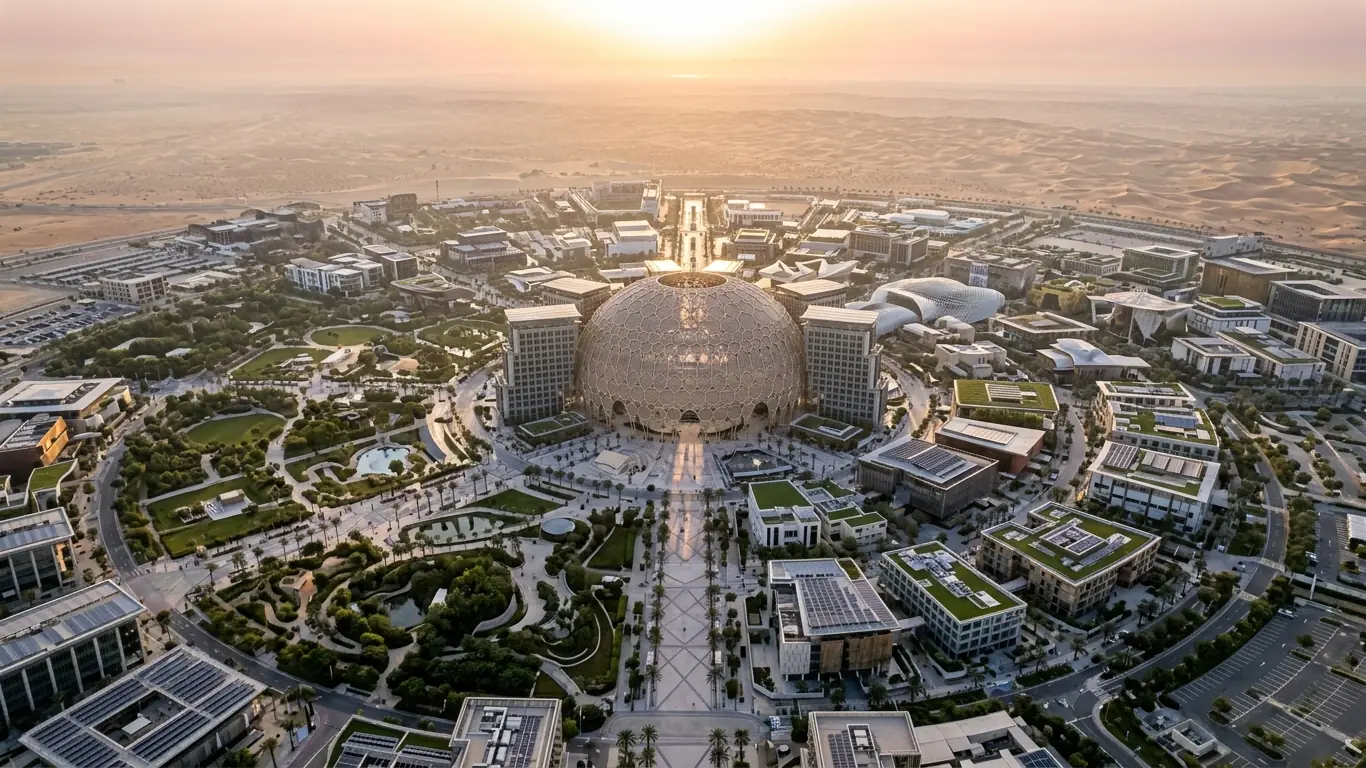
Expo City Proximity and the Dubai Real Estate Market
Expo City in Dubai and the property market around it: demand, price drivers, infrastructure, investment opportunities and risks such as oversupply.
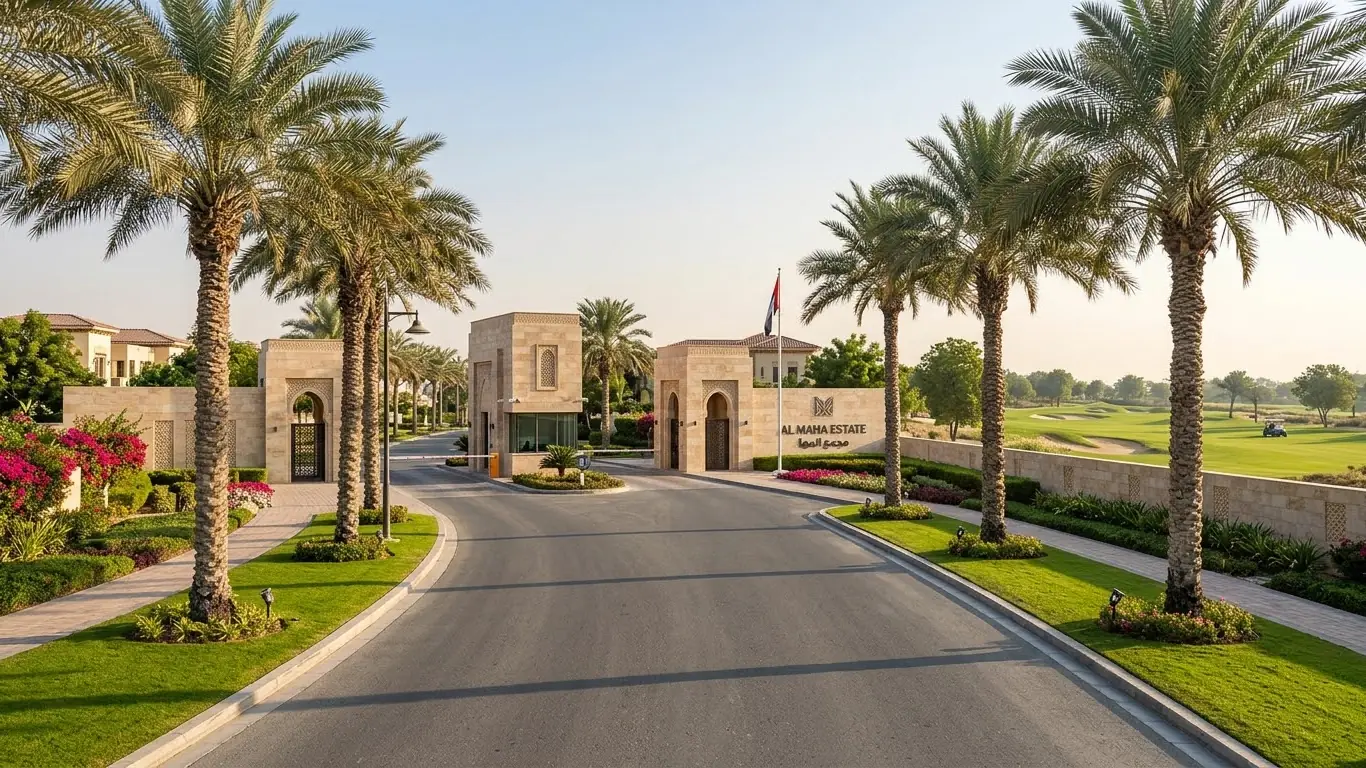
Exclusive Gated Communities in Dubai: Privacy and Security
Gated communities in Dubai: how privacy, security, amenities, technology and cost shape everyday life and property values in these exclusive enclaves.