Buying in Monaco: Tips for International Buyers
Buying property in Monaco from abroad: legal and financial points, neighborhoods, agents, the purchase process, cost of living, residency and lifestyle.
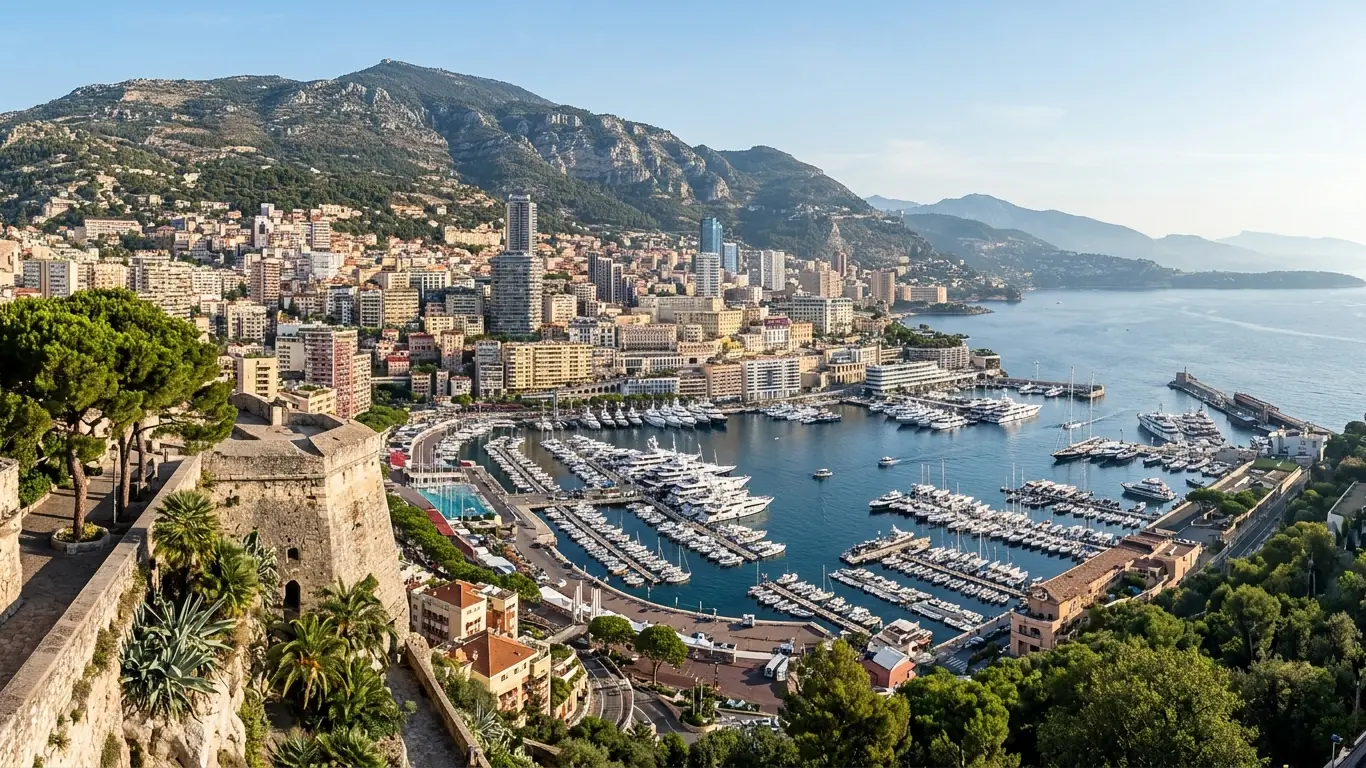

Monaco, a small principality on the French Riviera, is renowned for opulence and luxury. Its real estate market is among the most exclusive in the world, shaped by high demand and limited supply. Mediterranean views and a mild climate draw affluent buyers from around the globe.
High-end apartments and luxury villas dominate the market, often with state-of-the-art amenities and sweeping views. Properties here are more than homes: they are status symbols that reflect the wealth and lifestyle of their owners. Economic stability, tourism and international events such as the Monaco Grand Prix and the allure of the Monte Carlo Casino influence the market as well.
Prices per square meter can reach very high levels, so thorough research into market trends is essential. Demand remains robust, driven by local and international buyers seeking a share of this lifestyle, and a clear understanding of the market's nuances is the basis for any investment.
Key Takeaways for International Buyers in Monaco
- High demand, limited supply and luxury properties make Monaco a competitive and exclusive market.
- International buyers should know the legal and financial considerations: taxes, residency requirements and financing options.
- Each neighborhood offers different amenities, views and lifestyle options, so location matters.
- A local agent who understands the Monaco market assists throughout the buying process.
- Know the buying process, including paperwork, fees and regulations.
Legal and Financial Considerations for International Buyers
The legal and financial landscape can be complex for international buyers unfamiliar with local regulations. The first step is to understand the legal framework governing property ownership in Monaco. Foreigners are permitted to buy property in the principality without restrictions, which is a significant draw for many investors.
Legal professionals who specialize in Monaco's real estate laws ensure compliance with all regulations and facilitate a smooth transaction. Financially, there are no property taxes in Monaco, but other costs apply, such as notary fees, registration fees and potential maintenance costs, and current figures are best confirmed with an adviser.
Financing can be challenging, as many banks require substantial deposits and may apply stringent lending criteria. International buyers should prepare for these obligations and consult financial advisors who understand the intricacies of Monaco's banking system.
Choosing the Right Location in Monaco
Monaco is divided into several distinct neighborhoods, each with its own charm and lifestyle, and the choice can significantly affect both living experience and property value. Among the most sought-after areas are Monte Carlo, known for its luxury casinos and high-end shopping, La Condamine, with its vibrant market atmosphere, and Fontvieille, which combines residential living with commercial spaces and waterfront views.
Lifestyle preferences guide the choice. Those seeking a bustling atmosphere with easy access to entertainment may prefer Monte Carlo, while families might gravitate towards quieter neighborhoods like Moneghetti or Jardin Exotique. Proximity to schools, healthcare facilities and recreational areas matters as well.
Working with a Local Real Estate Agent
A local real estate agent is a valuable ally for anyone buying property in Monaco. Such professionals have extensive market knowledge and insights not readily available to outsiders. A local agent helps buyers through the complexities of the market, from identifying suitable properties to negotiating favorable terms.
Their expertise saves time and effort and supports informed decisions. Local agents also often have access to exclusive listings that are not publicly advertised.
A good agent also assists with legal documentation and liaises with notaries and other professionals involved in the transaction. Working closely with a local agent improves the chances of finding a property that meets your needs and expectations.
Understanding the Process of Buying Property in Monaco
The process involves several key steps. Interested parties typically begin by viewing properties that match their preferences and budget. Once a suitable property is identified, an offer is made, often accompanied by a deposit to demonstrate serious intent.
If the offer is accepted, a preliminary contract sets out the terms of the sale. Buyers then engage a notary to oversee the legal aspects of the transaction. The notary ensures that all legal requirements are met and that the property title is clear of any encumbrances.
After due diligence and finalized financing arrangements, the buyer signs the final deed of sale. The process can take several weeks or even months, depending on factors such as negotiations and legal checks.
Considering the Cost of Living in Monaco
Dining and Entertainment Expenses
Dining at one of Monaco's renowned restaurants or an evening at the casino adds up quickly and belongs in the budget.
Hidden Costs of Luxury Living
Although there are no income taxes for residents, other costs such as utility bills and maintenance fees for luxury properties can be substantial. Buyers should also factor in health insurance costs and potential schooling expenses if they have children.
Budgeting for Everyday Costs
Understanding these financial implications helps prospective residents budget effectively and enjoy what Monaco has to offer without financial strain.
Residency and Citizenship Options for International Buyers
Residency options are an important part of the investment decision for many international buyers. Monaco offers several pathways to residency for foreign nationals who purchase property. One common route is a residence permit, obtained by demonstrating sufficient financial means to support oneself without employment within the principality.
The process typically requires proof of accommodation, such as ownership or long-term rental agreements, and evidence of financial stability through bank statements or income documentation. Residency does not automatically confer citizenship, but it allows individuals to enjoy the benefits of living in Monaco, including access to its amenities and services.
Cultural and Lifestyle Considerations for Buyers in Monaco
Monaco's cultural landscape offers a rich range of experiences, with a blend of French and Italian influences reflected in cuisine, festivals and daily life. Residents can enjoy gourmet dining at Michelin-starred restaurants or explore local markets with fresh produce and artisanal goods.
Monaco hosts numerous cultural events throughout the year, including art exhibitions at the Nouveau Musée National de Monaco and performances at the Opéra de Monte-Carlo. The social scene offers opportunities to build connections with other expatriates and locals alike, and Monte Carlo's boutiques carry high-end fashion brands for discerning tastes.
The natural surroundings allow outdoor activities such as sailing, hiking and enjoying sun-soaked beaches along the Mediterranean coast, and the principality's green spaces and initiatives show its commitment to sustainability. For international buyers, this blend of culture and lifestyle is a large part of what living in Monaco means.
More from Monaco
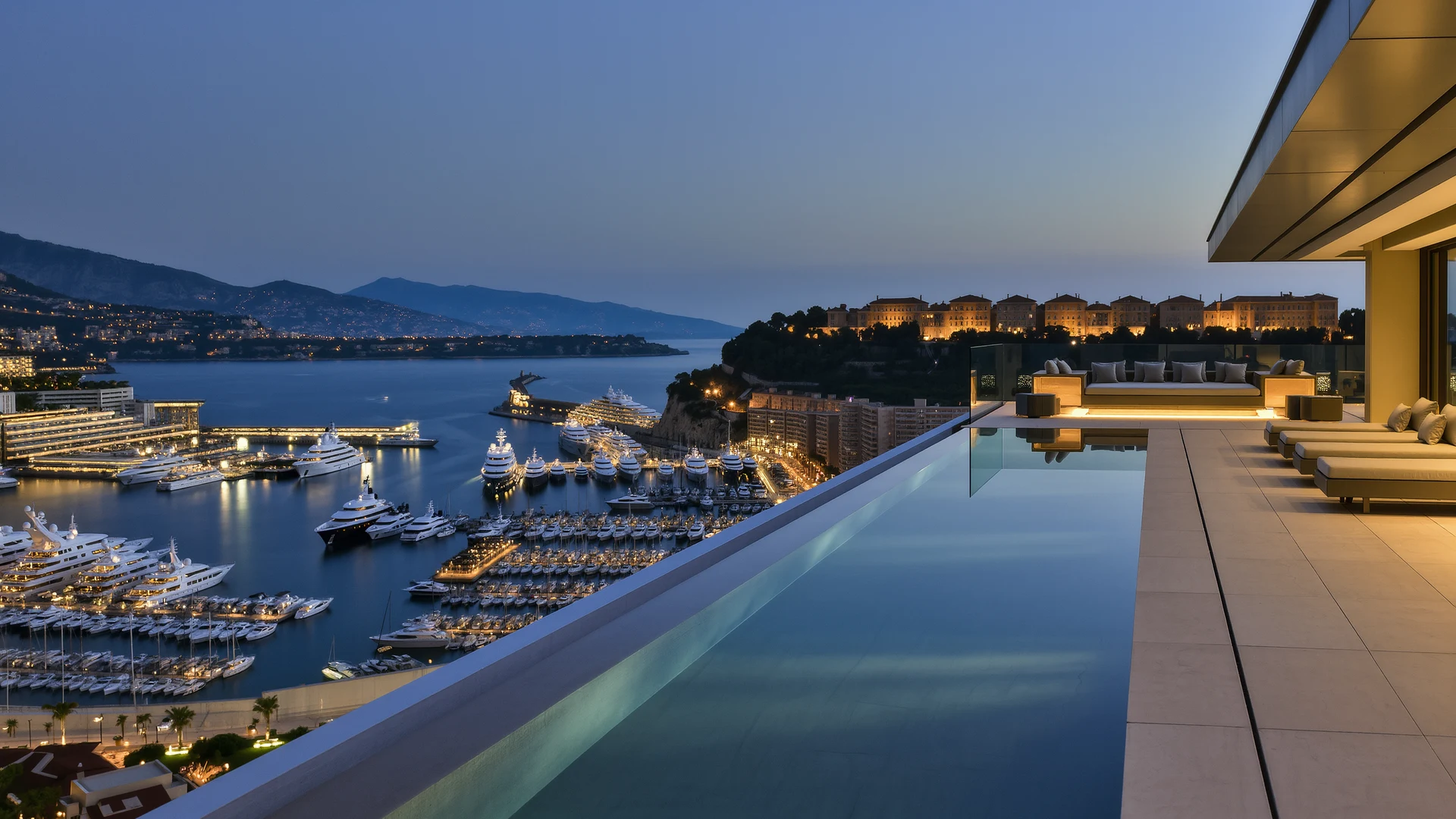
Monaco Property Investment: Prices, Costs, Residency
Monaco property investment: prime prices above €100,000 per square meter, tax treatment, residency rules, transaction costs of 9 to 11 percent and yields.
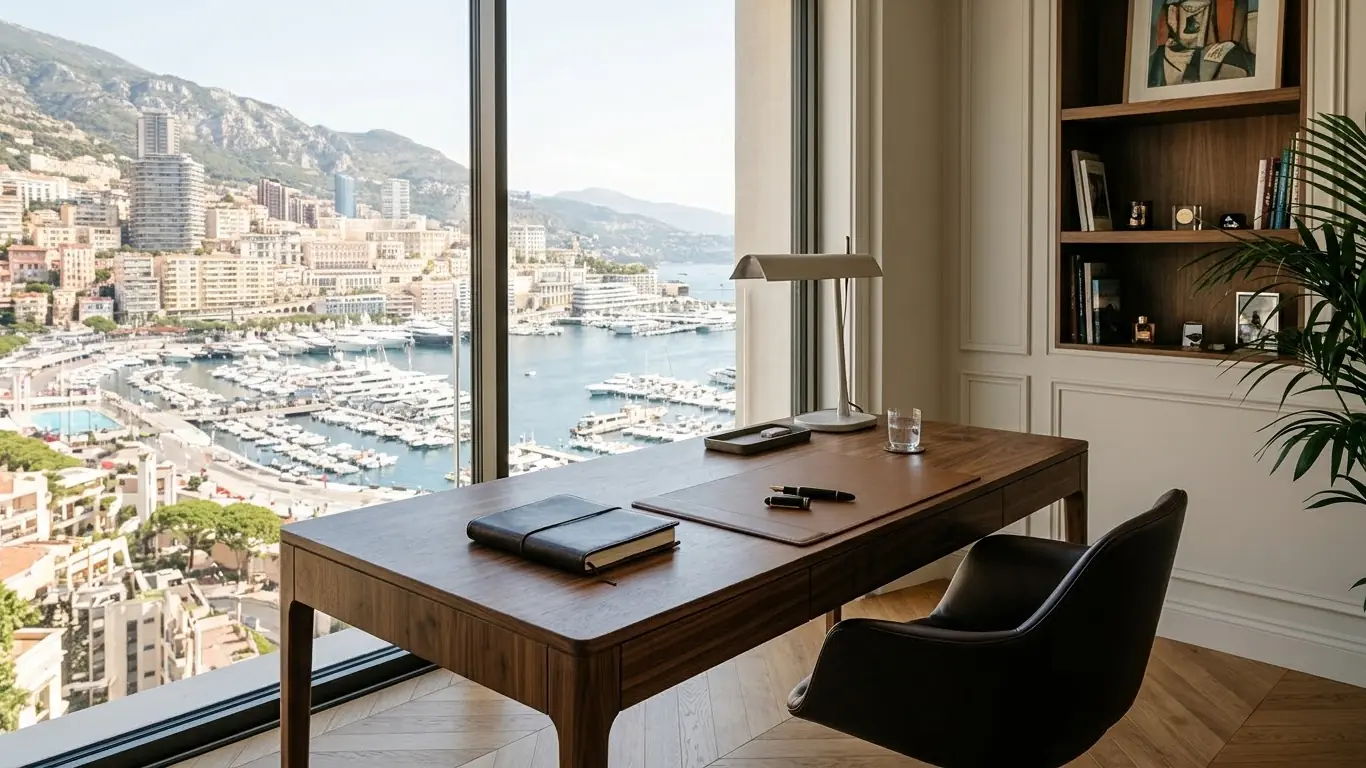
Monaco Luxury Property Market: The Effect of Home Offices
Monaco luxury property market: how home offices, wellness features, smart technology and new buyer profiles shape demand, prices, design and agency work.
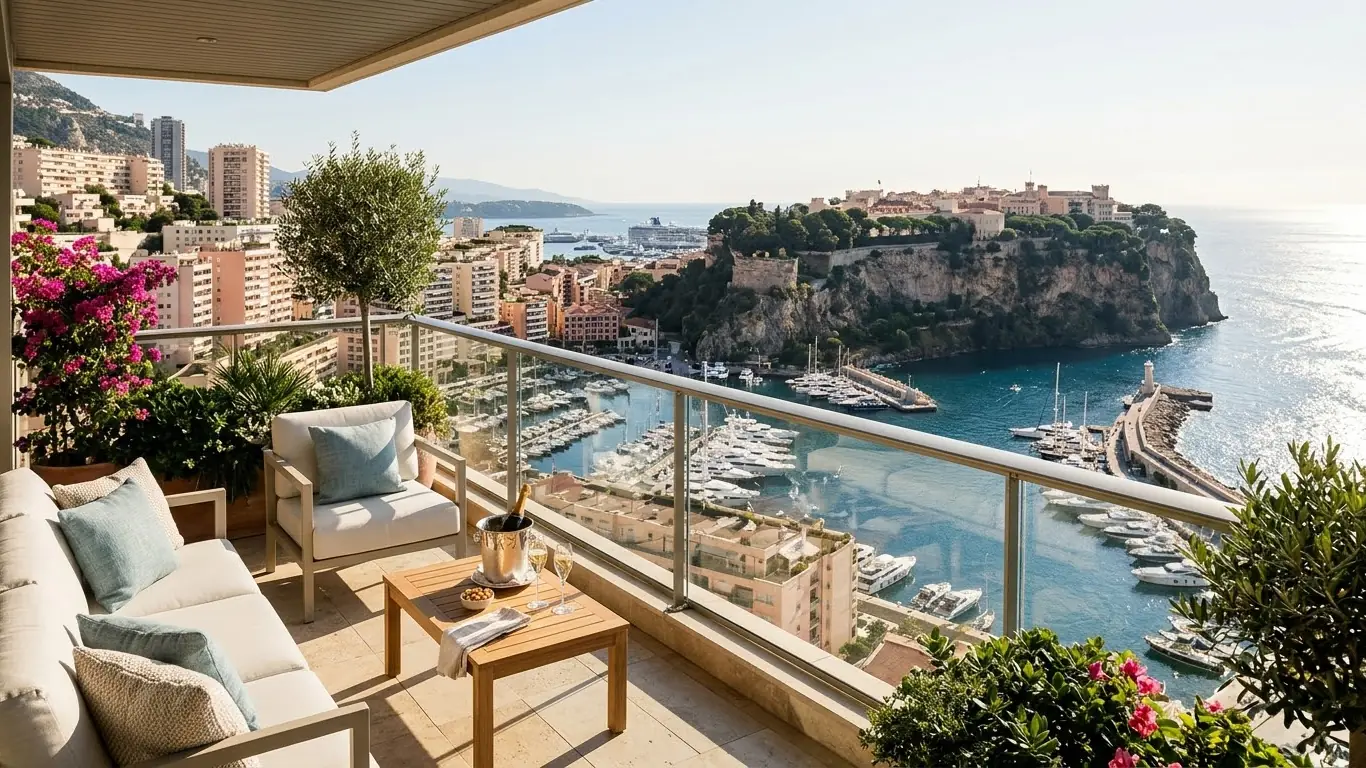
Attracting International Buyers for Your Property
Reaching international property buyers takes market knowledge, online visibility, local expertise, presentation, flexible payment and multilingual support.