Pricing Your Property in Monaco
How to price a property in Monaco: location, condition, comparable sales, agent expertise, market cycles, presentation and negotiation, weighed with care.
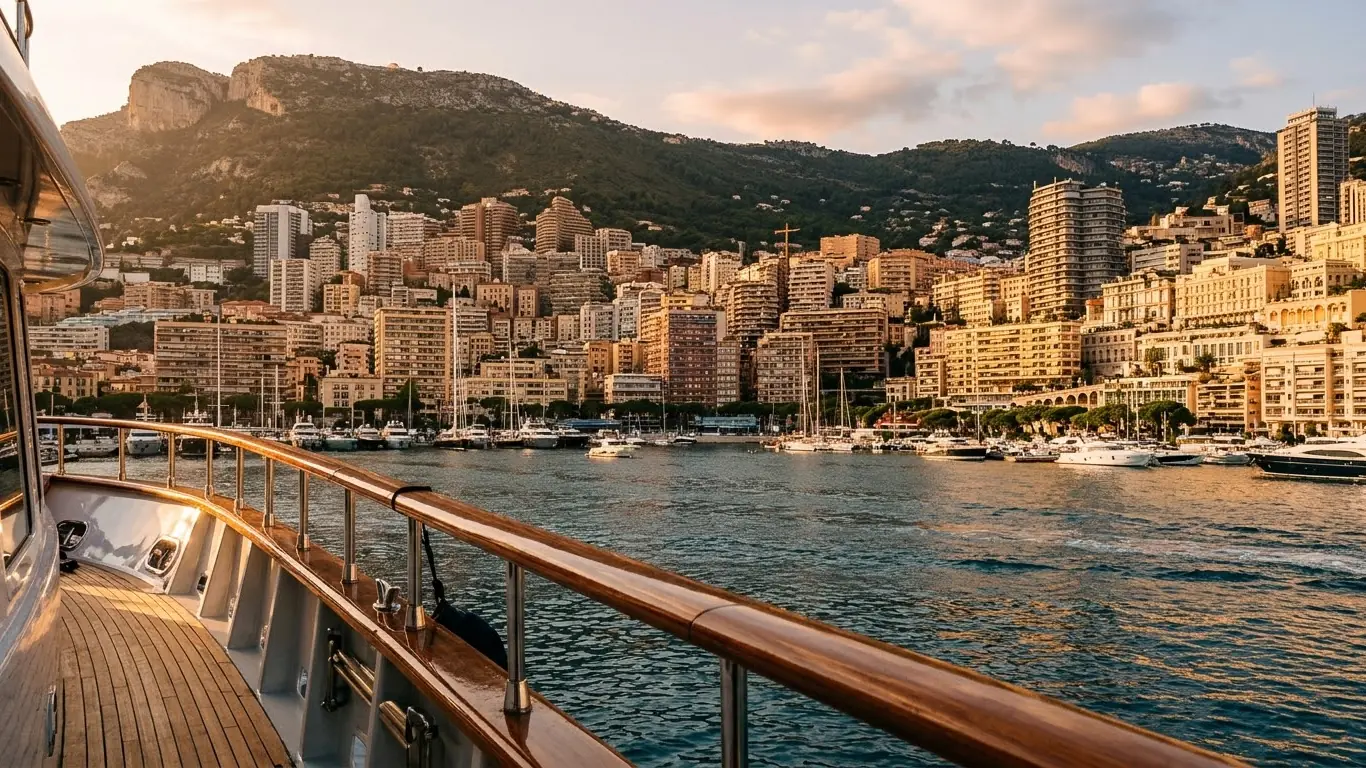

Pricing a property in Monaco rewards preparation and restraint. This article covers the factors that shape value, from location and condition to comparable sales, presentation and negotiation.
Limited supply and high demand make the market competitive for buyers and sellers alike.
Mediterranean views, world-class amenities and a reputation for exclusivity let properties in Monaco command premium prices. The principality’s tax regime adds to the pull: Monaco does not levy personal income tax, which draws high-net-worth individuals who want to relocate or invest.
Economic and political stability reinforce that appeal. Anyone buying or selling here should understand these dynamics, since they shape property values and investment potential.
Key Takeaways
- High demand and limited supply keep Monaco prices at a premium.
- Location, size, amenities and current market trends set the frame for a price.
- Comparable properties show where your asking price sits in the market.
- An agent who knows the Monaco market adds insight to pricing and marketing.
- A realistic price, grounded in trends and economic conditions, draws buyers and supports a sale.
- Watching economic conditions helps you anticipate shifts and time your pricing.
- Presentation and marketing shape how buyers perceive value and desirability.
- Negotiation rewards a clear strategy and an understanding of market dynamics.
Factors That Shape Your Asking Price
Location comes first. Prime areas such as Monte Carlo or La Condamine typically command higher prices, since they place luxury amenities, entertainment and views of the Mediterranean Sea close at hand.
Buyers often pay a premium for convenience and prestige together. Size and condition matter as well: larger properties with modern amenities and high-quality finishes tend to draw more interest and can be priced above smaller or older units.
Recent renovations or upgrades can lift market value noticeably. Sellers should also identify what sets their property apart, such as a private terrace, a swimming pool or exclusive access to facilities like a gym or spa.
Researching Comparable Properties
Thorough research on comparable properties anchors the price. Recent sales data and current listings reveal market trends and pricing strategies, and comparing similar properties, often called “comps”, shows how yours stands in price, features and location.
Look beyond sale prices to the time each property spent on the market. A quick sale can point to strong demand in that area or price range, while a property that lingers may signal overpricing or less desirable features. Layout, view and amenities add context for setting your own price.
Working with a Real Estate Agent
An agent who specializes in the Monaco market brings knowledge of local trends, pricing strategies and negotiation tactics. Such an agent also reads current buyer preferences and helps position your property for the right audience.
An agent can extend your reach through a network and resources, write listings that bring out what distinguishes the property and arrange professional photography and staging. An experienced agent also guides sellers through the legal and regulatory aspects of a Monaco transaction and keeps the sale compliant with local rules.
Setting a Realistic Price
A realistic price draws buyers and supports the sale. Overpricing prolongs market exposure and can lead to lower offers or none at all.
The right balance weighs market conditions, comparable sales and the unique attributes of your property. Working closely with your agent on current trends and buyer behavior produces a pricing strategy that matches market expectations and still reflects the property’s value.
Feedback from buyers during showings also shows how your price is perceived.
Considering Market Trends and Economic Conditions
Understanding the Impact of Economic Trends
In periods of economic uncertainty or downturn, buyers grow more cautious about high-value real estate. In times of growth and stability, buyer confidence tends to rise, and demand for luxury properties with it.
Staying Informed: A Seller’s Advantage
Sellers should follow these trends and weigh how they may affect value over time, so that they choose their moment to list with care. A rise in foreign investment, or in demand for luxury rentals driven by tourism growth, could mark such a moment.
Adapting to Changing Market Conditions
If economic indicators point to a slowdown or weaker buyer interest, sellers may need to adjust their pricing. Staying attuned to the changing economy supports informed decisions about value and appeal.
Presentation and Marketing
In Monaco’s competitive market, first impressions count, so the property should appear in its best light. That can mean staging to highlight its strengths, decluttering to create an inviting atmosphere and professional photography that captures the essence of luxury living.
Effective marketing reaches prospective buyers through online platforms, social media channels and luxury real estate websites. Exclusive open houses or private viewings can create a sense of urgency and let interested buyers experience the property firsthand.
Coordinate these efforts with your agent to raise visibility and draw serious inquiries.
Negotiating the Sale Price
Buyers and sellers in Monaco often bring high expectations on price and terms. Once a buyer signals intent, approach negotiations with clear goals and enough flexibility to accommodate reasonable offers. Strong communication and the ability to handle buyers’ objections make the difference.
Stay open-minded while advocating for your interests. That may mean weighing counteroffers or adjusting closing dates or contingencies in response to buyer feedback. Your agent can bring market insight to these decisions and help align them with your objectives.
More from Monaco
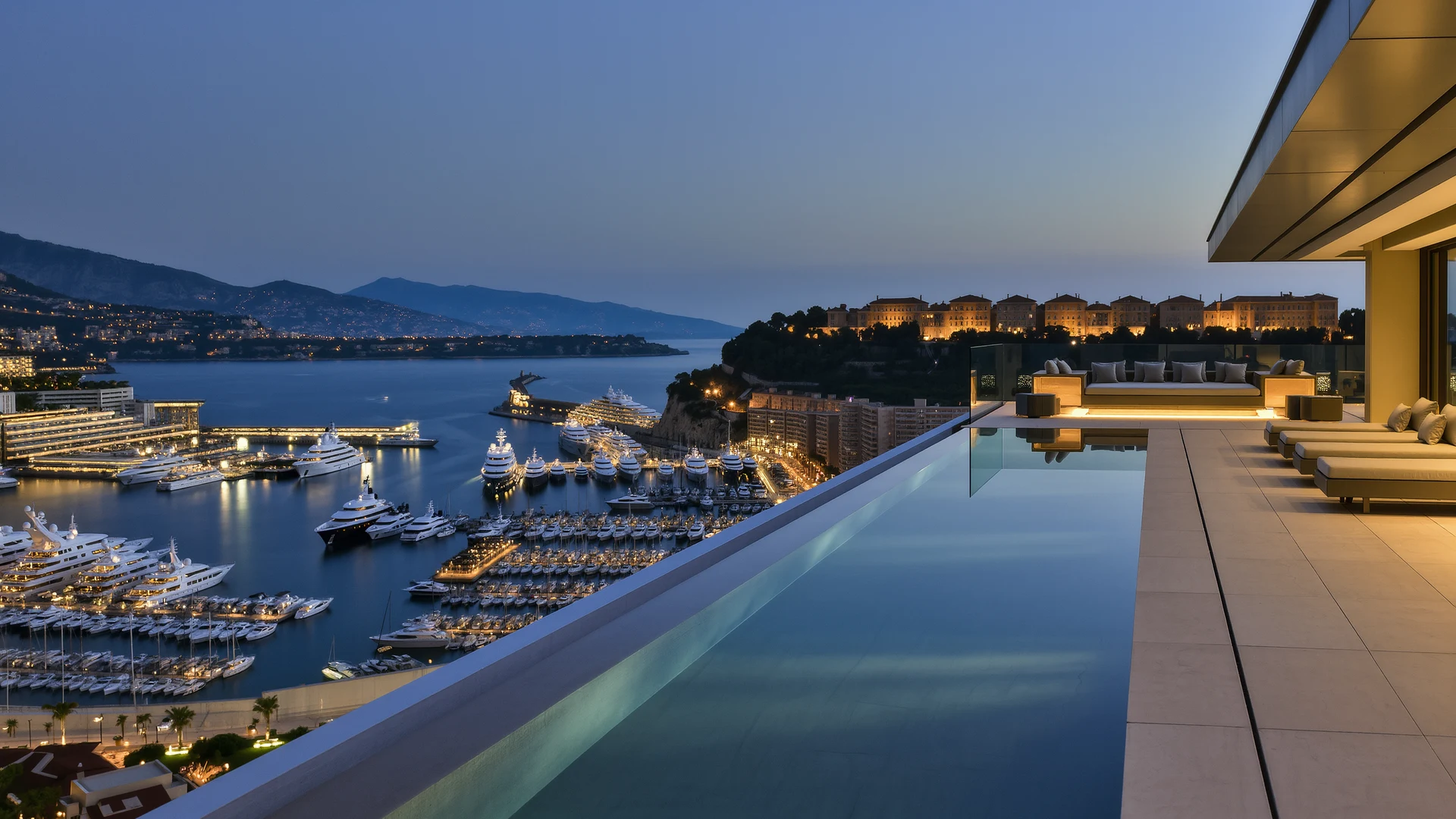
Monaco Property Investment: Prices, Costs, Residency
Monaco property investment: prime prices above €100,000 per square meter, tax treatment, residency rules, transaction costs of 9 to 11 percent and yields.
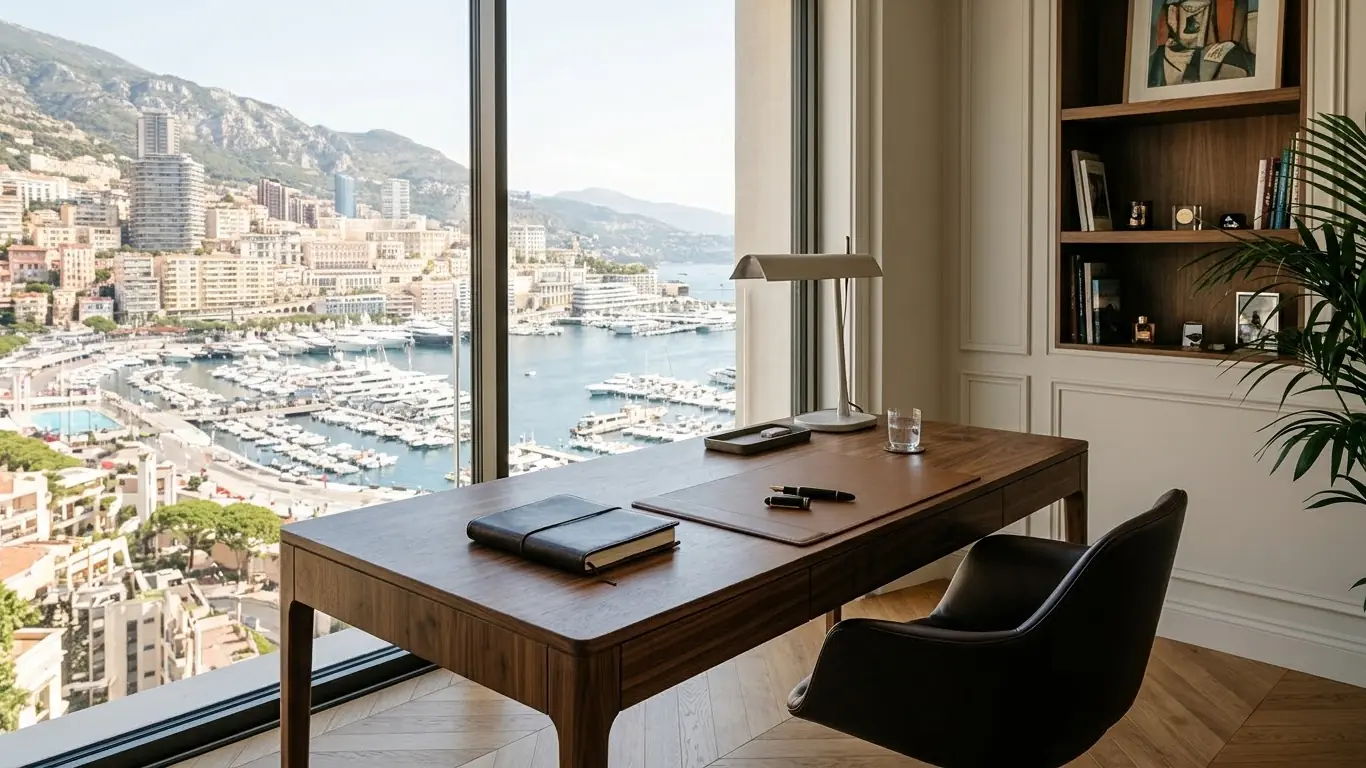
Monaco Luxury Property Market: The Effect of Home Offices
Monaco luxury property market: how home offices, wellness features, smart technology and new buyer profiles shape demand, prices, design and agency work.
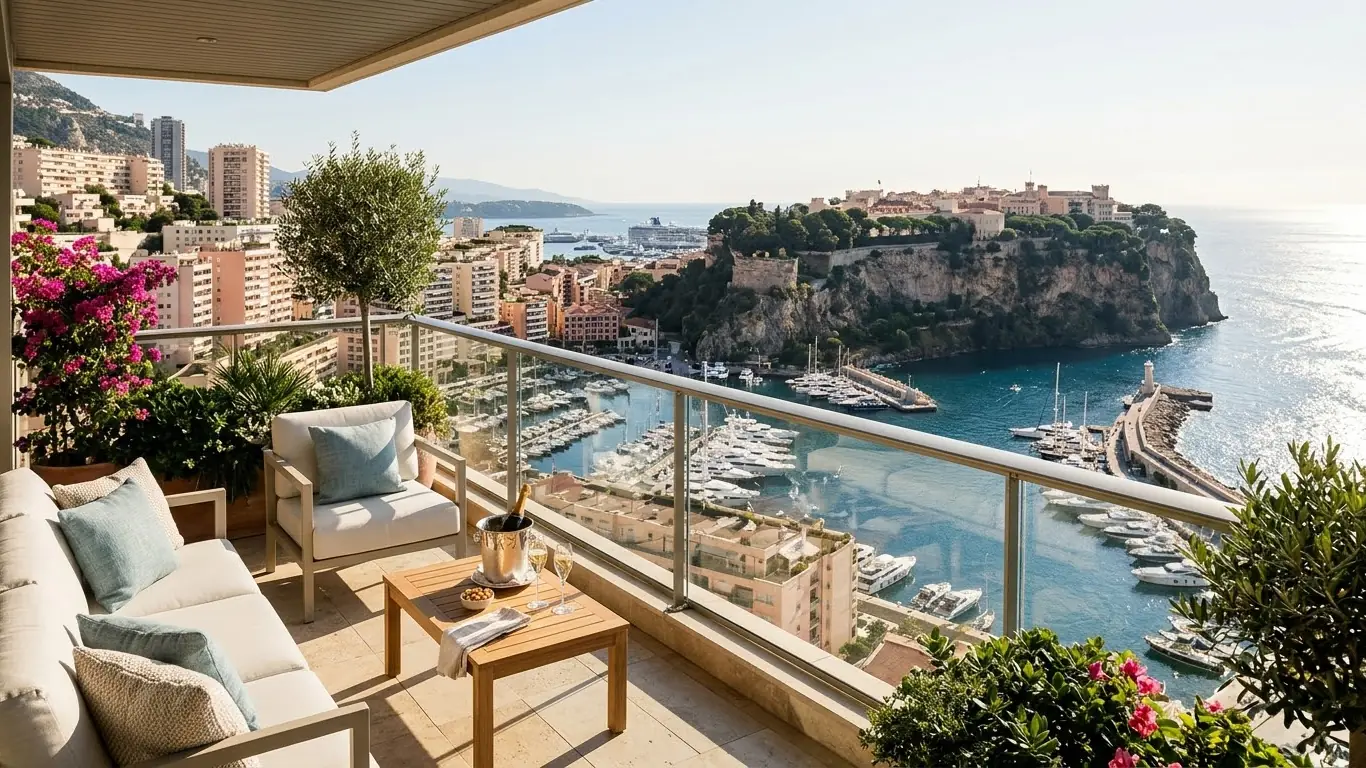
Attracting International Buyers for Your Property
Reaching international property buyers takes market knowledge, online visibility, local expertise, presentation, flexible payment and multilingual support.