Pricing a Dubai Property: Key Factors for Sellers
Pricing a Dubai property: how comparable sales, location, amenities, expert advice, market trends, timing and legal rules shape a sound asking price.


Pricing a property in Dubai starts with understanding a market defined by luxury developments, innovative architecture and a wide range of property types, from villas and high-rise apartments to commercial spaces and off-plan developments. It draws investors and expatriates alike. This article sets out the factors that shape an asking price.
Growth is the market’s defining feature. Over the past two decades, Dubai has transformed from a modest trading port into a global metropolis, attracting millions of visitors and residents. Anyone buying, selling or investing needs to understand these nuances.
Several factors fueled the growth: a favorable tax environment, a strategic geographical location and a commitment to infrastructure development. The market is also cyclical and responds to economic conditions, government policies and global events, so a thorough understanding of these dynamics supports informed decisions.
Key takeaways on pricing in Dubai
- The Dubai market is dynamic, shaped by supply and demand, economic conditions and government policies.
- Comparable properties show the market value of a home and support a competitive price.
- Location and amenities strongly influence a property’s desirability and value.
- Real estate professionals offer guidance throughout the selling process.
- Market trends and economic conditions inform when to sell and at what price.
- A realistic timeline helps manage expectations and plan the sale.
- Openness to negotiation supports a smooth transaction that works for both parties.
- Knowing the legal and regulatory requirements keeps a sale compliant.
Researching Comparable Properties
Thorough research on comparable properties is an essential step. Analyzing similar properties by size, location, amenities and pricing reveals current market trends and helps sellers position their listing and set a competitive price.
The same research shows which features and amenities buyers seek most, and how similar properties are presented online and in print. Sellers can use this to refine their own marketing and highlight unique selling points.
That can mean staging the property effectively, using high-quality photography or emphasizing proximity to key attractions and services. A comprehensive analysis of comparables equips sellers to make strategic decisions that improve their prospects.
Considering Location and Amenities
Location is among the most critical factors in real estate, and Dubai is no exception. Its neighborhoods differ in character and appeal, from the bustling urban environment of Downtown Dubai to the serene waterfront views of Dubai Marina.
These differences can significantly affect value and desirability. Properties near major attractions such as the Burj Khalifa or The Palm Jumeirah tend to command higher prices because of their prime locations. Amenities also attract buyers.
Modern developments often offer swimming pools, gyms, parks and retail spaces that enhance everyday living. Buyers increasingly look for convenience and lifestyle benefits, so sellers should highlight these features. Location and amenities together give a property a compelling narrative that sets it apart.
Consulting with Real Estate Professionals
Real estate agents know local trends, pricing strategies and legal requirements, which can streamline buying or selling. Their expertise helps sellers avoid common pitfalls and decide on the basis of current market conditions.
Agents may also have access to exclusive listings and networks that raise a seller’s visibility, and they can give a realistic assessment of a property’s value. A comparative market analysis (CMA) draws on recent sales data and current listings to determine an appropriate asking price.
That objective view helps sellers set a competitive price without undervaluing the property. Experienced professionals can make the transaction more efficient.
Factoring in Market Trends and Economic Conditions
The Dubai market responds to economic factors and trends that affect property values and buyer sentiment. Fluctuations in oil prices, changes in government regulations or shifts in global economic conditions can ripple through the local real estate market.
Staying informed lets sellers time their listings strategically and take advantage of favorable conditions. Watching emerging trends within the market also reveals buyer preferences and investment opportunities: demand for sustainable and eco-friendly developments has grown in recent years as consumers become more environmentally conscious.
Sellers who recognize this trend can tailor their marketing, highlighting energy-efficient features or sustainable building materials. Weighing macroeconomic conditions and micro-level trends together positions a seller advantageously.
Setting a Realistic Timeline for Selling
Why a Flexible Timeline Matters
An appropriate timeline lets sellers plan effectively while staying flexible as circumstances change. Seasonal trends in the Dubai market can help optimize that timeline.
Peak Seasons and Events
Buyer activity may rise at certain times of the year because of holidays or major events such as Expo 2020. Aligning selling efforts with peak seasons or significant events can improve the chance of attracting buyers within the desired timeframe.
Being Open to Negotiation
Negotiation is part of almost every real estate transaction. In Dubai’s competitive market, buyers often expect some negotiation on price or terms, and sellers who approach it with flexibility are more likely to reach agreements that satisfy both parties.
Willingness to negotiate also builds goodwill and makes the transaction more positive. Preparation helps: a seller who can justify an asking price with comparable sales data or unique property features negotiates from a stronger position.
Openness to alternative offers, such as flexible payment plans or including certain furnishings, can ease negotiations and preserve good relationships with potential buyers.
Staying Informed About Legal and Regulatory Requirements
The legal side of real estate in Dubai demands diligence. The UAE has specific laws governing property ownership, leasing agreements and transactions, and both buyers and sellers must follow them. Staying informed ensures compliance and avoids legal issues later.
Sellers should know key documents such as title deeds, no-objection certificates (NOCs) and sales agreements. Legal professionals who specialize in real estate can provide valuable guidance throughout the sale.
Legal specialists can also assist with the complexities of foreign ownership laws and the rules that distinguish freehold from leasehold properties in Dubai. Attention to legal compliance and timely professional advice reduce risk and help a transaction proceed smoothly. The preceding steps work together: research comparable properties, weigh location and amenities, consult professionals, follow economic conditions, plan a realistic timeline and stay open to negotiation.
More from Dubai

Dubai Luxury Real Estate Guide: Prices, Taxes, Outlook
Dubai luxury real estate guide: prime addresses from Palm Jumeirah to Downtown, branded residences, tax, transaction costs, Golden Visa and the 2026 outlook.
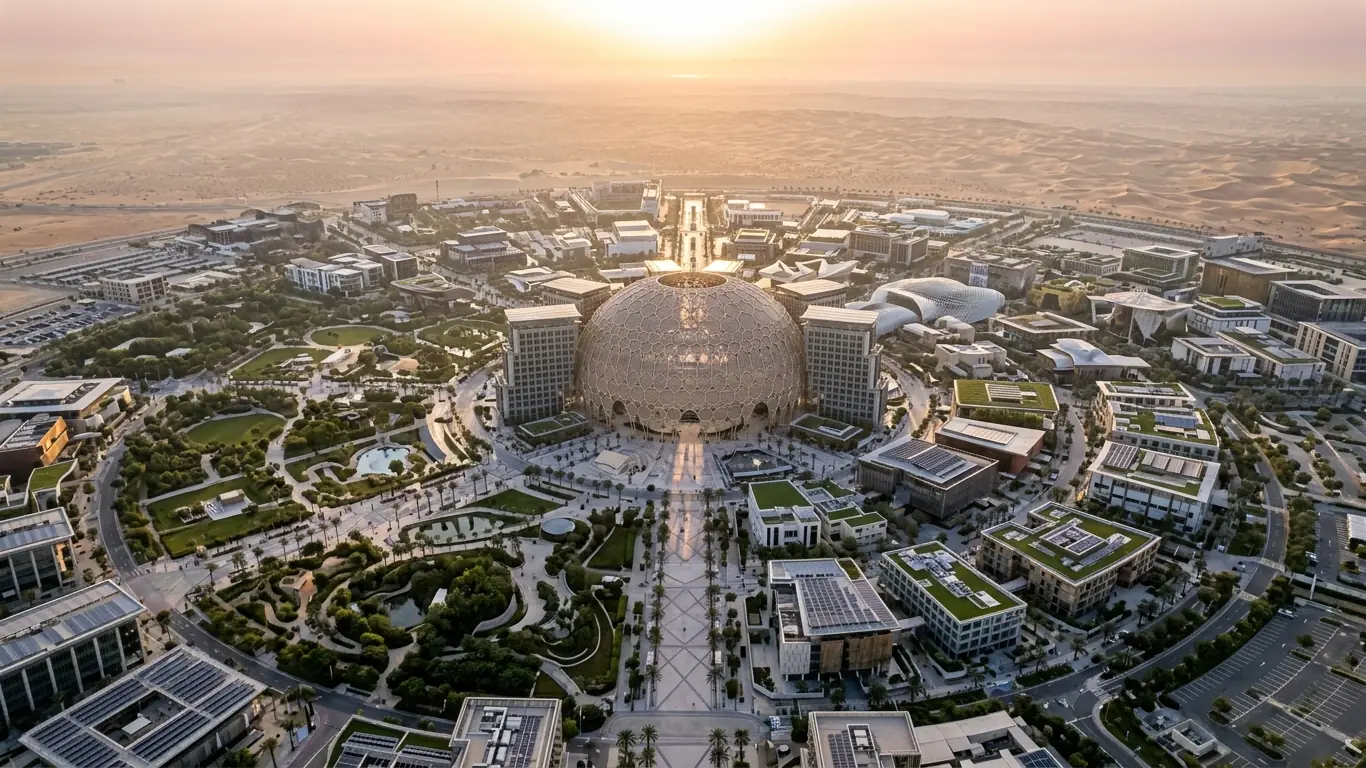
Expo City Proximity and the Dubai Real Estate Market
Expo City in Dubai and the property market around it: demand, price drivers, infrastructure, investment opportunities and risks such as oversupply.
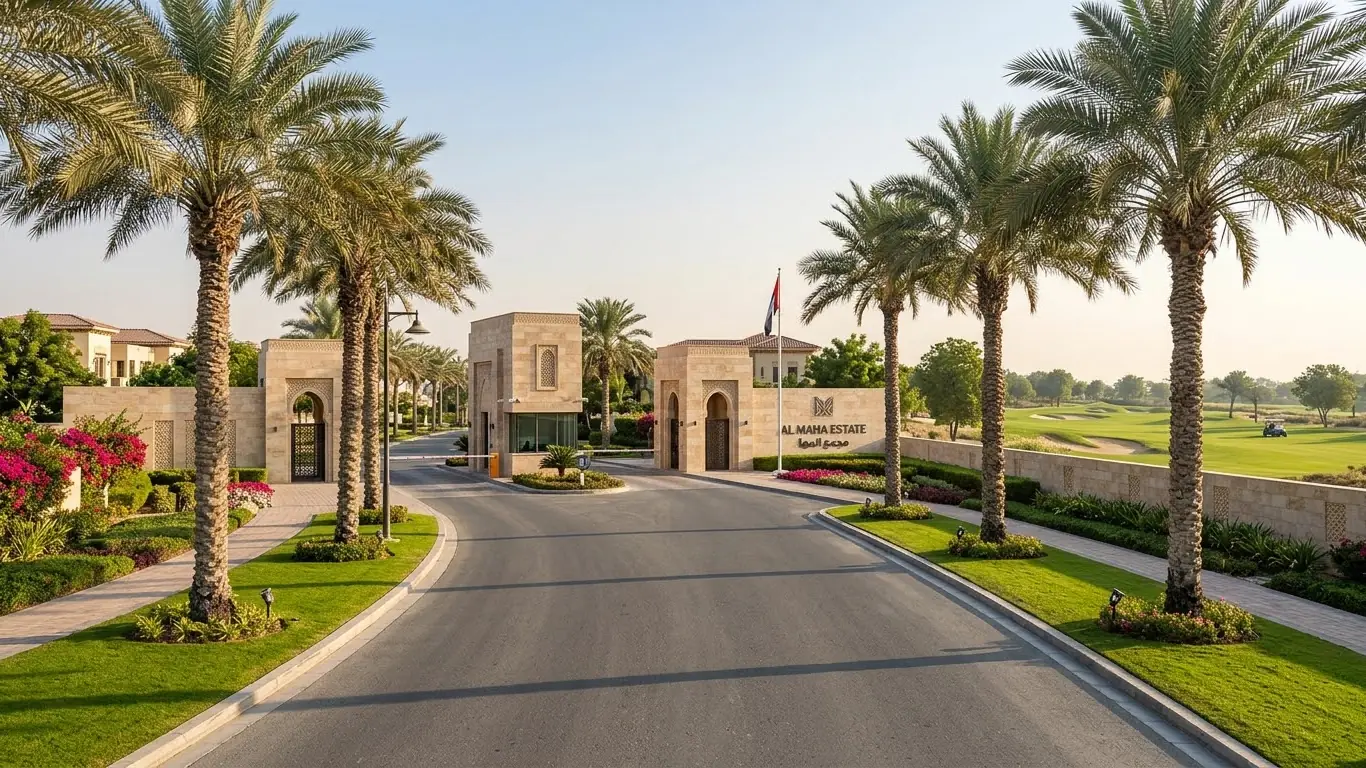
Exclusive Gated Communities in Dubai: Privacy and Security
Gated communities in Dubai: how privacy, security, amenities, technology and cost shape everyday life and property values in these exclusive enclaves.