Dubai Luxury Real Estate: Why Global Buyers Come
How freehold ownership, iconic architecture, a favorable tax environment and a rich lifestyle turned Dubai into a leading address for luxury property.
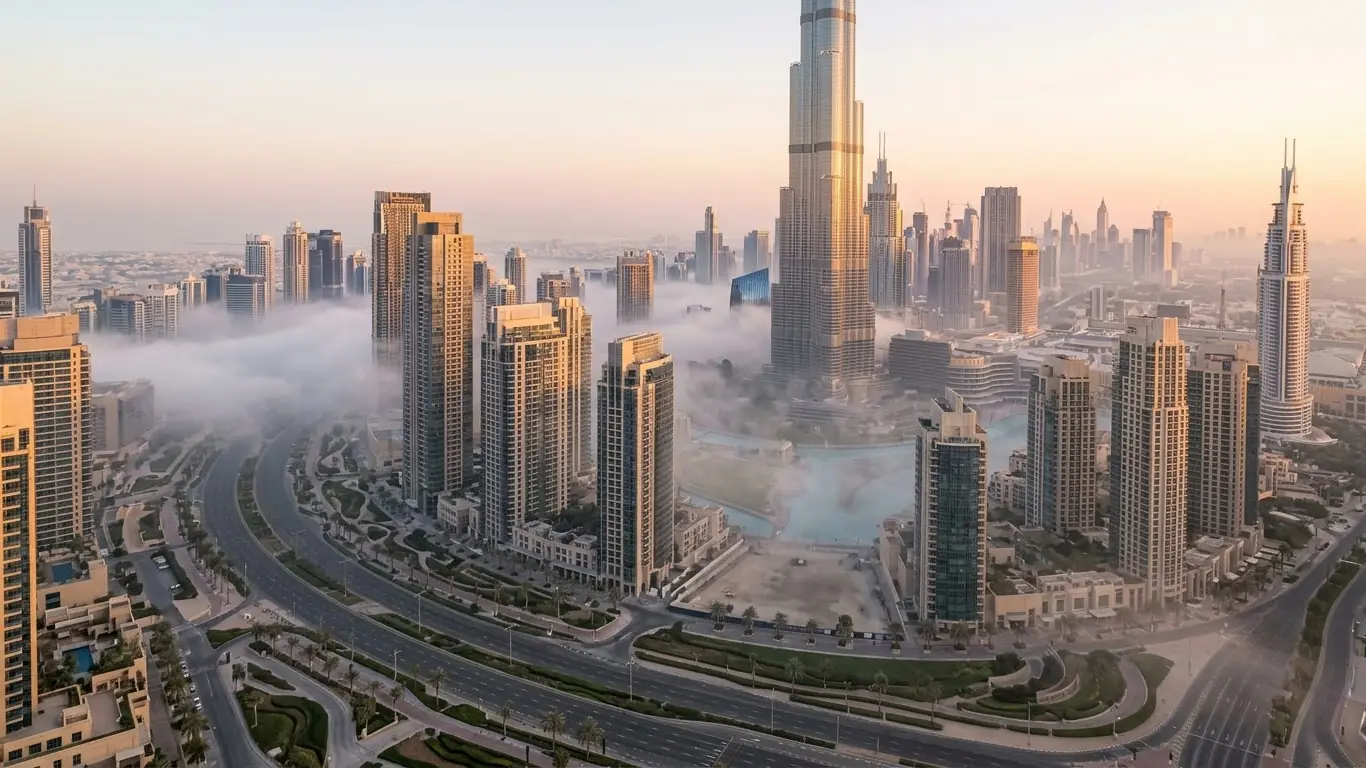

Dubai has grown from a modest trading port into one of the world’s most closely watched luxury property markets. Freehold ownership for foreigners, a business-friendly economy and a deliberate focus on design explain why wealthy buyers from many countries now look here. This article sets out the main drivers: location, architecture, tax framework, demand and lifestyle.
The introduction of freehold property ownership for expatriates in 2002 was the turning point. Foreign buyers could now purchase outright, and demand followed. The Burj Khalifa, the Palm Jumeirah and Dubai Marina have since become shorthand for luxury living and show how deliberately the city positions itself for affluent residents.
Investors from many countries look to Dubai for the combination of potential returns and a lifestyle few cities match. The skyline keeps changing, as new developments test the limits of design and engineering.
Key Takeaways
- Dubai’s luxury market has grown strongly and draws high-net-worth individuals from around the world.
- Location, a business-friendly environment and a luxurious lifestyle explain the city’s pull on high-net-worth individuals.
- Distinctive architecture and design set Dubai’s luxury properties apart internationally.
- A favorable tax environment and long-term residency options strengthen the investment case.
- Demand reflects Dubai’s role as a hub for business, tourism and high-end living.
Dubai’s Appeal for High-Net-Worth Individuals
Dubai sits at the crossroads of Europe, Asia and Africa, which makes it a practical base for global business. Modern airports and an extensive transport network keep it easily accessible for international travelers.
Its reputation as a safe and secure environment adds reassurance for property buyers. Day to day, the city offers luxury shopping, fine dining and a lively cultural scene, along with many prestigious brands and high-end boutiques.
Events and festivals devoted to art, music and gastronomy deepen that cultural offer. The combination of business opportunity and quality of life is what draws buyers who weigh both.
Architecture and Design of Dubai’s Luxury Properties
Architecture is among the defining features of Dubai’s luxury market. The skyline is dotted with structures that push the limits of creativity and engineering, from the height of the Burj Khalifa to the distinctive shape of the Burj Al Arab.
Developers have embraced new technology and sustainable practices. Luxury homes often feature interiors by renowned architects and designers, private pools, home automation and large terraces with views of the Arabian Gulf or the city skyline.
Attention to detail inside and out reflects a commitment to craft that discerning buyers recognize. Architecture is likely to remain a focal point of the market, valued for both aesthetics and function.
Dubai’s Tax Environment and Investment Opportunities
Dubai’s tax environment is a central argument for many buyers. There are no property taxes or capital gains taxes, and no inheritance tax, which matters to families planning to pass on wealth. Individual tax positions still deserve professional advice.
Policy reinforces the tax advantage. The government has introduced various initiatives to attract foreign investment in real estate, among them long-term residency visas for property owners, which have encouraged more individuals to buy luxury homes.
These visas offer expatriates stability and a way to put down roots. Investors weigh them alongside the potential for capital appreciation and rental income, though neither is assured.
Growing Demand for Luxury Properties in Dubai
Demand for luxury properties has risen steadily. Expatriates arriving for work have enlarged a population that values high-end living, and the city’s status as a business hub draws entrepreneurs and executives who want residences that reflect their success.
Remote work has also shifted priorities toward spacious homes with outdoor access. Buyers now look for comfort and convenience without giving up a luxurious lifestyle, which has lifted demand for villas and penthouses with private pools, gardens and generous living space.
Developers are responding with bespoke luxury properties tailored to these preferences.
Dubai in the Global Luxury Property Market
Dubai attracts investors from diverse backgrounds who want opportunities beyond their home markets. As a gateway between East and West, the city suits those looking to diversify a portfolio, and it has stayed resilient while global economic conditions shift.
Luxury property in Dubai is often seen as a safe haven in uncertain times. The city’s reputation for security and its legal framework reassure investors who want to protect assets, which is why buyers from regions facing political or economic uncertainty look here.
Lifestyle and Amenities in Dubai’s Luxury Developments
Many luxury properties sit within exclusive communities with private beaches, golf courses, spas and fitness centers. Concierge services handle residents’ requests, from private dining to leisure planning.
Beyond the amenities of individual properties, the city adds a lively scene of its own. Celebrity chefs run high-end restaurants, shopping malls carry designer brands, and galleries and museums broaden the cultural offer. Leisure options range from sailing along the coastline to desert excursions just outside the city.
Outlook for Dubai’s Luxury Real Estate Sector
Continued investment in infrastructure and urban planning is meant to strengthen the city’s appeal as a global destination. The government’s commitment to diversifying the economy beyond oil adds to investor confidence in the long-term viability of property investments, although no market is free of cycles. Sustainability is gaining weight as well, and developers increasingly incorporate green building practices. That matches the preferences of buyers who prioritize environmentally conscious living, and it points to developments that pair opulence with a lighter footprint.
More from Dubai

Dubai Luxury Real Estate Guide: Prices, Taxes, Outlook
Dubai luxury real estate guide: prime addresses from Palm Jumeirah to Downtown, branded residences, tax, transaction costs, Golden Visa and the 2026 outlook.
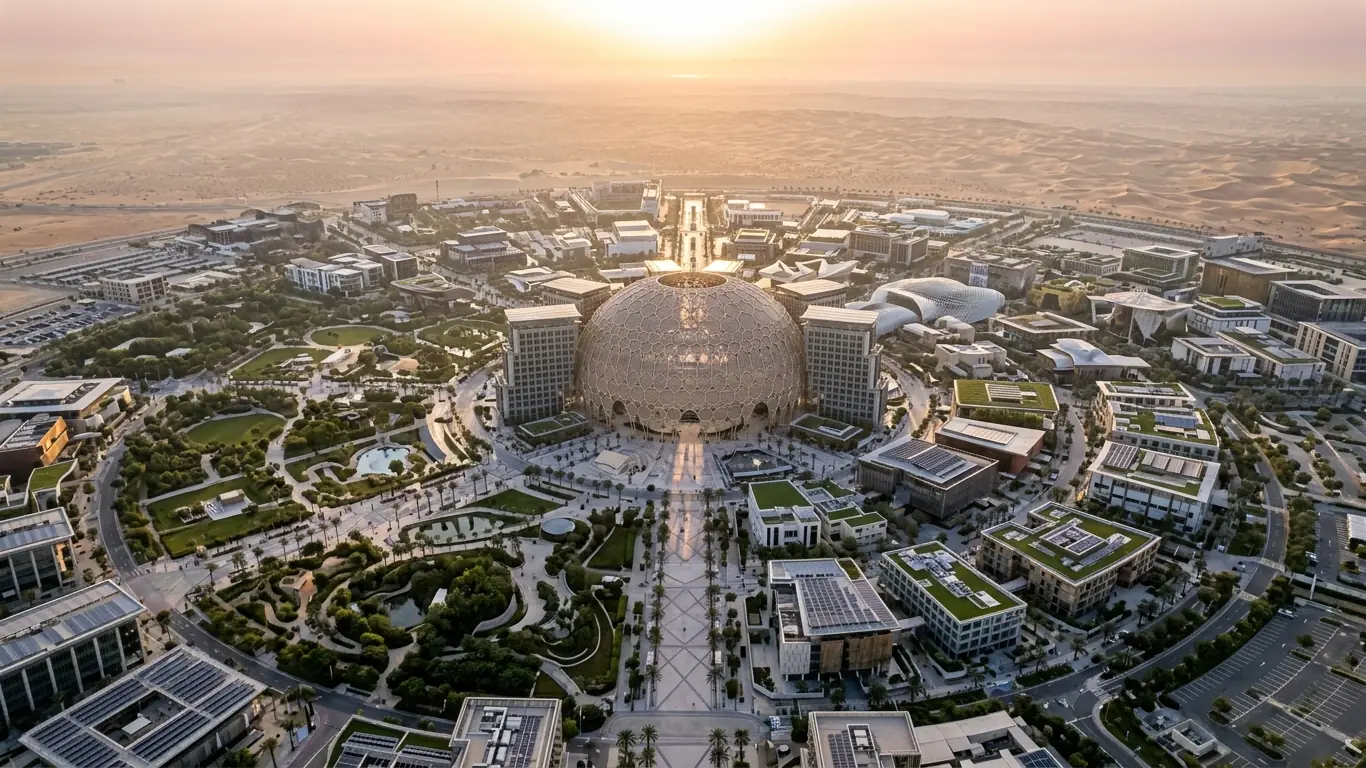
Expo City Proximity and the Dubai Real Estate Market
Expo City in Dubai and the property market around it: demand, price drivers, infrastructure, investment opportunities and risks such as oversupply.
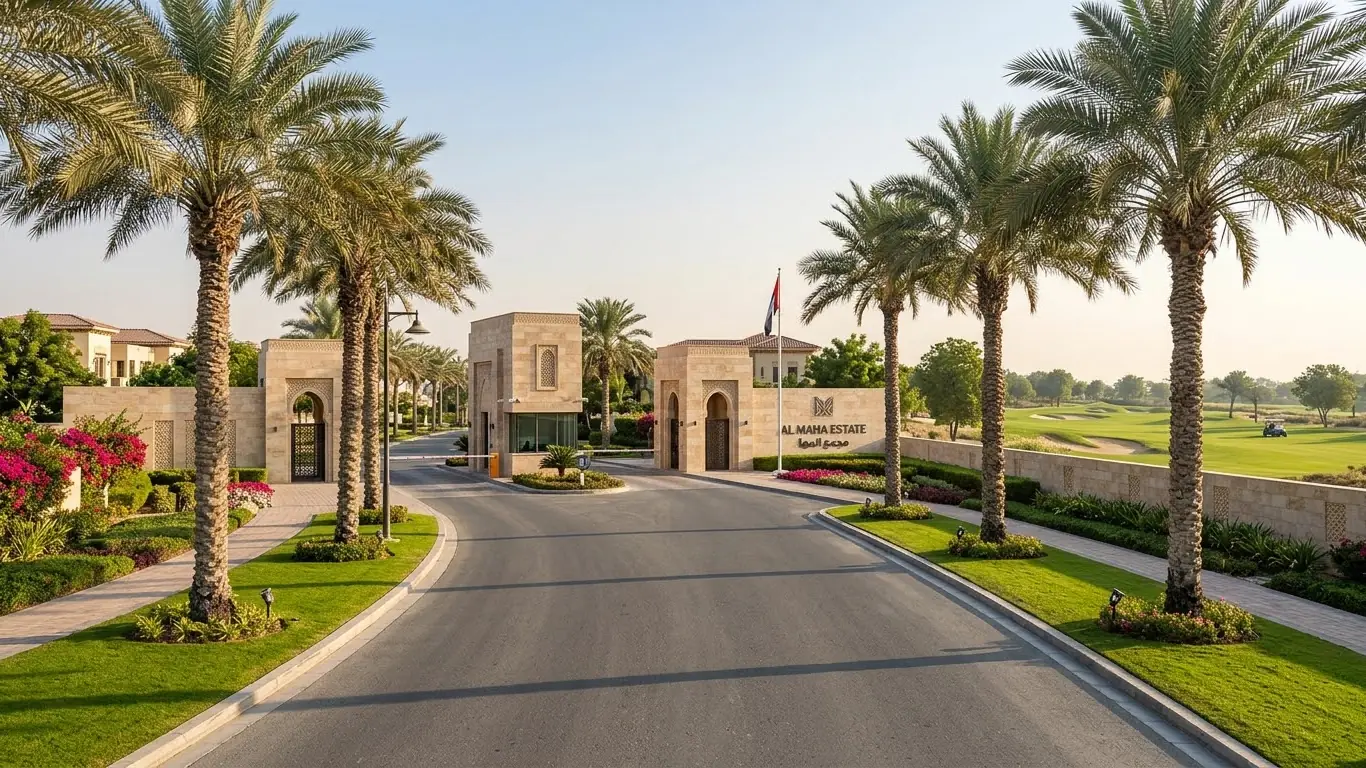
Exclusive Gated Communities in Dubai: Privacy and Security
Gated communities in Dubai: how privacy, security, amenities, technology and cost shape everyday life and property values in these exclusive enclaves.