Dubai Real Estate for Investors: Why the Market Appeals
Tax advantages, a diversified economy, strong infrastructure and clear ownership rules explain why Dubai real estate draws investors from abroad.

Dubai combines a business-friendly tax regime with state support for new ventures. There is no personal income tax, so individuals keep their earnings, which appeals to expatriates and entrepreneurs. The article follows the arguments that matter to property investors: economy, lifestyle, location, rental yields, stability and ownership rules.
Corporate tax rates are low, and many businesses in designated free zones are taxed at 0%. That environment encourages local and foreign investment, and the government has added initiatives to strengthen Dubai’s appeal as a business destination.
The Dubai Economic Department, for instance, offers startups and small businesses grants, subsidies and access to funding. These measures aim to stimulate innovation and make it easier for new ventures to establish themselves, and together with tax benefits they draw a diverse range of industries and professionals to the city.
Key Takeaways
- Tax benefits and incentives improve the financial case for property investment in Dubai.
- A growing, diversified economy creates opportunities for businesses and property investors.
- Luxury lifestyle and amenities attract high-end tenants and buyers.
- Strategic location and strong infrastructure support the market.
- Attractive rental yields are part of the case, though returns vary by area and over time.
Growing Economy and Business Opportunities
Over the past decades Dubai has grown from a modest trading port into a metropolis known for skyscrapers and luxury. Diversification reduced its reliance on oil revenues and opened sectors such as tourism, finance, technology and logistics, which now make the city a magnet for businesses seeking opportunity.
Innovation and technology add momentum. The Dubai Smart City project aims to integrate advanced technology into urban living, improving quality of life for residents and attracting tech-minded entrepreneurs, while incubators and accelerators give founders the resources they need.
Luxurious Lifestyle and Amenities
Dubai is closely associated with luxury: some of the world’s most opulent hotels, high-end shopping malls and gourmet dining. The Burj Al Arab and the Dubai Mall are the best-known examples of a level of luxury that is hard to find elsewhere.
World-class amenities support a high standard of living, and the cultural scene adds depth, with art galleries, theaters and music festivals that celebrate local and international talent.
A diverse population brings a wide range of traditions and lifestyles. Beach days, desert excursions and fine dining round out the offer.
Strategic Location and Infrastructure
Dubai lies at the crossroads of Europe, Asia and Africa, which makes it a natural hub for international trade and commerce. Dubai International Airport, one of the world’s busiest, serves as a major gateway for travelers and cargo.
Extensive road networks and modern ports give businesses seamless connectivity across the region. Heavy government investment in infrastructure, such as the Dubai Metro, has transformed public transportation for residents and tourists.
Ongoing logistics and transportation projects reinforce Dubai’s status as a global trade center, and together with robust infrastructure they position the city as a key player in the global economy.
Rental Yields and Investment Returns
Strong rental demand, fed by a growing population and an influx of expatriates, has pushed rents up in many areas. Rental yields are often described as higher than in other major cities, though they vary by neighborhood and over time, and returns are never assured.
The market has also shown resilience: despite fluctuations in global markets, the property sector has stayed comparatively stable over the years. Continued investment in infrastructure and amenities supports property values, which may favor long-term appreciation, although outcomes depend on the market cycle.
Political and Economic Stability
Political stability is one of Dubai’s key arguments for investors and businesses. A well-defined legal framework promotes transparency and protects investors’ rights, and the leadership has consistently combined economic growth with social stability.
This stable environment instills confidence and encourages businesses to establish and expand in the region. The economy has also shown resilience and adaptability. Diversification and investment in tourism, technology and finance have helped the emirate navigate global economic challenges. This proactive approach has drawn capital from around the world.
Diverse Real Estate Options
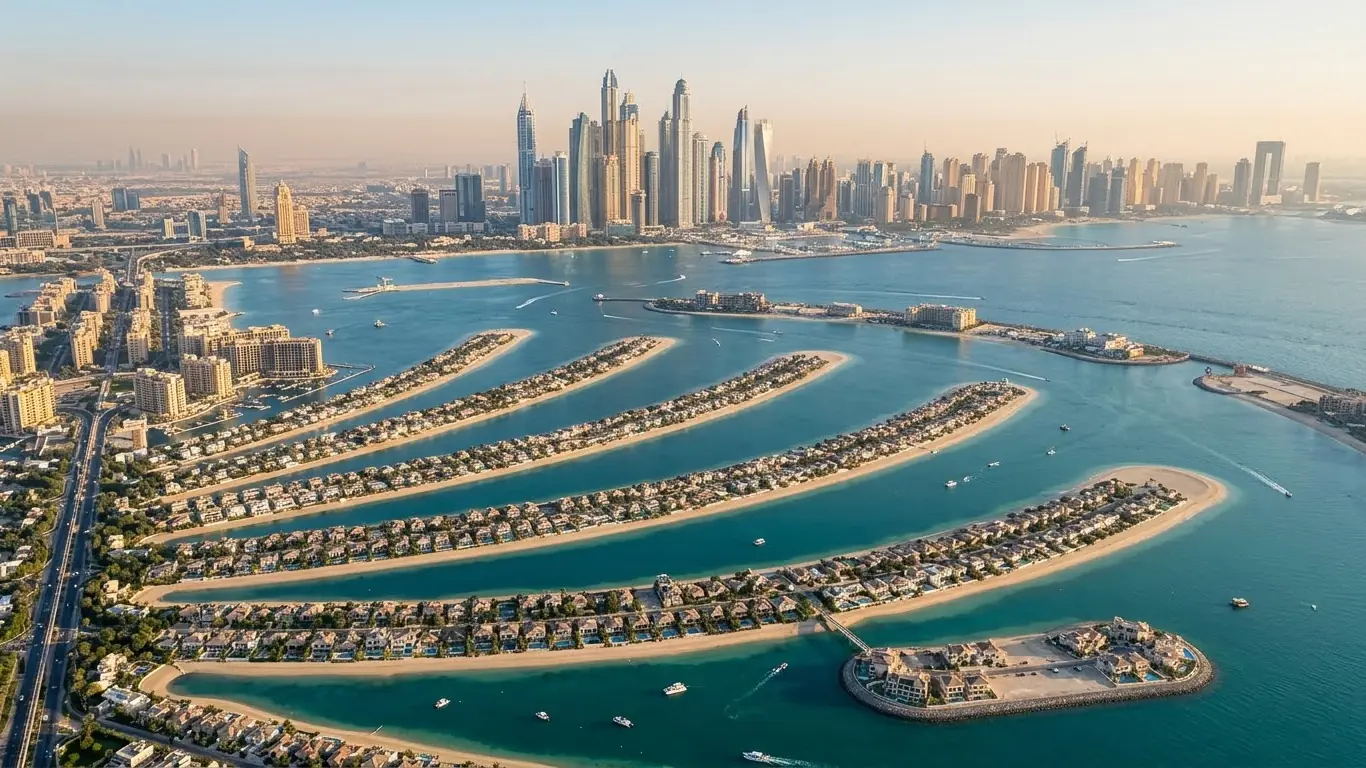
The range is wide: waterfront villas on Palm Jumeirah, modern apartments in urban centers such as Downtown Dubai, and options for most tastes and budgets. That breadth serves affluent buyers as well as middle-income families and expatriates looking for more affordable housing.
Commercial property is abundant too, from office buildings and retail spaces to industrial parks for businesses of all sizes. Investors can match a property to their goals, whether high-end luxury or more affordable options with rental potential.
Foreign Ownership Rights and Regulations
Progressive ownership laws make Dubai accessible to foreign investors. In recent years the government introduced measures that allow foreign nationals to own property outright in designated areas known as freehold zones, opening a route for expatriates to take a stake in the real estate market.
The regulatory framework is designed to protect both buyers and sellers. The Real Estate Regulatory Agency (RERA) oversees property transactions in Dubai, which supports transparency and fairness in the market and gives investors reassurance when they buy. Clear guidelines on ownership rights and responsibilities help foreign investors navigate the market with confidence. Taken together, favorable tax conditions, a diversified economy and a regulated ownership framework explain the interest from property investors, though each purchase still calls for individual due diligence.
More from Dubai

Dubai Luxury Real Estate Guide: Prices, Taxes, Outlook
Dubai luxury real estate guide: prime addresses from Palm Jumeirah to Downtown, branded residences, tax, transaction costs, Golden Visa and the 2026 outlook.
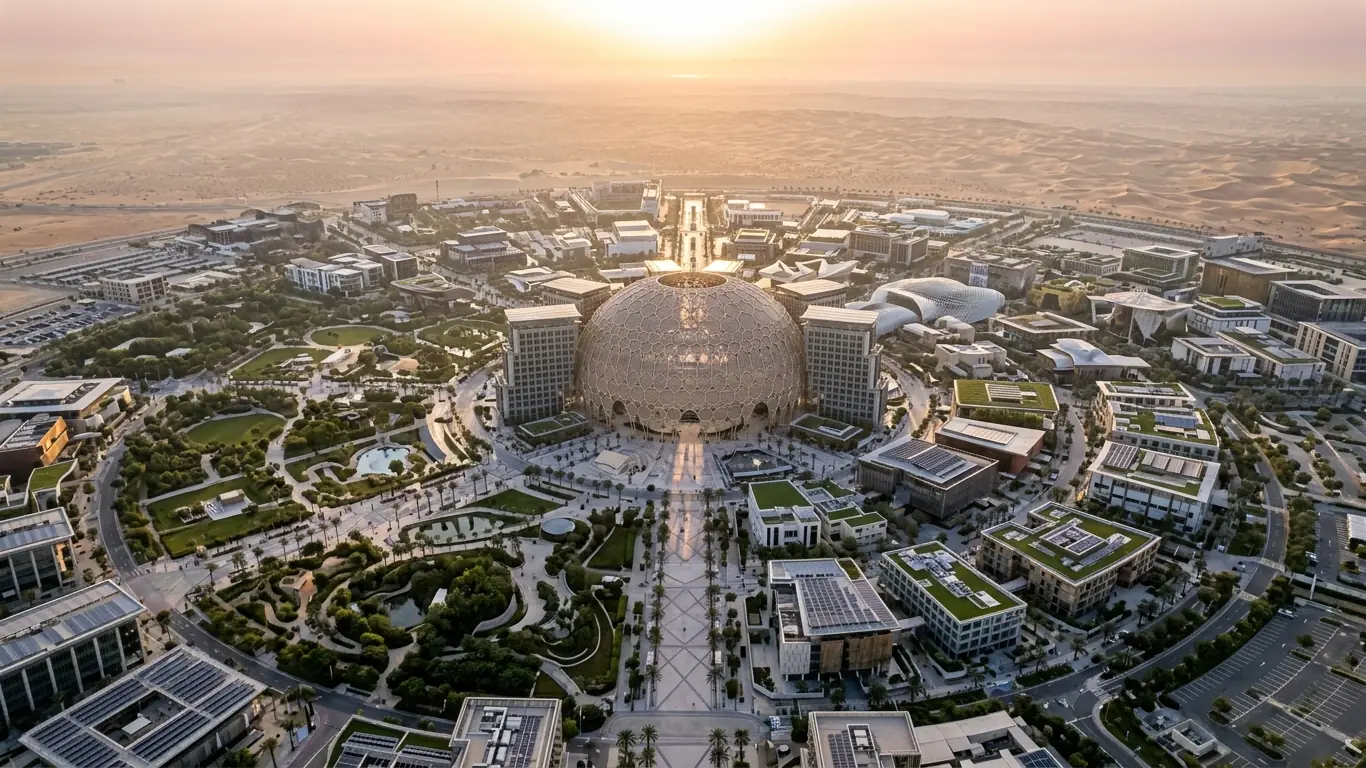
Expo City Proximity and the Dubai Real Estate Market
Expo City in Dubai and the property market around it: demand, price drivers, infrastructure, investment opportunities and risks such as oversupply.
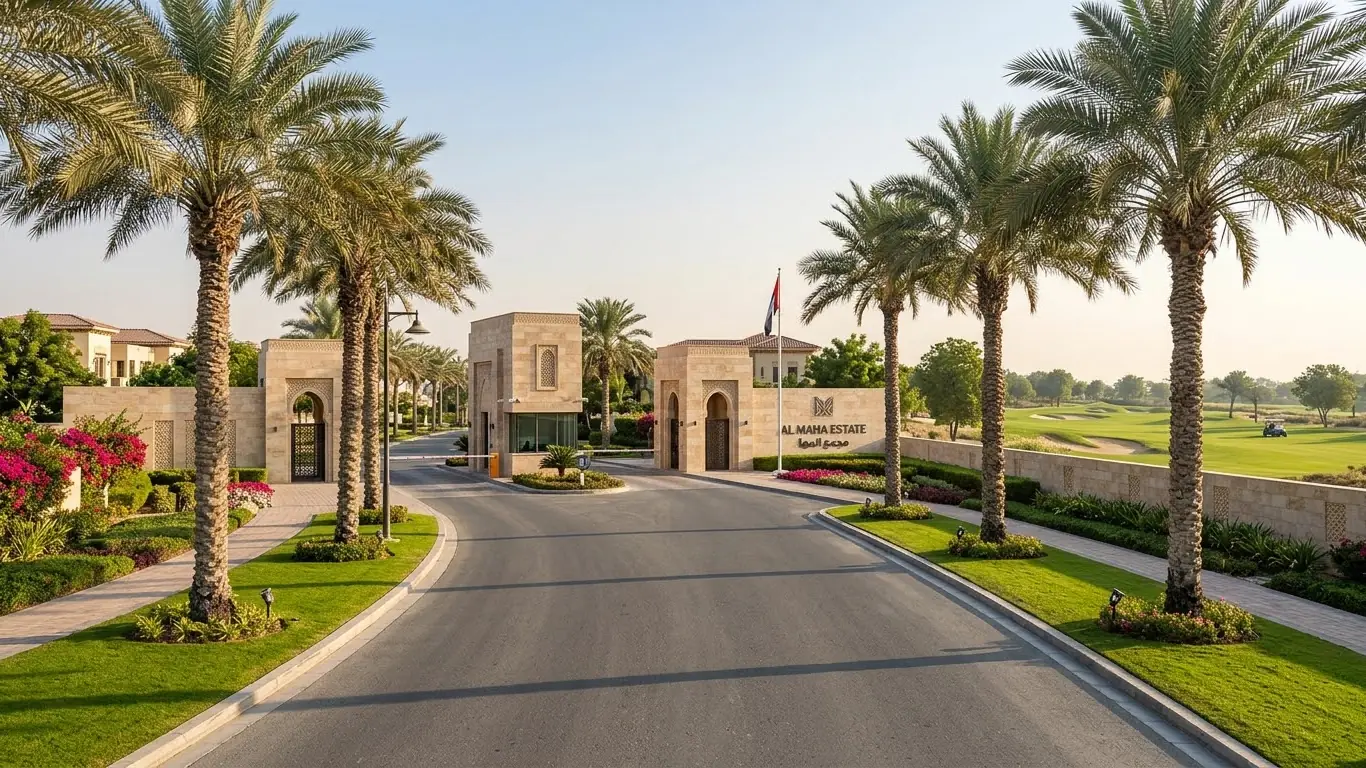
Exclusive Gated Communities in Dubai: Privacy and Security
Gated communities in Dubai: how privacy, security, amenities, technology and cost shape everyday life and property values in these exclusive enclaves.