Dubai as a Safe Market for Investors: Key Factors
Political stability, a diversified economy, clear regulation, low crime and a strategic location explain why investors regard Dubai as a secure market.
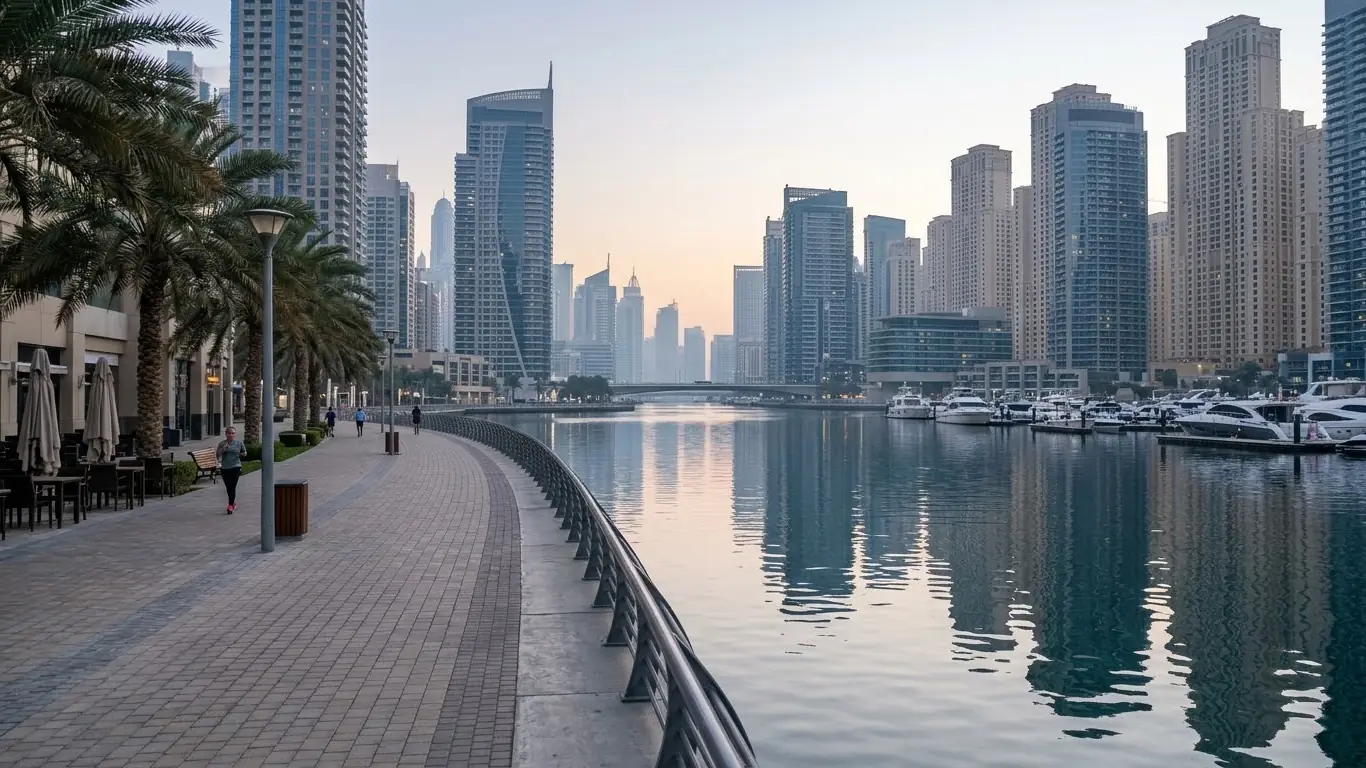

Dubai, one of the seven emirates of the United Arab Emirates (UAE), is known for a political stability that underpins its rapid development. Under the leadership of Sheikh Mohammed bin Rashid Al Maktoum, the emirate has built a governance model that emphasizes transparency, efficiency and progress, which has drawn foreign investment and given residents and businesses confidence.
Traditional governance meets modern administration, so the needs of a diverse population are met while social harmony is maintained. Strategic alliances and diplomatic relations add to the stability, and the UAE has positioned itself as a neutral ground in the Middle East that promotes peace and cooperation.
That diplomatic approach has given Dubai strong ties with global powers and strengthened its role as a hub for international business and tourism. Proactive measures to address potential challenges help keep the climate stable for expatriates and investors who seek a secure environment for their ventures.
Key Takeaways
- Political stability attracts foreign investment and supports economic growth.
- Economic diversification reduces reliance on a single industry and supports sustainable development.
- A strong regulatory framework gives investors a stable and predictable business environment.
- Low crime rates create a secure setting for people and businesses.
- A strategic location opens access to key markets and transportation routes.
Economic Diversification
Over the past decades, Dubai’s economy has moved from reliance on oil revenues to a diversified model. Leadership recognized the need for sustainable growth beyond hydrocarbons. Today the economy is driven by tourism, aviation, real estate, trade and financial services.
Strategic programs such as Dubai Vision 2021 and the Dubai Industrial Strategy 2030 aim to deepen diversification by promoting innovation and attracting investment in emerging industries. Tourism has become a significant contributor, with millions of visitors drawn to world-class attractions, luxury shopping and a lively cultural scene. Landmarks such as the Burj Khalifa and the Palm Jumeirah have become symbols of the economy’s reach.
Dubai’s standing as a global business hub has attracted multinational corporations and startups alike, creating an ecosystem for entrepreneurship and innovation. Diversification also increases resilience against fluctuations in global markets.
Strong Regulatory Framework
The emirate has built a comprehensive set of laws and regulations designed to protect investors’ rights while promoting fair competition. The Dubai Economic Department (DED) oversees business activity, ensures compliance with local law and facilitates the establishment of new enterprises.
Regulatory clarity lets businesses operate in a structured environment and reduces the risks that come with uncertainty. Continuous efforts to streamline processes and reduce bureaucratic hurdles carry this work forward, and programs such as “Dubai 10X” aim to bring the emirate to the forefront of innovation through advanced technology in governance.
This approach attracts foreign direct investment and supports local entrepreneurs, and it has made Dubai synonymous with business-friendly regulation.
Low Crime Rates
Low crime rates are among the most appealing aspects of living and working in Dubai. The emirate is regularly counted among the safest cities in the world, owing to effective law enforcement and community-oriented policing. The Dubai Police are known for professionalism and use advanced technology and surveillance systems to deter criminal activity.
This sense of security reassures residents and raises Dubai’s attractiveness for tourists and expatriates. Strict laws and regulations contribute to it: the legal system in the UAE takes a firm approach to crime, with strict penalties for offenses ranging from theft to drug-related crimes.
Strategic Location
Dubai lies at the crossroads of Europe, Asia and Africa and serves as a gateway for trade and commerce between these regions. With proximity to major markets and established trade routes, it has become a vital center for logistics and transportation, which makes it a practical base for companies expanding internationally.
Dubai International Airport (DXB) is one of the busiest airports globally and a major transit point for international travelers. The Port of Jebel Ali, one of the largest ports in the Middle East, reinforces the city’s role in global trade. This advantage attracts multinational corporations and encourages local businesses to engage in international trade.
Robust Infrastructure
Modern facilities support many sectors of the economy. An extensive network of roads, highways and public transportation connects the city seamlessly, and the Dubai Metro has changed urban travel for residents and visitors, offering efficient and convenient options.
Sustainability shapes infrastructure projects too, with initiatives to reduce carbon emissions and promote green building practices.
Tax Incentives
A favorable tax regime is a key factor for businesses. The emirate offers various incentives to encourage investment and entrepreneurship, and there is no personal income tax or capital gains tax, so individuals and businesses retain more of their earnings.
This environment has helped attract expatriates and multinational corporations. Free zones across Dubai add further benefits, including 100% foreign ownership and exemption from import and export duties, and they serve specific industries such as technology, media, finance and logistics, creating specialized ecosystems for innovation and collaboration.
Pro-Business Environment
Dubai supports entrepreneurship and innovation across sectors. The government backs startups with funding programs, incubators and accelerators that provide resources and mentorship, which gives founders the tools to succeed.
Dubai also embraces emerging technologies such as artificial intelligence (AI), blockchain and fintech, and has launched initiatives to integrate them into various sectors, improving efficiency and competitiveness. This climate draws local talent as well as international experts seeking opportunities in cutting-edge industries.
More from Dubai

Dubai Luxury Real Estate Guide: Prices, Taxes, Outlook
Dubai luxury real estate guide: prime addresses from Palm Jumeirah to Downtown, branded residences, tax, transaction costs, Golden Visa and the 2026 outlook.
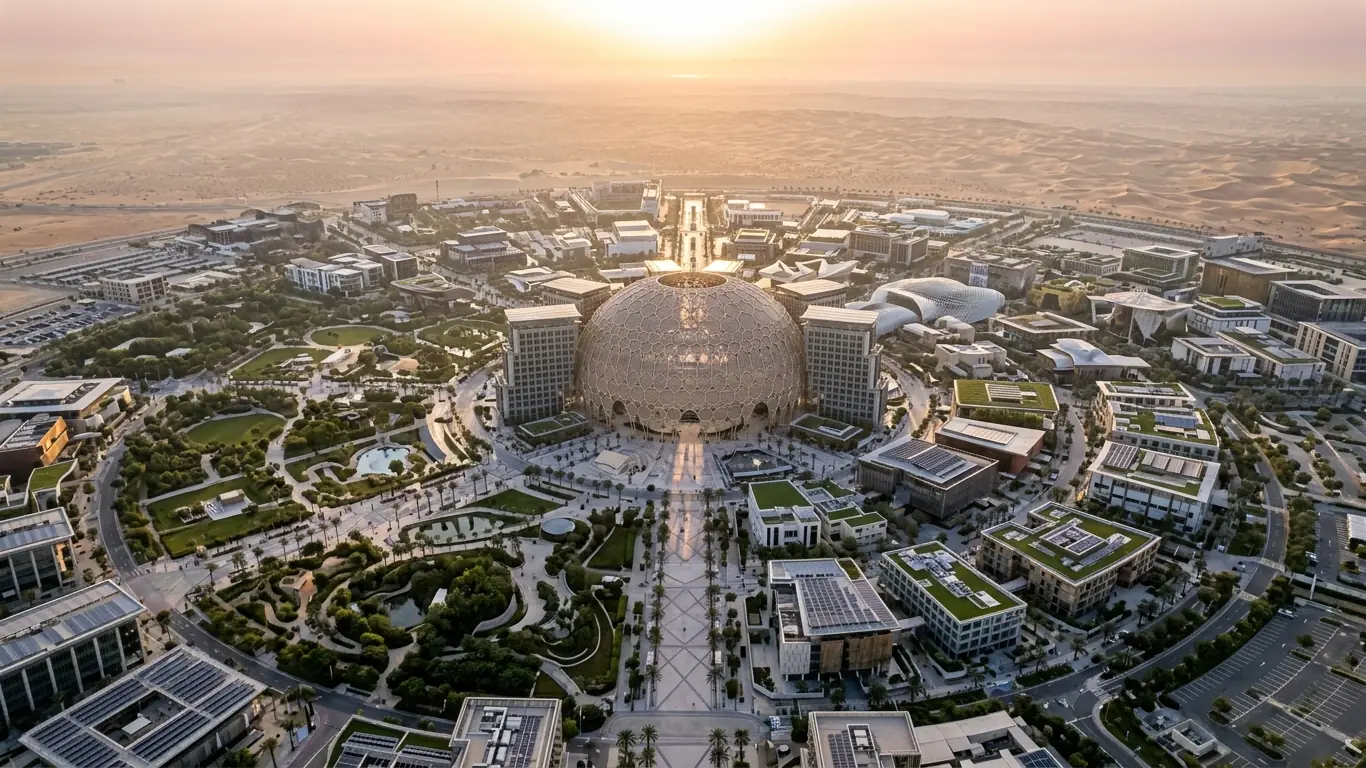
Expo City Proximity and the Dubai Real Estate Market
Expo City in Dubai and the property market around it: demand, price drivers, infrastructure, investment opportunities and risks such as oversupply.
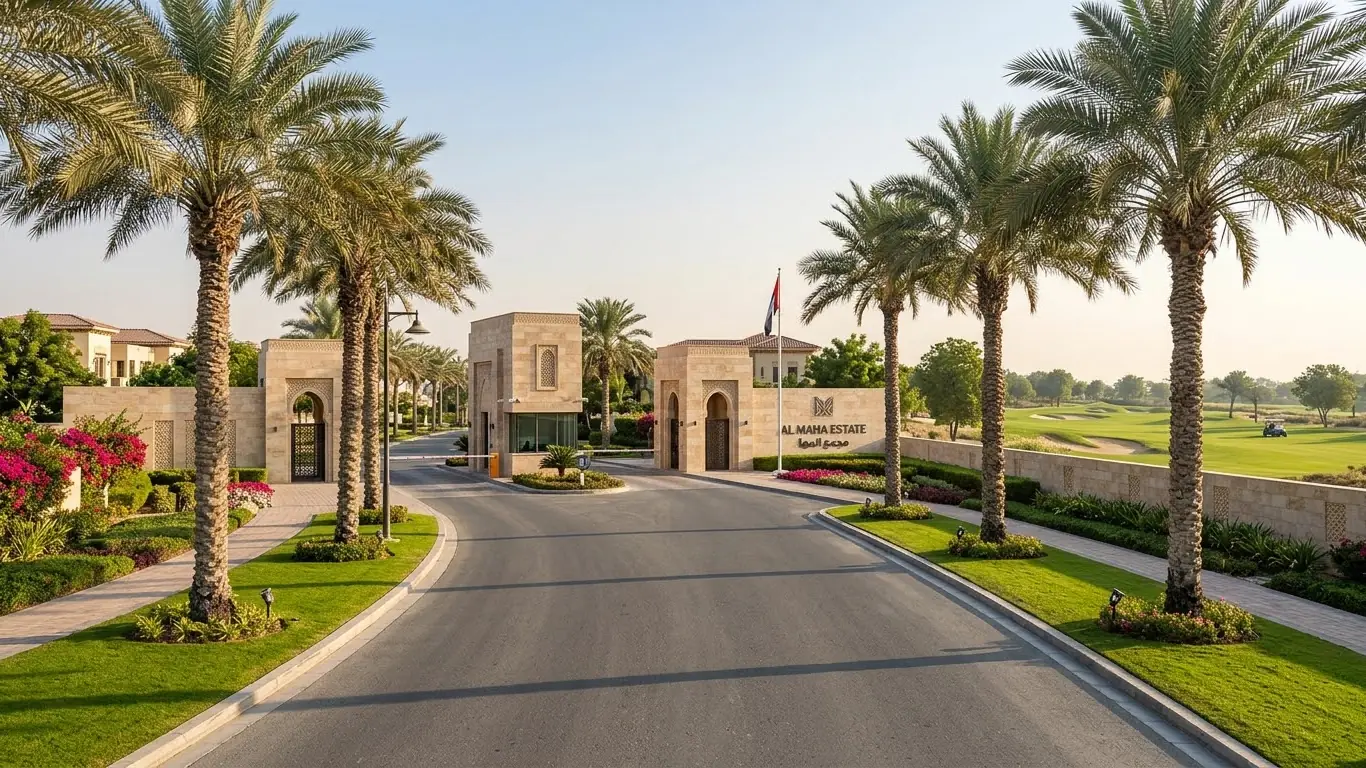
Exclusive Gated Communities in Dubai: Privacy and Security
Gated communities in Dubai: how privacy, security, amenities, technology and cost shape everyday life and property values in these exclusive enclaves.