Dubai · 25.20°N 55.27°E · File 846
Why Dubai Remains a Secure Market for Long-Term Value Growth
Dubai has emerged as a beacon of economic stability in the Middle East, characterized by its robust financial framework and strategic initiatives. The emirate’s economy is pr…
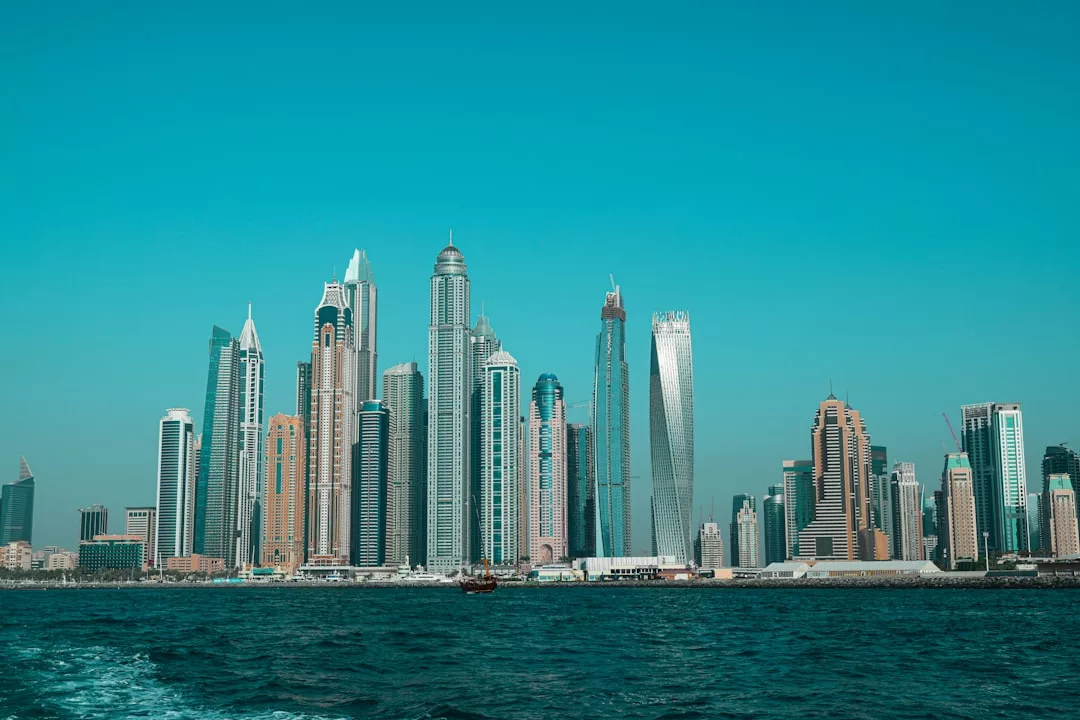
Dubai has emerged as a beacon of economic stability in the Middle East, characterized by its robust financial framework and strategic initiatives. The emirate’s economy is primarily driven by trade, tourism, aviation, and financial services, which have collectively contributed to its resilience against global economic fluctuations. Over the years, Dubai has successfully transformed itself from a modest trading port into a global city with a diverse economic base.
This transformation has been supported by prudent fiscal policies and a commitment to maintaining a stable currency, which has fostered investor confidence and attracted businesses from around the world. The emirate’s economic stability is further bolstered by its strategic location, serving as a gateway between the East and West. This advantageous position has made Dubai a vital hub for international trade, with its ports and airports facilitating the movement of goods and people.
The government’s proactive approach to economic management, including the establishment of free zones and tax incentives, has also played a crucial role in attracting foreign investment. As a result, Dubai has consistently ranked high on various global indices measuring economic competitiveness and ease of doing business, reinforcing its status as a stable and attractive destination for investors.
Key Takeaways
- Economic stability is crucial for attracting foreign investment and promoting growth in a country.
- Government support and policies play a key role in creating a favorable environment for businesses and investors.
- Diversification of industries can help reduce reliance on a single sector and make the economy more resilient.
- Infrastructure development is essential for supporting business activities and improving overall economic competitiveness.
- Real estate regulations can impact the attractiveness of a country for foreign investors and businesses.
Government Support and Policies
The government of Dubai has been instrumental in creating an environment conducive to business growth and economic development. Through a series of forward-thinking policies and initiatives, the leadership has demonstrated a commitment to fostering innovation and entrepreneurship. The Dubai Economic Department (DED) plays a pivotal role in this regard, providing support to businesses through streamlined licensing processes, regulatory frameworks, and access to funding.
This proactive approach not only simplifies the establishment of new enterprises but also encourages existing businesses to expand their operations. Moreover, the government has launched various initiatives aimed at enhancing the emirate’s competitiveness on the global stage. Programs such as the Dubai 2040 Urban Master Plan outline ambitious goals for sustainable development, urban planning, and economic diversification. This long-term vision is complemented by investments in education and workforce development, ensuring that the local population is equipped with the skills necessary to thrive in an evolving economy.
Diversification of Industries
One of the hallmarks of Dubai’s economic strategy is its commitment to diversifying industries beyond oil dependency. While oil revenues played a significant role in the emirate’s early development, the government recognized the need to pivot towards a more sustainable economic model. As a result, sectors such as tourism, aviation, logistics, and technology have gained prominence in recent years.
The tourism sector, in particular, has flourished, with Dubai becoming one of the world’s most sought-after destinations for leisure and business travelers alike. The diversification strategy has not only mitigated risks associated with fluctuating oil prices but has also created new opportunities for growth. The establishment of free zones dedicated to specific industries, such as Dubai Media City for media and entertainment or Dubai Internet City for technology, has attracted both local and international companies seeking to capitalize on the emirate’s strategic advantages.
This focus on industry diversification has positioned Dubai as a dynamic economy capable of adapting to changing global trends while fostering innovation and entrepreneurship.
Infrastructure Development
Dubai’s infrastructure development is nothing short of remarkable, reflecting the emirate’s ambition to be at the forefront of global cities. The government has invested heavily in creating world-class infrastructure that supports its economic activities and enhances the quality of life for residents and visitors alike. From state-of-the-art airports to an extensive road network and public transportation systems, Dubai’s infrastructure is designed to facilitate seamless connectivity and accessibility.
The iconic Burj Khalifa, the tallest building in the world, stands as a testament to Dubai’s architectural prowess and commitment to innovation. Additionally, projects like the Dubai Metro have revolutionized public transport in the city, providing efficient alternatives for commuting while reducing traffic congestion. The ongoing development of smart city initiatives further underscores Dubai’s dedication to leveraging technology for improved urban living.
These infrastructure advancements not only enhance the emirate’s appeal as a business hub but also contribute significantly to its overall economic growth.
Real Estate Regulations
The real estate sector in Dubai has witnessed significant growth over the past few decades, driven by both local demand and foreign investment. To ensure a stable and transparent market, the government has implemented comprehensive regulations governing property ownership, leasing, and development. The introduction of laws allowing foreign ownership of property has been particularly impactful, attracting investors from around the globe who seek to capitalize on Dubai’s thriving real estate market.
Regulatory bodies such as the Dubai Land Department (DLD) play a crucial role in overseeing real estate transactions and ensuring compliance with established guidelines. The DLD’s efforts to digitize property transactions have streamlined processes for buyers and sellers alike, enhancing transparency and efficiency in the market. Furthermore, initiatives aimed at promoting affordable housing options reflect the government’s commitment to addressing the needs of its diverse population while maintaining a balanced real estate landscape.
International Business Hub
Dubai’s strategic location and business-friendly environment have positioned it as an international business hub that attracts companies from various sectors. The emirate serves as a gateway to markets in Europe, Asia, and Africa, making it an ideal base for businesses looking to expand their reach. The presence of numerous free zones allows companies to operate with minimal restrictions while benefiting from tax exemptions and full ownership rights.
The city’s commitment to fostering innovation is evident in initiatives such as Dubai Startup Hub, which supports entrepreneurs through mentorship programs, funding opportunities, and networking events. Additionally, events like Expo 2020 (held in 2021 due to pandemic delays) showcased Dubai’s capabilities as a global business center while promoting collaboration among nations. This emphasis on international cooperation has further solidified Dubai’s reputation as a premier destination for businesses seeking growth opportunities in an increasingly interconnected world.
Quality of Life
Beyond its economic prowess, Dubai offers an exceptional quality of life that attracts expatriates from around the globe. The emirate boasts a cosmopolitan lifestyle characterized by diverse cultural experiences, world-class dining options, and recreational activities that cater to all interests. From luxurious shopping malls to pristine beaches and vibrant nightlife, residents enjoy a lifestyle that seamlessly blends modernity with tradition.
Education and healthcare are also prioritized in Dubai, with numerous international schools and top-tier medical facilities available to residents. The government’s investment in public services ensures that residents have access to high-quality amenities that enhance their overall well-being. Furthermore, safety and security are paramount in Dubai, contributing to a sense of community and stability that residents cherish.
This combination of factors makes Dubai not only an attractive destination for professionals but also a desirable place for families seeking a high standard of living.
Foreign Investment Opportunities
Dubai’s open economy and favorable investment climate present numerous opportunities for foreign investors looking to tap into emerging markets. The government’s commitment to attracting foreign direct investment (FDI) is evident through various initiatives aimed at simplifying regulations and providing incentives for investors. Sectors such as technology, renewable energy, healthcare, and tourism are particularly appealing due to their growth potential.
The establishment of investment funds and partnerships with international organizations further enhances Dubai’s attractiveness as an investment destination. Additionally, events like the Global Investment Forum provide platforms for networking and collaboration among investors from different regions. As global markets continue to evolve, Dubai remains well-positioned to capitalize on emerging trends while offering foreign investors a stable environment conducive to long-term growth.
In conclusion, Dubai stands as a testament to what visionary leadership can achieve through strategic planning and unwavering commitment to progress. Its economic stability, supportive government policies, industry diversification efforts, robust infrastructure development, transparent real estate regulations, status as an international business hub, high quality of life, and abundant foreign investment opportunities collectively contribute to its reputation as one of the world’s most dynamic cities. As it continues to evolve and adapt to changing global landscapes, Dubai remains an inspiring example of resilience and innovation in the face of challenges.
Same market
More from Dubai

Dubai · 14 min
Dubai Luxury Real Estate Guide
Dubai luxury real estate guide: 2025 prices for Palm Jumeirah, Emirates Hills and Downtown villas, zero-tax benefits, Golden Visa and the 2026 market …

Dubai · 6 min
The Impact of Expo City Proximity on Real Estate Market
Expo City, a vibrant hub of innovation and culture, has emerged as a focal point for global attention since the World Expo 2020 was held there. Locate…
Dubai · 6 min
Exclusive Gated Communities in Dubai: Privacy and Security
In recent years, Dubai has witnessed a remarkable transformation in its real estate landscape, particularly with the emergence of exclusive gated comm…