Mallorca · 39.62°N 2.99°E · File 318
The Advantages of Historic Architecture in Real Estate
The preservation of cultural heritage is a vital endeavor that safeguards the identity and history of communities. This process involves maintaining and restoring buildings, monume…
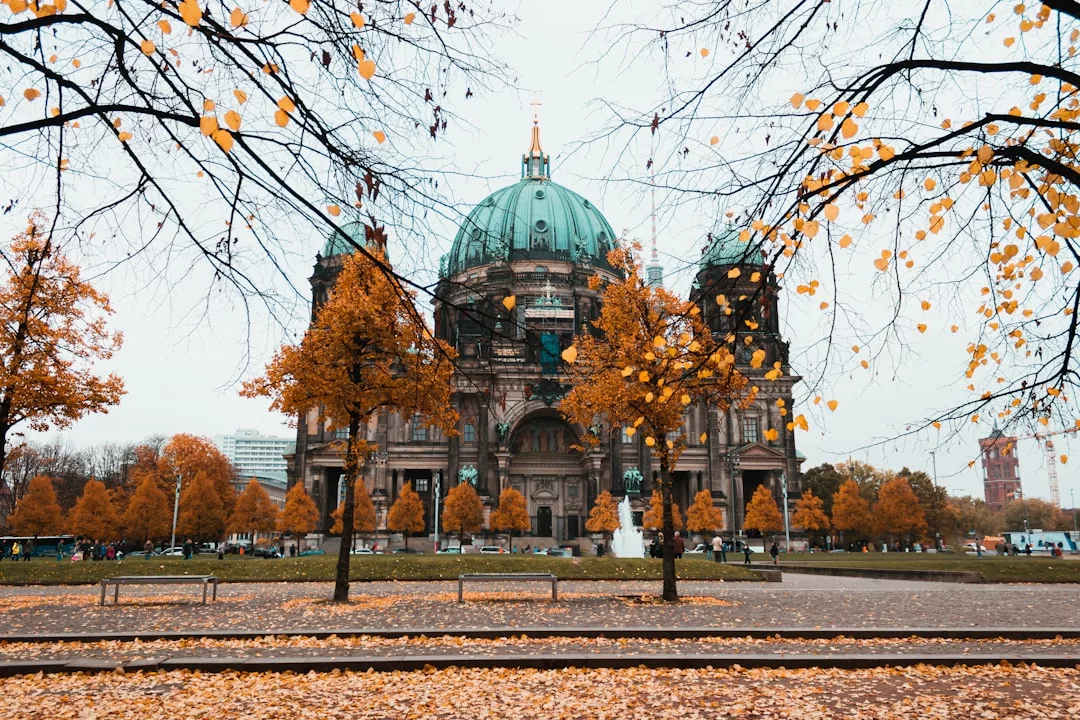
The preservation of cultural heritage is a vital endeavor that safeguards the identity and history of communities. This process involves maintaining and restoring buildings, monuments, and sites that hold significant historical, architectural, or cultural value. By preserving these structures, we not only honor the past but also provide future generations with a tangible connection to their history.
For instance, the restoration of historic districts in cities like New Orleans and Charleston has allowed these areas to retain their unique character while also serving as educational resources for residents and visitors alike. The architectural styles, materials, and craftsmanship of these buildings tell stories of the people who lived there, reflecting their values, traditions, and aspirations. Moreover, the preservation of cultural heritage fosters a sense of pride among community members.
When individuals see their local history being honored and maintained, it cultivates a deeper appreciation for their surroundings. This pride can lead to increased community engagement, as residents become more invested in local initiatives aimed at preserving their heritage. Events such as heritage festivals or open house days at historic sites can draw attention to the importance of these structures, encouraging people to learn more about their history and participate in preservation efforts.
In this way, cultural heritage preservation becomes a communal activity that strengthens social bonds and enhances the overall quality of life in a community.
Key Takeaways
- Preservation of Cultural Heritage: Renovating and repurposing historic buildings helps to preserve the cultural heritage and history of a community.
- Unique Aesthetic Appeal: Historic buildings often have unique architectural features and a sense of character that adds to the aesthetic appeal of a neighborhood.
- Increased Property Value: Renovating historic buildings can lead to increased property values and contribute to the overall economic development of an area.
- Sustainability and Eco-Friendly Design: Adaptive reuse of historic buildings promotes sustainability by reducing the need for new construction and utilizing existing resources.
- Connection to the Past: Renovating historic buildings allows for a connection to the past and a sense of continuity with the community’s history.
Unique Aesthetic Appeal
The unique aesthetic appeal of historic buildings is one of the most compelling reasons for their preservation. These structures often showcase architectural styles that are no longer prevalent, offering a glimpse into the artistic sensibilities of past eras. From the intricate detailing of Victorian homes to the clean lines of mid-century modern designs, historic architecture provides a rich tapestry of visual interest that contemporary buildings often lack.
The craftsmanship involved in creating these structures is often unparalleled, with artisans employing techniques and materials that are not commonly used today. This results in buildings that possess a character and charm that new constructions struggle to replicate. Additionally, the aesthetic value of historic buildings contributes significantly to the overall ambiance of neighborhoods and cities.
Streets lined with beautifully preserved structures create an inviting atmosphere that attracts both residents and tourists. For example, the historic districts of Savannah, Georgia, are renowned for their stunning antebellum architecture, which draws visitors from around the world. The unique aesthetic appeal of these areas not only enhances the visual landscape but also supports local businesses by attracting foot traffic.
As people stroll through these picturesque streets, they are more likely to stop at shops, cafes, and galleries, thereby stimulating the local economy.
Increased Property Value
Investing in the preservation of historic properties can lead to increased property values over time. As communities prioritize the maintenance and restoration of their historic buildings, the desirability of these areas often rises. Homebuyers are frequently drawn to neighborhoods with a rich architectural heritage, as they offer a unique living experience that modern developments cannot match.
Properties in historic districts tend to appreciate at a higher rate than those in more contemporary areas, making them a sound investment for homeowners and investors alike. This trend is evident in cities like San Francisco and Boston, where historic homes command premium prices due to their charm and character. Furthermore, the revitalization of historic neighborhoods can lead to broader economic benefits for the community.
As property values increase, so too do property tax revenues, which can be reinvested into local infrastructure and services. This creates a positive feedback loop: as neighborhoods become more attractive due to preservation efforts, they draw in new residents and businesses, further enhancing property values. Additionally, well-preserved historic properties can serve as anchors for community development initiatives, encouraging further investment in surrounding areas and contributing to a vibrant local economy.
Sustainability and Eco-Friendly Design
The principles of sustainability are increasingly being integrated into the preservation of historic buildings. Many older structures were built using durable materials and traditional construction techniques that have stood the test of time. By preserving these buildings rather than demolishing them, communities can reduce waste and minimize their environmental impact.
The process of tearing down a building generates significant amounts of debris that often end up in landfills; conversely, restoration allows for the reuse of existing materials and resources. This approach aligns with eco-friendly design principles that prioritize conservation and resource efficiency. Moreover, retrofitting historic buildings with modern energy-efficient technologies can enhance their sustainability without compromising their architectural integrity.
For instance, installing energy-efficient windows or upgrading heating and cooling systems can significantly reduce energy consumption while maintaining the building’s historical character. Many preservationists advocate for “green” restoration practices that respect the original design while incorporating contemporary sustainability measures. This dual approach not only preserves cultural heritage but also contributes to broader environmental goals by reducing carbon footprints and promoting energy efficiency.
Connection to the Past
Historic buildings serve as physical reminders of our collective past, providing a sense of continuity in an ever-changing world. They embody stories of previous generations, reflecting societal values, technological advancements, and cultural shifts over time. Walking through a historic district can evoke feelings of nostalgia and connection to those who came before us.
For example, visiting a preserved colonial home allows individuals to imagine life in that era, fostering an appreciation for the struggles and triumphs of earlier inhabitants. This connection to the past enriches our understanding of history and informs our present-day identities. Furthermore, engaging with historic sites can enhance educational opportunities for communities.
Schools often organize field trips to local landmarks where students can learn about their town’s history firsthand. These experiences can ignite a passion for history among young people, encouraging them to explore their heritage further. By fostering this connection to the past, communities can cultivate a sense of responsibility toward preserving their cultural heritage for future generations.
This educational aspect underscores the importance of maintaining historic buildings as vital resources for learning and exploration.
Adaptive Reuse Opportunities
Adaptive reuse is an innovative approach that breathes new life into historic buildings by repurposing them for modern uses while retaining their original character. This practice not only preserves architectural heritage but also addresses contemporary needs within communities. For instance, many former factories have been transformed into loft apartments or creative office spaces, allowing urban areas to adapt to changing economic landscapes without sacrificing their historical significance.
The conversion of an old church into a community center or an art gallery exemplifies how adaptive reuse can serve both preservation goals and current community needs. The benefits of adaptive reuse extend beyond mere preservation; they also contribute to sustainable development practices by minimizing the need for new construction.
Cities like Detroit have embraced adaptive reuse as part of their revitalization efforts, transforming abandoned warehouses into vibrant mixed-use developments that attract new residents and businesses. This approach not only preserves historical architecture but also fosters economic growth by creating dynamic spaces that meet contemporary demands.
Enhanced Community Character
The presence of historic buildings significantly enhances the character of a community, contributing to its unique identity and sense of place. These structures often reflect the architectural styles and cultural influences that have shaped a region over time. As such, they become integral components of a community’s narrative, distinguishing it from others nearby.
For example, the distinctive adobe architecture found in Santa Fe is emblematic of its rich Native American and Spanish heritage, drawing visitors who seek an authentic experience rooted in local culture. Moreover, preserving historic buildings fosters a sense of belonging among residents. When individuals feel connected to their community’s history through its architecture, they are more likely to engage in local activities and initiatives aimed at enhancing community life.
This engagement can manifest in various ways: through participation in neighborhood associations or involvement in local events celebrating cultural heritage. The enhanced community character resulting from preserved historic buildings creates an inviting atmosphere that encourages social interaction and strengthens communal ties.
Potential Tax Incentives
One significant advantage associated with preserving historic properties is the potential for tax incentives offered by federal, state, and local governments. These incentives are designed to encourage property owners to invest in restoration efforts by providing financial relief through tax credits or deductions. For instance, the Federal Historic Preservation Tax Incentives program offers a 20% tax credit for the rehabilitation of certified historic structures used for income-producing purposes.
This financial support can significantly offset restoration costs, making it more feasible for property owners to undertake preservation projects. In addition to federal incentives, many states have implemented their own tax credit programs aimed at promoting historic preservation at the local level. These programs vary widely in terms of eligibility requirements and benefits but generally aim to stimulate investment in historic properties while preserving cultural heritage.
Local governments may also offer property tax abatements or grants for restoration projects within designated historic districts. By leveraging these financial incentives, property owners can not only contribute to preserving their community’s history but also enhance their own financial standing through increased property values resulting from successful restoration efforts.
Same market
More from Mallorca

Mallorca · 14 min
Luxury Finca Complete Guide
Luxury finca guide for Mallorca: prime locations, prices from 1.5M to 25M euros, restoration costs, water rights and a 7.2% growth rate driving this r…

Mallorca · 14 min
Mediterranean Villa Buying Guide
Mediterranean villa buying guide 2026: prices, yields and tax across Spain, France, Italy, Greece, Croatia and Montenegro in a 320 billion euro luxury…

Mallorca · 16 min
Mallorca Luxury Real Estate Guide
Mallorca luxury real estate guide: 2025 prices from 2 to 45 million euros, top areas like Portals Nous and Port d’Andratx, taxes, Golden Visa an…