Mallorca · 39.62°N 2.99°E · File 205
The Advantages of New Construction Projects vs. Existing Properties
Cost efficiency is a paramount consideration for many individuals and businesses when making significant investments, particularly in real estate and construction. The initial outl…
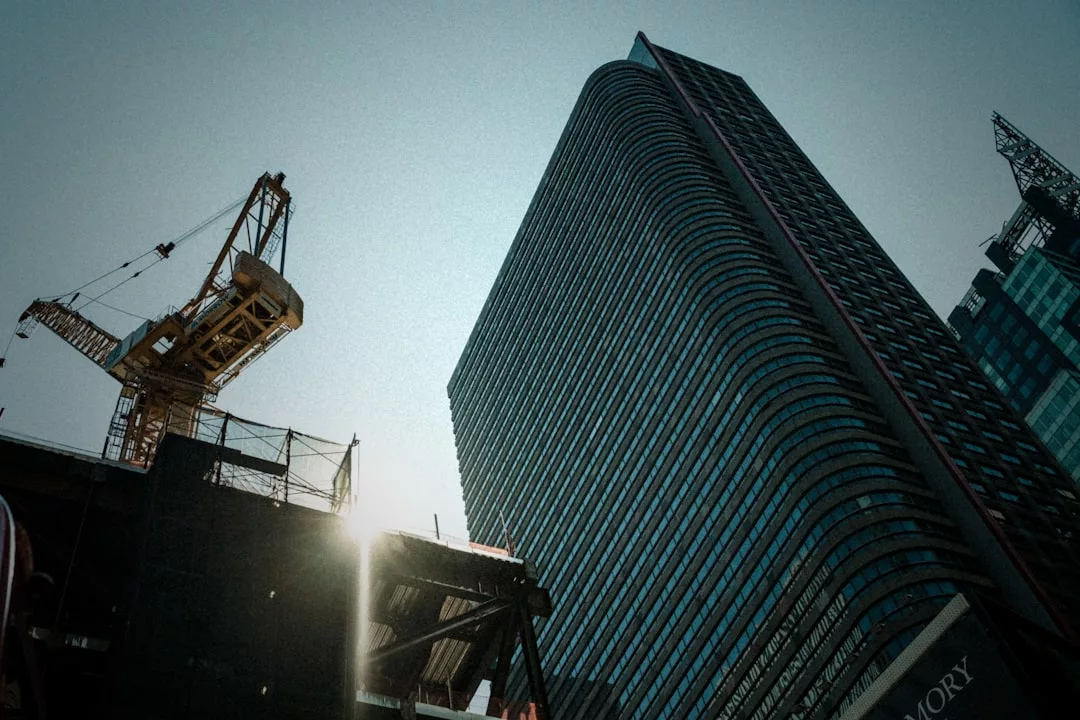
Cost efficiency is a paramount consideration for many individuals and businesses when making significant investments, particularly in real estate and construction. The initial outlay for a property or a building project can be daunting, but understanding the long-term financial implications can lead to more informed decisions. For instance, opting for a pre-fabricated home can significantly reduce costs associated with traditional construction methods.
These homes are built in sections in a factory setting, which minimizes labor costs and reduces waste. The streamlined process not only saves time but also allows for bulk purchasing of materials, further driving down expenses. Moreover, cost efficiency extends beyond the initial purchase or construction phase.
Ongoing operational costs, such as utilities and maintenance, play a crucial role in the overall financial picture. Energy-efficient appliances and systems can lead to substantial savings on monthly utility bills. For example, homes equipped with smart thermostats can optimize heating and cooling schedules based on occupancy patterns, resulting in lower energy consumption.
Additionally, properties that incorporate sustainable building materials often require less frequent repairs and replacements, contributing to long-term savings. By evaluating both upfront costs and ongoing expenses, buyers can make choices that enhance their financial stability over time.
Key Takeaways
- Cost efficiency is a key benefit of modern modular homes, with reduced construction time and lower labor costs.
- Customization options allow for personalized design and layout, catering to individual preferences and needs.
- Modern amenities and technology can be integrated into modular homes, offering convenience and comfort.
- Energy efficiency is a significant advantage, with the use of sustainable materials and energy-saving features.
- Lower maintenance and repair costs are a result of the high-quality construction and materials used in modular homes.
Customization Options
Customization options are increasingly becoming a key factor in the decision-making process for homebuyers and businesses alike. The ability to tailor a space to meet specific needs and preferences can significantly enhance the overall satisfaction with a property. For instance, many modern builders offer modular homes that allow buyers to select layouts, finishes, and features that align with their lifestyle.
This level of personalization not only creates a unique living environment but also ensures that the space functions optimally for its inhabitants. In commercial real estate, customization options can be equally vital. Businesses often require specific configurations to accommodate their operations effectively.
For example, a tech startup may need an open floor plan to foster collaboration among team members, while a law firm might prioritize private offices for client confidentiality. The flexibility to modify spaces according to operational needs can lead to increased productivity and employee satisfaction. Furthermore, customized spaces can reflect a brand’s identity, creating an environment that resonates with both employees and clients.
Modern Amenities and Technology
The integration of modern amenities and technology into residential and commercial properties has transformed the way people live and work. Smart home technology, for instance, has gained immense popularity, allowing homeowners to control lighting, security systems, and climate settings remotely through their smartphones. This level of convenience not only enhances comfort but also contributes to energy savings by enabling users to monitor and adjust their energy consumption in real-time.
In commercial settings, technology plays a crucial role in enhancing operational efficiency. Advanced building management systems can monitor energy usage, optimize HVAC performance, and even predict maintenance needs before they become critical issues. For example, sensors can detect occupancy levels in conference rooms and adjust lighting and temperature accordingly, ensuring that energy is not wasted when spaces are unoccupied.
Additionally, high-speed internet connectivity has become a non-negotiable amenity for businesses, enabling seamless communication and collaboration in an increasingly digital world.
Energy Efficiency
Energy efficiency is no longer just a trend; it has become a necessity in both residential and commercial real estate. With rising energy costs and growing environmental concerns, properties that prioritize energy-efficient designs and technologies are increasingly sought after. Features such as high-performance insulation, energy-efficient windows, and advanced HVAC systems can significantly reduce energy consumption while maintaining comfort levels within the space.
Moreover, the implementation of renewable energy sources, such as solar panels, has gained traction among homeowners and businesses alike. By harnessing solar energy, properties can reduce their reliance on traditional power grids, leading to lower utility bills and a reduced carbon footprint. For instance, a residential property equipped with solar panels can generate its own electricity, potentially eliminating monthly energy costs altogether.
In commercial settings, businesses that invest in energy-efficient upgrades may also qualify for tax incentives or rebates, further enhancing the financial benefits of such investments.
Lower Maintenance and Repairs
One of the often-overlooked advantages of modern construction techniques and materials is the potential for lower maintenance and repair costs over time. Properties built with durable materials such as fiber-cement siding or metal roofing require less frequent upkeep compared to traditional materials like wood or asphalt shingles. This durability translates into significant savings for homeowners and property managers who would otherwise face regular maintenance tasks.
In addition to material choices, advancements in construction technology have led to improved building practices that enhance longevity. For example, homes constructed with advanced framing techniques not only use fewer materials but also create structures that are more resilient to environmental stresses such as wind or moisture. This resilience reduces the likelihood of costly repairs due to weather-related damage.
Furthermore, properties designed with low-maintenance landscaping can minimize the need for ongoing yard work, allowing homeowners to enjoy their outdoor spaces without the burden of constant upkeep.
Warranty and Insurance
When investing in real estate or construction projects, understanding warranty and insurance options is crucial for protecting one’s investment. New constructions often come with warranties that cover defects in materials or workmanship for a specified period. This assurance provides peace of mind for buyers who may be concerned about potential issues arising shortly after purchase.
For instance, many builders offer warranties that cover structural components for ten years or more, ensuring that homeowners are not left to bear the financial burden of significant repairs. Insurance considerations also play a vital role in safeguarding investments. Homeowners should explore various insurance policies that cover not only the structure itself but also personal belongings and liability protection.
In commercial real estate, businesses must consider specialized insurance options tailored to their industry needs. For example, a restaurant may require coverage for equipment breakdowns or food spoilage due to power outages. By understanding warranty terms and insurance options available, buyers can make informed decisions that protect their investments from unforeseen circumstances.
Potential for Higher Resale Value
The potential for higher resale value is an enticing aspect of real estate investment that cannot be overlooked. Properties that incorporate modern amenities, energy-efficient features, and customization options tend to attract more buyers when it comes time to sell. For instance, homes equipped with smart technology or sustainable features often command higher prices on the market due to their appeal to environmentally conscious buyers seeking modern conveniences.
In commercial real estate, properties located in desirable areas with strong economic growth potential are likely to appreciate over time. Properties that are well-maintained and updated with contemporary features will not only retain their value but may also appreciate significantly over time compared to those that lack modern upgrades.
Environmental Considerations
Environmental considerations have become increasingly important in today’s real estate landscape as awareness of climate change and sustainability grows. Buyers are now more inclined to seek properties that reflect their values regarding environmental stewardship. This shift has led to a rise in demand for green building practices that prioritize sustainability throughout the construction process.
For instance, many builders are now incorporating eco-friendly materials such as reclaimed wood or recycled steel into their projects. Additionally, properties designed with water-efficient landscaping or rainwater harvesting systems contribute positively to local ecosystems while reducing water consumption. The integration of these environmentally friendly features not only benefits the planet but also enhances the marketability of properties as consumers become more discerning about their environmental impact.
Furthermore, local governments are increasingly incentivizing sustainable building practices through tax credits or grants aimed at promoting green initiatives. This trend encourages developers to adopt environmentally responsible practices while providing financial benefits that can offset initial construction costs. As environmental considerations continue to shape consumer preferences in real estate, properties that prioritize sustainability will likely see increased demand and value in the marketplace.
Same market
More from Mallorca
Mallorca · 14 min
Luxury Finca Complete Guide
Luxury finca guide for Mallorca: prime locations, prices from 1.5M to 25M euros, restoration costs, water rights and a 7.2% growth rate driving this r…
Mallorca · 14 min
Mediterranean Villa Buying Guide
Mediterranean villa buying guide 2026: prices, yields and tax across Spain, France, Italy, Greece, Croatia and Montenegro in a 320 billion euro luxury…

Mallorca · 16 min
Mallorca Luxury Real Estate Guide
Mallorca luxury real estate guide: 2025 prices from 2 to 45 million euros, top areas like Portals Nous and Port d’Andratx, taxes, Golden Visa an…