Mallorca · 39.62°N 2.99°E · File 312
The Advantages of Properties Near Golf Courses
Investing in real estate, particularly in desirable locations, often leads to an increase in property value over time. This phenomenon is particularly pronounced in areas that are …
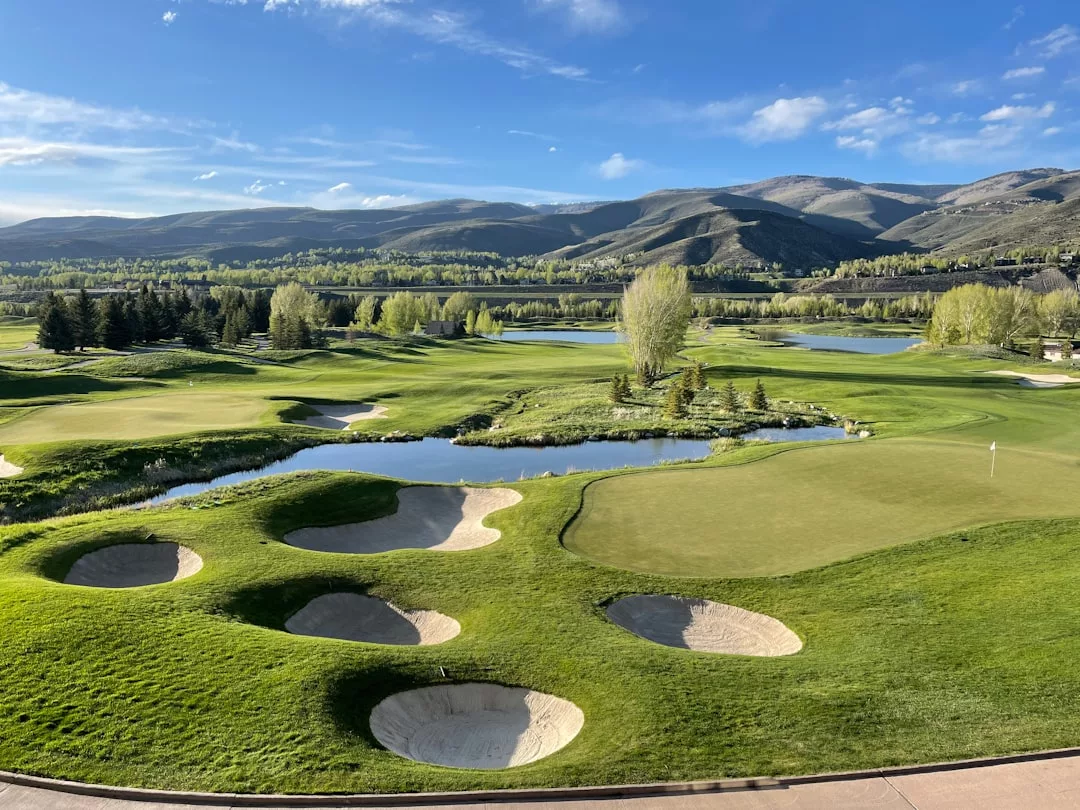
Investing in real estate, particularly in desirable locations, often leads to an increase in property value over time. This phenomenon is particularly pronounced in areas that are experiencing growth due to urban development, improved infrastructure, or an influx of businesses. For instance, properties located near newly constructed shopping centers, schools, or public transportation hubs tend to appreciate more rapidly than those in less accessible areas.
The principle of supply and demand plays a crucial role here; as more people seek to live in a particular area, the demand for housing increases, driving up property prices. Moreover, the value of a property can be significantly enhanced by the quality of the surrounding environment. Neighborhoods that prioritize green spaces, parks, and community facilities often see a boost in property values.
For example, homes situated near well-maintained parks or waterfronts not only attract families looking for recreational spaces but also appeal to investors who recognize the long-term value of such locations. The presence of amenities like walking trails, playgrounds, and community centers can transform a neighborhood into a sought-after destination, thereby increasing the overall market value of properties within that vicinity.
Key Takeaways
- Living in a gated community can increase property value due to the added security and exclusivity
- Residents have access to a variety of recreational activities such as golf, tennis, swimming, and hiking
- Gated communities often offer beautiful scenery and views, providing a serene and picturesque environment for residents
- Homeowners have the potential to earn rental income by leasing out their property to vacationers or long-term tenants
- Exclusive communities offer a range of amenities such as private clubs, fitness centers, and concierge services for residents
Access to Recreational Activities
Natural Recreational Opportunities
Communities situated near national parks or nature reserves offer residents the chance to engage in outdoor activities such as hiking, biking, and birdwatching. This not only promotes a healthy lifestyle but also fosters a sense of community among residents who share similar interests in outdoor pursuits.Urban Recreational Facilities
In addition to natural recreational opportunities, urban areas often provide access to organized sports leagues, fitness centers, and cultural events. For example, cities with vibrant community centers may offer classes ranging from yoga to martial arts, catering to diverse interests and age groups.The Impact on Community and Family Life
Such facilities encourage social interaction and help build relationships among residents. The availability of recreational activities can also be a significant factor for families when choosing where to live, as parents often prioritize neighborhoods that provide safe and engaging environments for their children.Beautiful Scenery and Views
The aesthetic appeal of a location can have a profound impact on residents’ well-being and satisfaction with their living environment. Properties that boast beautiful scenery, whether it be mountains, lakes, or urban skylines, tend to attract buyers and renters alike. The psychological benefits of living in visually pleasing surroundings are well-documented; studies have shown that exposure to nature and attractive landscapes can reduce stress levels and improve overall mental health.
For instance, homes with panoramic views of the ocean or mountains not only provide a daily reminder of nature’s beauty but also create a serene atmosphere that enhances relaxation. Additionally, properties located in scenic areas often come with outdoor spaces such as balconies or patios that allow residents to fully appreciate their surroundings. This connection to nature can lead to a more fulfilling lifestyle, as individuals are more likely to spend time outdoors engaging in activities that promote physical health and social interaction.
Potential for Rental Income
Investing in real estate can also serve as a lucrative source of passive income through rental properties. In high-demand areas, property owners can capitalize on the rental market by leasing their homes or apartments to tenants. This is particularly advantageous in urban centers where housing shortages often lead to increased rental prices.
For example, a well-located property near universities or business districts can attract students or professionals seeking convenient living arrangements, allowing landlords to charge premium rents. Moreover, short-term rental platforms like Airbnb have revolutionized the rental market by providing homeowners with the opportunity to earn income from vacationers and business travelers. Properties in tourist-friendly locations can generate significant revenue during peak seasons, making them an attractive investment option.
However, potential landlords must also consider local regulations regarding short-term rentals, as some municipalities have implemented restrictions that could impact profitability. Understanding the dynamics of the rental market is essential for maximizing income potential while ensuring compliance with local laws.
Exclusive Community and Amenities
Living in an exclusive community often comes with a host of amenities that enhance the overall living experience. These amenities not only provide convenience but also foster a sense of belonging among residents who share similar lifestyles and values.
Additionally, exclusive communities often prioritize security and privacy, which can be appealing to families and individuals seeking a safe environment. The presence of security personnel and controlled access points can create peace of mind for residents. Furthermore, many upscale communities organize social events and activities that encourage interaction among neighbors, helping to build strong relationships within the community.
This sense of camaraderie can significantly enhance the living experience and contribute to long-term satisfaction with one’s home.
Health Benefits
The health benefits associated with living in certain environments cannot be overstated. Access to green spaces and recreational facilities encourages physical activity, which is essential for maintaining overall health.
This increased physical activity can lead to lower rates of obesity, heart disease, and other health-related issues. Moreover, living in areas with clean air and low pollution levels contributes positively to respiratory health and overall well-being. Communities that prioritize environmental sustainability often implement measures to reduce pollution and promote clean living conditions.
For instance, neighborhoods with extensive tree cover not only provide shade but also improve air quality by filtering pollutants. The psychological benefits of living in a healthy environment are equally important; exposure to nature has been linked to reduced stress levels and improved mental health outcomes.
Social Opportunities
The social fabric of a community plays a crucial role in shaping residents’ experiences and overall satisfaction with their living environment. Areas that foster social interaction through community events, clubs, and organizations provide residents with ample opportunities to connect with others. For example, neighborhoods that host farmers’ markets or seasonal festivals create spaces for residents to gather, socialize, and support local businesses.
Additionally, social opportunities can extend beyond organized events; informal gatherings among neighbors can lead to lasting friendships and support networks. Communities that prioritize inclusivity often see higher levels of engagement among residents, as individuals feel more connected to one another. This sense of belonging can significantly enhance one’s quality of life and contribute to a positive living experience.
Potential for Networking and Business Opportunities
Living in vibrant communities often opens doors to networking and business opportunities that may not be available elsewhere. Areas with thriving economies typically attract professionals from various industries, creating an environment ripe for collaboration and innovation. For instance, individuals residing in tech hubs may find themselves surrounded by like-minded entrepreneurs and professionals who can offer valuable insights or partnerships.
Moreover, local business events, workshops, and networking meetups provide residents with opportunities to expand their professional connections. Engaging with local chambers of commerce or industry associations can further enhance one’s visibility within the community and lead to potential business ventures. The ability to network effectively within one’s living environment can be a significant advantage for career advancement and entrepreneurial success.
In conclusion, the multifaceted benefits of living in desirable locations extend far beyond mere aesthetics or property value appreciation. From access to recreational activities and beautiful scenery to health benefits and networking opportunities, these factors collectively contribute to an enriched lifestyle that many seek when choosing where to live. Understanding these dynamics is essential for anyone considering a move or investment in real estate.
Same market
More from Mallorca
Mallorca · 14 min
Luxury Finca Complete Guide
Luxury finca guide for Mallorca: prime locations, prices from 1.5M to 25M euros, restoration costs, water rights and a 7.2% growth rate driving this r…

Mallorca · 14 min
Mediterranean Villa Buying Guide
Mediterranean villa buying guide 2026: prices, yields and tax across Spain, France, Italy, Greece, Croatia and Montenegro in a 320 billion euro luxury…

Mallorca · 16 min
Mallorca Luxury Real Estate Guide
Mallorca luxury real estate guide: 2025 prices from 2 to 45 million euros, top areas like Portals Nous and Port d’Andratx, taxes, Golden Visa an…