Properties with Vineyards or Olive Groves in Mallorca
Properties with vineyards or olive groves in Mallorca: value, income, sustainable farming, own wine and oil, landscapes, health and culture weighed.
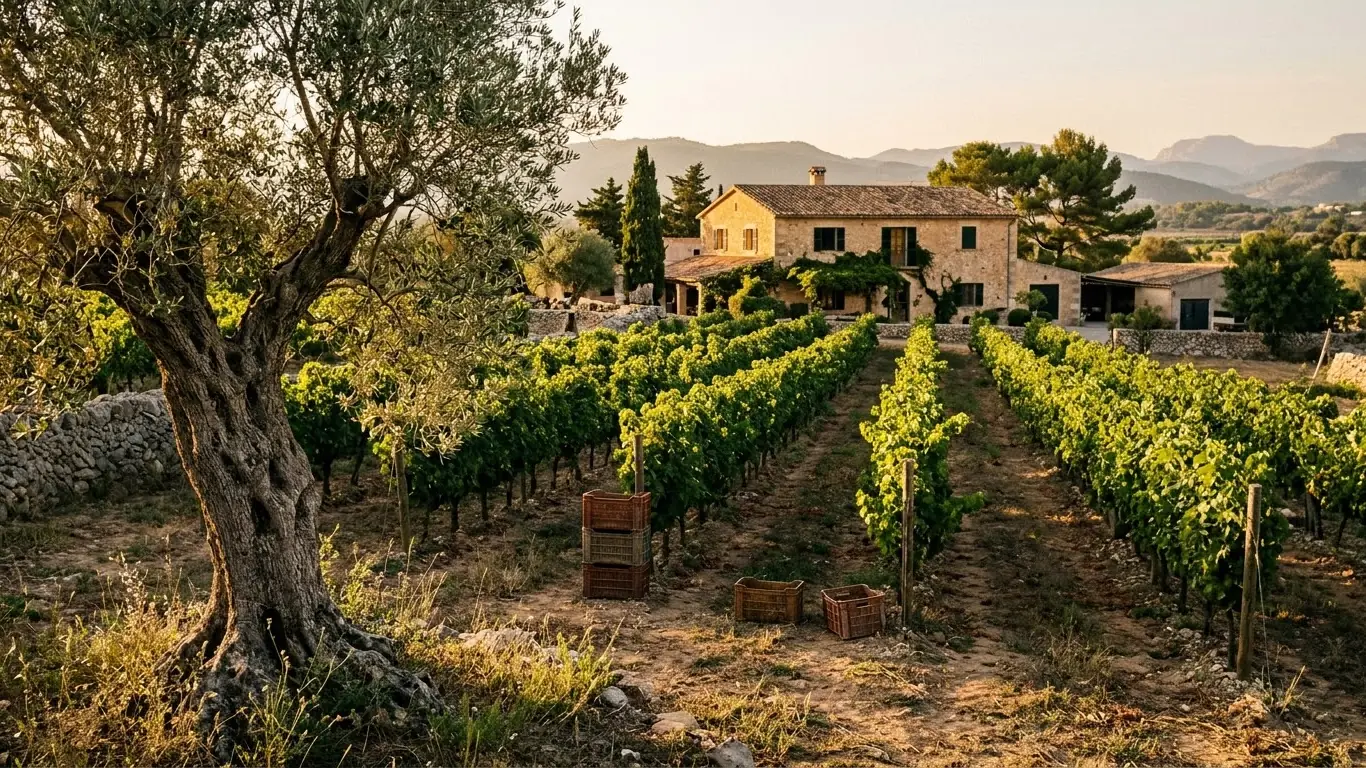

Mallorca has drawn growing interest from international buyers, attracted by natural beauty, a favorable climate and a rich cultural heritage. Properties with panoramic Mediterranean views or a location near picturesque villages are particularly sought after, and values have risen over the past few years. This article weighs what a vineyard or olive grove adds to such a property.
As more people see Mallorca as a prime location for vacation homes and permanent residences, demand for real estate continues to rise. The island’s position within Europe, easy access to major cities and a well-developed infrastructure make it appealing to those who wish to relocate or invest in a second home.
Foreign buyers have created a competitive market in which properties often sell at premium prices. That makes real estate in Mallorca a lifestyle choice and potentially a financial investment, although no growth is certain, as the island adapts to modern living while preserving its historical essence.
Key Takeaways
- Olive and wine production can add to a property’s value.
- Olive and wine production support sustainable agriculture and self-sufficiency.
- Olive and wine production hold potential for income.
- Personalized wine and olive oil production is a rewarding, distinctive experience.
- Vineyards and olive groves bring landscapes and outdoor living.
Sustainable Agriculture and Self-Sufficiency
Mallorca’s agriculture is shaped by a commitment to sustainability and self-sufficiency. The island has a rich farming tradition that emphasizes organic practices and local produce, and many farmers now adopt sustainable methods that protect the environment and improve the quality of their crops.
This shift toward eco-friendly agriculture matters in a world concerned with climate change and food security, and it shows how agriculture can thrive while respecting nature. The island’s agricultural sector also aims at self-sufficiency.
Local farmers increasingly produce food for the needs of the community, which reduces reliance on imported goods, supports the local economy and gives residents access to fresh, high-quality produce. The resurgence of traditional crops such as almonds, olives and grapes reflects appreciation for local flavors and culinary heritage.
As more people value locally sourced food, demand for sustainable agricultural practices may continue to grow.
Potential for Income Generation
Mallorca offers diverse economic opportunities. Tourism remains one of the primary drivers of income, with millions of visitors each year creating business opportunities from hospitality and retail to guided tours and local experiences.
Entrepreneurs can offer services that match visitors’ interests, such as culinary classes, adventure sports or cultural workshops. Agriculture and artisanal production hold potential too: as more people seek authentic experiences and local products, farmers and artisans can build niche markets for their goods.
Demand is growing for high-quality, locally made products, from organic olive oil to handmade ceramics. Businesses that build on the island’s cultural heritage and natural resources can generate income and contribute to preserving Mallorca’s traditions, though success is never assured.
Personalized Wine and Olive Oil Production
Wine and olive oil production is among Mallorca’s richest traditions. The island’s climate and fertile soil create conditions for cultivating grapes and olives, with high-quality products celebrated locally and internationally, and those interested in personalized production find opportunities for winemaking and olive oil production on a small scale.
Many vineyards and olive groves offer workshops that cover the whole process, from planting and harvesting to pressing and bottling. Personalized production lets individuals create products tailored to their tastes and builds a deeper connection with the land and its traditions, along with insight into the meticulous care behind each bottle.
This hands-on experience turns consumers into producers who appreciate nuances of flavor and quality. Personalized production can also lead to small-scale businesses serving niche markets with exclusive products that reflect the essence of Mallorca.
Landscapes and Outdoor Living
Mallorca’s landscapes range from rugged mountains to serene beaches, and its diverse geography offers opportunities for hiking, cycling, sailing and other outdoor activities. The Tramuntana mountain range, a UNESCO World Heritage site, offers vistas and challenging trails that attract hikers from around the world.
The coastline offers clear waters for swimming and snorkeling and sun-kissed beaches for relaxing. Outdoor living in Mallorca is about more than recreation: it reflects a lifestyle that values connection with nature. Many residents dine al fresco or spend weekends exploring the island.
Nature integrated into daily life supports well-being and encourages a slower pace that many find appealing.
Health Benefits of Olive Oil and Wine
The Health Benefits of Olive Oil
Olive oil, particularly extra virgin, is rich in monounsaturated fats and antioxidants that support heart health. Including olive oil in the diet has been associated with lower cholesterol levels and a reduced risk of chronic diseases such as heart disease and diabetes.
The Cultural Significance of Olive Oil in Mallorca
Olive oil production is deeply rooted in Mallorca’s culture, and residents have access to fine oils that are easy to include in daily meals.
Moderate Wine Consumption
Moderate wine consumption has been linked to certain health benefits. Red wine contains resveratrol, a compound known for antioxidant properties that may help protect against heart disease. The social side of wine matters too: sharing a glass with friends or family fosters connection and happiness. In Mallorca, wine is often enjoyed alongside local cuisine during leisurely meals, which combines nutritional advantages with the joy of communal dining.
Cultural and Historical Significance
Mallorca’s cultural and historical depth adds to its appeal. Various civilizations, from the Romans to the Moors, have left marks on its architecture, language and traditions, and visitors can explore ancient ruins, cathedrals and villages that reflect this history.
Palma has a Gothic cathedral known as La Seu, which reflects the island’s architectural heritage. Festivals celebrating local customs, such as Sant Joan or Fira del Vi, let residents and visitors engage with the culture through music, dance, food and art.
These events foster community spirit and show the identity of Mallorca. Taking part deepens appreciation for the island’s history and its people.
Lifestyle and Experiential Tourism
Life in Mallorca blends relaxation and adventure, appealing to residents and visitors alike. Experiential tourism lets travelers engage with the island’s culture in meaningful ways.
Experiential tourism encourages travelers to connect with locals and gain insight into their way of life, which makes interactions authentic and supports local economies. As more people seek immersive experiences over typical attractions, Mallorca offers genuine connections with its culture and community. Local festivals or lessons in traditional crafts from artisans leave lasting memories that go beyond sightseeing.
More from Mallorca
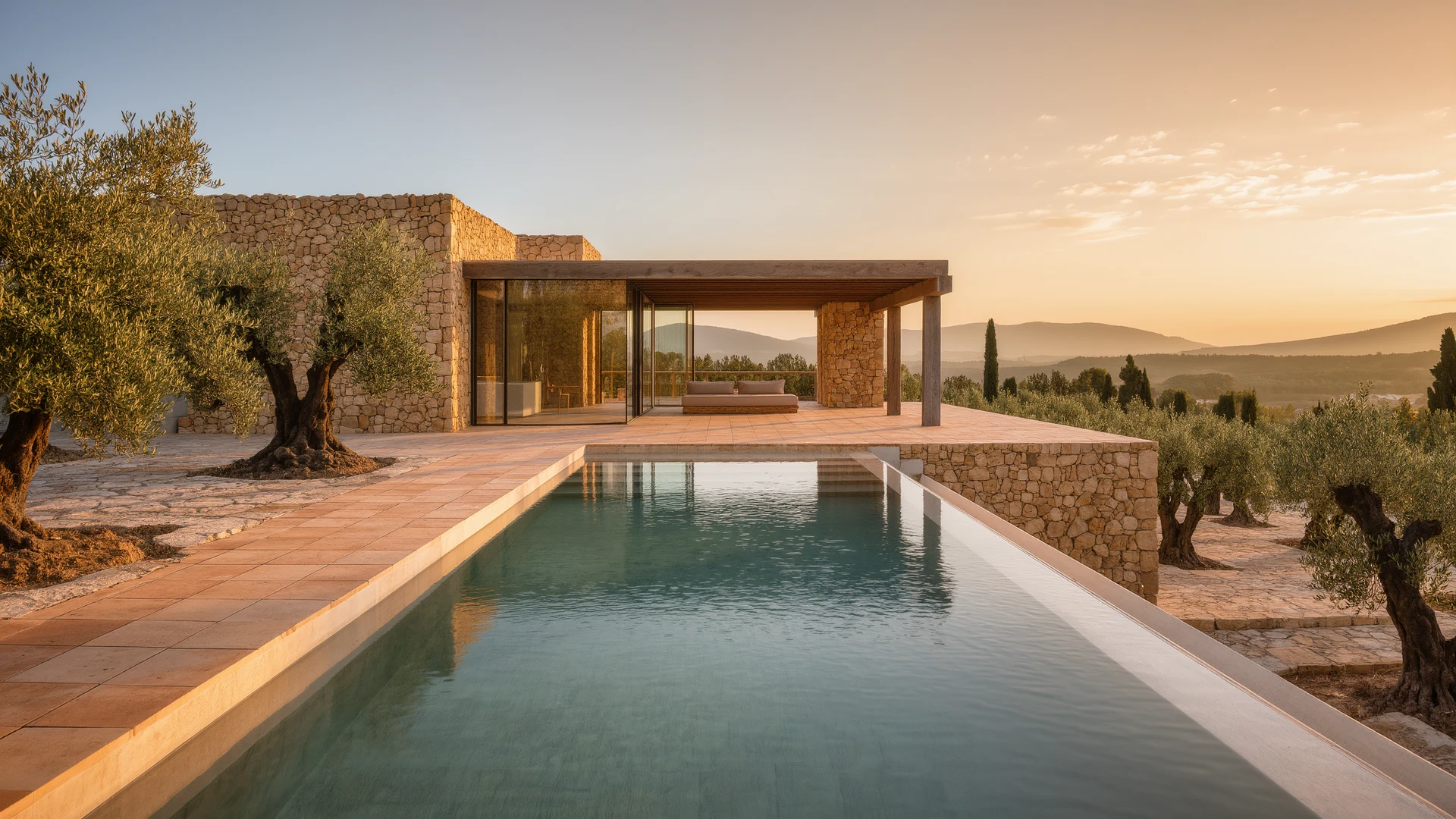
Luxury Finca in Mallorca: Prices, Costs, Water Rights
Luxury finca guide for Mallorca: prime locations, prices from 1.5M to 25M euros, restoration costs, water rights and what drives its valuation.
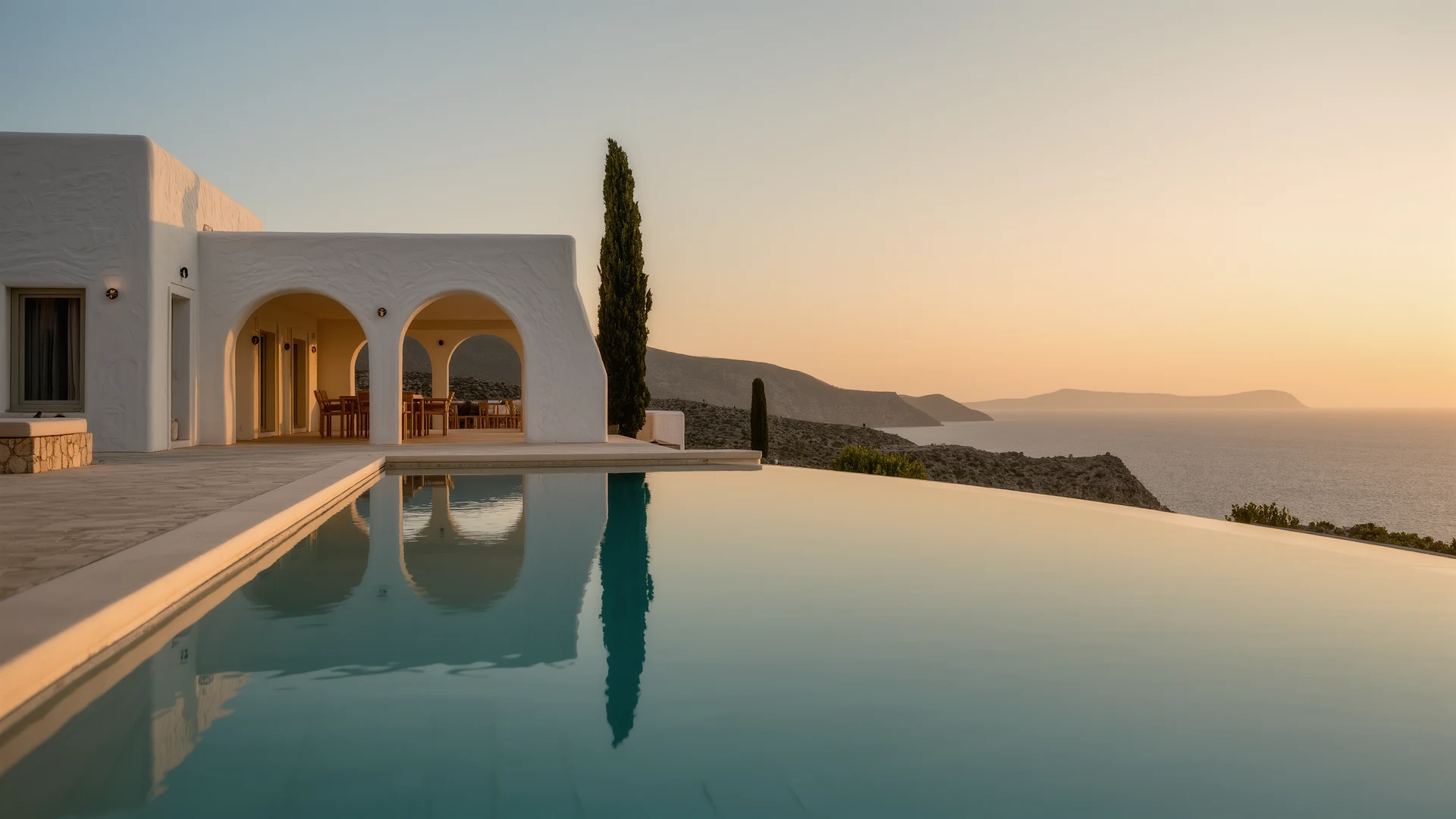
Mediterranean Villa Buying Guide: Prices, Yields, Taxes
Mediterranean villa buying guide 2026: prices, rental yields and taxes in Spain, France, Italy, Greece, Croatia and Montenegro, plus renovation rules.

Mallorca Luxury Real Estate Guide: Areas, Taxes, Prices
Mallorca luxury real estate guide: top areas like Portals Nous and Andratx, prices from 2 to 45 million euros, taxes, the Golden Visa and yields.