Mallorca · 39.62°N 2.99°E · File 261
The Advantages of Real Estate in Historic Buildings
The preservation of heritage is a vital aspect of maintaining the cultural identity and historical narrative of a community. Heritage sites, whether they are buildings, monuments, …
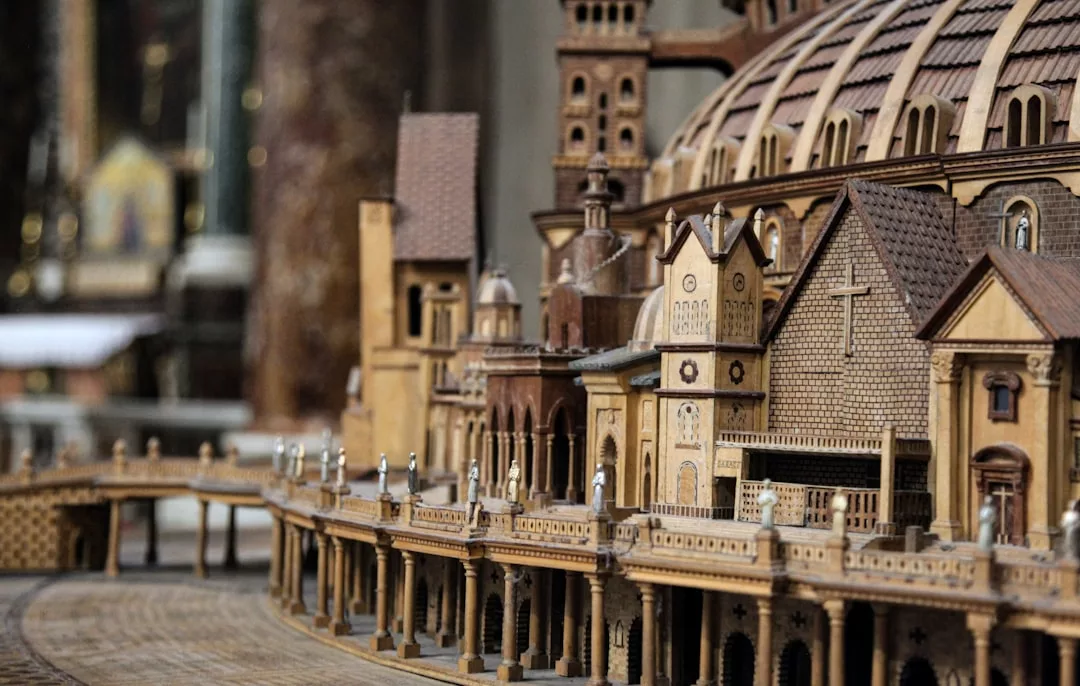
The preservation of heritage is a vital aspect of maintaining the cultural identity and historical narrative of a community. The act of preserving these sites is not merely about maintaining physical structures; it is about safeguarding the stories and traditions that define a community’s character.
For instance, the restoration of historic neighborhoods can revitalize local economies while fostering a sense of pride among residents. This dual benefit underscores the importance of heritage preservation in contemporary urban planning. Moreover, the preservation of heritage often involves a collaborative effort among various stakeholders, including government agencies, non-profit organizations, and local communities.
These collaborations can lead to innovative solutions that balance the need for modernization with the desire to maintain historical integrity. For example, cities like Charleston, South Carolina, have implemented strict guidelines to protect their historic districts while allowing for modern amenities. This approach not only enhances the aesthetic appeal of the area but also attracts tourism, which can be a significant economic driver.
The preservation of heritage thus becomes a multifaceted endeavor that enriches both the present and future of a community.
Key Takeaways
- Preservation of Heritage: The property boasts a rich historical significance and is committed to preserving its heritage.
- Unique Architectural Features: The property showcases unique and distinctive architectural elements that set it apart from others in the area.
- Prime Location and Accessibility: Situated in a prime location with easy accessibility to key amenities and transportation hubs.
- Potential for Increased Property Value: The property has the potential for significant increase in property value over time.
- Tax Incentives and Grants: Owners may be eligible for tax incentives and grants for the preservation and restoration of the property.
Unique Architectural Features
Reflecting the Craftsmanship of Their Time
For instance, Victorian-era homes are renowned for their elaborate woodwork and vibrant color palettes, which tell a story of an era characterized by industrial progress and artistic expression.Enhancing Visual Appeal and Historical Value
Such features not only enhance the visual appeal of a property but also contribute to its historical value, making it a subject of interest for architects, historians, and potential buyers alike. In addition to aesthetic considerations, unique architectural features can also serve functional purposes.Lessons in Sustainability from Historical Designs
For example, buildings designed in the Arts and Crafts style often incorporate natural materials and emphasize craftsmanship, resulting in structures that are not only beautiful but also energy-efficient. The use of large windows for natural light and open floor plans reflects a deep understanding of human interaction with space. As modern architecture increasingly embraces sustainability, these historical designs offer valuable lessons in creating spaces that harmonize with their environment while meeting contemporary needs.Prime Location and Accessibility
The location of heritage properties often plays a crucial role in their desirability and value. Many historic buildings are situated in prime areas that have been central to the development of cities over time. For instance, properties located near waterfronts or in bustling downtown districts tend to attract higher interest due to their accessibility to amenities such as restaurants, shops, and cultural institutions.
This prime positioning not only enhances the quality of life for residents but also increases the potential for economic growth in the surrounding area. Accessibility is another critical factor that contributes to the appeal of heritage properties. Well-connected locations with access to public transportation can significantly enhance property values.
For example, neighborhoods that are easily reachable via subway or bus lines often see a surge in demand as urban dwellers seek convenience in their daily commutes. Furthermore, as cities evolve and expand their transportation networks, previously overlooked heritage sites may gain newfound significance due to improved accessibility. This dynamic interplay between location and accessibility underscores the importance of strategic urban planning in preserving heritage while accommodating modern needs.
Potential for Increased Property Value
Investing in heritage properties can yield significant returns due to their potential for increased property value over time. This trend is particularly evident in cities where gentrification has led to rising property values in historically significant neighborhoods.
Buyers are increasingly drawn to properties that not only provide a unique living experience but also represent an investment in cultural heritage. Moreover, the rarity of well-preserved heritage properties can drive demand even further. As more people seek out distinctive homes with historical significance, those properties that remain intact become increasingly valuable.
For instance, a well-maintained Victorian home in a desirable neighborhood may appreciate at a rate significantly higher than that of standard new builds. This phenomenon is compounded by the fact that many buyers are willing to pay a premium for properties that offer both aesthetic appeal and historical context. Thus, investing in heritage properties can be seen as both a financial opportunity and a commitment to preserving cultural history.
Tax Incentives and Grants
Tax incentives and grants play a pivotal role in encouraging the preservation of heritage properties. Many governments recognize the importance of maintaining historical sites and offer financial assistance to property owners who undertake restoration projects. These incentives can take various forms, including tax credits for rehabilitation expenses or grants specifically designated for preservation efforts.
For example, the Federal Historic Preservation Tax Incentives program in the United States provides a 20% tax credit for the rehabilitation of certified historic structures, making it financially viable for owners to invest in necessary repairs while preserving historical integrity. In addition to federal programs, many state and local governments have established their own initiatives aimed at promoting heritage preservation. These programs often target specific types of properties or neighborhoods that hold particular cultural significance.
By providing financial support for restoration projects, these incentives not only alleviate the financial burden on property owners but also foster community engagement in preserving local history. As more individuals take advantage of these opportunities, the collective impact on heritage preservation can be profound, leading to revitalized neighborhoods and enhanced cultural landscapes.
Cultural and Historical Significance
The cultural and historical significance of heritage properties extends far beyond their physical structures; they embody the stories and experiences of communities throughout time. Each building carries with it a narrative that reflects the social dynamics, economic conditions, and artistic movements of its era. For instance, an old factory may represent an industrial revolution that transformed a city’s economy while also serving as a reminder of labor movements that fought for workers’ rights.
Such narratives enrich our understanding of history and provide context for contemporary societal issues. Furthermore, heritage properties often serve as focal points for community identity and pride. They can host cultural events, festivals, and educational programs that engage residents and visitors alike.
For example, historic homes may be transformed into museums or cultural centers that celebrate local history and traditions. This active engagement with heritage fosters a sense of belonging among community members while attracting tourists interested in exploring the rich tapestry of local culture. The cultural and historical significance of these properties thus plays an essential role in shaping community identity and promoting social cohesion.
High Demand for Rental and Sale
The demand for rental and sale opportunities within heritage properties has seen a notable increase in recent years. As urban living becomes more desirable among younger generations seeking unique experiences over conventional housing options, historic buildings have emerged as attractive alternatives. Many individuals are drawn to the charm and character inherent in older structures, which often feature distinctive architectural details not found in modern developments.
This trend has led to a surge in interest from both renters and buyers who prioritize authenticity and historical context in their living spaces. Additionally, heritage properties often command premium prices due to their unique appeal and limited availability. Investors recognize this trend and are increasingly looking to acquire such properties for rental purposes or resale after restoration.
The allure of living in a historic building, complete with original features like hardwood floors or decorative moldings, can justify higher rental rates compared to standard apartments or homes. As demand continues to rise, property owners who invest in maintaining these buildings can benefit from lucrative rental income or substantial returns on resale.
Potential for Adaptive Reuse and Development
The potential for adaptive reuse and development within heritage properties presents exciting opportunities for innovation while preserving historical integrity. Adaptive reuse involves repurposing existing structures for new functions without compromising their architectural significance. This approach not only conserves resources by minimizing demolition waste but also breathes new life into buildings that may otherwise fall into disrepair.
For instance, former factories have been transformed into trendy lofts or commercial spaces that retain their industrial charm while serving modern needs. Moreover, adaptive reuse can stimulate economic growth by attracting new businesses and residents to revitalized areas. Cities like Detroit have embraced this concept by converting historic warehouses into vibrant mixed-use developments that combine residential units with retail spaces and community amenities.
Such projects not only preserve architectural heritage but also foster economic revitalization by creating jobs and enhancing local culture. The potential for adaptive reuse thus represents a forward-thinking approach to urban development that honors history while addressing contemporary challenges. In conclusion, the multifaceted aspects surrounding heritage properties, from preservation efforts to unique architectural features, underscore their importance within our communities.
As we navigate modern urban landscapes, recognizing the value of these historical assets will be crucial in shaping sustainable futures that honor our past while embracing innovation.
Same market
More from Mallorca

Mallorca · 14 min
Luxury Finca Complete Guide
Luxury finca guide for Mallorca: prime locations, prices from 1.5M to 25M euros, restoration costs, water rights and a 7.2% growth rate driving this r…

Mallorca · 14 min
Mediterranean Villa Buying Guide
Mediterranean villa buying guide 2026: prices, yields and tax across Spain, France, Italy, Greece, Croatia and Montenegro in a 320 billion euro luxury…

Mallorca · 16 min
Mallorca Luxury Real Estate Guide
Mallorca luxury real estate guide: 2025 prices from 2 to 45 million euros, top areas like Portals Nous and Port d’Andratx, taxes, Golden Visa an…